Introduction
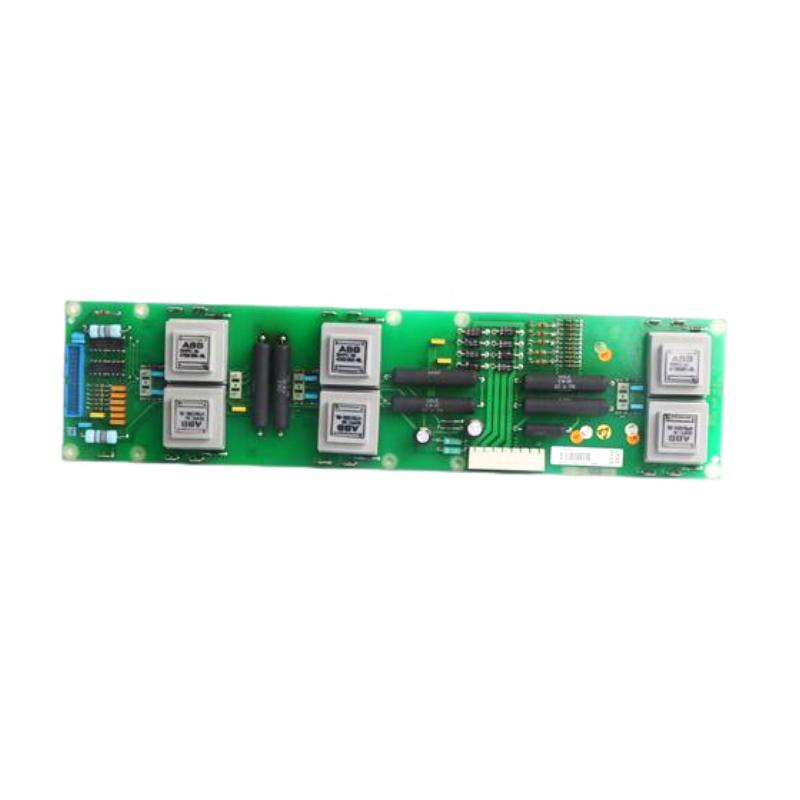
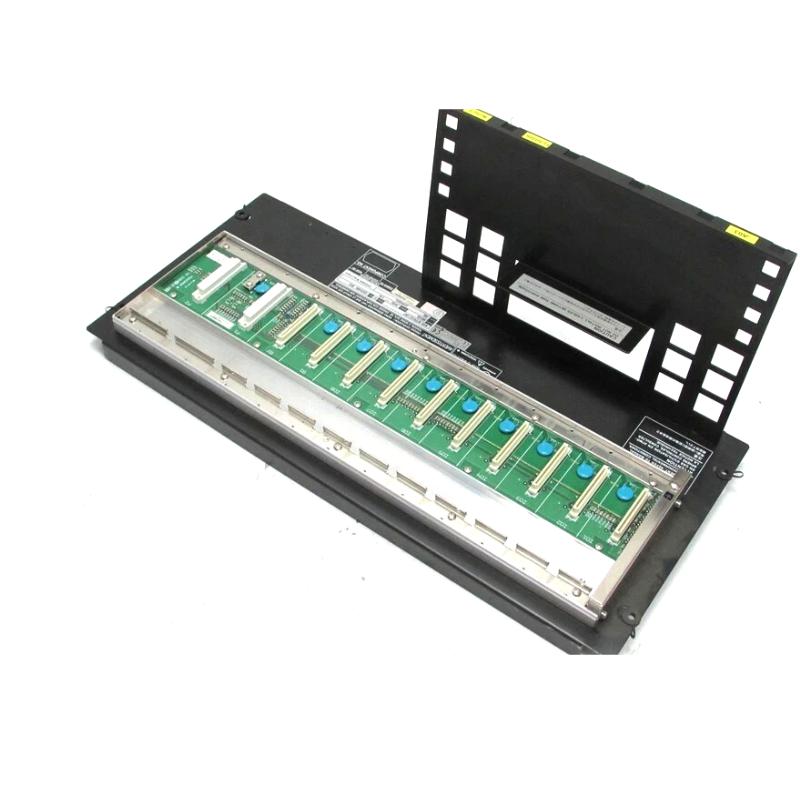
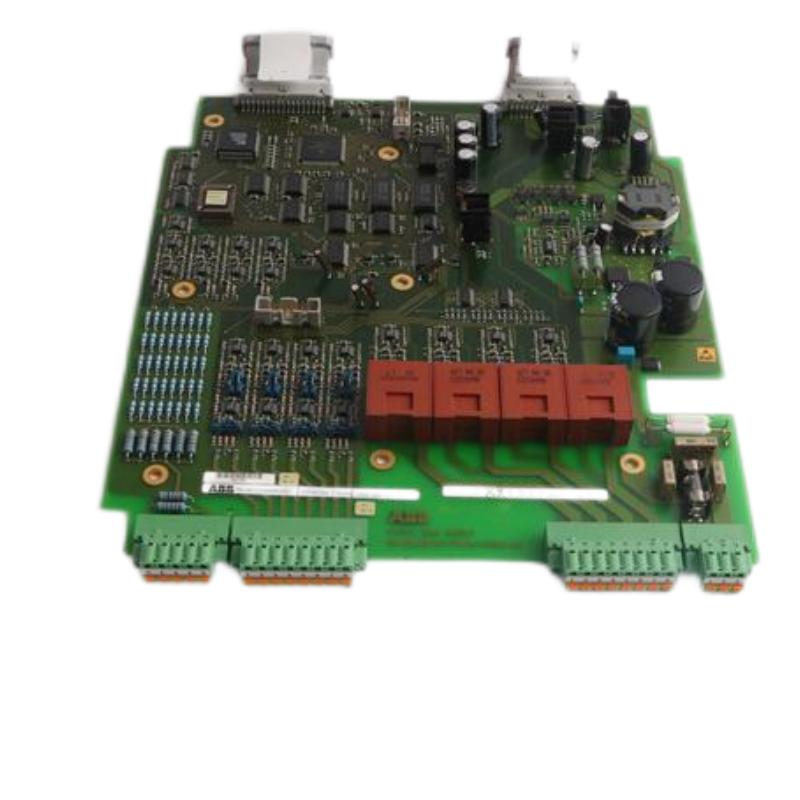
The ABB UNS2881A-P 3BHB005688R0001 Main Circuit Interface Board is a high-reliability industrial control component engineered for precision signal handling and stable circuit interfacing within advanced automation and drive systems. Designed for demanding environments, it plays a key role in ensuring seamless communication between measurement, control, and power regulation subsystems.
Built under ABB’s industrial-grade engineering standards, this board is widely used in Distributed Control Systems (DCS) and high-performance process automation platforms where stability, accuracy, and operational continuity are non-negotiable.
With its robust architecture and field-proven durability, the UNS2881A-P is trusted in mission-critical installations where even minor signal deviations can impact production efficiency.
Technical Specifications
| Parameter | Details |
|---|
| Model | UNS2881A-P |
| Part Number | 3BHB005688R0001 |
| Product Type | Main Circuit Interface / Measuring Unit Board |
| Manufacturer | ABB |
| System Compatibility | Industrial DCS / PLC-based automation systems |
| Signal Type | Analog measurement & control interface |
| Input Signals | 4–20 mA / 0–10 V (typical industrial range) |
| Communication Interface | Industrial control backplane integration |
| Operating Temperature | -20°C to +55°C |
| Storage Temperature | -40°C to +70°C |
| Power Requirements | 24 V DC (system dependent) |
| Dimensions | 33 cm × 25.5 cm × 2.5 cm |
| Weight | 0.54 kg |
| Mounting Type | Rack / Control cabinet mounted |
Applications
The ABB UNS2881A-P interface board is widely deployed in industrial environments requiring precision signal coordination and reliable circuit interfacing.
Typical applications include:
-
Industrial automation and process control systems
-
Power generation and energy distribution monitoring
-
Oil & gas refining control infrastructure
-
Chemical and pharmaceutical production lines
-
Heavy manufacturing and robotic control systems
-
Distributed Control System (DCS) architectures
-
High-precision measurement and signal conditioning networks
Its adaptability makes it especially valuable in legacy system upgrades and modernization projects where ABB ecosystem compatibility is required.
Advantages
The UNS2881A-P stands out in industrial environments due to its engineering stability and long-term operational resilience.
-
High Signal Stability – Ensures accurate transmission of analog measurements in noisy industrial environments
-
Robust Industrial Design – Built to withstand vibration, heat, and electrical interference
-
Compact Integration – Saves cabinet space while maintaining full functionality
-
System Compatibility – Designed for seamless ABB DCS/PLC integration
-
Long Operational Lifecycle – Suitable for continuous 24/7 industrial use
-
Low Maintenance Requirements – Reduces downtime and servicing costs
-
Reliable Performance in Harsh Conditions – Maintains accuracy under temperature and load variations
This combination of durability and precision makes it a preferred choice for engineers optimizing long-term system reliability.
Technical FAQs (10 Questions)
1. What is the main function of the ABB UNS2881A-P board?
It serves as a main circuit interface module for signal acquisition and control integration in industrial automation systems.
2. Is this board used in PLC or DCS systems?
Yes, it is commonly used in ABB DCS and PLC-based industrial architectures.
3. What type of signals does it handle?
It typically processes analog signals such as 4–20 mA and 0–10 V inputs.
4. Can it operate in harsh industrial environments?
Yes, it is designed for high durability in temperature- and vibration-prone environments.
5. What is the operating temperature range?
From -20°C to +55°C in standard industrial conditions.
6. Is this board hot-swappable?
This depends on system configuration; most installations require shutdown before replacement.
7. What is the weight of the module?
Approximately 0.54 kg.
8. What systems is it compatible with?
It is mainly compatible with ABB automation and DCS platforms.
9. Does it require special calibration?
Typically, calibration is handled at system level rather than board level.
10. Is this model still actively used in modern systems?
Yes, it remains widely used in installed base systems and industrial maintenance environments.
 A DCS Q Co., Ltd. - PLC and DCS Industrial Control Equipment Wholesale