High-Reliability Signal Interface for Advanced Automation and Control Systems
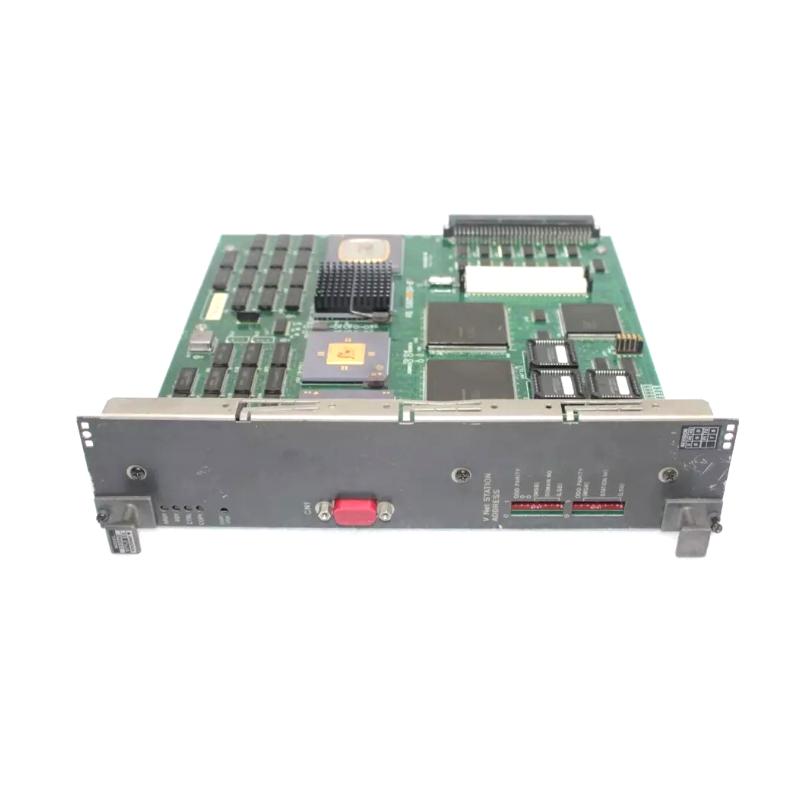
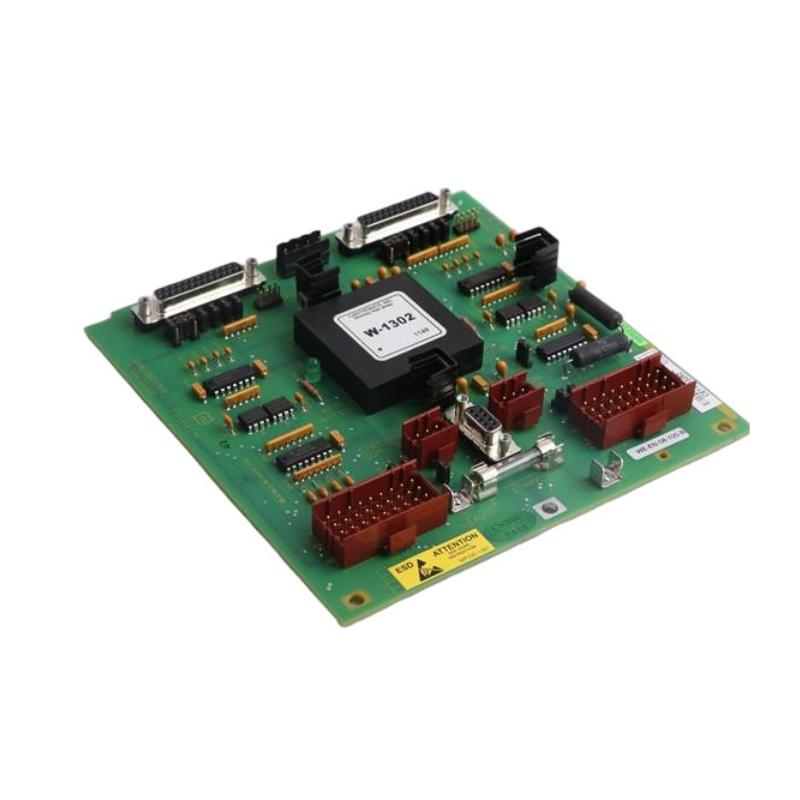
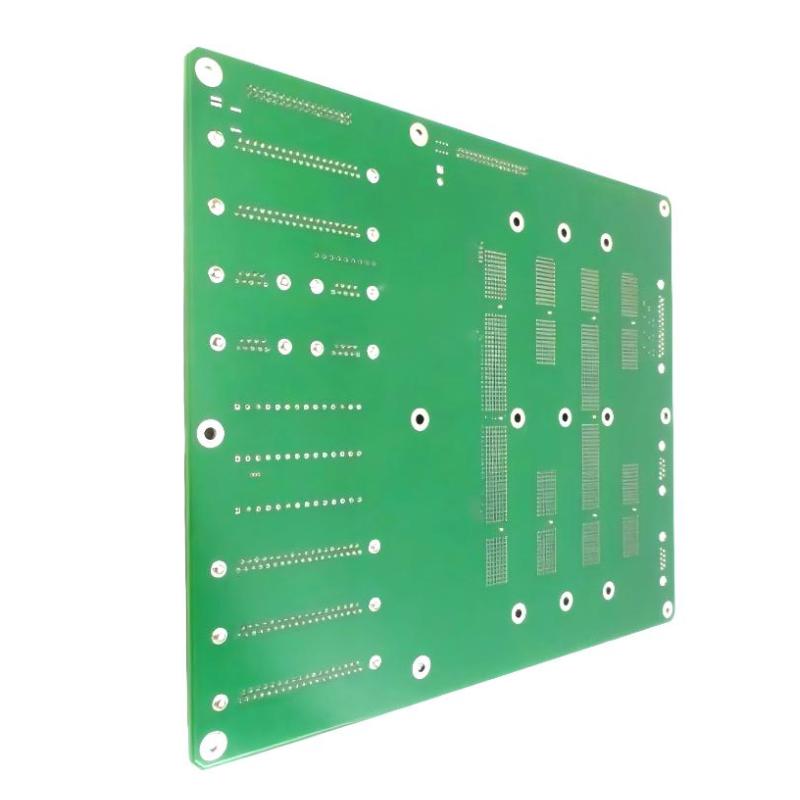
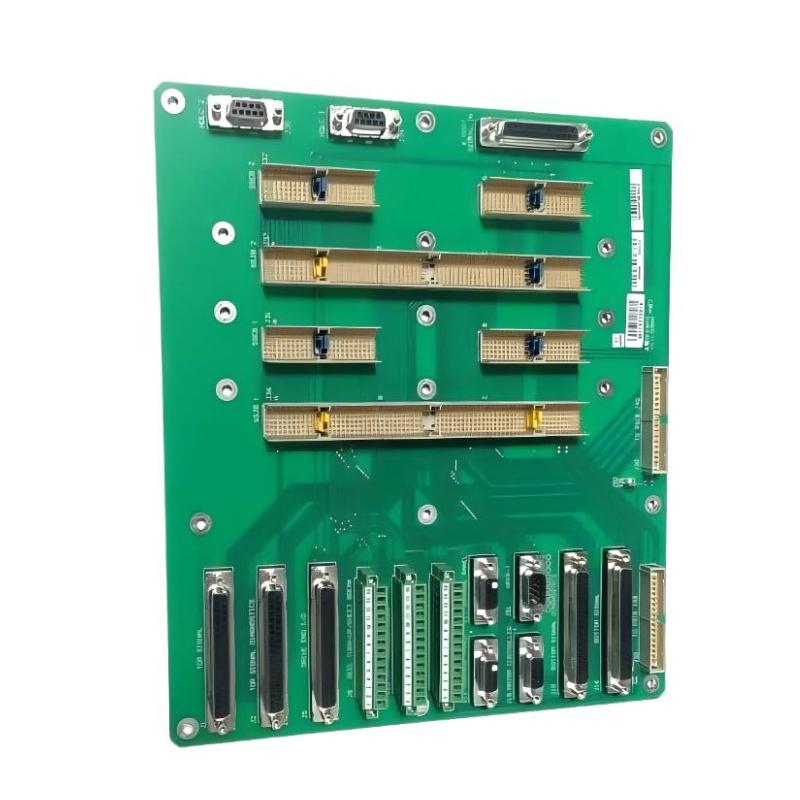
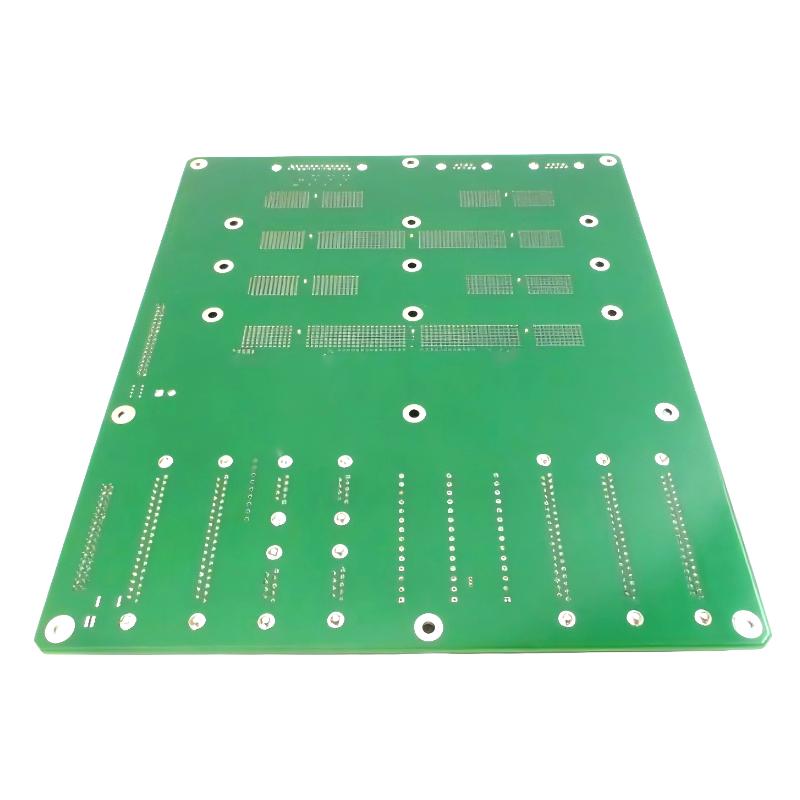
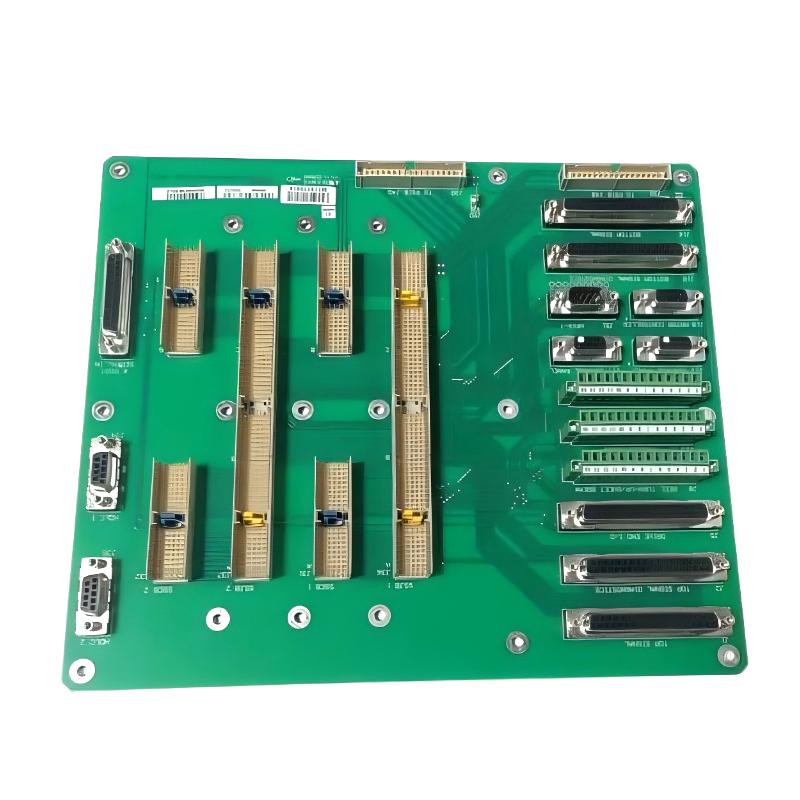
The ABB 3BUS212310-002 is a precision industrial interface module designed for use in complex automation, drive, and control system architectures. It is commonly integrated into ABB distributed control environments where stable signal conditioning, data exchange, and system-level coordination are required.
This module is engineered to support reliable communication between control units and field-level systems, ensuring consistent performance in industrial applications such as process automation, power system control, and drive regulation platforms. Its robust construction is optimized for continuous operation in demanding electrical and environmental conditions.
Technical Architecture & System Profile
| Parameter | Specification |
|---|
| Manufacturer | ABB |
| Model Number | 3BUS212310-002 |
| Product Type | Industrial Interface Module |
| System Role | Signal interface / control system communication |
| Application Area | Industrial automation & drive systems |
| Signal Handling | Digital and system-level control interfacing |
| Integration Platform | ABB control and automation architectures |
| Power Supply | System-dependent low-voltage industrial supply |
| Power Consumption | Low-power industrial design |
| Mounting Type | Rack / cabinet modular installation |
| Construction | Industrial electronic assembly |
| Operating Temperature | -25°C to +70°C |
| Storage Temperature | -40°C to +85°C |
| Dimensions | Approx. 160 × 100 × 40 mm |
| Weight | Approx. 0.4–0.8 kg |
Typical Industrial Applications
The ABB 3BUS212310-002 is used in environments requiring stable interface control between automation systems and process-level equipment.
Common application scenarios include:
-
Industrial process control systems
-
Distributed control system (DCS) architectures
-
Power plant automation platforms
-
Industrial drive and regulation systems
-
Substation and energy control environments
-
Manufacturing automation lines
-
System integration and control cabinet assemblies
-
Signal conditioning and interface expansion systems
-
Heavy industrial monitoring systems
-
Retrofit and modernization of legacy control platforms
Engineering Strengths & Functional Value
Stable System-Level Communication
Ensures reliable data and signal exchange between control layers and field devices.
Industrial-Grade Reliability
Designed for continuous operation in demanding automation environments.
Seamless Integration Capability
Supports compatibility within ABB automation and control ecosystems.
Robust Electrical Design
Optimized for stable operation under industrial electrical noise conditions.
Compact Modular Construction
Allows efficient installation within standard control cabinets and racks.
Long-Term Operational Stability
Built for extended lifecycle performance in industrial systems.
Efficient System Coordination
Helps maintain synchronized operation across connected control modules.
Technical FAQs
1. What is the main function of this module?
It provides industrial-level signal interfacing and system communication support.
2. Where is it commonly used?
It is used in automation systems, control cabinets, and industrial drive environments.
3. Is it a PLC module?
It is an interface module used within larger ABB automation architectures.
4. What industries use it?
It is used in power generation, manufacturing, and process automation industries.
5. Can it operate continuously?
Yes, it is designed for long-term industrial-duty operation.
6. Does it support analog or digital signals?
It is designed for system-level industrial signal interfacing depending on configuration.
7. Is it compatible with ABB systems?
Yes, it is intended for ABB automation and control platforms.
8. Can it be used in upgrades?
Yes, it is commonly used in system modernization and retrofit projects.
9. What installation type does it use?
It uses modular rack or cabinet-based installation.
10. Why is this module widely used?
Because it provides stable, reliable, and scalable interface performance in industrial control systems.
 A DCS Q Co., Ltd. - PLC and DCS Industrial Control Equipment Wholesale