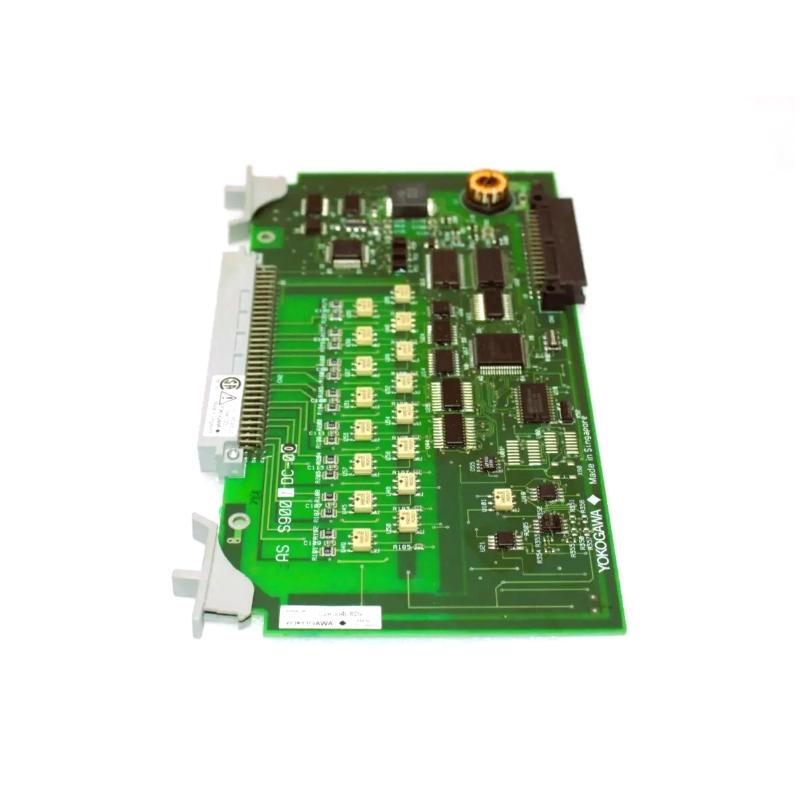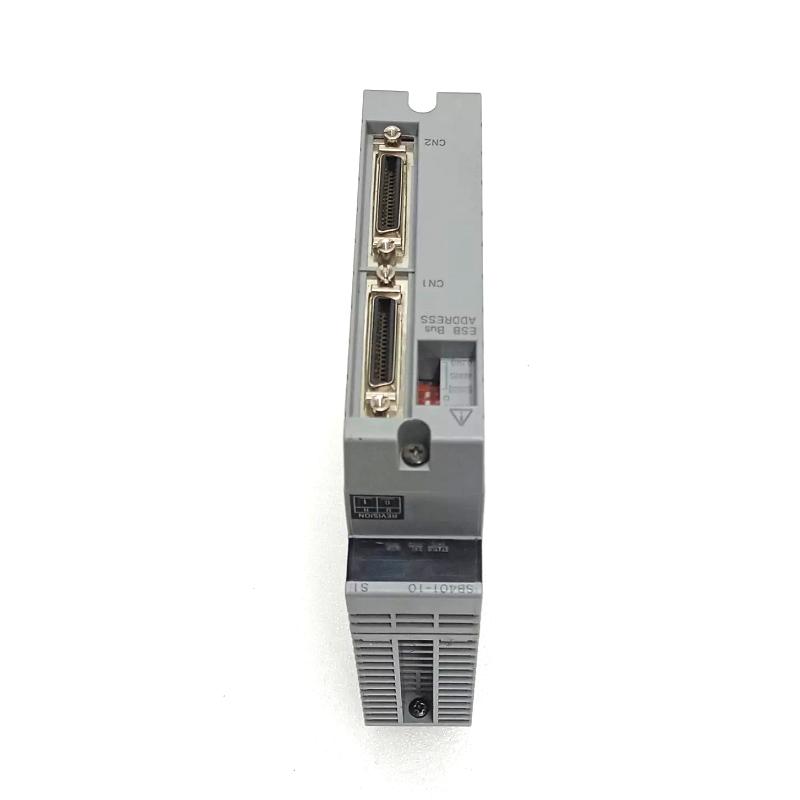
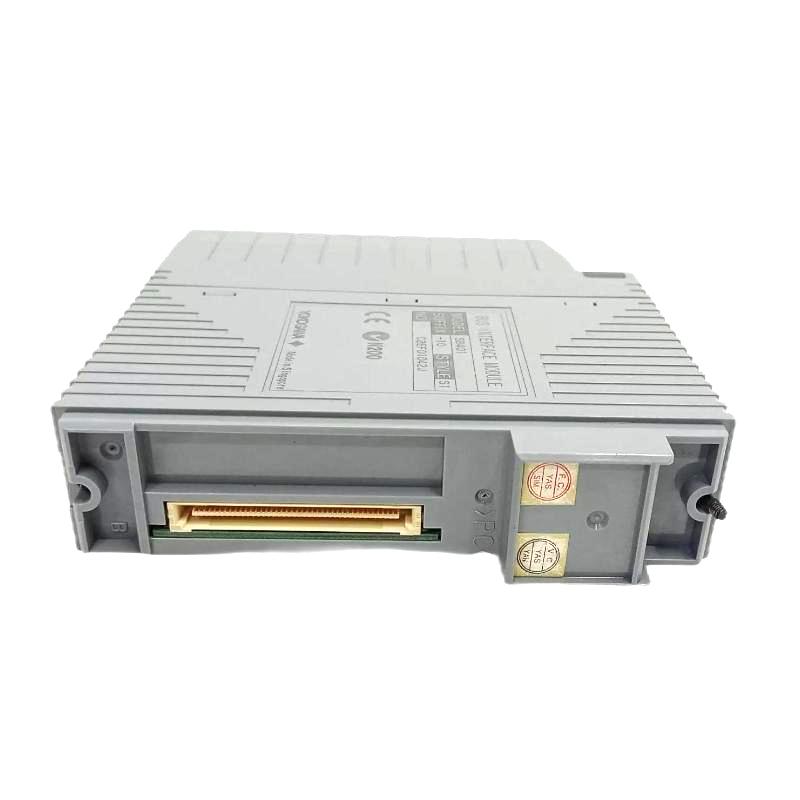
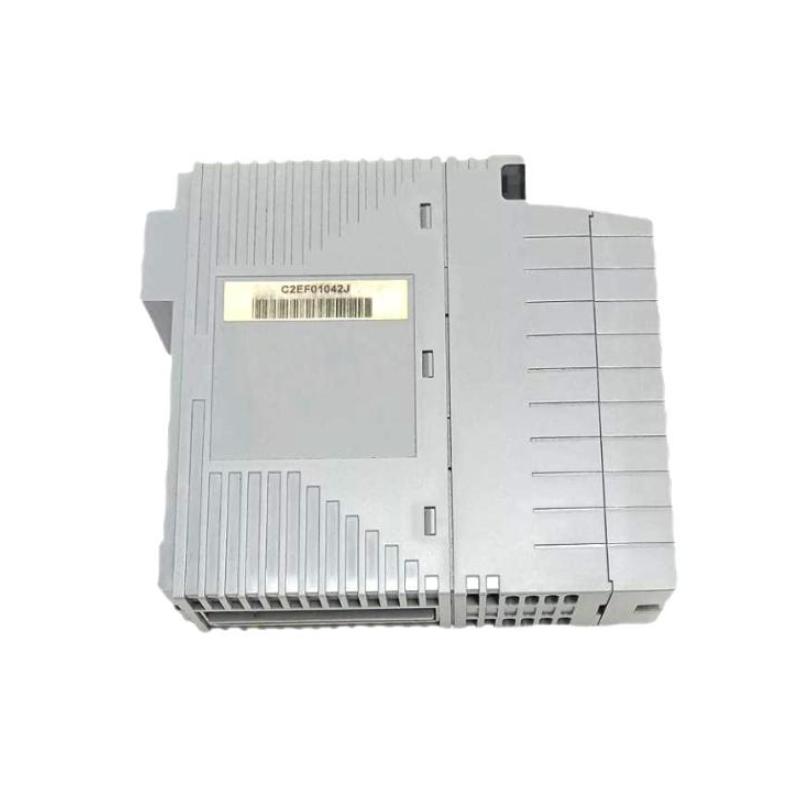
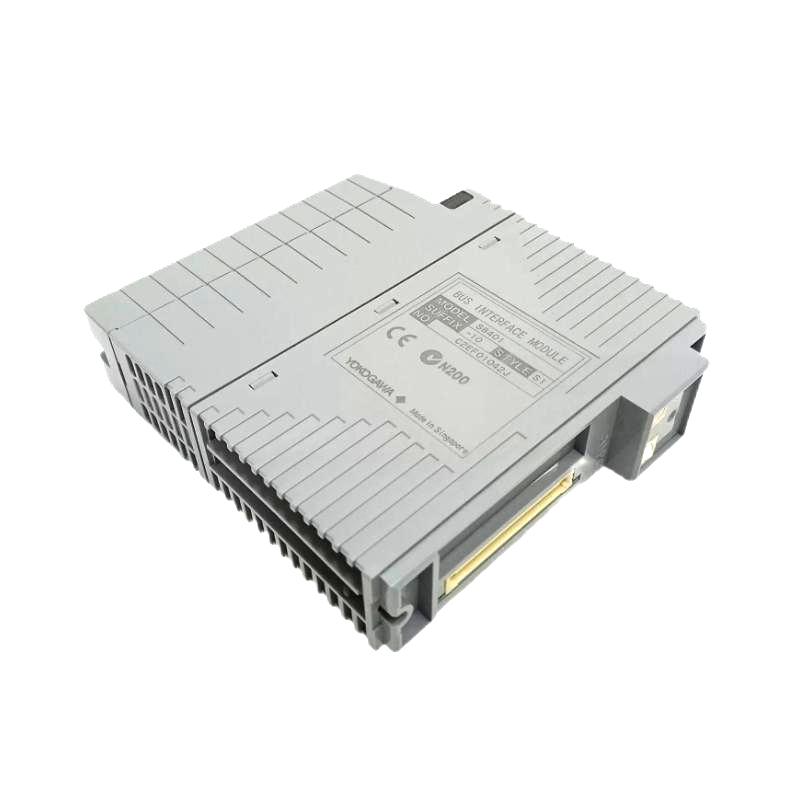
Reliable ESB Communication Interface for Distributed Control Systems
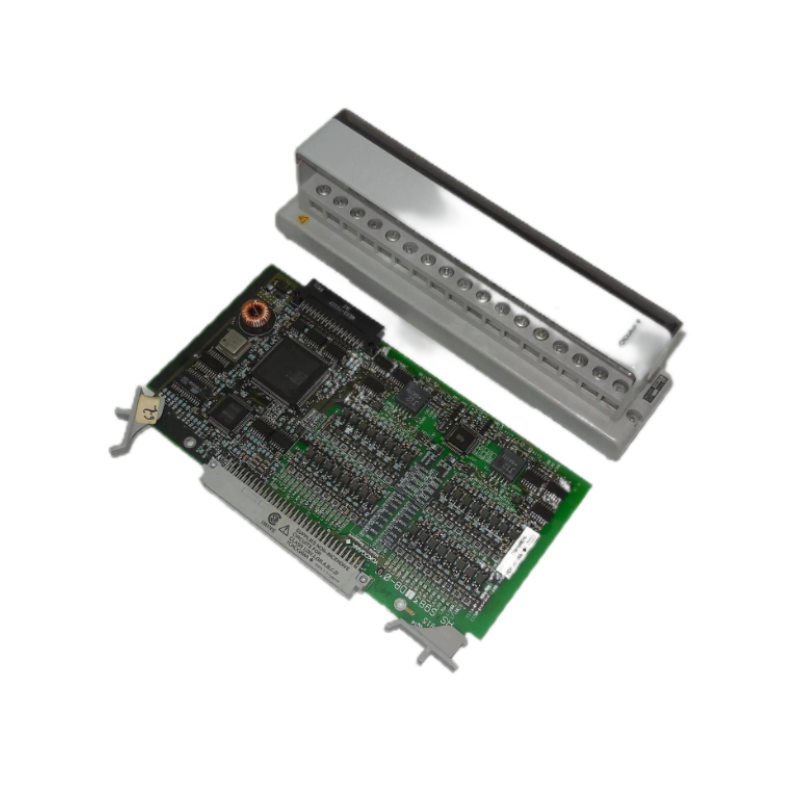
The Yokogawa SB401 Bus Interface Slave Module is a key communication component used in Yokogawa distributed control architectures. It functions as a slave interface within the ESB (Enhanced System Bus) network, enabling stable and synchronized data exchange between field I/O nodes and the central control system.
Designed for continuous industrial operation, the SB401 supports scalable system expansion, allowing multiple I/O modules to be integrated into a unified control environment. Its modular structure and ESB-based communication ensure consistent performance in process automation applications.
Technical Specifications
| Parameter | Specification |
|---|
| Manufacturer | Yokogawa |
| Model | SB401 |
| Product Type | ESB Bus Interface Slave Module |
| System Compatibility | Yokogawa CENTUM / DCS platforms |
| Communication Type | ESB Bus (high-speed industrial control bus) |
| Node Capacity | Up to multiple I/O modules per node configuration |
| Redundancy Support | Supported in dual-module configuration |
| Power Supply | System-dependent (AC or DC configuration) |
| Power Consumption | Approx. 120 W (system configuration dependent) |
| Operating Temperature | 0°C to 60°C |
| Storage Temperature | -20°C to 70°C |
| Dimensions | 130 mm × 142.5 mm × 32.8 mm |
| Weight | Approx. 0.3–0.45 kg |
| Mounting Type | Rack-mounted control system installation |
Applications
The SB401 module is widely used in industrial automation systems requiring reliable distributed control communication:
-
Process control systems in continuous production environments
-
Chemical and petrochemical processing plants
-
Power generation and utility monitoring systems
-
Oil and gas production and refining facilities
-
Water and wastewater treatment systems
-
Large-scale distributed control system (DCS) architectures
-
Industrial I/O expansion and node communication setups
Its architecture supports stable data transfer between field devices and control stations in complex automation environments.
Technical FAQs
1. What is the main function of the SB401 module?
It acts as an ESB bus interface slave, enabling communication between control systems and distributed I/O nodes.
2. Which systems is it compatible with?
It is designed for Yokogawa CENTUM and related DCS platforms using ESB architecture.
3. What does ESB bus mean in this context?
It is a high-speed industrial communication system used for real-time control and I/O data exchange.
4. Can the SB401 be used in redundant configurations?
Yes, it supports dual-module redundancy depending on system design.
5. What is the typical weight of the module?
Approximately 0.3 to 0.45 kg depending on configuration variant.
6. What are the physical dimensions?
Approximately 130 mm × 142.5 mm × 32.8 mm.
7. What type of systems use this module?
It is used in distributed control systems across process industries.
8. Is it suitable for expansion projects?
Yes, it is commonly used for expanding existing DCS I/O capacity.
9. What is the operating temperature range?
0°C to 60°C in standard industrial environments.
10. Why is the SB401 widely used?
Because it provides stable ESB communication, flexible scalability, and reliable integration within Yokogawa control systems.
 A DCS Q Co., Ltd. - PLC and DCS Industrial Control Equipment Wholesale