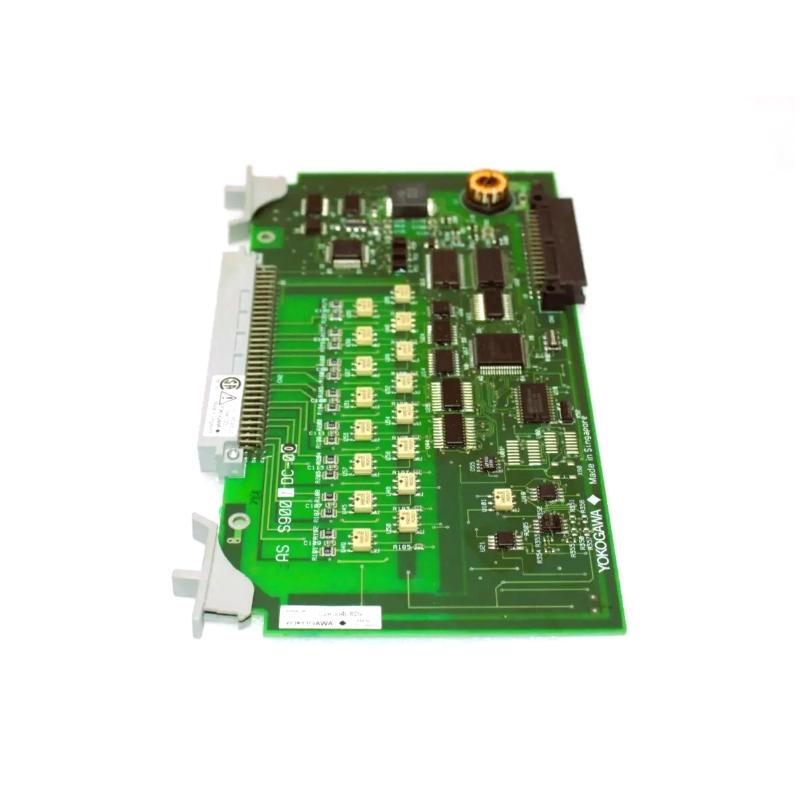
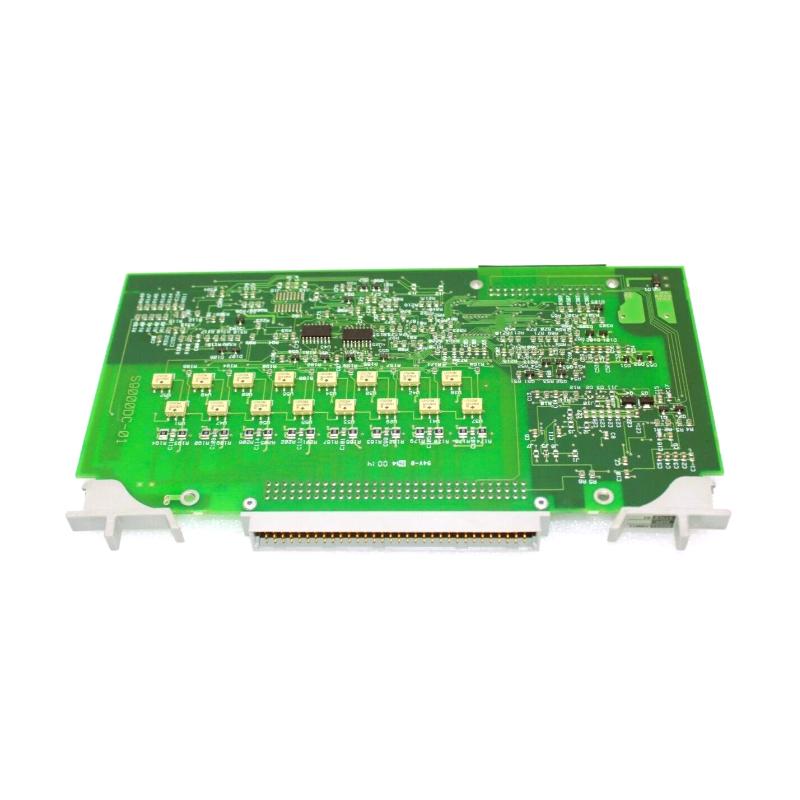
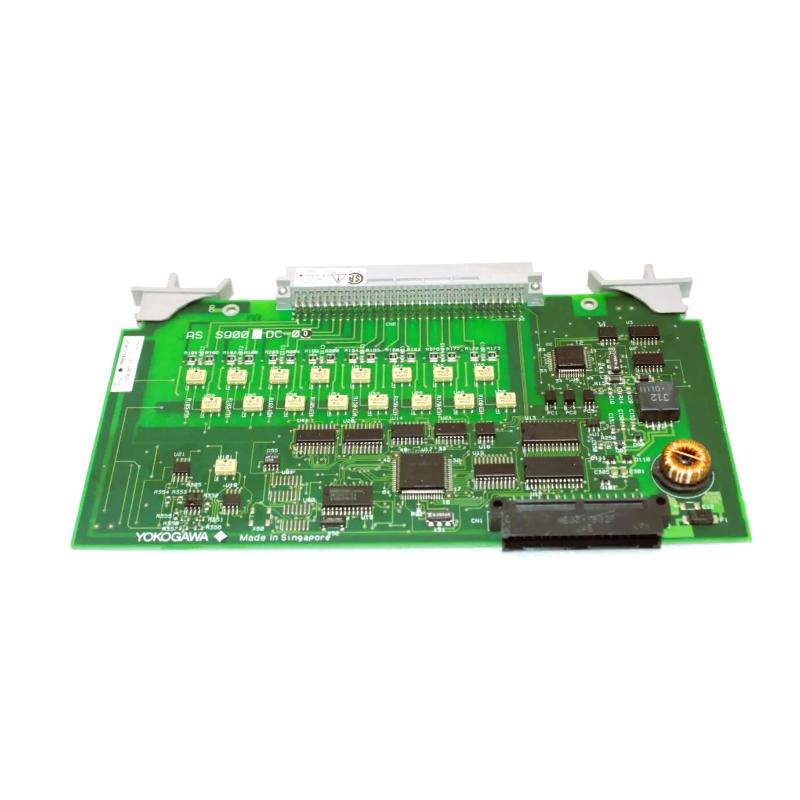
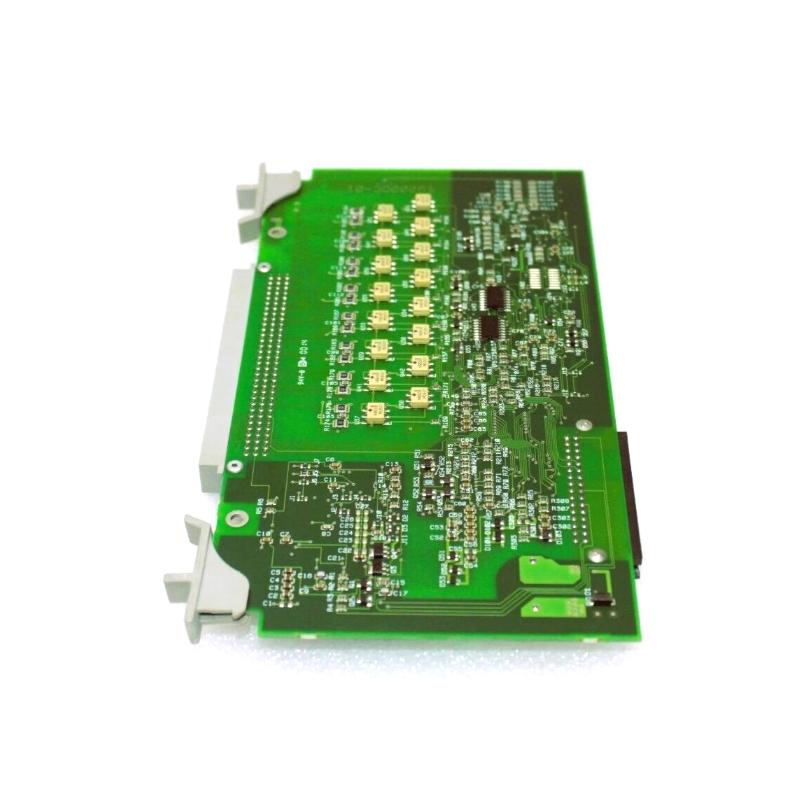
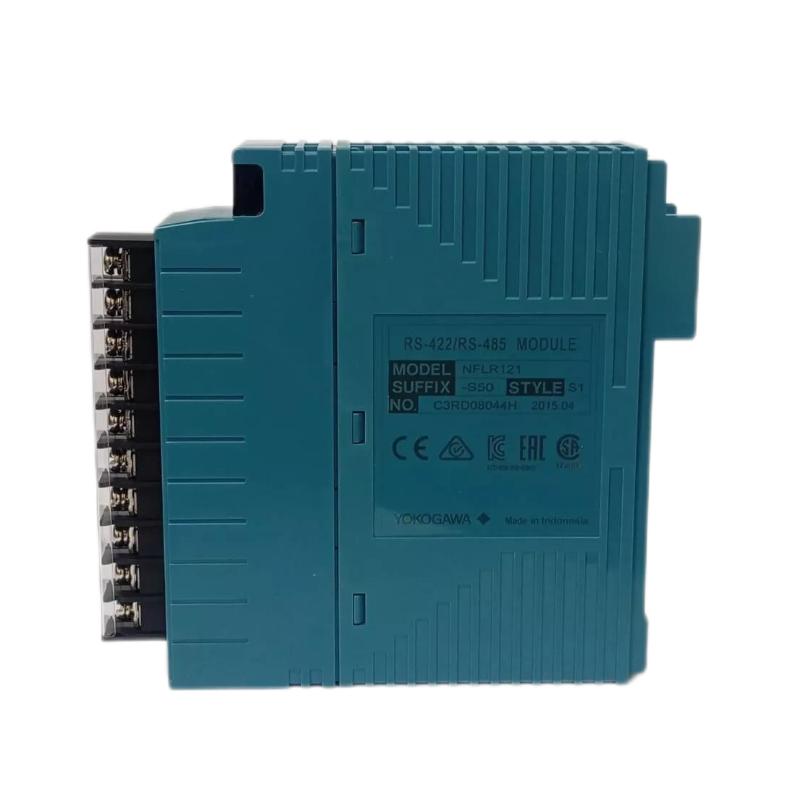
Applications: Centralized Voltage Monitoring for Automation
The AMM12-S3 is well suited to scenarios where multiple voltage signals from field sensors, transmitters, or indicator devices require organized aggregation and transmission to the control system. Typical industries include power generation, chemical processing, refinery operations, municipal utilities, and advanced manufacturing facilities. By grouping voltage inputs, it reduces field wiring costs and simplifies cabinet layout without compromising real-time signal quality.
Advantages: Practical and Performance-Driven
-
Efficient signal multiplexing streamlines I/O architecture by consolidating multiple voltage channels into a single module.
-
High input impedance and isolation maintain signal fidelity and reduce noise influence.
-
Responsive sampling performance supports timely updates for process monitoring and control.
-
Compact and lightweight design optimizes cabinet space and simplifies installation.
-
Rugged industrial construction ensures reliable operation in challenging environments.
This combination of features makes the AMM12-S3 a practical choice for engineers seeking robust signal management without sacrificing precision or scalability.
Technical FAQs: Answers for Field Engineers
1. What range of voltage inputs can the AMM12-S3 handle?
It accepts DC voltage signals in the range of –10 to +10 V.
2. How many input channels does this module support?
The AMM12-S3 supports 12 independent voltage input channels.
3. Does it offer electrical isolation?
Yes — channel-to-bus isolation helps maintain signal integrity and reduce interference.
4. What sampling frequency does it support?
It supports a sampling range roughly between 100 and 200 Hz, depending on system configuration.
5. Is external power required?
No additional external power is required; the module draws power from the system backplane.
6. What environments is it suited for?
It is designed for industrial settings with an operating temperature range from –10 °C to +60 °C.
7. Does it support real-time monitoring?
Yes — its sampling and switching characteristics support near real-time signal acquisition.
8. What mounting method is used?
It installs in a standard rack or chassis within the control system’s I/O cabinet.
9. Can it reduce field wiring complexity?
Yes — multiplexing multiple voltage signals into one module significantly simplifies wiring.
10. Which control systems is it compatible with?
It integrates with Yokogawa DCS platforms such as CENTUM and CS3000, as well as RIO systems.
 A DCS Q Co., Ltd. - PLC and DCS Industrial Control Equipment Wholesale