Industrial Mixed-Signal Control for Compact Automation Architectures
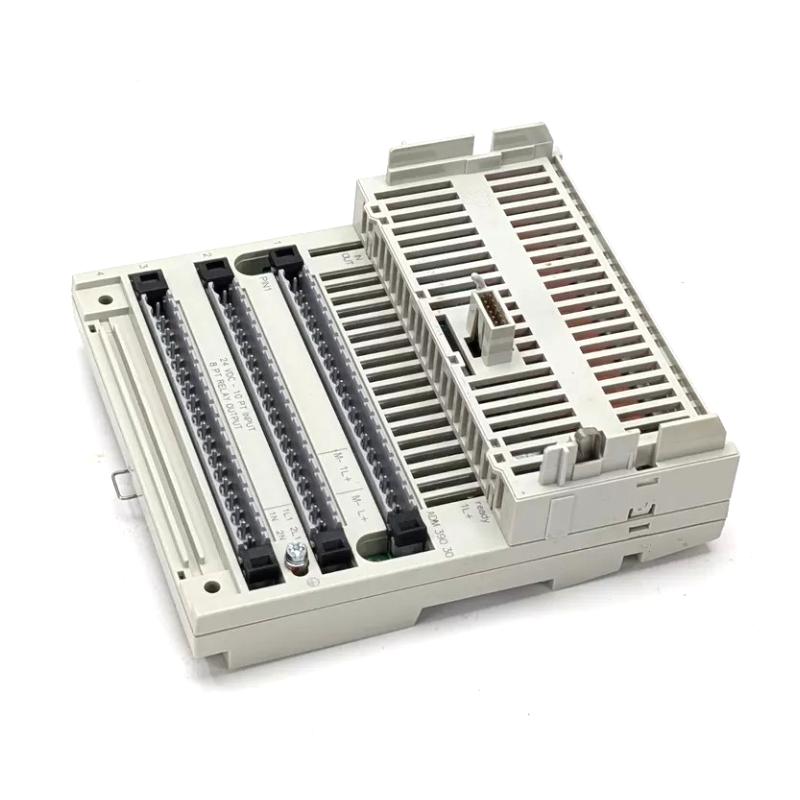
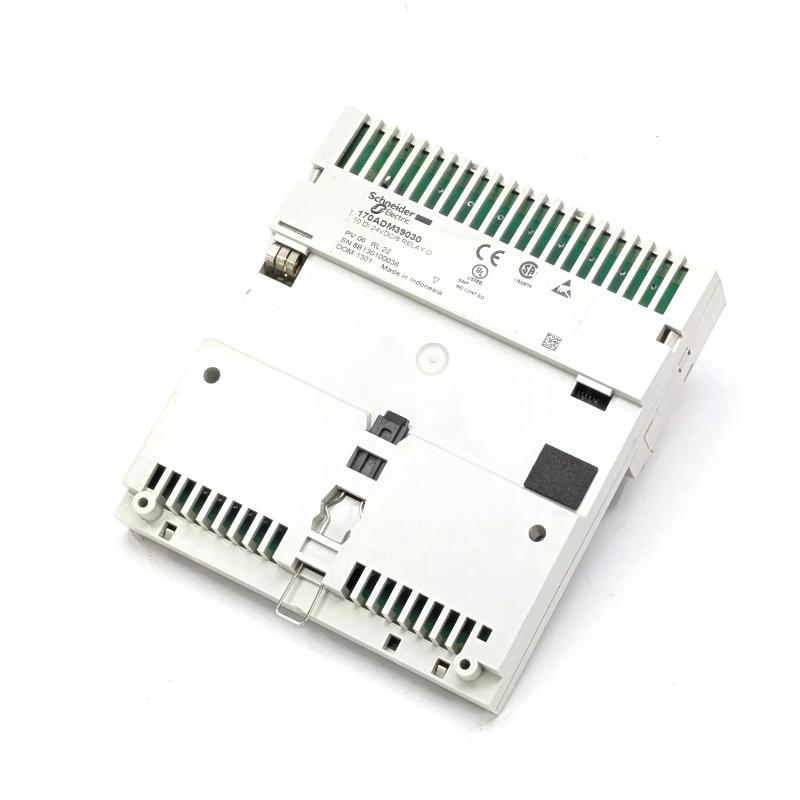
The Schneider Electric 170ADM39030 Discrete I/O Module is designed for Modicon Momentum distributed control systems, offering a combined configuration of digital inputs and relay outputs in a single modular unit. It is widely used in industrial automation environments where flexible I/O handling and reliable field signal processing are required within compact control architectures.
This module is built to simplify system design by integrating both sensing and actuation capabilities, reducing the need for separate I/O modules while maintaining stable performance in continuous industrial operation. Its relay-based output structure and wide input voltage tolerance make it suitable for general-purpose automation and machine-level control applications.
——
Technical Specifications
| Parameter | Specification |
|---|
| Manufacturer | Schneider Electric |
| Model Number | 170ADM39030 |
| Product Type | Discrete Input/Output Module |
| Platform | Modicon Momentum |
| Digital Inputs | 10 points |
| Input Type | IEC 1131-2 Type 1, positive logic |
| Input Voltage Range | 20–115 V AC |
| Digital Outputs | 8 relay outputs (normally open) |
| Output Voltage Range | 20–115 V AC/DC (application dependent) |
| Output Grouping | 2 groups of 4 outputs |
| Rated Supply Voltage | 24 V DC |
| Current Consumption | Approx. 250 mA |
| Isolation | 500 V AC bus-to-field isolation |
| Response Time | Input ~2 ms / Output ~10 ms |
| Mounting Type | Momentum base unit / rack installation |
| Operating Temperature | 0°C to +60°C |
| Storage Temperature | -40°C to +85°C |
Applications in Industrial Systems
The 170ADM39030 module is used in a wide range of automation environments where mixed discrete control is required.
Typical applications include:
-
Industrial machine control systems
-
Packaging and conveyor automation
-
Building and infrastructure automation
-
Water treatment and utility control systems
-
Energy monitoring and distribution systems
-
Material handling equipment
-
Light process automation lines
-
Remote I/O expansion systems
-
General PLC-based control panels
-
Small to medium distributed control systems
Its hybrid structure makes it especially useful in systems where space efficiency and wiring simplification are important.
Key Engineering Advantages
Integrated Input and Relay Output Architecture
Combines 10 digital inputs and 8 relay outputs in a single module, reducing system footprint and simplifying cabinet design.
Wide Input Compatibility
Supports a broad 20–115 V AC input range, allowing direct connection to common industrial field devices.
Relay-Based Output Flexibility
Relay outputs provide electrical isolation and flexible switching for AC or DC loads depending on configuration.
Compact Modular Design
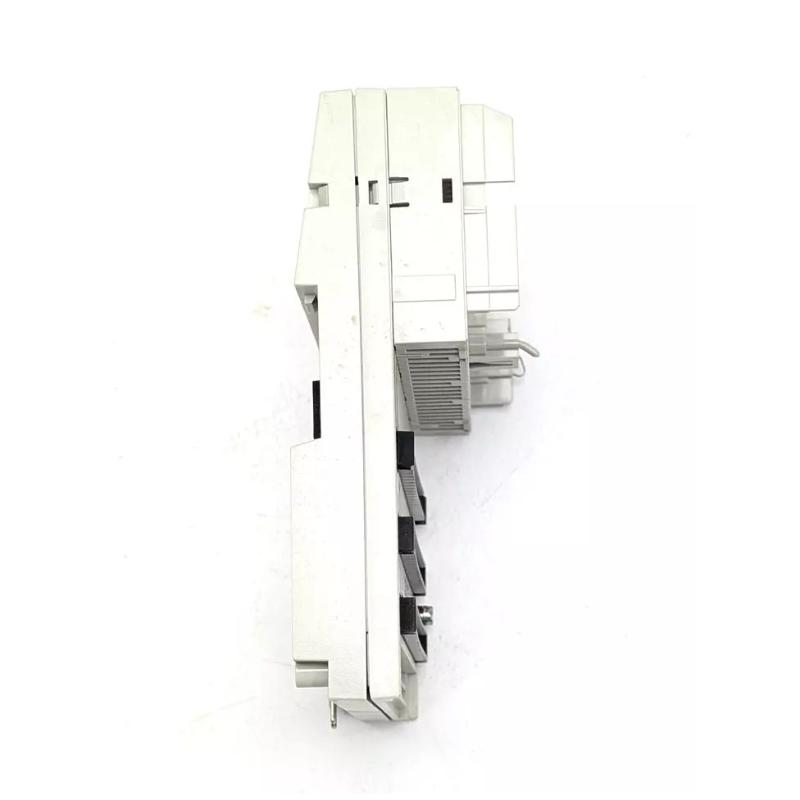
The slim Momentum form factor enables high-density installation in control cabinets.
Stable Industrial Performance
Designed for continuous operation in automation environments with consistent signal handling.
Simplified System Expansion
Easily integrates into existing Modicon Momentum architectures without major system redesign.
Maintenance Efficiency
Clear channel grouping supports faster diagnostics and reduced downtime during servicing.
Technical FAQs
1. What is the main function of the 170ADM39030 module?
It provides combined digital input monitoring and relay output control within Modicon Momentum systems.
2. How many inputs and outputs does it have?
It includes 10 digital inputs and 8 relay outputs.
3. What type of outputs does it use?
It uses normally open relay outputs for switching external loads.
4. What input voltage range is supported?
It supports 20–115 V AC input signals.
5. Is it suitable for industrial environments?
Yes, it is designed for industrial automation applications.
6. What system platform is it used with?
It is used with the Modicon Momentum PLC platform.
7. Does it require external power?
Yes, it operates on a 24 V DC supply.
8. Can it handle both AC and DC loads?
Relay outputs can switch AC or DC loads depending on system design.
9. What is the installation method?
It is installed on a Momentum rack/base unit.
10. What is the main benefit of this module?
It reduces system complexity by combining input and output functions in one compact device.
 A DCS Q Co., Ltd. - PLC and DCS Industrial Control Equipment Wholesale