High-Performance Process Control for Industrial Automation Systems
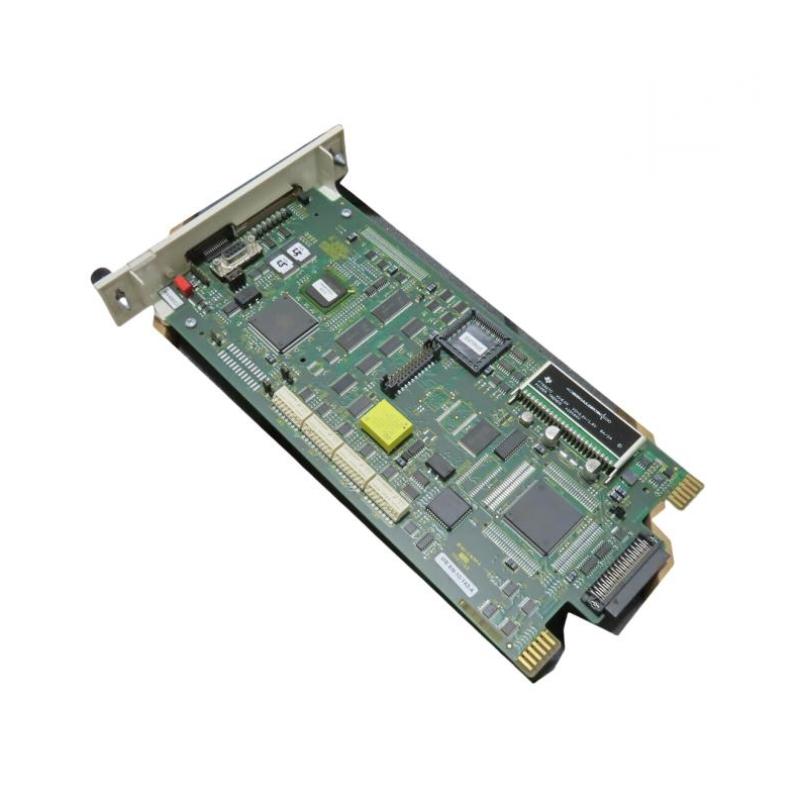
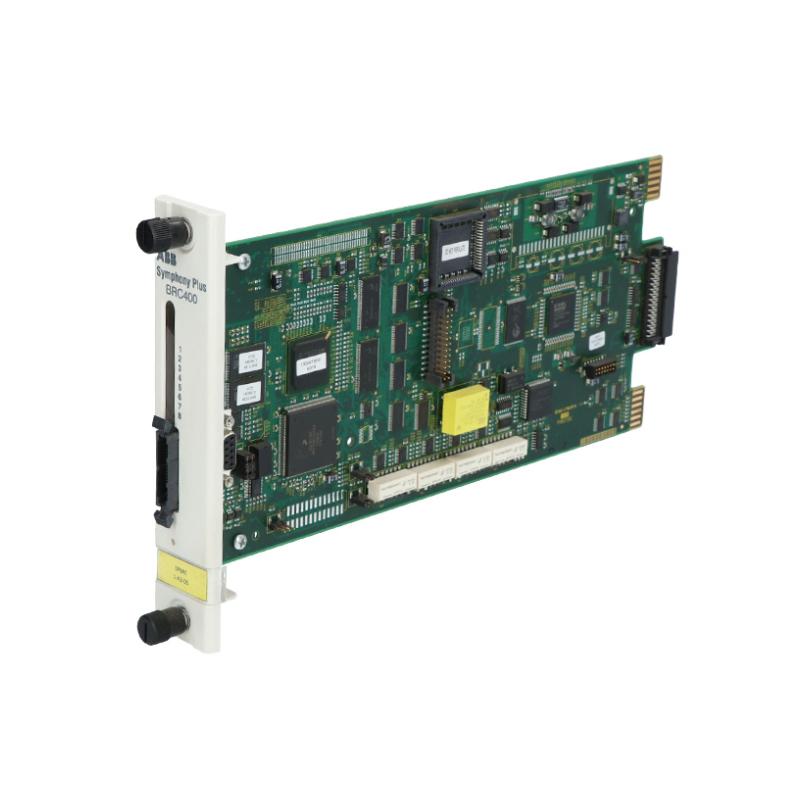
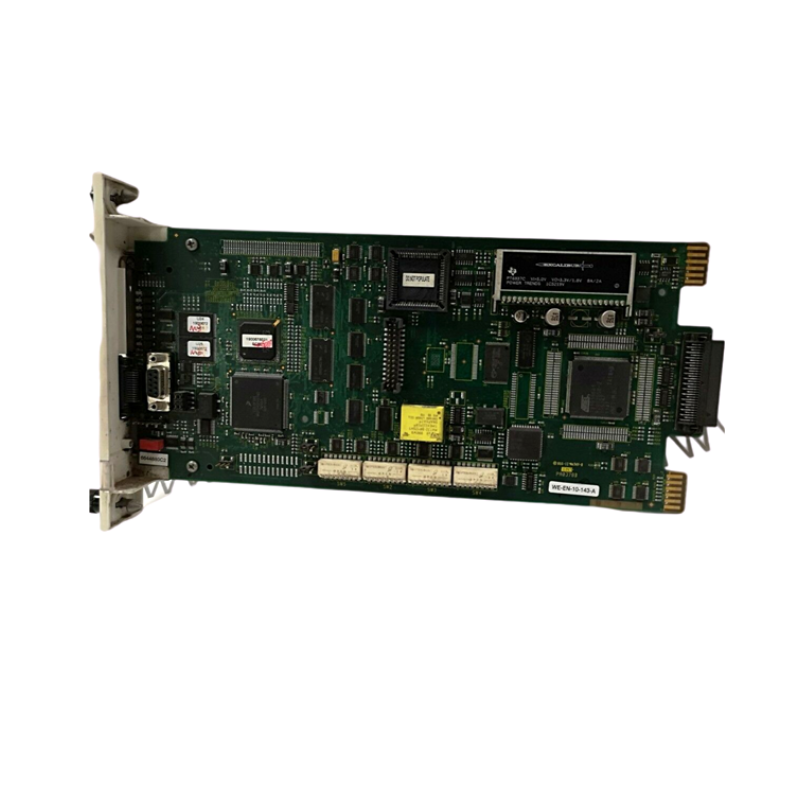
The ABB Bailey SPBRC400 Bridge Controller is designed to deliver advanced process control, communication management, and system coordination within ABB Symphony Plus and INFI 90 automation platforms. As a powerful multifunction controller, the SPBRC400 supports reliable execution of control strategies while helping industrial facilities maintain operational efficiency and process stability.
Developed for complex automation environments, this controller combines expanded memory capacity, flexible system integration, and dependable processing performance. Its compatibility with existing ABB Bailey infrastructures makes it a practical solution for modernization projects, control system upgrades, and long-term plant operation.
Technical Specifications
| Specification | Details |
|---|
| Manufacturer | ABB Bailey |
| Model Number | SPBRC400 |
| Product Type | Bridge Controller |
| Platform Compatibility | ABB Symphony Plus, Harmony Rack, INFI 90 |
| Controller Function | Process Control and System Communication |
| Processor Architecture | High-Performance Industrial Controller |
| Memory Type | Expanded Memory Configuration |
| Communication Capability | Supports Distributed Control Network Integration |
| Installation Method | Rack Mount |
| Operating Temperature | 0°C to +70°C |
| Relative Humidity | 5% to 95% Non-Condensing |
| System Application | Distributed Control Systems (DCS) |
| Diagnostic Functions | Integrated Status Monitoring |
| Power Input | Industrial Control System Power Architecture |
Typical Applications
The SPBRC400 Bridge Controller is widely used in industrial environments where centralized process management, communication coordination, and real-time control are essential.
Common application areas include:
- Power generation facilities
- Oil and gas production systems
- Chemical processing plants
- Water and wastewater treatment operations
- Mining and mineral processing industries
- Pharmaceutical manufacturing
- Pulp and paper production facilities
- Energy management systems
- Industrial process automation networks
- Large-scale distributed control systems
Its processing capabilities support continuous monitoring, control execution, and communication management across complex automation architectures.
Operational Advantages
Advanced Process Control Capability
The SPBRC400 supports efficient execution of control strategies across multiple industrial applications.
Expanded Memory Architecture
Enhanced memory capacity helps accommodate complex control logic and larger operational datasets.
Reliable System Integration
Compatibility with ABB Bailey and Symphony Plus platforms simplifies migration, upgrades, and system expansion projects.
Stable Communication Performance
The controller supports dependable communication between distributed automation components and networked devices.
Industrial-Grade Reliability
Designed for continuous operation, the module delivers consistent performance in demanding industrial environments.
Efficient Modernization Path
Facilities operating legacy INFI 90 infrastructures can integrate the SPBRC400 while preserving existing system investments.
Compact Rack-Mounted Design
Its streamlined construction supports efficient cabinet utilization without compromising functionality.
Technical FAQs
1. What is the primary function of the SPBRC400 Bridge Controller?
It manages process control execution, system communication, and coordination of automation functions within ABB control architectures.
2. Which ABB platforms support the SPBRC400?
The controller is commonly used within ABB Symphony Plus, Harmony Rack, and INFI 90 systems.
3. Does the SPBRC400 support system modernization projects?
Yes. It is frequently deployed during automation upgrades and migration programs involving legacy ABB Bailey installations.
4. What advantages does expanded memory provide?
Expanded memory supports larger control applications, increased data handling capacity, and improved operational flexibility.
5. Is the controller suitable for distributed control systems?
Yes. It is specifically designed for use within distributed process automation environments.
6. Can the SPBRC400 communicate with networked automation devices?
The controller supports communication functions that enable coordination across industrial control networks.
7. What industries commonly use this controller?
Power generation, chemical processing, oil and gas, manufacturing, water treatment, and energy industries are common application sectors.
8. Does the controller include diagnostic functionality?
Integrated monitoring capabilities help operators evaluate controller status and system conditions.
9. Is the SPBRC400 designed for continuous operation?
Yes. It is engineered for long-term industrial process control applications.
10. How does the SPBRC400 contribute to operational efficiency?
Reliable control execution, stable communication, and flexible integration help improve overall process visibility and system performance.
 A DCS Q Co., Ltd. - PLC and DCS Industrial Control Equipment Wholesale