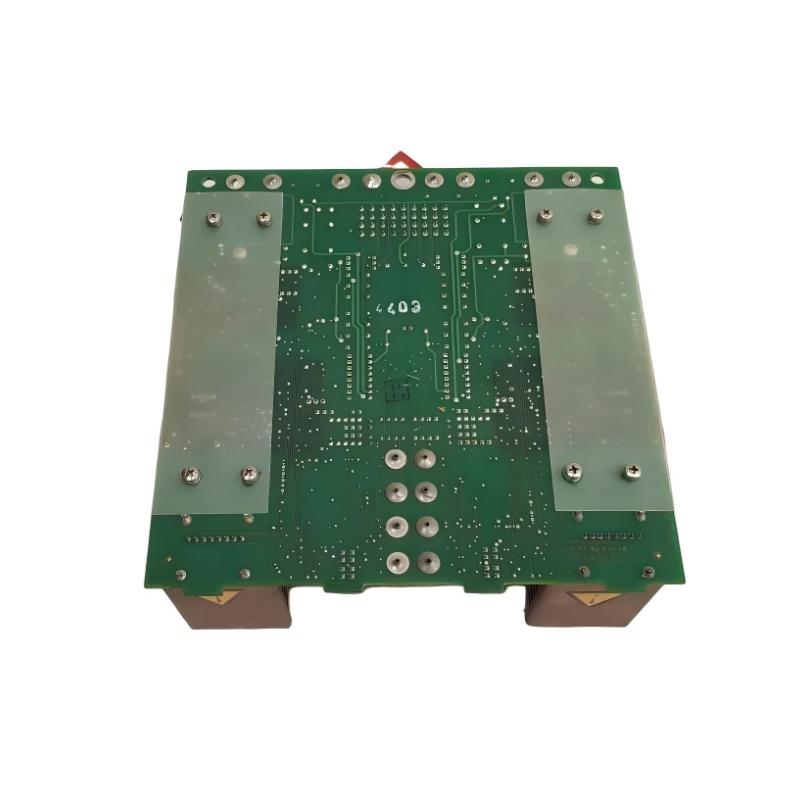
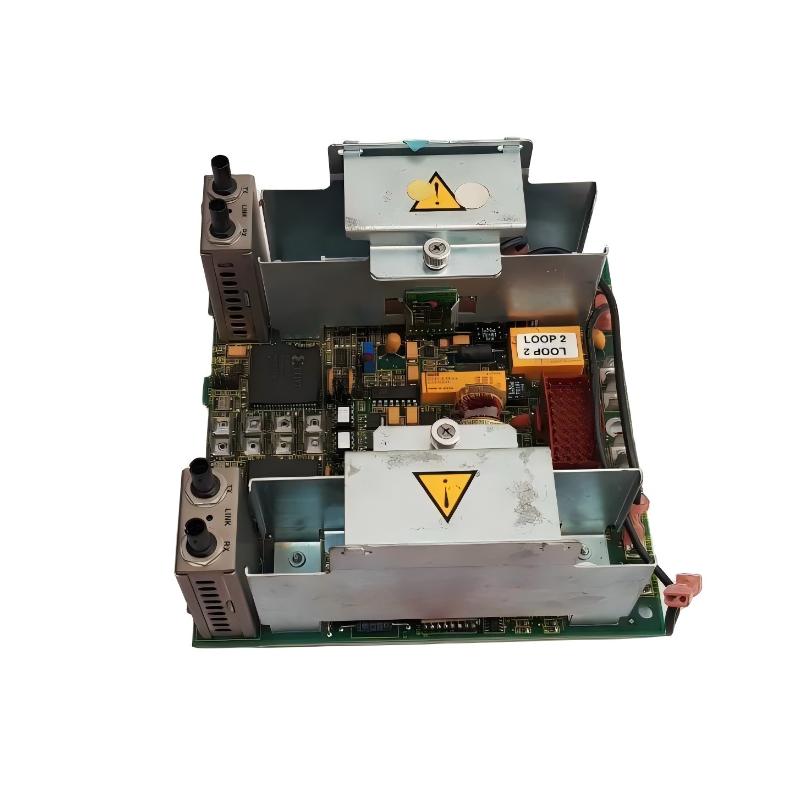
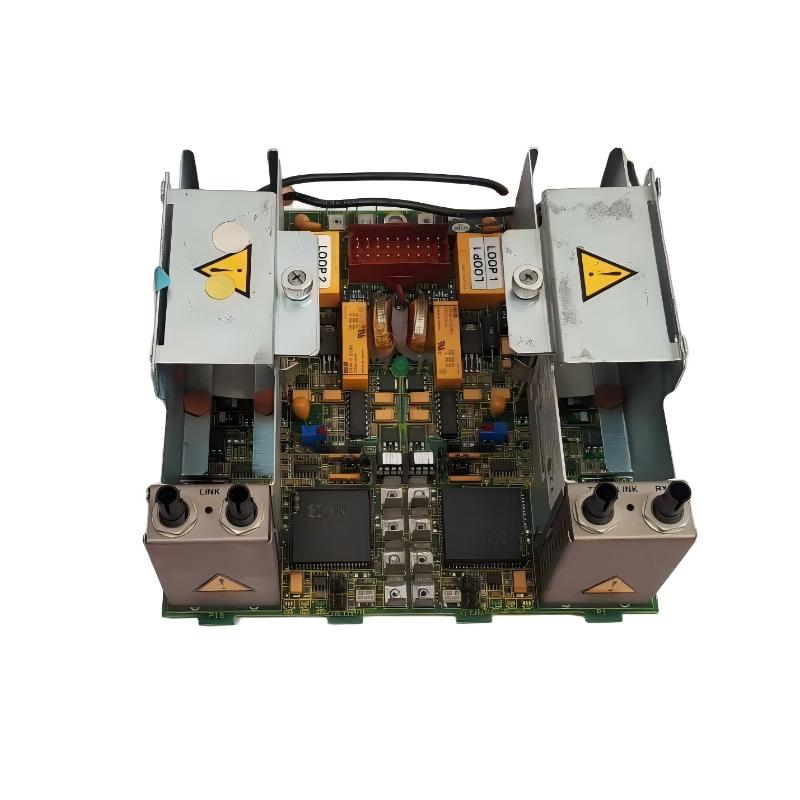
Control System Interface Overview
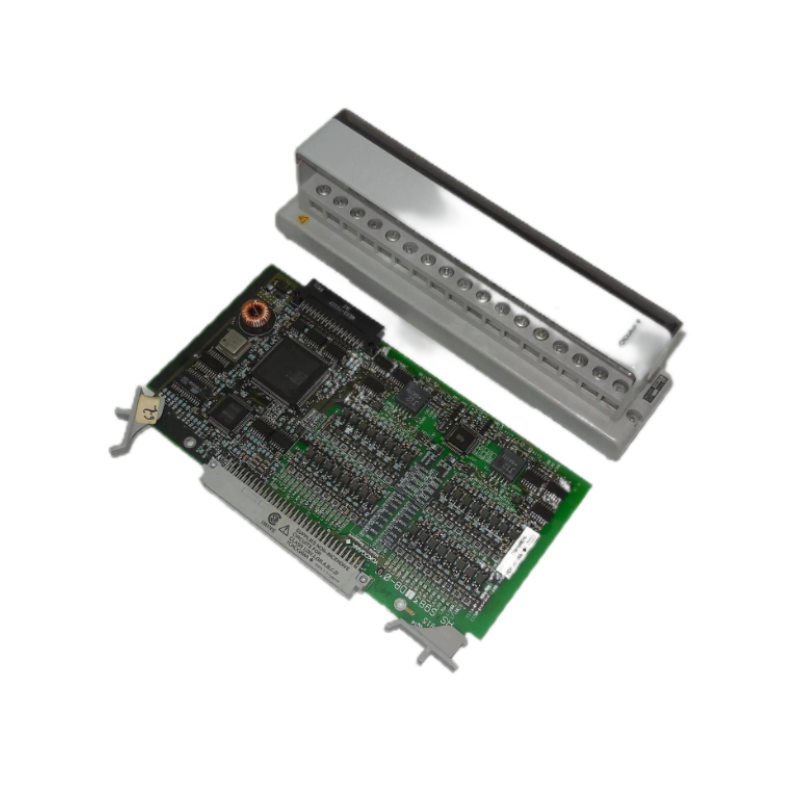
The ABB Bailey NTCF21 Module Terminal Unit is designed to provide secure and organized field wiring connections within ABB Bailey distributed control system environments. Engineered for industrial automation applications, this terminal unit supports reliable signal termination and efficient module integration for process control systems requiring long-term operational stability.
With its durable construction and compatibility with ABB Bailey control architectures, the NTCF21 helps simplify installation, maintenance, and signal management across complex industrial operations. Its compact design and dependable connectivity make it a practical solution for both system expansion projects and replacement applications.
The module terminal unit is commonly selected by industrial facilities seeking consistent performance, streamlined cabinet organization, and dependable field device connectivity in mission-critical automation systems.
Technical Data & Physical Specifications
| Parameter | Details |
|---|
| Brand | ABB Bailey |
| Model Number | NTCF21 |
| Module Type | Terminal Unit |
| System Compatibility | ABB Bailey INFI 90 Systems |
| Primary Function | Field Signal Termination |
| Mounting Method | Panel / Cabinet Mounted |
| Connection Type | Industrial Terminal Connections |
| Application Environment | Distributed Control Systems |
| Material Construction | Industrial-Grade Assembly |
| Signal Interface | Control Module Interface Support |
| Operating Environment | Industrial Automation Cabinets |
| Cooling Method | Passive Cooling |
| Dimensions | Approx. 310 x 185 x 85 mm |
| Weight | Approx. 2.4 kg |
Industrial Application Areas
The ABB Bailey NTCF21 Module Terminal Unit is widely utilized in industrial sectors that require stable signal management and dependable process control integration, including:
- Power generation facilities
- Petrochemical processing plants
- Oil and gas automation systems
- Water treatment operations
- Pulp and paper manufacturing
- Industrial utility management
- Continuous process production environments
Its reliable terminal configuration helps improve wiring organization while supporting efficient communication between field devices and automation modules.
Core Product Advantages
- Stable and secure industrial signal termination
- Designed for demanding automation environments
- Simplifies cabinet wiring and maintenance procedures
- Compatible with ABB Bailey distributed control systems
- Durable construction for long-term operational reliability
- Supports organized field device integration
- Compact layout for efficient cabinet utilization
- Suitable for modernization and replacement projects
The NTCF21 terminal unit is engineered to support reliable process automation performance while reducing installation complexity in industrial control systems.
Technical FAQs
1. What is the primary purpose of the ABB Bailey NTCF21?
The NTCF21 is used for field signal termination and interface connections within ABB Bailey automation systems.
2. Which systems support the NTCF21 terminal unit?
It is commonly integrated into ABB Bailey INFI 90 distributed control system environments.
3. Is the NTCF21 designed for industrial applications?
Yes, the module is engineered specifically for industrial automation and process control installations.
4. Can this terminal unit simplify maintenance work?
Yes, its organized terminal layout helps improve accessibility during system maintenance and troubleshooting.
5. What industries commonly use the NTCF21?
Industries such as energy, manufacturing, water treatment, and petrochemical processing frequently use this module.
6. Does the NTCF21 support long-term operation?
Yes, the unit is designed for continuous industrial operation under demanding conditions.
7. Is the module suitable for system upgrades?
Yes, it is often selected for replacement and modernization projects involving ABB Bailey systems.
8. What installation method does the terminal unit use?
The module is typically mounted within industrial control cabinets or panels.
9. Does the NTCF21 require active cooling?
No, the module generally operates using passive cabinet ventilation.
10. Why is the NTCF21 valued in process automation systems?
Its dependable connectivity and organized signal termination support stable and efficient industrial control performance.
 A DCS Q Co., Ltd. - PLC and DCS Industrial Control Equipment Wholesale