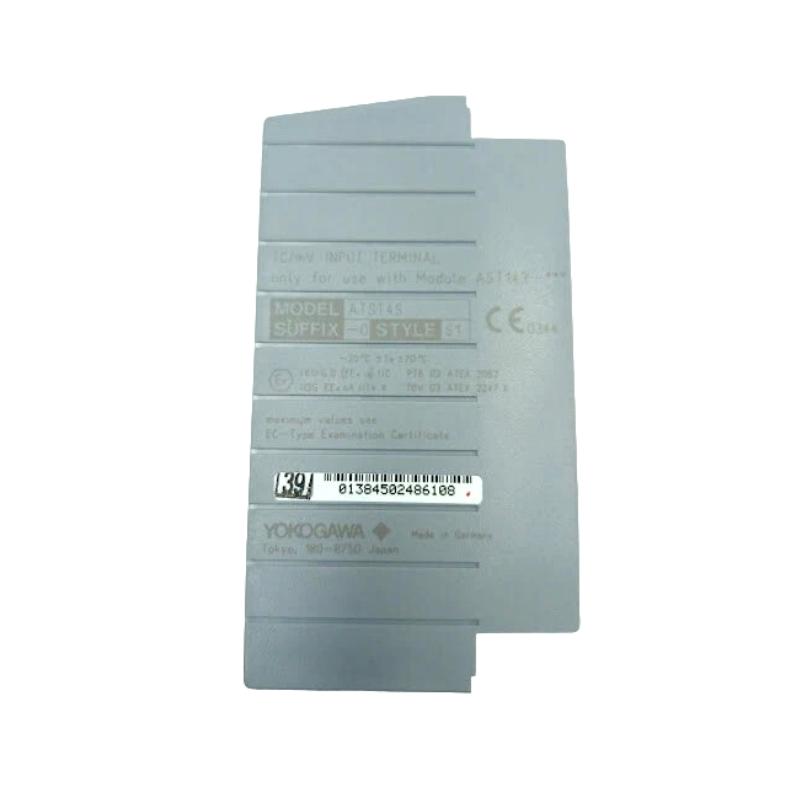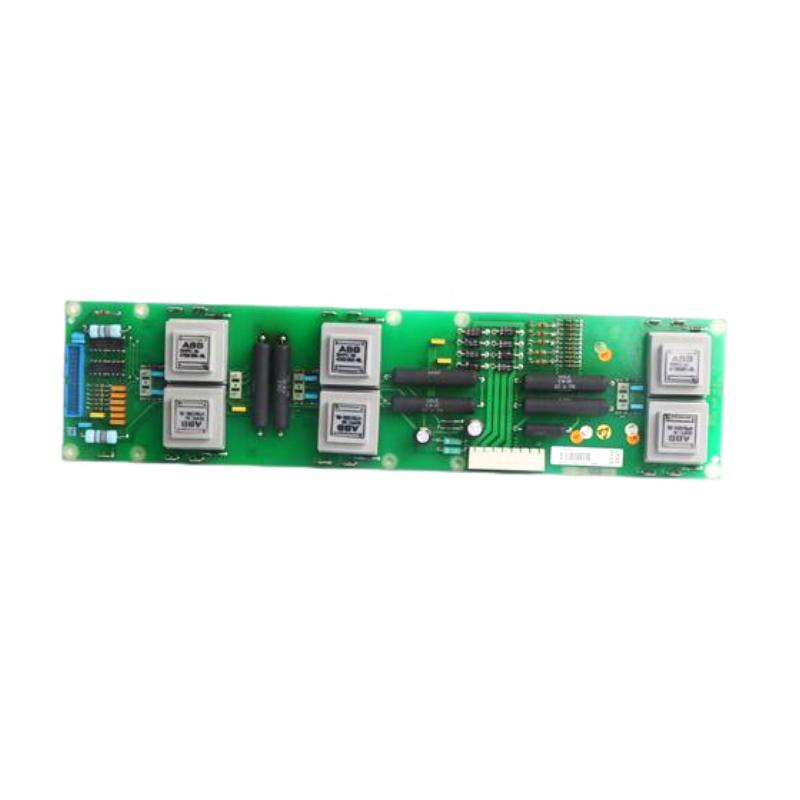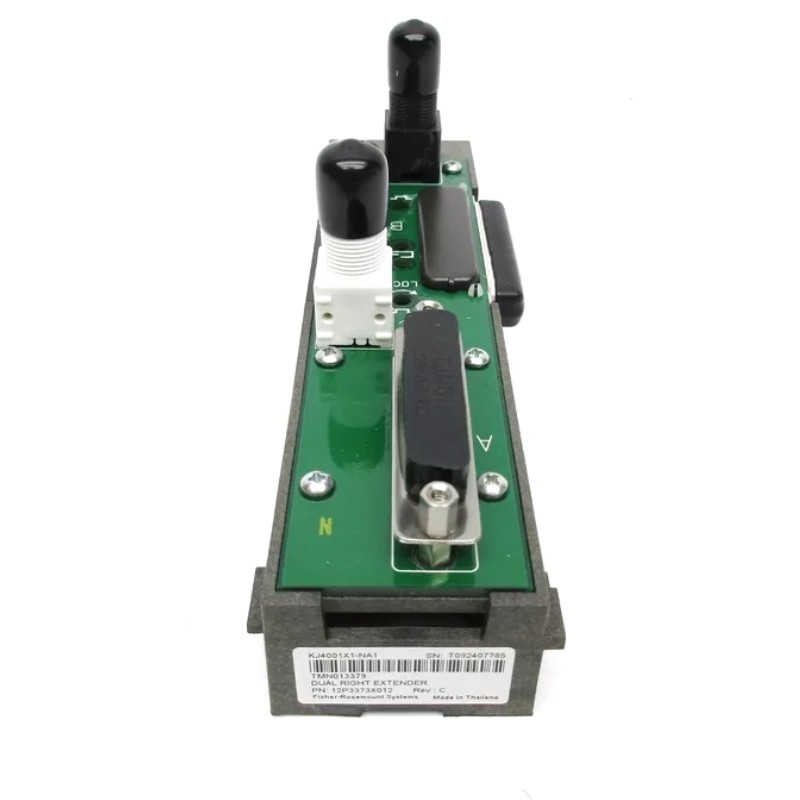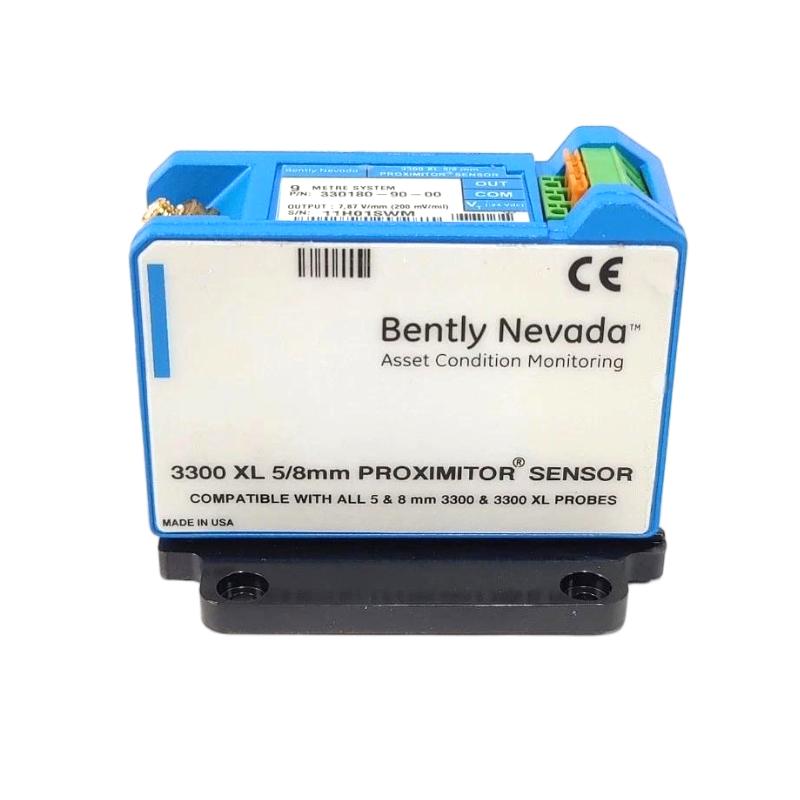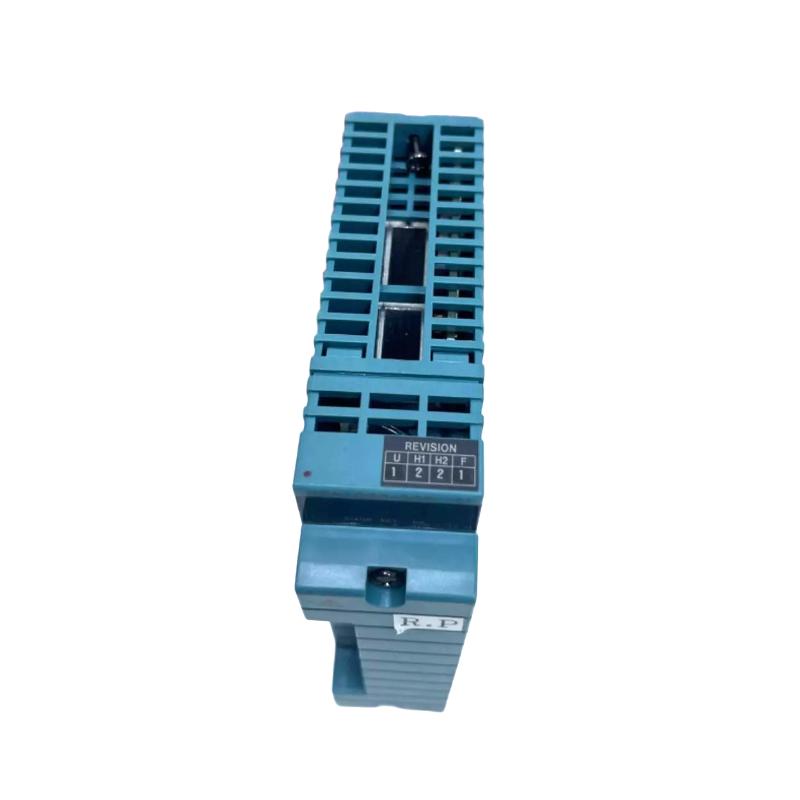
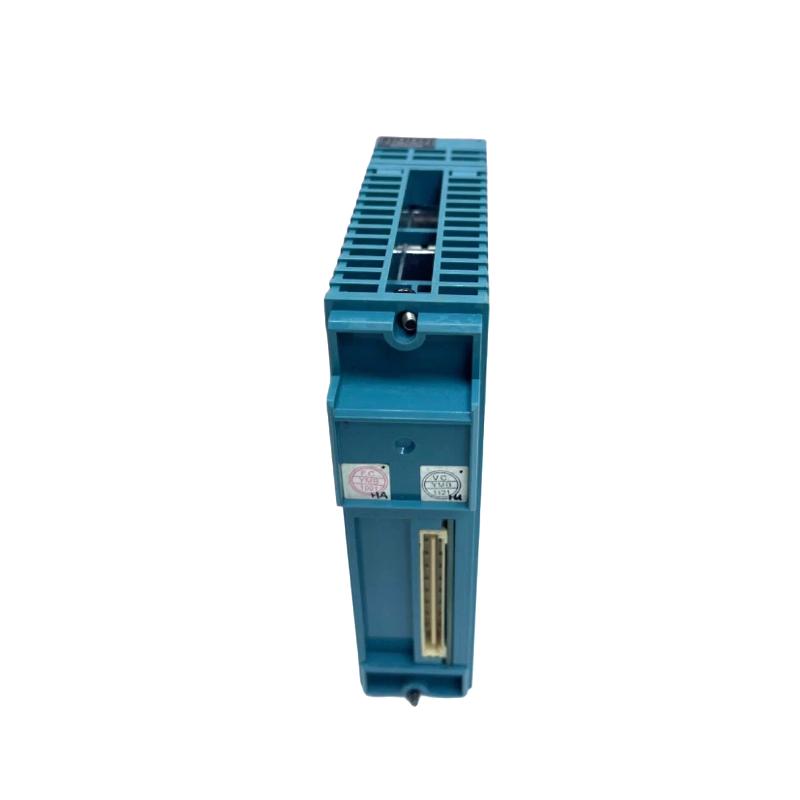
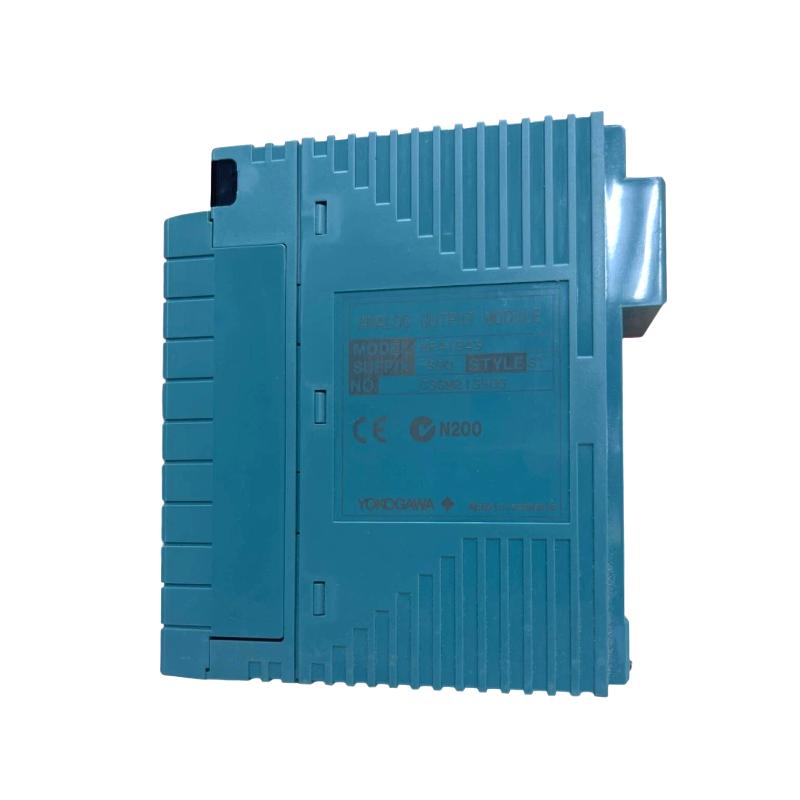
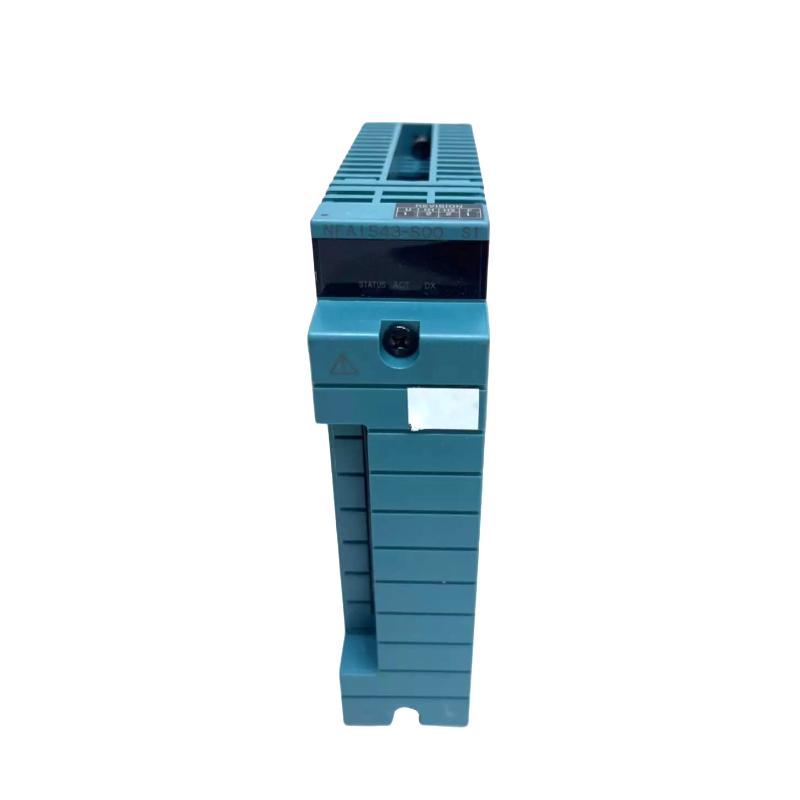
High-Density Precision Output Module for Advanced Process Control
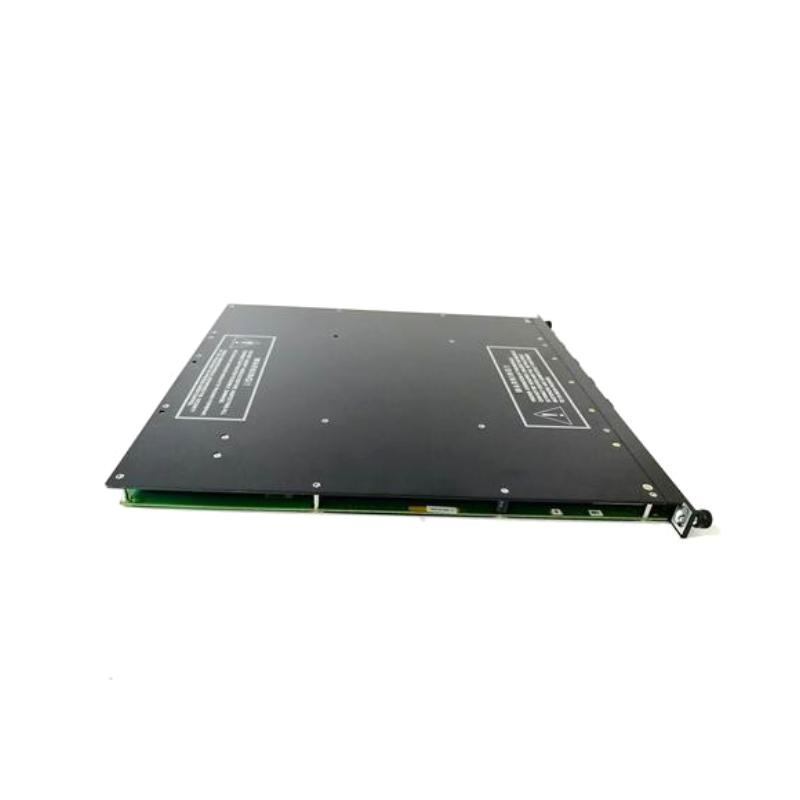
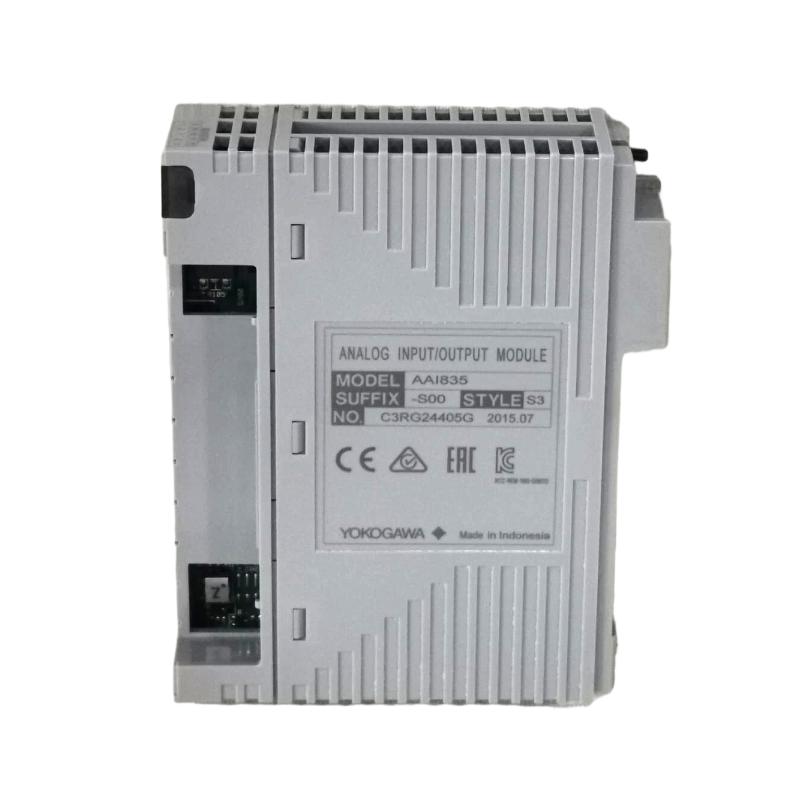
The Yokogawa NFAI543-H50 S1 Analog Output Module is a high-performance multi-channel output unit designed for Yokogawa CENTUM VP and related distributed control systems. It is engineered to deliver accurate and stable 4–20 mA analog signals to field devices such as control valves, actuators, and variable speed drives.
With its S1 revision design, this module emphasizes improved system compatibility, stable redundancy behavior, and reliable long-term operation in demanding industrial automation environments.
Technical Specifications
| Parameter | Specification |
|---|
| Product Type | Analog Output Module |
| Model | NFAI543-H50 S1 |
| System Compatibility | Yokogawa CENTUM VP / CS 3000 / FIO systems |
| Output Channels | 16 channels (isolated) |
| Output Signal | 4–20 mA DC |
| Communication | HART support (depending on configuration) |
| Load Resistance | 0 – 750 Ω |
| Isolation | Channel-to-channel & channel-to-system isolation |
| Accuracy | Typically ±0.1% of full scale (variant dependent) |
| Data Update Time | ~10 ms |
| Power Consumption | ~5 W class (system backplane powered) |
| Operating Temperature | -20°C to +60°C / up to +70°C (variant dependent) |
| Storage Temperature | -40°C to +70°C |
| Humidity Range | 5% to 95% non-condensing |
| Weight | ~0.3 – 0.4 kg |
| Dimensions | Approx. 107.5 × 32.8 × 130 mm |
Industrial Applications
This module is widely deployed in industries requiring precise analog control of field devices:
-
Oil & gas refining and production control systems
-
Petrochemical and chemical processing plants
-
Power generation and turbine control systems
-
Water treatment and utility automation
-
Pharmaceutical and fine chemical production
Its stable current output ensures smooth actuator response, improving overall process efficiency and control accuracy.
Engineering Advantages
The NFAI543-H50 S1 is designed to deliver reliable performance in mission-critical control environments. It combines high channel density with strong electrical isolation, making it suitable for complex automation systems.
Key advantages include:
-
16-channel high-density output design for efficient cabinet space usage
-
Fully isolated outputs to reduce electrical noise and interference
-
Stable 4–20 mA signal generation for precise actuator control
-
S1 architecture compatibility for modern Yokogawa system integration
-
Industrial-grade durability for continuous 24/7 operation
-
Redundancy-ready system design for improved availability in critical processes
These features make it a strong choice for engineers designing scalable and high-reliability DCS architectures.
Technical FAQs
1. What is the main function of this module?
It generates analog 4–20 mA signals to control field devices such as valves and actuators.
2. How many output channels does it provide?
It provides 16 isolated analog output channels.
3. What systems is it compatible with?
Yokogawa CENTUM VP, CS 3000, and FIO-based architectures.
4. Does it support HART communication?
Yes, depending on configuration, it supports HART-enabled field devices.
5. What is the output signal type?
Standard 4–20 mA current loop output.
6. Is each channel isolated?
Yes, both channel-to-channel and system isolation are provided.
7. What is the typical update speed?
Around 10 ms data refresh cycle.
8. What industries commonly use it?
Oil & gas, chemical, power generation, and manufacturing industries.
9. Is it suitable for harsh environments?
Yes, it is designed for industrial temperature and humidity ranges.
10. Why is analog output important in DCS systems?
It ensures smooth, continuous control of process variables like flow, pressure, and level.
 A DCS Q Co., Ltd. - PLC and DCS Industrial Control Equipment Wholesale