Reliable Safety Infrastructure for High-Integrity Control Systems
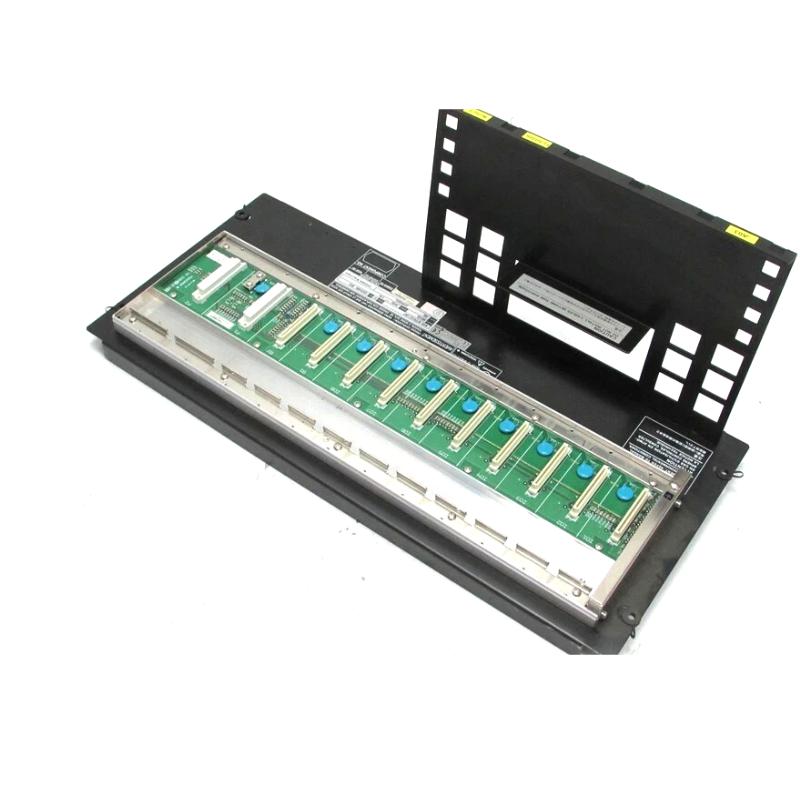
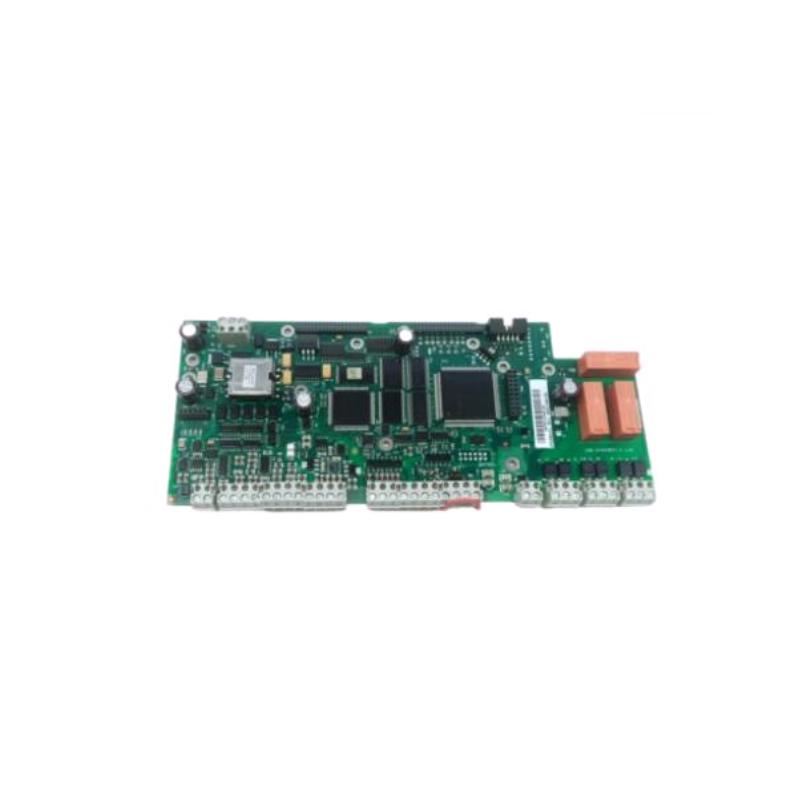
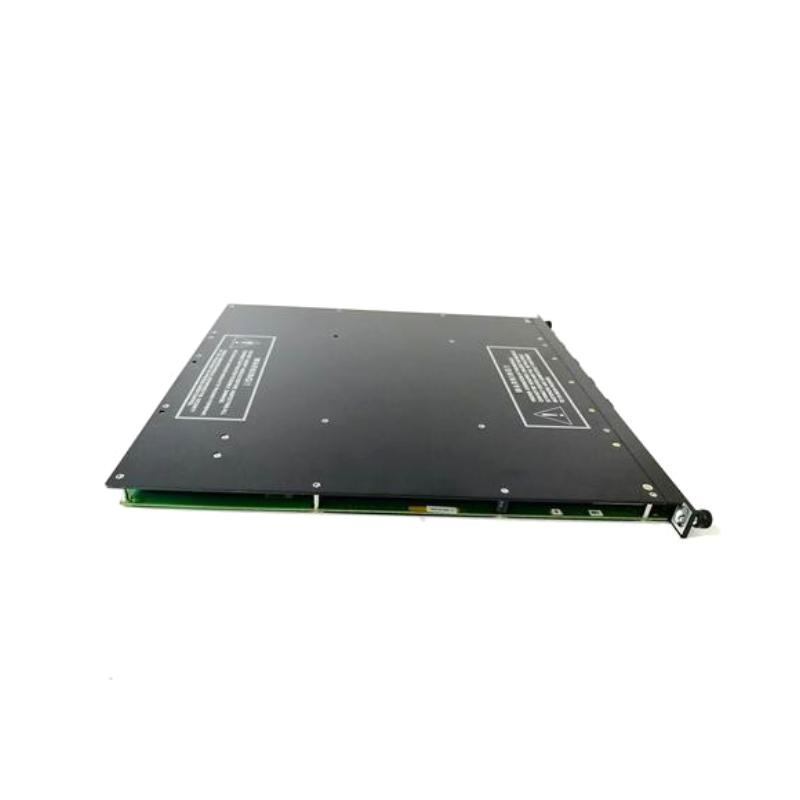
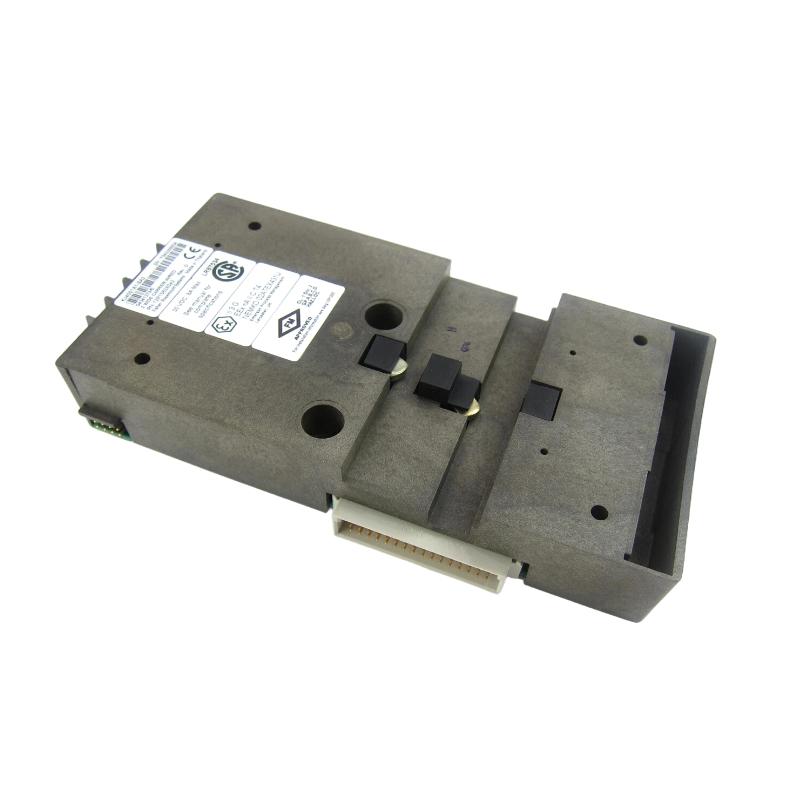
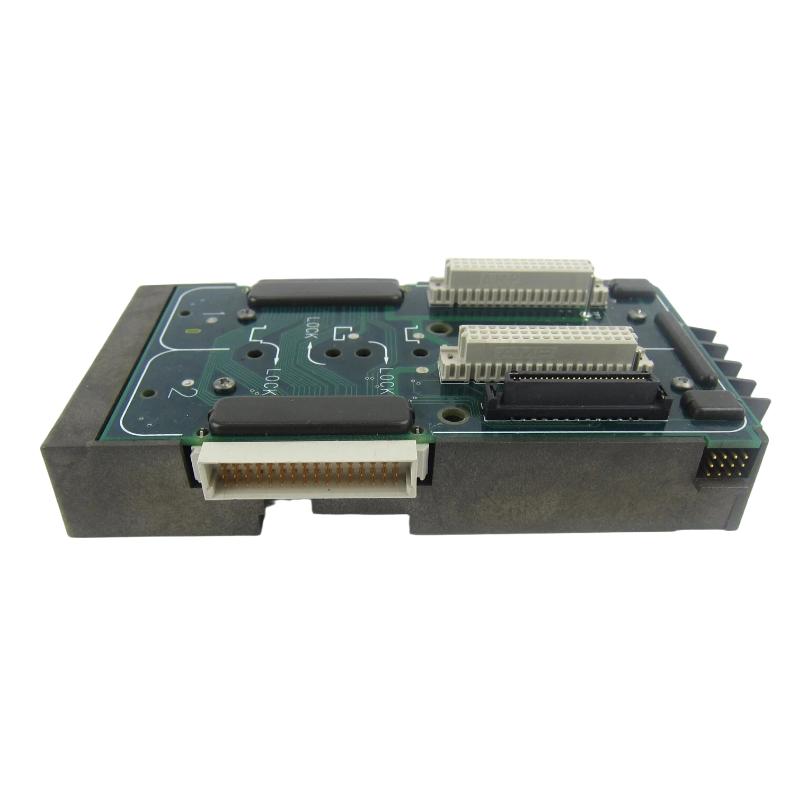
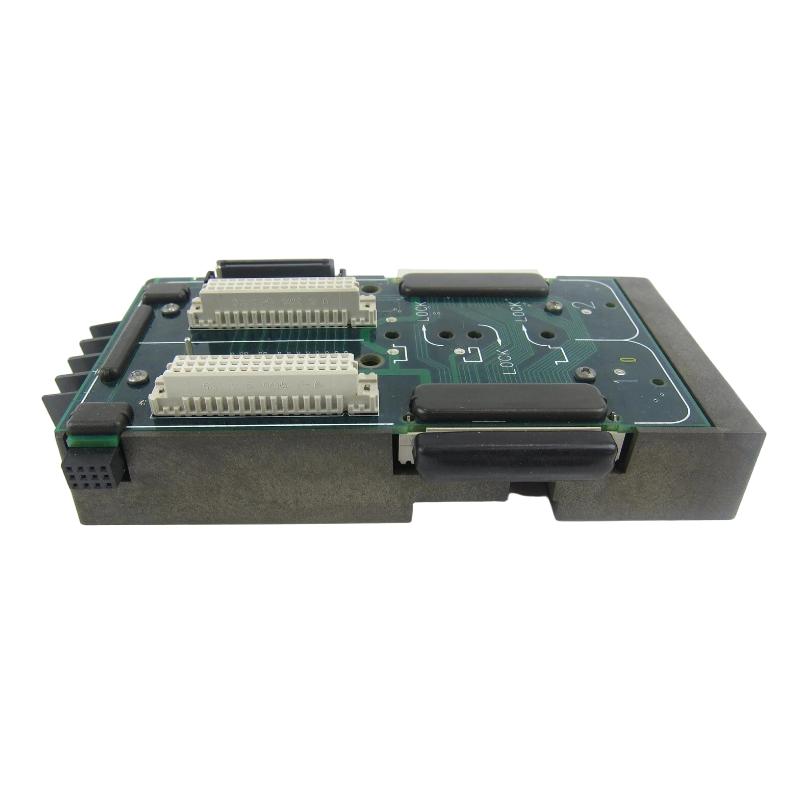
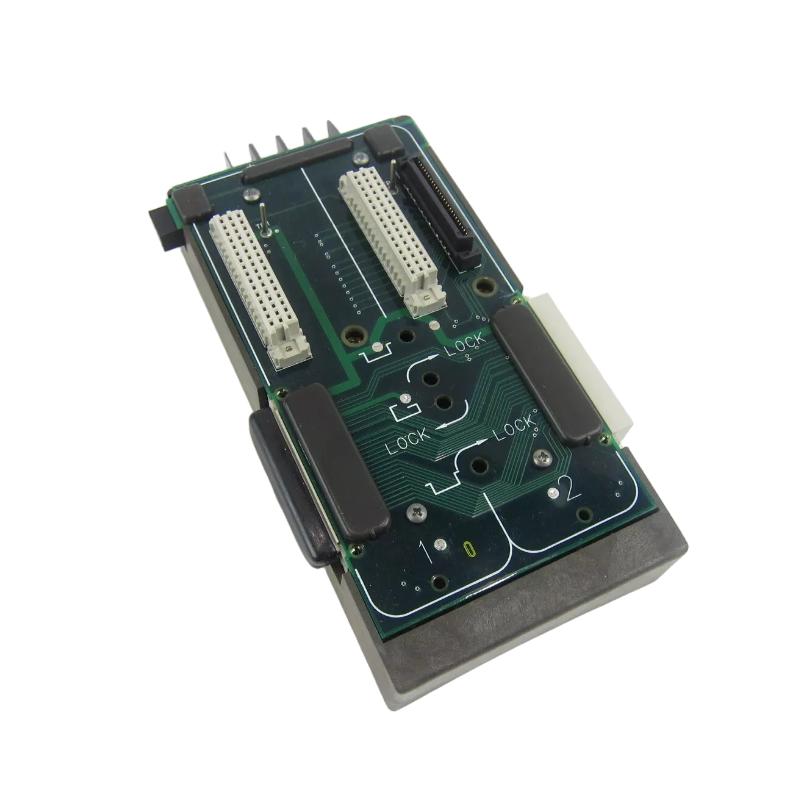
The Emerson VE3051C4 2-Wide Horizontal SIS Controller Carrier is designed for Safety Instrumented System (SIS) architectures within the DeltaV™ platform, providing a stable mechanical and electrical foundation for controller integration in critical automation environments.
Built for fault-tolerant operation, this carrier supports redundant communication pathways and enhanced system connectivity, helping ensure consistent performance in safety-focused applications where reliability and structured system design are essential.
This model is commonly selected in modern SIS deployments where engineers need predictable behavior, modular expansion capability, and robust system-level integrity.
Technical Specifications
| Parameter | Details |
|---|
| Product Type | 2-Wide Horizontal SIS Controller Carrier |
| Model | VE3051C4 |
| System Compatibility | Emerson DeltaV SIS / M-series horizontal architecture |
| Configuration | Dual-module carrier (controller + power interface support) |
| Extender Support | Single enhanced extender cable |
| Communication Support | Redundant SISNet coaxial communication |
| Mounting Type | T-type DIN rail horizontal installation |
| Redundancy Capability | Supported via system architecture |
| Operating Temperature | -40°C to +70°C |
| Storage Temperature | -40°C to +85°C |
| Humidity Range | 5% to 95% non-condensing |
| Mechanical Design | Industrial-grade reinforced carrier housing |
| Dimensions (HxWxD) | Approx. 90 × 229 × 100 mm |
| Weight | Approx. 0.5 – 0.9 kg |
Where It Is Commonly Used
The VE3051C4 is widely deployed in safety-critical industrial environments where system integrity and fault isolation are essential:
-
Oil & gas production and refining systems
-
Petrochemical and chemical processing plants
-
Power generation and turbine protection systems
-
High-integrity batch and continuous process control
-
Industrial safety shutdown (ESD) architectures
Its SIS-oriented design ensures it can support environments where operational continuity and controlled response behavior are key priorities.
Engineering Value and System Benefits
The VE3051C4 carrier is not just a mounting platform—it is a structural enabler for safe and deterministic control system behavior. By supporting redundant SISNet communication and enhanced extender architecture, it helps maintain stable data flow between controllers and system backplanes.
Key advantages include:
-
Improved system integrity through redundant communication design
-
Simplified installation with modular horizontal carrier layout
-
Reduced wiring complexity using integrated carrier-based interconnections
-
Enhanced system scalability for expanding SIS architectures
-
Robust industrial design for vibration, thermal, and electrical resilience
This combination makes it a practical foundation component for engineers designing safety-focused automation systems.
Technical FAQs
1. What is the main function of the VE3051C4 carrier?
It provides structural and electrical support for SIS controllers within DeltaV safety systems.
2. Does it support redundancy?
Yes, it is designed to support redundant SISNet communication architecture.
3. What type of systems is it used in?
It is used in Safety Instrumented Systems (SIS) within industrial automation environments.
4. What communication features does it support?
It supports redundant SISNet coaxial communication paths.
5. How many modules does it support?
It is a 2-wide carrier designed for paired module configurations.
6. What type of installation is required?
Horizontal mounting on a T-type DIN rail system.
7. Is it suitable for harsh environments?
Yes, it is designed for industrial temperature and vibration conditions.
8. Does it require external wiring between modules?
Minimal external wiring is needed due to integrated carrier connections.
9. Can it be used in non-SIS systems?
It is primarily intended for SIS architectures but depends on system design.
10. What is the benefit of enhanced extender support?
It improves flexibility in system layout and inter-rack connectivity.
 A DCS Q Co., Ltd. - PLC and DCS Industrial Control Equipment Wholesale