Introduction
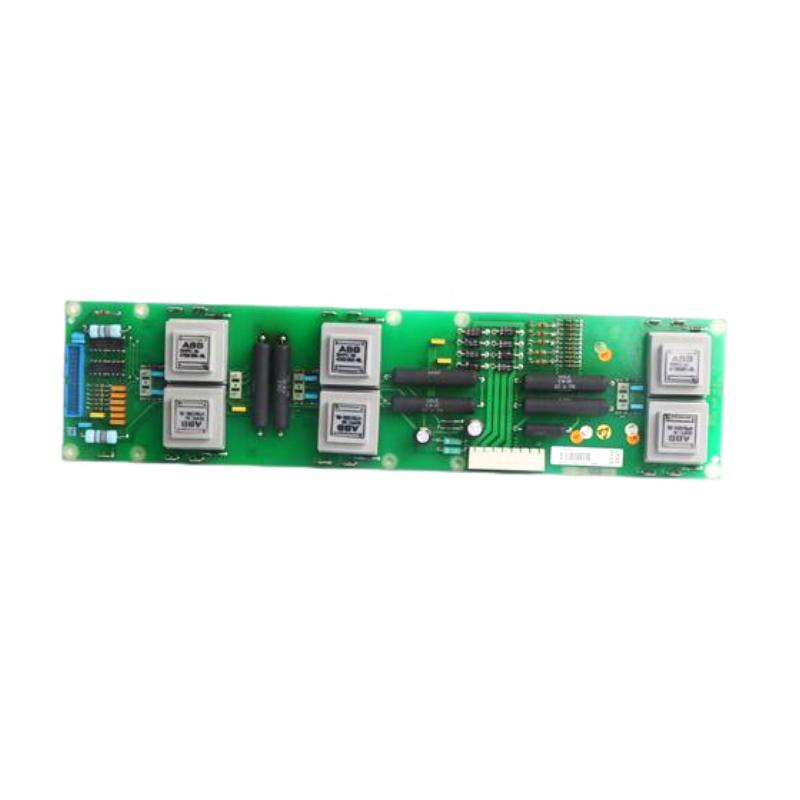
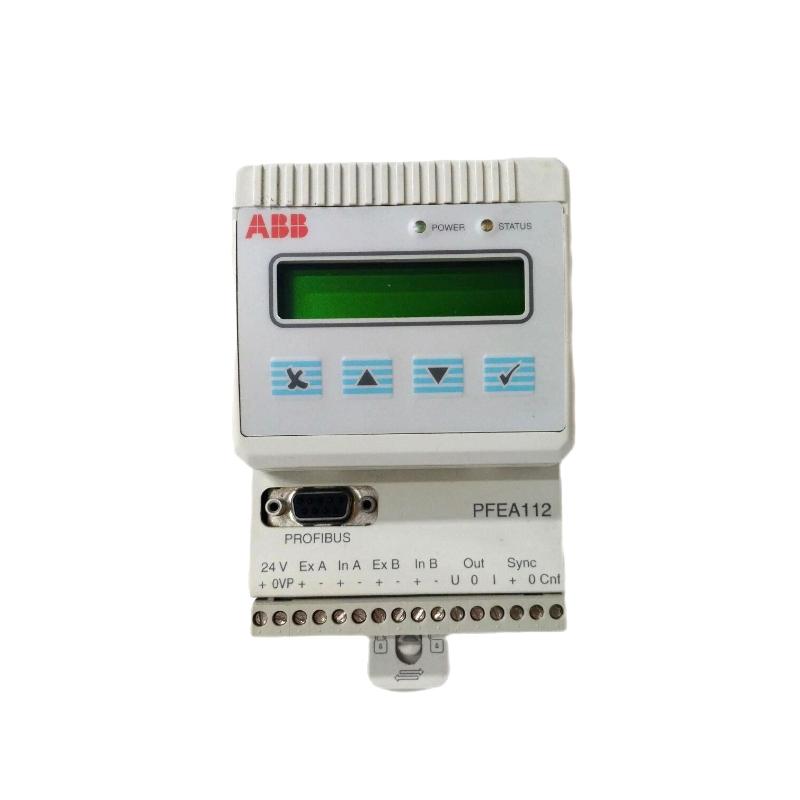
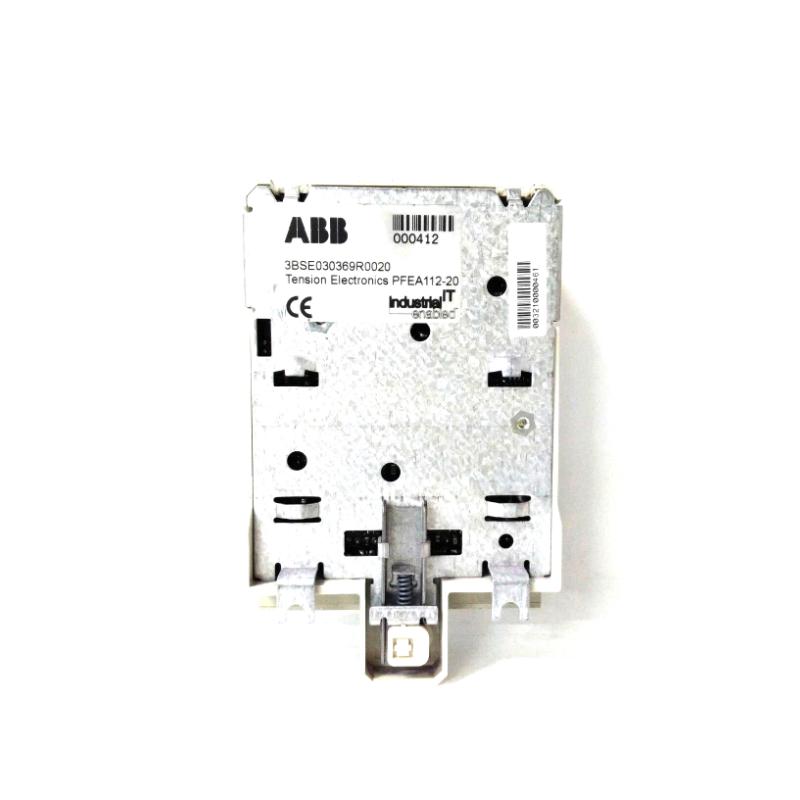
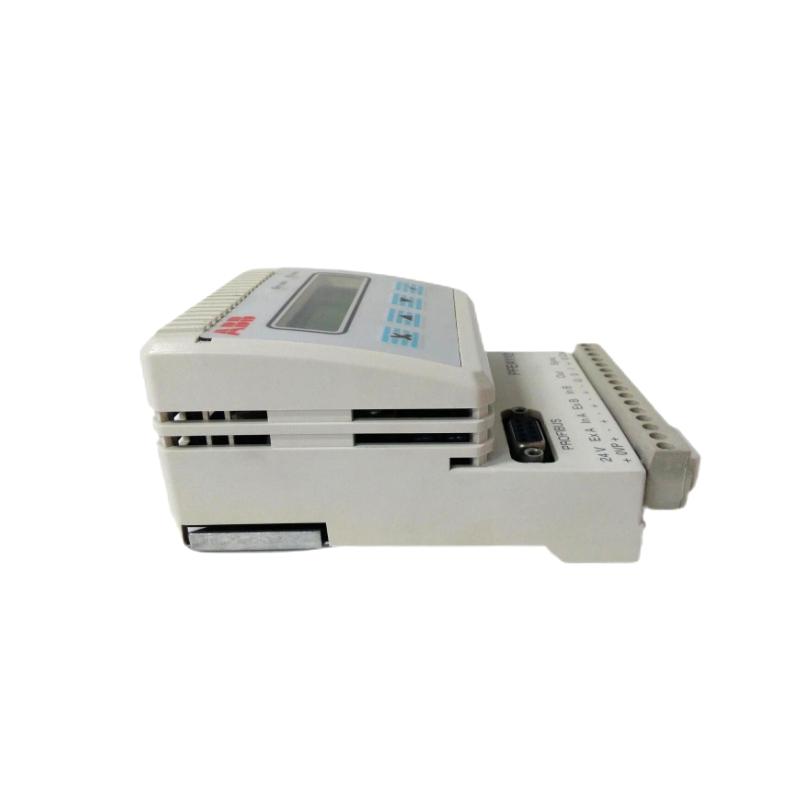
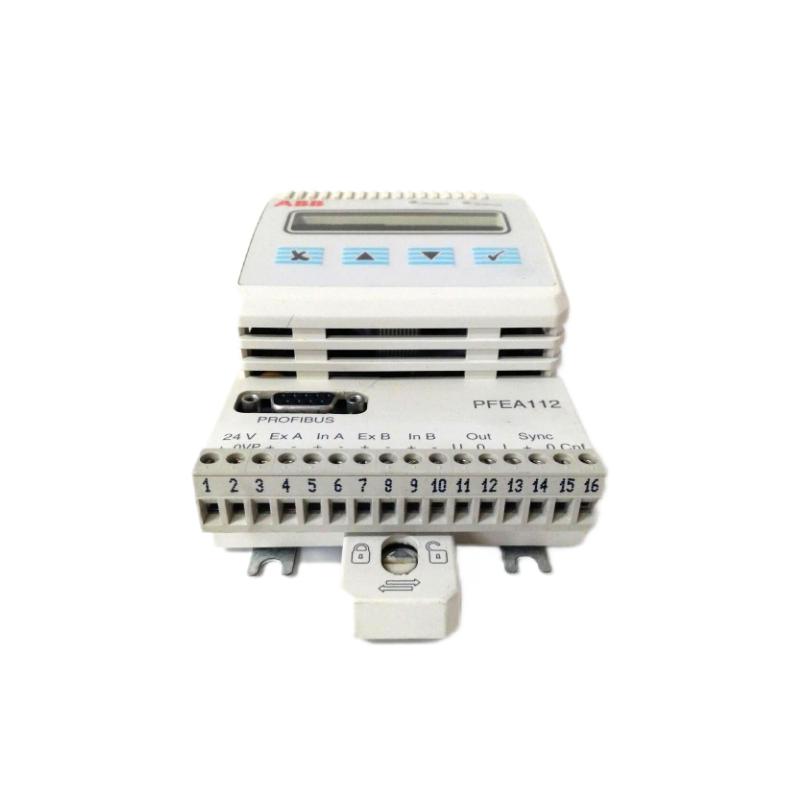
The ABB PFEA112-20 (3BSE030369R0020) Tension Electronic Control Module is a high-precision tension control unit developed for advanced web handling systems. Designed to work seamlessly with load cells, it processes real-time tension signals and delivers stable control outputs to maintain consistent material tension across industrial production lines.
As an evolution of the PFEA111 series, this module integrates enhanced communication capabilities—particularly PROFIBUS DP—making it ideal for modern automation environments that demand both accuracy and system connectivity. It is widely trusted in industries where even slight tension deviations can impact product quality and operational efficiency.
Technical Specifications
| Parameter | Details |
|---|
| Model | PFEA112-20 |
| Part Number | 3BSE030369R0020 |
| Manufacturer | ABB |
| Module Type | Tension Electronic Control Module |
| Input Channels | 2 load cell inputs (A & B) |
| Input Signal Type | Load cell / tension sensor signals |
| Output Signals | 0–10 V / 4–20 mA (A, B, A+B, A–B) |
| Communication Protocol | PROFIBUS-DP |
| Input Voltage | 100–240 V AC |
| Output Supply | 24 V DC regulated |
| Output Current | Up to 80 A (system dependent) |
| Signal Processing | Filtering, amplification, correction |
| Operating Temperature | -25°C to +60°C |
| Dimensions | 240 × 190 × 110 mm |
| Weight | Approx. 4.2 kg |
Applications
The PFEA112-20 is specifically designed for continuous material processing industries where precise tension control is critical:
-
Steel and aluminum strip processing lines
-
Paper and pulp production systems
-
Film, foil, and packaging lines
-
Printing and coating machinery
-
Wire, cable, and textile manufacturing
By maintaining stable tension during winding, unwinding, or processing, it helps prevent defects such as wrinkles, misalignment, or material breakage.
Advantages
The PFEA112-20 delivers a well-balanced combination of precision, flexibility, and integration capability. Its dual-channel input design allows it to calculate summed or differential tension values, enabling advanced control strategies in complex systems.
A major advantage is its real-time signal processing capability, which continuously reads load cell data, filters noise, and outputs stable control signals to actuators such as brakes or motors. This ensures smooth operation even under changing roll diameters or production speeds.
The integration of PROFIBUS-DP communication enables seamless connectivity with PLCs and DCS platforms, supporting remote monitoring, diagnostics, and centralized control. Additionally, its user-friendly interface allows operators to easily adjust parameters and monitor system performance.
Overall, it enhances production consistency, reduces material waste, and improves overall line efficiency—making it a valuable component in high-performance tension control systems.
Technical FAQs
1. What is the main function of the PFEA112-20 module?
It measures and controls material tension using load cell input signals.
2. How many sensors can it connect to?
It supports two load cell input channels (A and B).
3. What output signals are available?
It provides voltage and current outputs, including A, B, A+B, and A–B signals.
4. Does it support industrial communication protocols?
Yes, it supports PROFIBUS-DP for system integration.
5. What industries commonly use this module?
Paper, metal processing, packaging, printing, and textile industries.
6. Can it operate automatically?
Yes, it supports both manual and automatic tension control modes.
7. How does it maintain stable tension?
By continuously comparing measured tension with set values and adjusting actuator outputs accordingly.
8. What type of mounting does it use?
It is typically installed in control cabinets or racks.
9. Is it suitable for high-speed production lines?
Yes, its filtering and real-time processing support dynamic environments.
10. Does it include display and diagnostics?
Yes, it provides real-time display of tension values and system status.
 A DCS Q Co., Ltd. - PLC and DCS Industrial Control Equipment Wholesale