Introduction
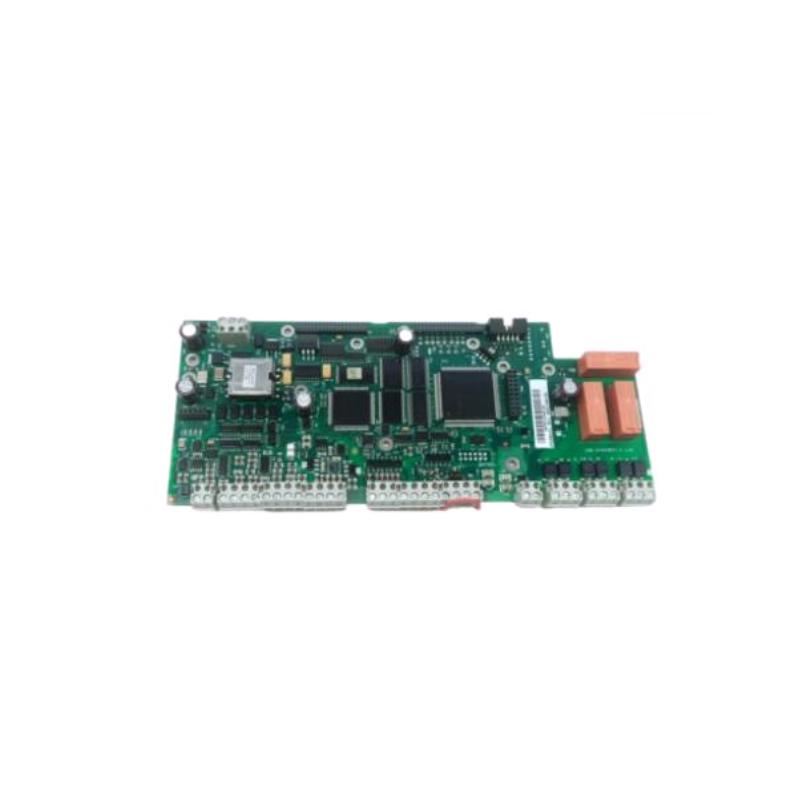
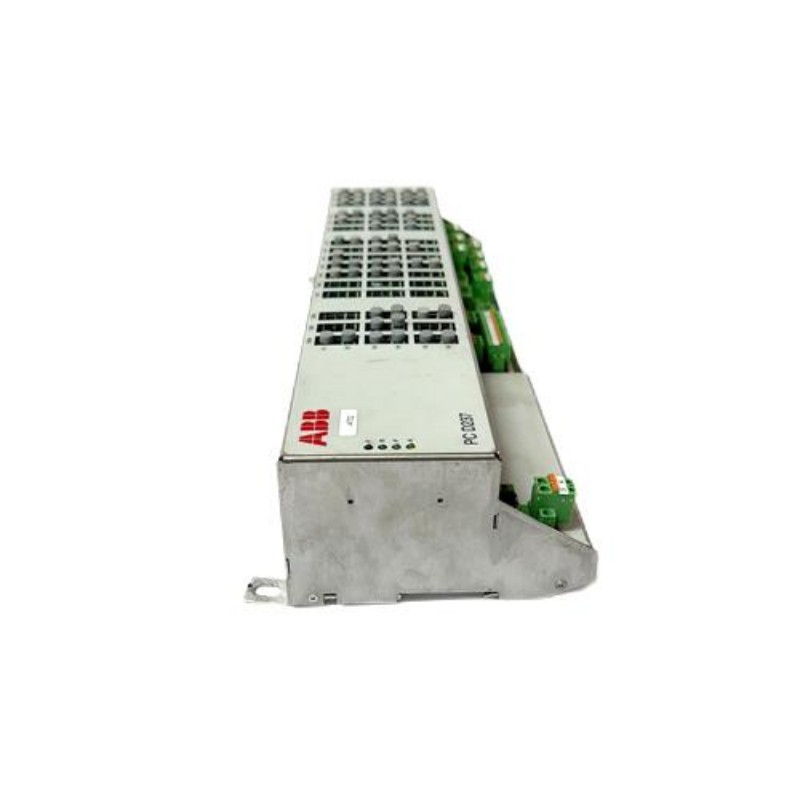
The ABB PC D237 A101 (3BHE028915R0101) Exciter Controller is a high-performance excitation control unit used in ABB’s advanced power generation and converter systems, including PCS6000 and UNITROL-based architectures. It is designed to regulate generator excitation current with precision, ensuring stable voltage output, reactive power control, and grid synchronization in large-scale industrial power systems.
Built for mission-critical environments, this controller integrates high-speed processing, protection logic, and communication interfaces to maintain stable generator operation even under fluctuating load conditions. It is widely used in power plants, renewable energy systems, and heavy industrial drives where reliability and control accuracy directly impact system performance.
Technical Specifications
| Parameter | Details |
|---|
| Model | PC D237 A101 |
| Order Number | 3BHE028915R0101 |
| Manufacturer | ABB |
| System Family | PCS6000 / AC 800PEC / UNITROL |
| Module Type | Excitation Control / Power Control Module |
| Primary Function | Generator excitation regulation |
| Control Type | Automatic / Manual excitation control |
| Processor Architecture | Dual-core CPU + FPGA acceleration |
| Control Cycle | Down to ~100 µs high-speed loops |
| Power Interface | Integrated system power regulation |
| Communication Protocols | Profibus, Modbus TCP, Ethernet-based control |
| Cooling Method | System-dependent (air/liquid cooling integration) |
| Protection Functions | Overcurrent, overvoltage, grid fault ride-through |
| Operating Temperature | -10°C to 45°C |
| Protection Class | Industrial cabinet integration (IP-rated system level) |
| Dimensions | Approx. 373 × 142 × 73.5 mm |
| Weight | ~1.9 kg |
Applications
The PC D237 A101 exciter controller is used in high-power electrical systems where stable generator excitation is essential. Typical applications include:
-
Thermal and hydro power plants
-
Wind turbine converter systems (PCS6000 platform)
-
Industrial synchronous generator control
-
Reactive power compensation systems
-
Large-scale grid stabilization systems
-
Steel mills and heavy industrial drive systems
It plays a central role in maintaining generator voltage stability and ensuring smooth interaction with the electrical grid under dynamic load changes.
Advantages
This controller is engineered for high-speed, high-precision excitation regulation, making it suitable for modern power systems that demand both stability and responsiveness. One of its strongest advantages is its dual-core + FPGA architecture, which enables parallel processing of fast control loops and slower system logic without performance degradation.
Its integration with ABB’s PCS6000 ecosystem allows seamless coordination between generator-side and grid-side converters, improving overall energy efficiency and system stability. Advanced protection functions such as grid fault ride-through and dynamic response control help maintain system continuity even during disturbances.
Another key advantage is its modular communication capability, supporting industrial protocols that enable easy integration into SCADA and DCS environments. This reduces engineering complexity while improving system transparency and diagnostics.
Technical FAQs
1. What is the main function of the PC D237 A101?
It controls generator excitation to regulate voltage and reactive power output.
2. Where is it typically used?
It is used in power plants, wind energy systems, and industrial converter installations.
3. Is it a standalone controller?
No, it is integrated into ABB excitation or PCS6000 control systems.
4. What role does it play in a generator system?
It adjusts excitation current to maintain stable generator output voltage.
5. Does it support real-time control?
Yes, it supports high-speed control loops down to microsecond-level cycles.
6. What communication systems does it support?
It supports Ethernet-based protocols, Modbus TCP, and fieldbus systems.
7. Is it used in renewable energy systems?
Yes, it is widely used in wind power converter platforms like PCS6000.
8. Does it include protection functions?
Yes, including overvoltage, overcurrent, and grid fault ride-through protection.
9. What kind of processing architecture does it use?
A combination of CPU and FPGA for layered high-speed control.
10. Can it operate in harsh environments?
It is designed for industrial environments with controlled cabinet installation.
 A DCS Q Co., Ltd. - PLC and DCS Industrial Control Equipment Wholesale