Introduction
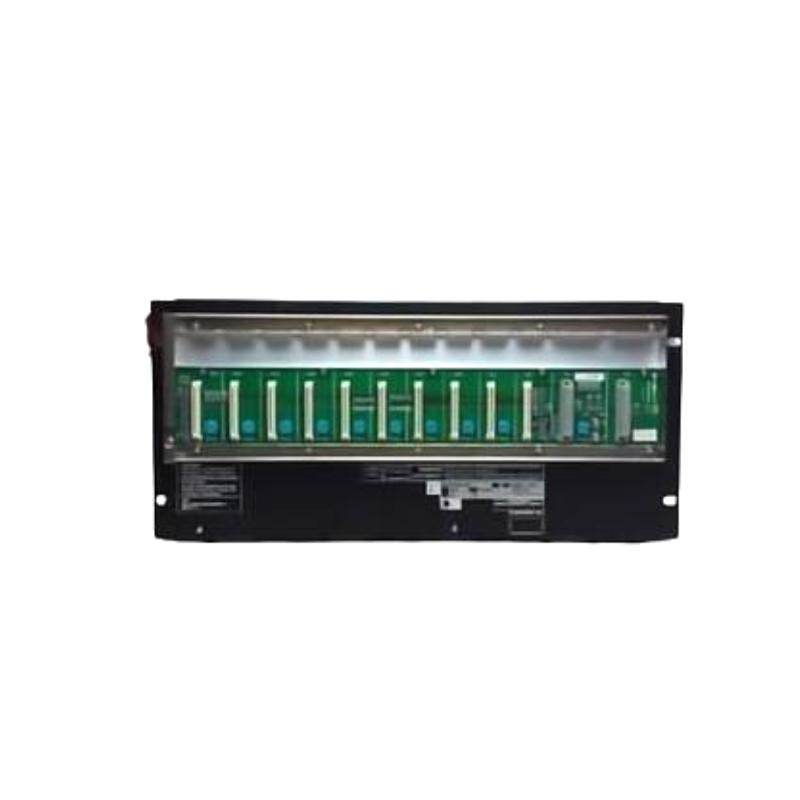
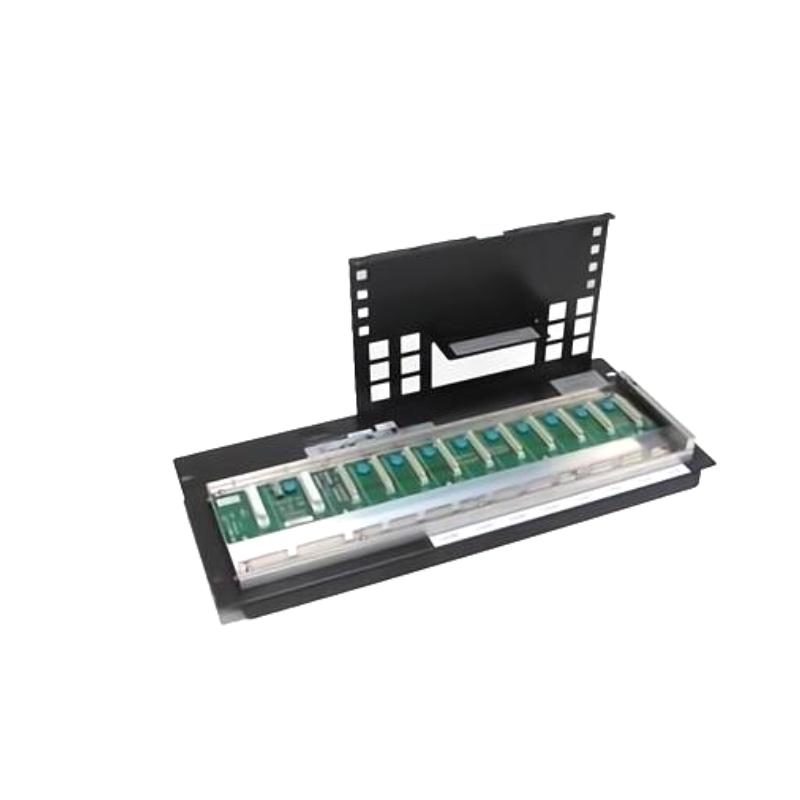
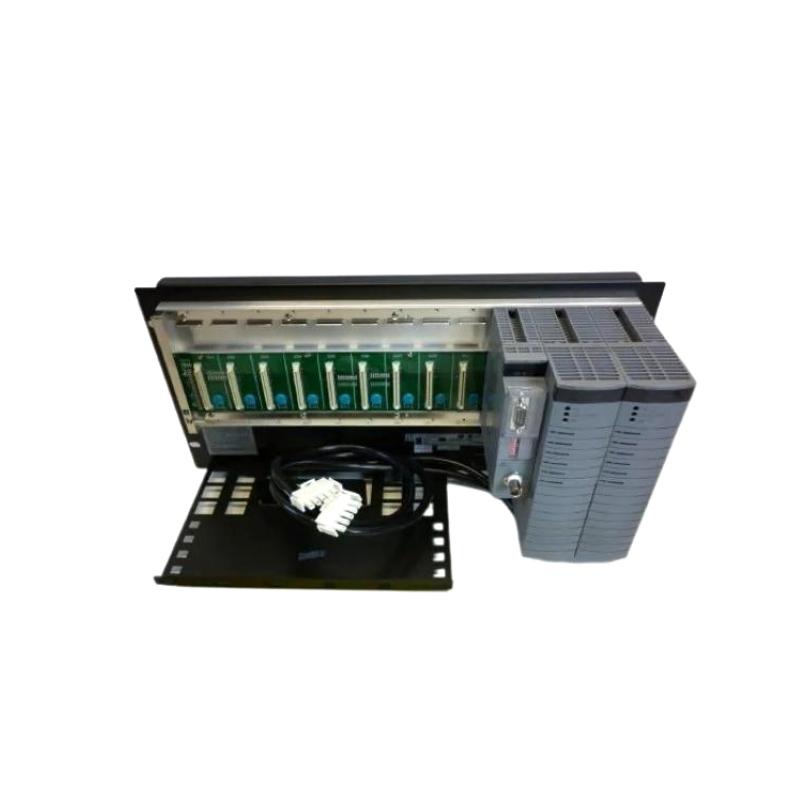
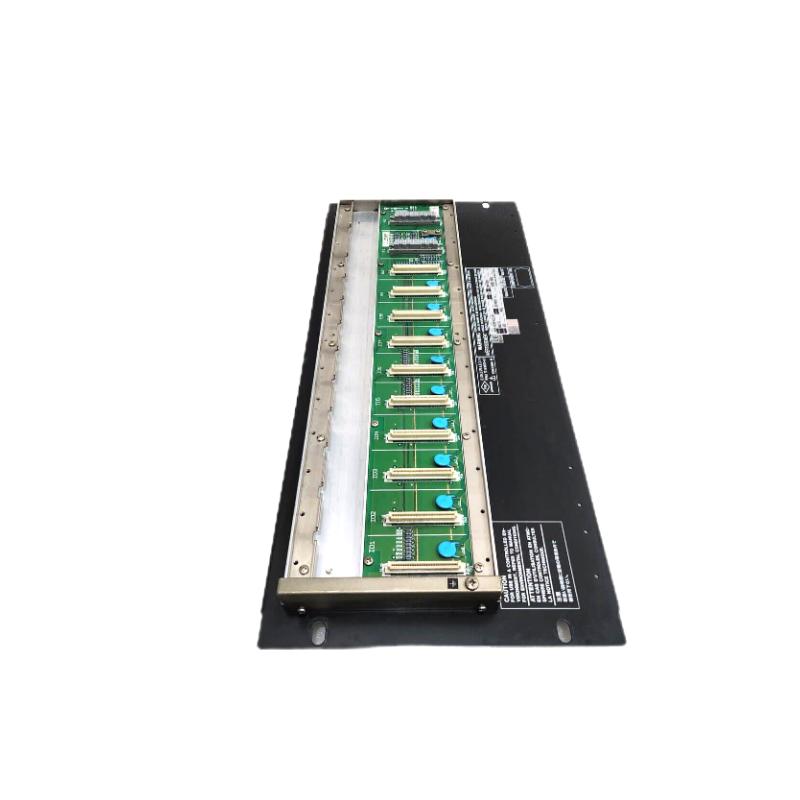
The Yokogawa ANR10D-420/ATDOC/NDEL ER Bus Unit is a key infrastructure component in distributed control system architectures, enabling structured and reliable communication between system modules through ER bus technology.
It is engineered for industrial environments where scalability, long-term reliability, and stable communication are essential. Rather than performing control functions, it serves as a system-level communication backbone that ensures consistent data exchange across distributed control components.
Its design supports large-scale industrial automation systems where incremental expansion must be achieved without compromising communication integrity or system stability.
Technical Specifications
| Parameter | Specification |
|---|
| Model | ANR10D-420/ATDOC/NDEL |
| System Type | ER Bus Unit |
| Communication Type | ER bus system communication |
| System Architecture | Distributed Control System (DCS) |
| Application Level | System expansion / communication interface |
| Industrial Use | Process automation systems |
| Compatibility | Yokogawa DCS architecture |
| Network Role | ER bus communication expansion unit |
| Dimensions (W × H × D) | 482.6 mm × 221.5 mm × 205 mm |
| Weight | 10 kg (22.046 pounds) |
Applications
The Yokogawa ANR10D-420/ATDOC/NDEL ER Bus Unit is designed for distributed control system (DCS) architectures where reliable ER bus communication, structured system expansion, and high operational stability are required. It is typically used in large-scale industrial environments where continuous process control and deterministic data exchange between modules are critical.
Typical application areas include:
-
Oil and gas refining and upstream production systems
-
Petrochemical and chemical processing facilities
-
Power generation and turbine control systems
-
Large utility and infrastructure automation networks
-
Centralized DCS installations with distributed control cabinets
-
High-reliability process control environments
-
ER bus-based system expansion nodes in modular architectures
-
Redundant industrial automation and monitoring systems
The ATDOC/NDEL configuration is typically associated with system-specific integration requirements within ER bus communication structures, supporting stable multi-node coordination in complex plant environments.
Advantages
From a control systems engineering perspective, this ER bus unit is focused on communication stability, system scalability, and structured integration rather than processing capability.
Key advantages include:
-
Stable ER bus communication for distributed control system architecture
-
Supports scalable expansion of large industrial automation systems
-
High reliability in continuous 24/7 process operations
-
Reduced wiring complexity through structured bus-based design
-
Improved system organization in modular DCS configurations
-
Strong compatibility within Yokogawa control ecosystems
-
Enhanced fault isolation in distributed network structures
-
Designed for long-term operational stability in harsh environments
-
Supports structured maintenance and module-level replacement strategies
-
Consistent communication performance in large-scale installations
In real-world applications, it is often selected for maintaining system integrity during incremental expansion of complex industrial plants.
Technical FAQs
1. What is the function of the ANR10D-420/ATDOC/NDEL unit?
It acts as an ER bus communication and expansion interface within Yokogawa DCS systems.
2. What does ATDOC/NDEL indicate?
It refers to specific configuration or system integration variants used in ER bus architectures.
3. Is it suitable for large-scale industrial plants?
Yes, it is designed for large distributed control system environments.
4. Does it support system scalability?
Yes, it is intended for modular expansion within ER bus-based architectures.
5. What industries typically use this unit?
Oil & gas, petrochemical, power generation, and utility industries.
6. Can it be used in redundant systems?
Yes, it can be integrated into redundant DCS configurations.
7. What is its role in a DCS system?
It functions as a communication backbone component within the ER bus network.
8. Does it require frequent maintenance?
No, it is designed for long-term industrial operation with minimal maintenance.
9. Is it suitable for harsh environments?
Yes, it is built for industrial-grade operating conditions.
10. How is it integrated into a system?
It is installed as part of the ER bus communication structure within Yokogawa DCS architectures.
 A DCS Q Co., Ltd. - PLC and DCS Industrial Control Equipment Wholesale