Introduction
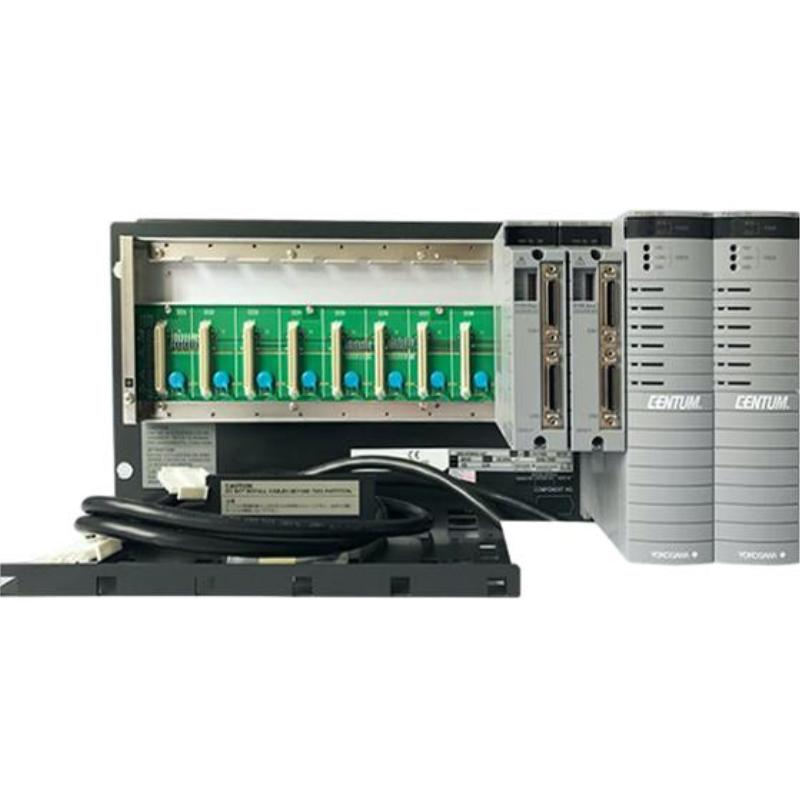
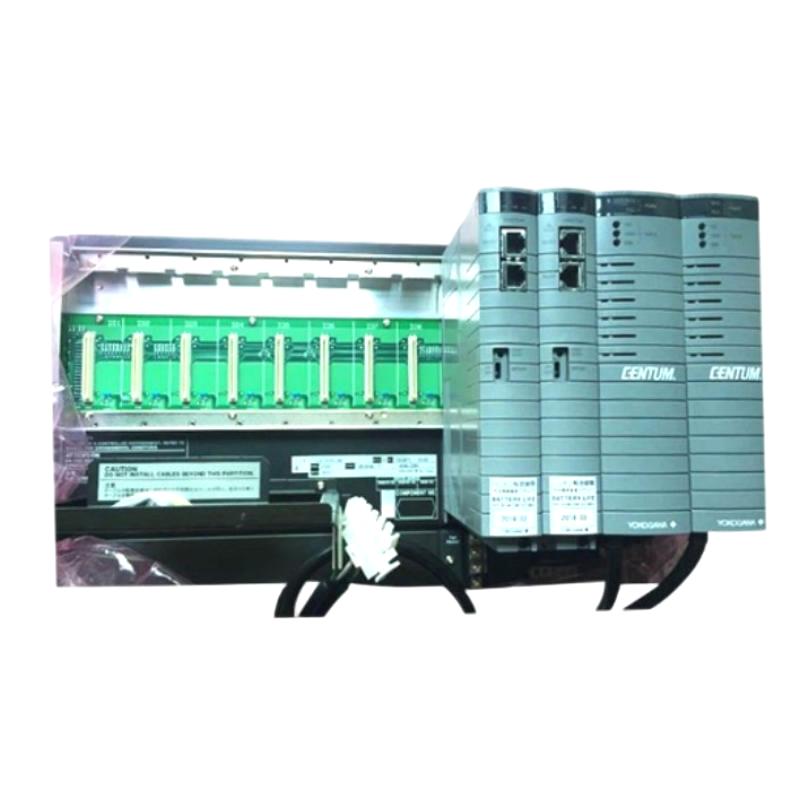
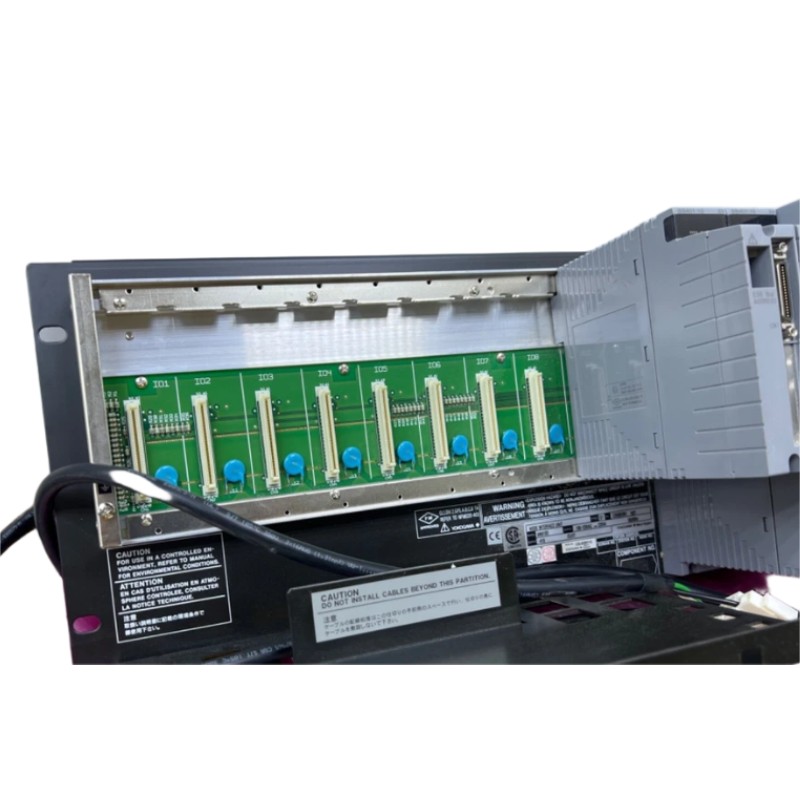
The Yokogawa ANB11D-B25/BU2A Fiber Optic ESB Bus Node Unit is a critical component in distributed control system architectures, enabling reliable optical communication between remote I/O nodes and central control units.
It is engineered for industrial environments where conventional copper-based communication systems are insufficient due to electromagnetic interference, grounding complexity, or long-distance signal transmission requirements.
By using fiber optic ESB bus technology, the system achieves stable and deterministic communication across distributed nodes in large-scale process automation systems, making it suitable for industries where operational continuity and safety are essential.
Technical Specifications
| Parameter | Specification |
|---|
| Model | ANB11D-B25/BU2A |
| System Type | Fiber Optic ESB Bus Node Unit |
| Communication Medium | Fiber optic ESB bus |
| System Architecture | Distributed Control System (DCS) |
| Compatibility | Yokogawa CENTUM series |
| Network Structure | Multi-node ESB distributed architecture |
| Electrical Isolation | Optical isolation |
| Industrial Environment | Process automation systems |
| Mounting Type | Rack-mounted module |
| Dimensions (W × H × D) | 482.6 mm × 221.5 mm × 205 mm |
| Weight | 10 kg (22.046 pounds) |
Applications
The Yokogawa ANB11D-B25/BU2A Fiber Optic ESB Bus Node Unit is designed for high-integrity distributed control system (DCS) environments where stable long-distance communication, electrical isolation, and strong immunity to electromagnetic interference are critical design requirements.
It is commonly implemented in large-scale continuous process industries where system downtime is costly and communication reliability is a core engineering priority.
Typical application scenarios include:
-
Oil refining and upstream/downstream petroleum processing systems
-
Petrochemical and chemical plant automation networks
-
Thermal and combined-cycle power generation control systems
-
Offshore drilling platforms and marine process control systems
-
Utility-scale power distribution and monitoring infrastructure
-
Large DCS installations with distributed I/O cabinets across wide plant areas
-
High-EMI industrial environments with long cable routing requirements
-
Safety-critical and redundant process control systems
The fiber optic ESB bus architecture ensures stable deterministic communication between distributed nodes even under severe electrical noise conditions.
Advantages
From a control systems engineering perspective, this unit is optimized for reliability, stability, and scalable architecture rather than compactness or cost efficiency.
Key advantages include:
-
Fiber optic ESB communication eliminates electromagnetic interference issues
-
Long-distance transmission without signal attenuation or degradation
-
High electrical isolation improves operational safety in industrial environments
-
Deterministic communication behavior across distributed DCS nodes
-
Reduced grounding complexity compared to copper-based bus systems
-
High reliability in continuous 24/7 process operations
-
Scalable expansion for large distributed control architectures
-
Improved fault containment through segmented network design
-
Strong performance in vibration, heat, and harsh industrial conditions
-
Designed for mission-critical process automation infrastructure
In real plant operations, its primary value lies in maintaining stable communication integrity in environments where conventional electrical systems would be unreliable.
Technical FAQs
1. What is the function of the ANB11D-B25/BU2A unit?
It serves as a fiber optic ESB bus node interface for distributed communication in Yokogawa DCS systems.
2. What is the advantage of fiber optic ESB communication?
It provides immunity to electromagnetic interference and supports stable long-distance transmission.
3. Is it compatible with Yokogawa CENTUM systems?
Yes, it is designed for integration within CENTUM-based DCS architectures.
4. Can it be used in redundant control systems?
Yes, it is commonly deployed in redundant and high-availability configurations.
5. What happens if a node fails in the ESB network?
Fault isolation mechanisms help contain the failure and maintain system operation.
6. Does fiber optic ESB require special maintenance?
Yes, fiber connectors must be kept clean and inspected to ensure signal integrity.
7. Is it suitable for offshore or marine environments?
Yes, it is designed for harsh industrial and offshore applications.
8. How does it handle electromagnetic interference?
Fiber optic transmission inherently eliminates EMI and RFI susceptibility.
9. What industries typically use this module?
It is used in oil & gas, petrochemical, power generation, and large-scale process industries.
10. How scalable is the ESB node system?
It supports scalable expansion depending on system architecture and DCS configuration limits.
 A DCS Q Co., Ltd. - PLC and DCS Industrial Control Equipment Wholesale