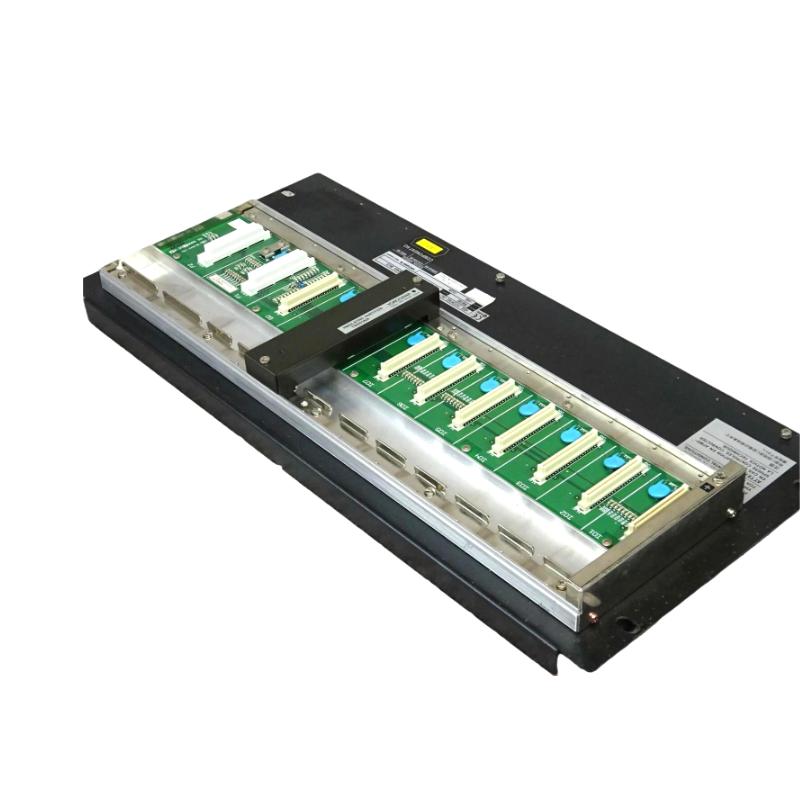
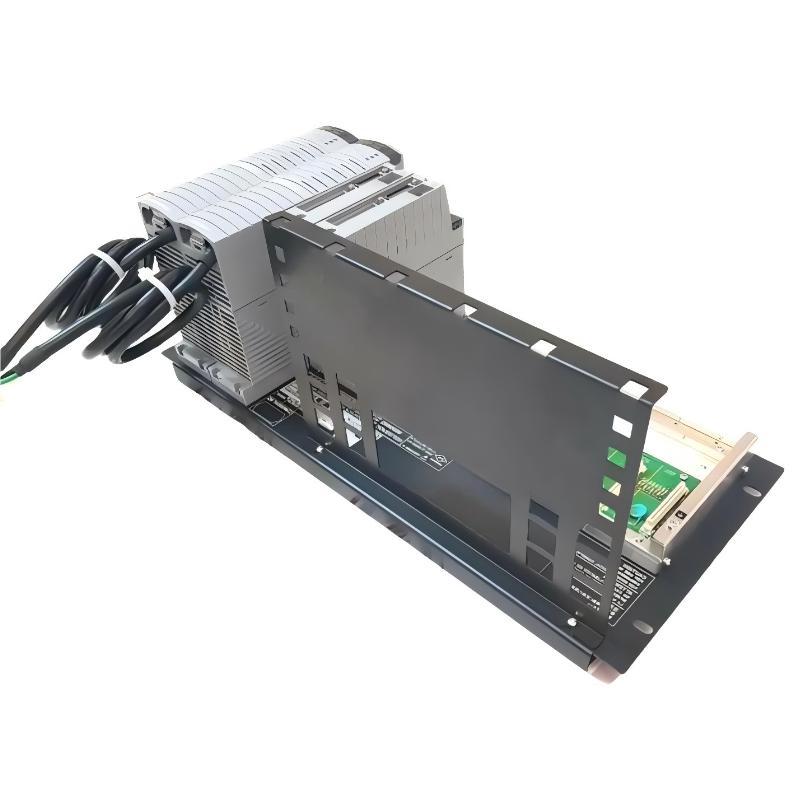
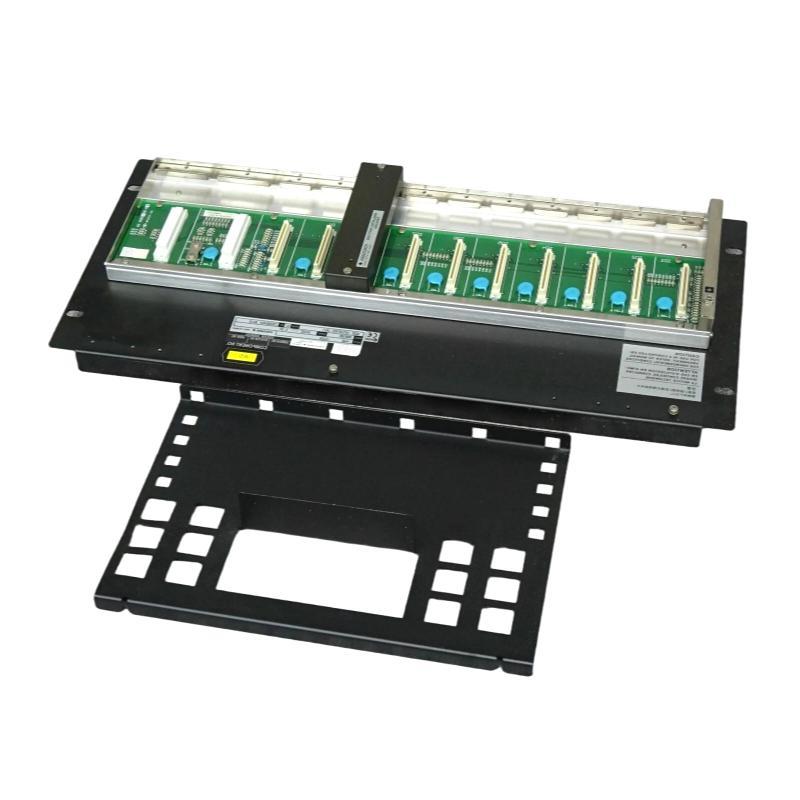
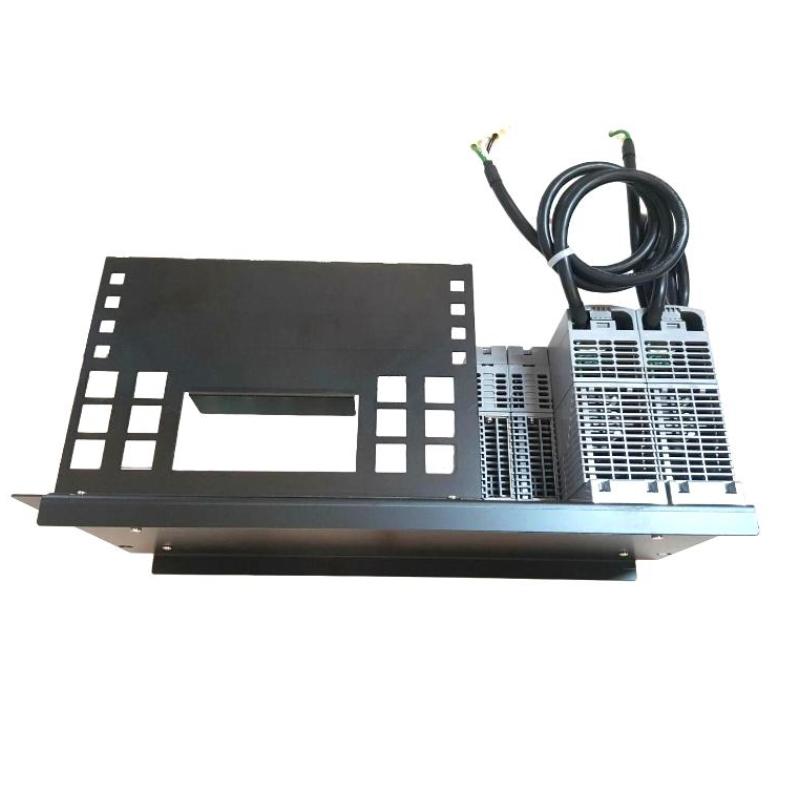
Engineering Overview and Design Philosophy
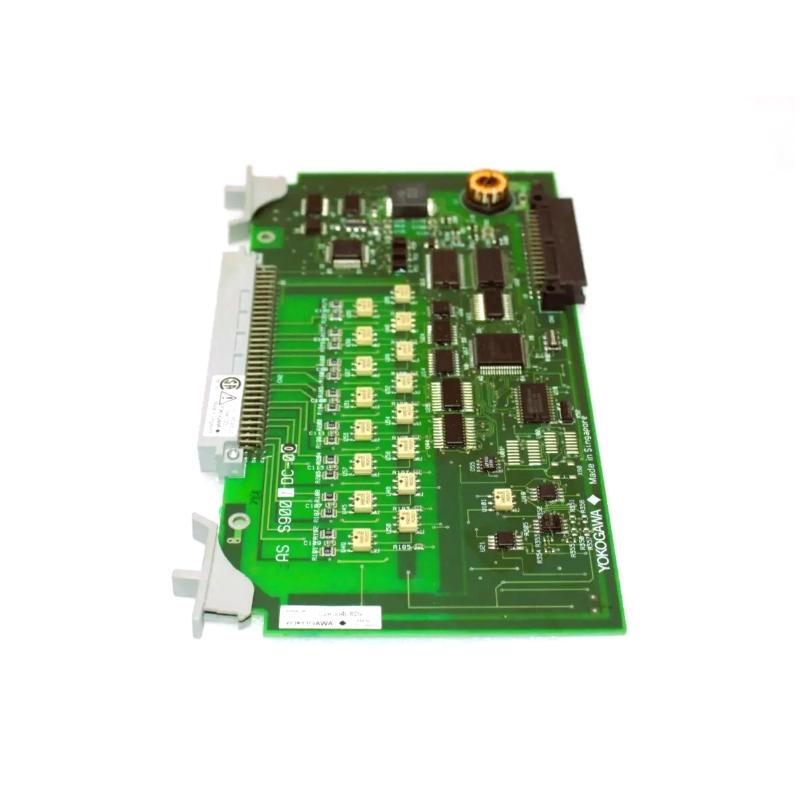
The ANB11D-226/BU2B reflects Yokogawa’s long-term design philosophy centered on deterministic control, system stability, and lifecycle durability. Rather than prioritizing general networking flexibility, it is optimized for ESB-based distributed control systems where timing accuracy and communication reliability are essential.
By incorporating fiber optic transmission, the module significantly enhances signal integrity and system scalability. This allows engineers to design larger and more complex industrial networks without being constrained by electrical noise or distance limitations.
The unit is also built for long-term continuous operation, aligning with industrial expectations of decade-long lifecycle performance with minimal maintenance requirements.
Technical Specifications
| Parameter | Specification |
|---|
| Model | ANB11D-226/BU2B |
| Module Type | Fiber Optic ESB Bus Node Unit |
| System Compatibility | Yokogawa CENTUM VP |
| Communication Medium | Fiber Optic ESB |
| Redundancy Support | Yes |
| Mounting | Rack-mounted |
| Operating Environment | Industrial control systems |
| Dimensions | 482.6 × 221.5 × 205 mm |
| Weight | 10 kg (22.05 lb) |
Application Role in Large-Scale DCS Networks
The Yokogawa ANB11D-226/BU2B Fiber Optic ESB Bus Node Unit is designed for high-reliability distributed control systems where deterministic communication, long-distance transmission, and electromagnetic immunity are critical requirements. It is widely deployed in complex industrial environments such as refineries, LNG processing facilities, offshore platforms, and power generation plants.
Within Yokogawa’s CENTUM VP architecture, this unit functions as a fiber-optic ESB communication node, enabling stable data exchange between field control stations and higher-level control layers. It is particularly suited for large geographically distributed plants where conventional copper-based ESB communication would be limited by distance or noise interference.
The BU2B configuration is commonly used in systems requiring enhanced fiber-based communication stability while maintaining compatibility with Yokogawa’s standardized ESB infrastructure.
Engineering Advantages and Operational Benefits
One of the primary advantages of the ANB11D-226/BU2B is its fiber optic communication backbone. This ensures complete immunity to electromagnetic interference, making it highly reliable in electrically noisy environments such as substations, compressor stations, and heavy industrial zones.
Another key benefit is extended transmission capability. Fiber optics allow the ESB network to span significantly larger distances without signal degradation, enabling flexible plant layout design and centralized or distributed control room configurations.
The module also supports redundant ESB configurations, allowing continuous operation even if one communication path fails. This redundancy is essential in process industries where downtime can lead to safety risks or significant production losses.
Additionally, the unit is engineered for long lifecycle operation under harsh industrial conditions, including temperature fluctuations, vibration, and continuous 24/7 usage.
Technical FAQs
1. What is the main function of the ANB11D-226/BU2B?
It serves as a fiber optic ESB bus node for communication in Yokogawa distributed control systems.
2. How does it differ from copper-based ESB nodes?
It uses fiber optics instead of electrical wiring, improving distance capability and EMI immunity.
3. Does it support redundant operation?
Yes, it supports redundant ESB communication paths for high system availability.
4. What systems is it compatible with?
It is designed for Yokogawa CENTUM VP and related DCS platforms.
5. Why is fiber optic communication important here?
It eliminates signal degradation and protects against electromagnetic interference.
6. Can it be used in offshore environments?
Yes, it is suitable for offshore platforms and remote installations.
7. How is the unit installed?
It is rack-mounted inside industrial control cabinets.
8. Does it support system expansion?
Yes, it is commonly used in plant expansions and upgrades.
9. How is system monitoring performed?
Through Yokogawa engineering tools with real-time diagnostics.
10. What industries typically use this module?
Oil & gas, petrochemical, power generation, and large-scale process industries.
 A DCS Q Co., Ltd. - PLC and DCS Industrial Control Equipment Wholesale