Application in High-Integrity Control Systems
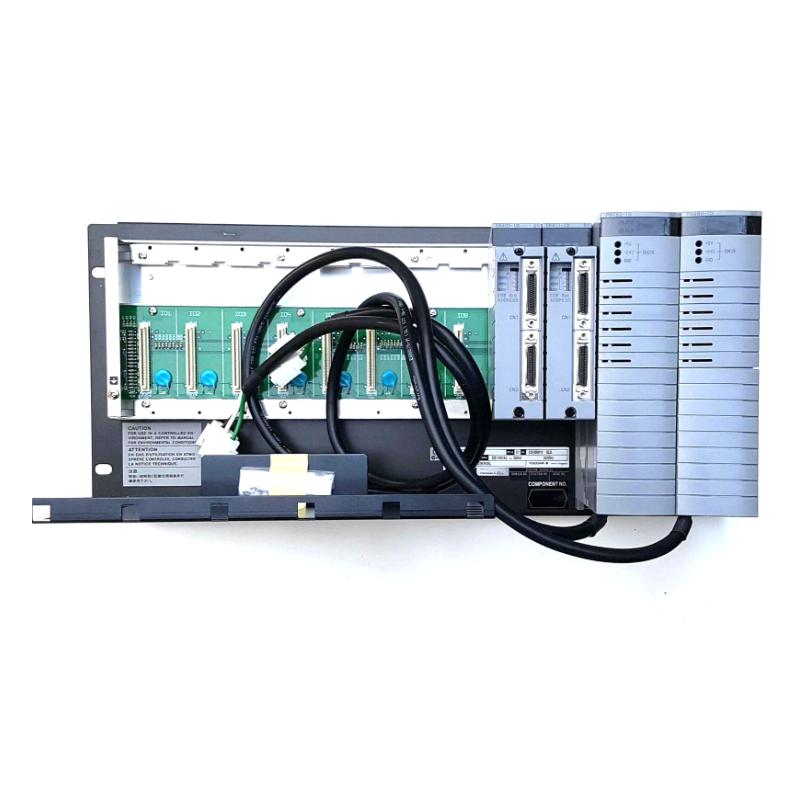
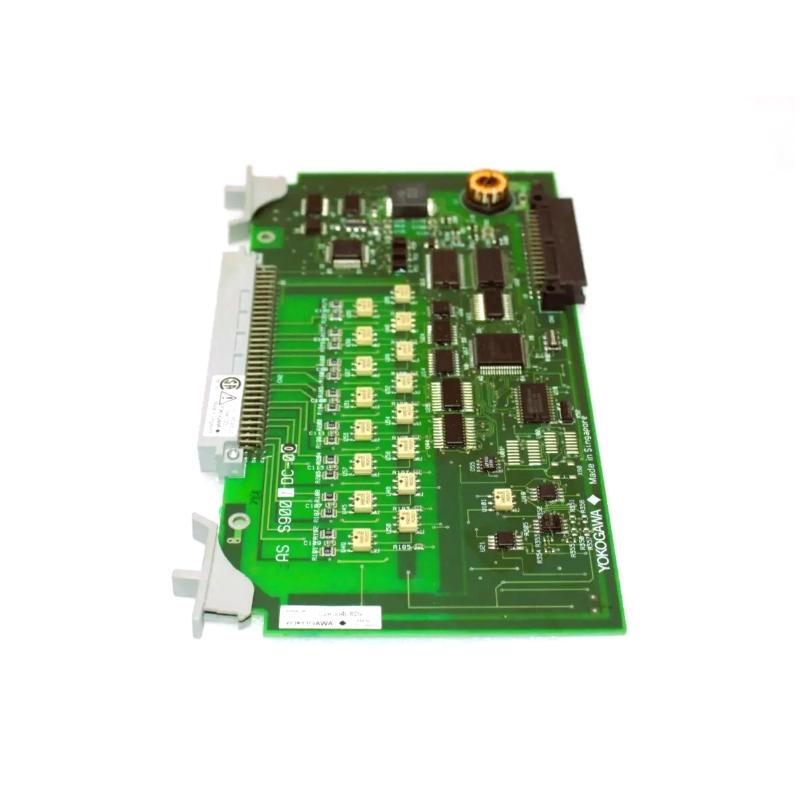
The Yokogawa ANB11D-225/BU2B Fiber Optic ESB Bus Node Unit is engineered for use in distributed control systems (DCS) where high-speed, reliable, and interference-free communication is essential. It is ideal for large-scale industrial operations such as oil & gas refineries, petrochemical plants, power generation facilities, and offshore platforms.
The unit uses fiber optic communication to ensure stable data transmission over extended distances, even in environments with significant electromagnetic interference (EMI). The BU2B variant is designed to meet the needs of applications requiring robust and deterministic communication, particularly in environments where copper-based connections might fail to provide the necessary reliability or speed.
Key Advantages of Fiber Optic Communication
High-Speed, Long-Distance Communication:
Fiber optics enable high-speed communication over long distances without the risk of signal degradation, making it ideal for large facilities where devices may be spread over significant distances.
Immunity to Electromagnetic Interference (EMI):
Unlike traditional copper cabling, fiber optic communication is immune to electromagnetic interference, a common issue in industrial settings with high-voltage equipment and noisy environments. This ensures that data remains intact and consistent, which is critical in safety-sensitive applications.
Redundancy for High Availability:
The ANB11D-225/BU2B supports dual-redundant communication paths. In case of a failure in the primary communication path, the system automatically switches to the backup path, ensuring minimal disruption and maintaining high system availability.
Optimized for Harsh Environments:
The unit is designed to perform reliably in harsh industrial environments, such as extreme temperatures, vibration, and dust, often found in process industries. Its robust construction ensures long-term reliability, reducing the need for frequent maintenance.
Seamless Integration with Yokogawa Systems:
The unit integrates smoothly within the Yokogawa CENTUM VP distributed control system, ensuring compatibility and simplifying system design and operation. Its deterministic communication helps maintain synchronized data flow between connected systems, reducing the risk of miscommunication or data loss.
Technical FAQs
1. What is the main advantage of using fiber optic communication in this unit?
Fiber optics offer high-speed, long-distance data transfer without signal degradation, and they are immune to electromagnetic interference (EMI), making them ideal for industrial environments.
2. What redundancy options are supported by this module?
The unit supports dual-redundant communication paths, allowing for automatic failover in case of a primary path failure.
3. Which systems are compatible with the ANB11D-225/BU2B?
It is compatible with Yokogawa CENTUM VP and other Yokogawa distributed control systems (DCS).
4. How does this unit handle electromagnetic interference (EMI)?
The fiber optic communication technology is immune to EMI, ensuring stable data transmission even in environments with heavy electrical noise.
5. What kind of environments can this unit operate in?
It is designed for use in harsh industrial environments, including high-temperature areas, offshore platforms, and facilities with high-voltage electrical systems.
6. Can this unit be used in offshore or remote locations?
Yes, its fiber optic communication capabilities make it suitable for long-distance communication in remote or offshore installations where electrical noise is a concern.
7. What type of installation does this unit require?
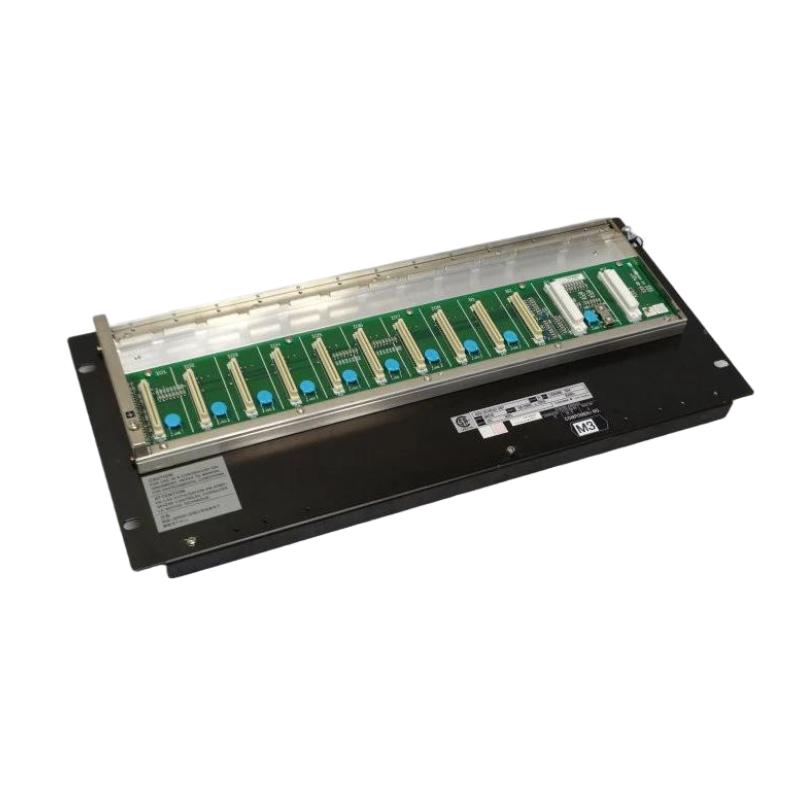
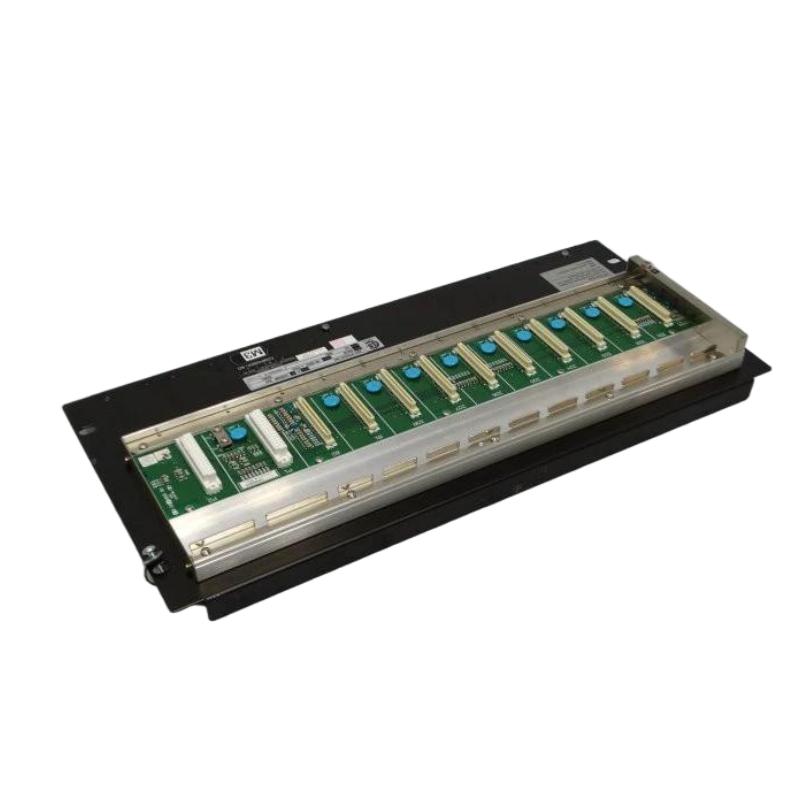
The ANB11D-225/BU2B is a rack-mounted module, which is installed within control cabinets as part of the ESB communication network.
8. Does the unit support diagnostics and monitoring?
Yes, it supports diagnostics and monitoring via Yokogawa’s engineering tools, providing real-time visibility into the system’s performance.
9. Can this unit be used for system expansions?
Yes, it is suitable for both new installations and system expansions, providing a reliable communication backbone for large-scale DCS networks.
10. What industries typically use the ANB11D-225/BU2B?
It is commonly used in industries such as oil & gas, petrochemical, power generation, and other process industries where high reliability and long-distance communication are essential.
 A DCS Q Co., Ltd. - PLC and DCS Industrial Control Equipment Wholesale