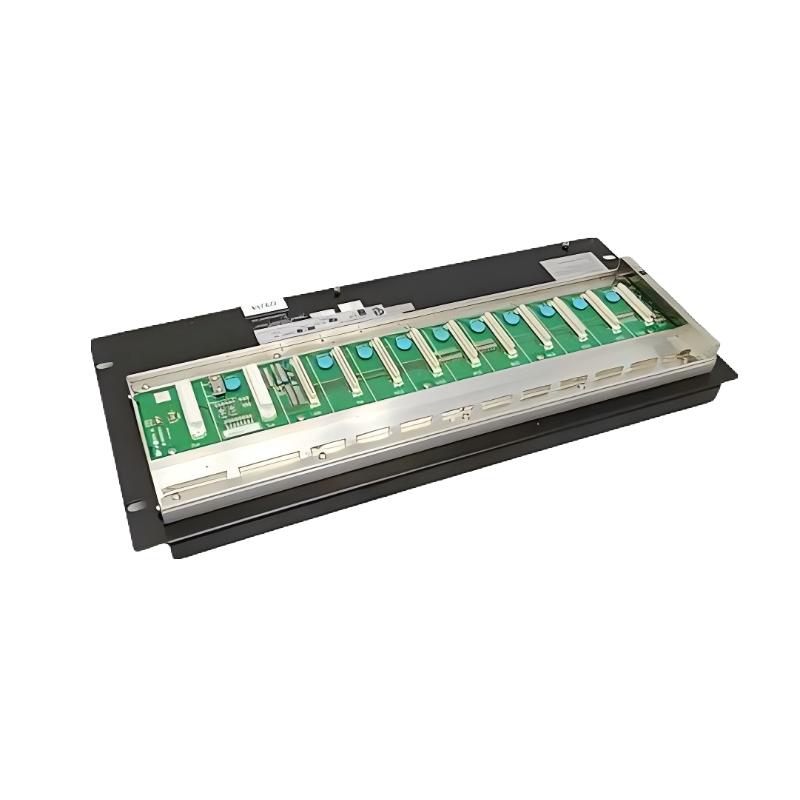
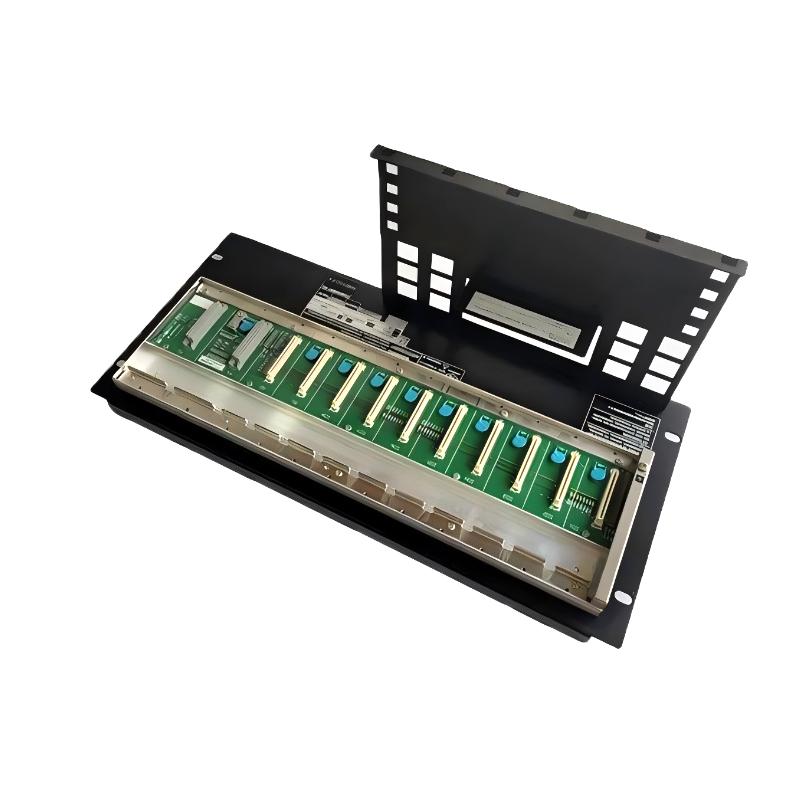
Technical Overview and Design Philosophy
The ANB11D-225/BU2A reflects Yokogawa’s long-standing focus on reliability, determinism, and lifecycle stability in industrial automation systems. Rather than prioritizing general-purpose networking flexibility, it is specifically designed for ESB-based control architectures where predictable communication timing is critical.
Its architecture supports structured and stable data exchange between distributed control components, ensuring that large-scale industrial processes remain synchronized and stable even under heavy system loads.
The module is also engineered for long operational lifespans, often exceeding a decade of continuous use in industrial environments. This aligns with Yokogawa’s broader design philosophy of minimizing lifecycle disruption and maximizing system reliability.
Technical Specifications
| Parameter | Specification |
|---|
| Model | ANB11D-225/BU2A |
| Module Type | ESB Bus Node Unit |
| System Compatibility | Yokogawa CENTUM VP |
| Communication Protocol | ESB (Enhanced Serial Bus) |
| Redundancy Support | Yes |
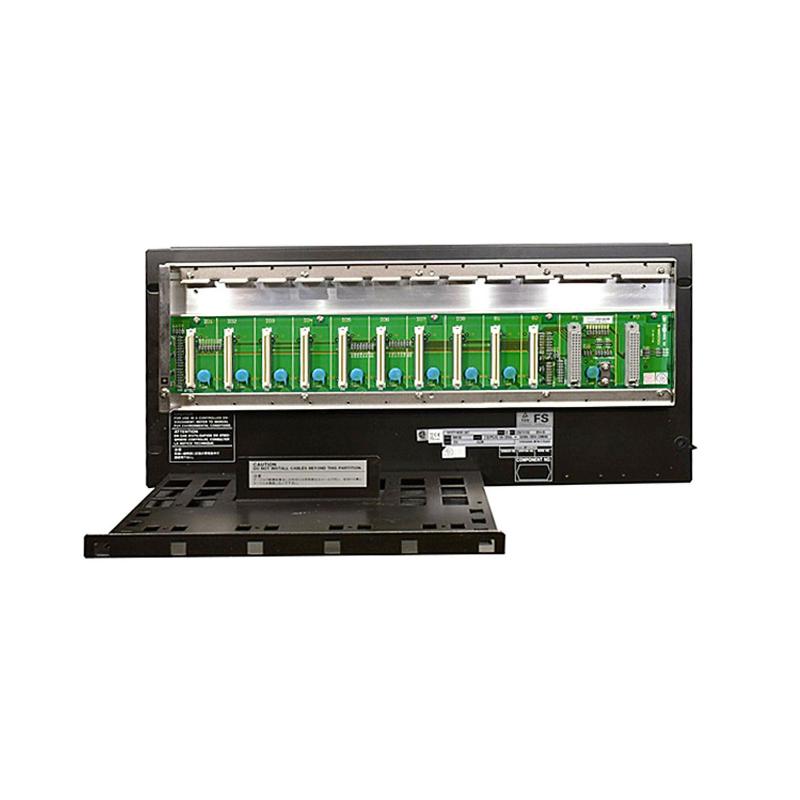
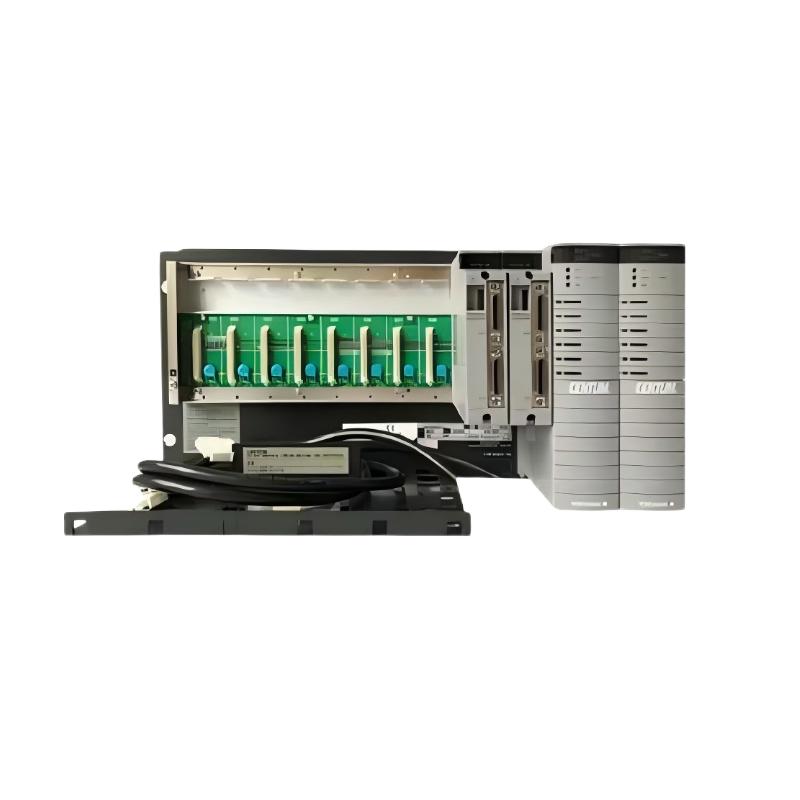
| Mounting | Rack-mounted |
| Operating Environment | Industrial control systems |
| Dimensions | 482.6 × 221.5 × 205 mm |
| Weight | 10 kg (22.05 lb) |
Application Role in Distributed Control Architecture
The Yokogawa ANB11D-225/BU2A ESB Bus Node Unit is designed for high-integrity communication within Yokogawa distributed control systems, particularly CENTUM VP environments. It is typically deployed in large-scale industrial facilities such as petrochemical refineries, LNG processing plants, and thermal power stations where reliable and deterministic communication between control layers is essential.
This unit functions as a key ESB (Enhanced Serial Bus) communication node, linking field control stations with system-level controllers. In complex plant structures, it ensures that process data flows consistently across multiple control zones, enabling synchronized and coordinated operation.
The BU2A variant is commonly selected in system designs where standard ESB node functionality is required with proven compatibility in established Yokogawa architectures.
Engineering Advantages and Operational Value
One of the main strengths of the ANB11D-225/BU2A lies in its deterministic communication behavior. It ensures that data exchange across the ESB network occurs in fixed cycles, which is essential for maintaining stability in continuous industrial processes.
The module supports redundant configurations, allowing engineers to design systems with high availability. In dual-node setups, it can seamlessly switch between primary and backup communication paths, reducing the risk of downtime in mission-critical environments.
Another advantage is its robustness in industrial conditions. The unit is engineered to withstand electrical noise, thermal variation, and continuous operation, making it suitable for harsh plant environments.
Its integration within Yokogawa’s engineering ecosystem also simplifies configuration and maintenance. Engineers can perform diagnostics, monitoring, and system adjustments using standard Yokogawa tools, improving operational efficiency and reducing troubleshooting time.
Technical FAQs
1. What is the main function of this module?
It serves as an ESB communication node within Yokogawa distributed control systems.
2. What does the BU2A designation indicate?
It typically refers to a specific configuration variant within the ANB11D series.
3. Does it support redundant operation?
Yes, it can be configured in redundant ESB communication setups.
4. What systems is it compatible with?
It is designed for Yokogawa CENTUM VP and related DCS platforms.
5. How does it ensure stable communication?
Through deterministic cyclic data transmission across the ESB network.
6. Is it suitable for continuous industrial operation?
Yes, it is built for 24/7 operation in process industries.
7. What type of installation is required?
It is rack-mounted within industrial control cabinets.
8. Can it be used in system expansions?
Yes, it is commonly used in upgrades and expansions of existing systems.
9. How are diagnostics performed?
Via Yokogawa engineering software with real-time monitoring capabilities.
10. What industries typically use this unit?
Oil & gas, petrochemical, power generation, and large-scale manufacturing.
 A DCS Q Co., Ltd. - PLC and DCS Industrial Control Equipment Wholesale