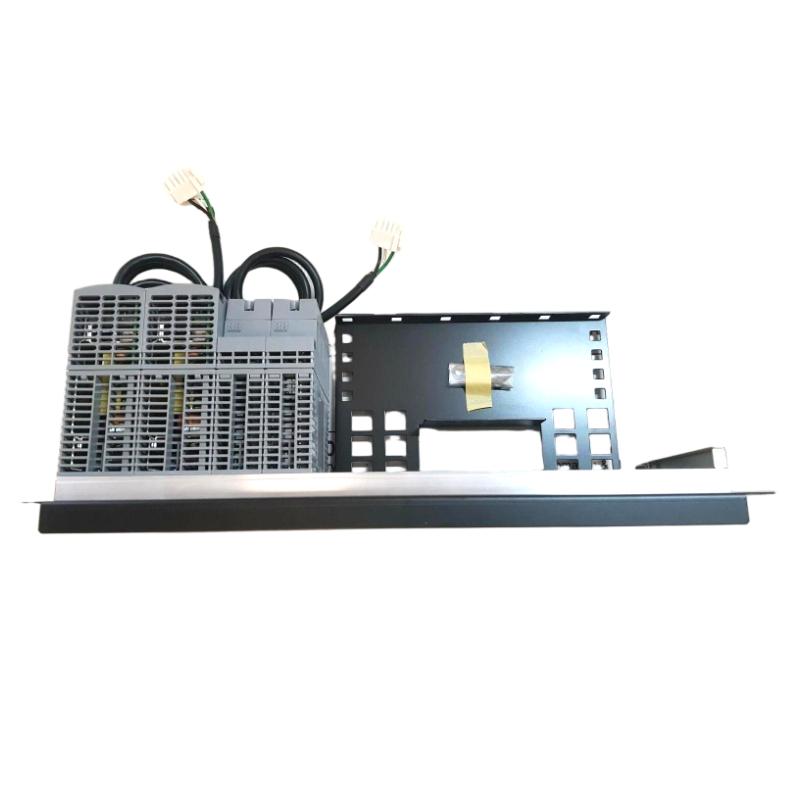
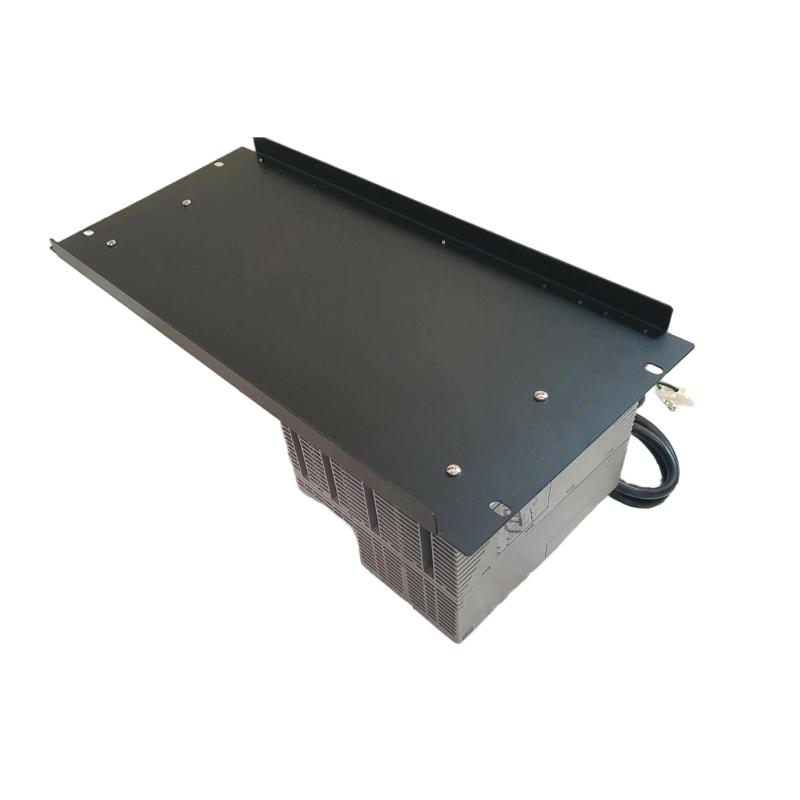
Technical Overview and Design Characteristics
The ANB11D-215/BU2B reflects Yokogawa’s approach to building stable and deterministic communication infrastructure for distributed control systems. Unlike general-purpose communication devices, it is specifically designed to meet the timing and reliability requirements of process automation.
Its architecture ensures that data transmission across the ESB network remains consistent, even under heavy system loads. This is particularly important in large plants where thousands of signals must be exchanged continuously.
The module is also engineered for long lifecycle operation, supporting systems that are expected to run for many years with minimal interruption. Its compatibility with Yokogawa’s software tools ensures that it remains easy to configure, monitor, and maintain throughout its operational life.
Technical Specifications
| Parameter | Specification |
|---|
| Model | ANB11D-215/BU2B |
| Module Type | ESB Bus Node Unit |
| System Compatibility | Yokogawa CENTUM VP |
| Communication Protocol | ESB (Enhanced Serial Bus) |
| Redundancy Support | Yes |
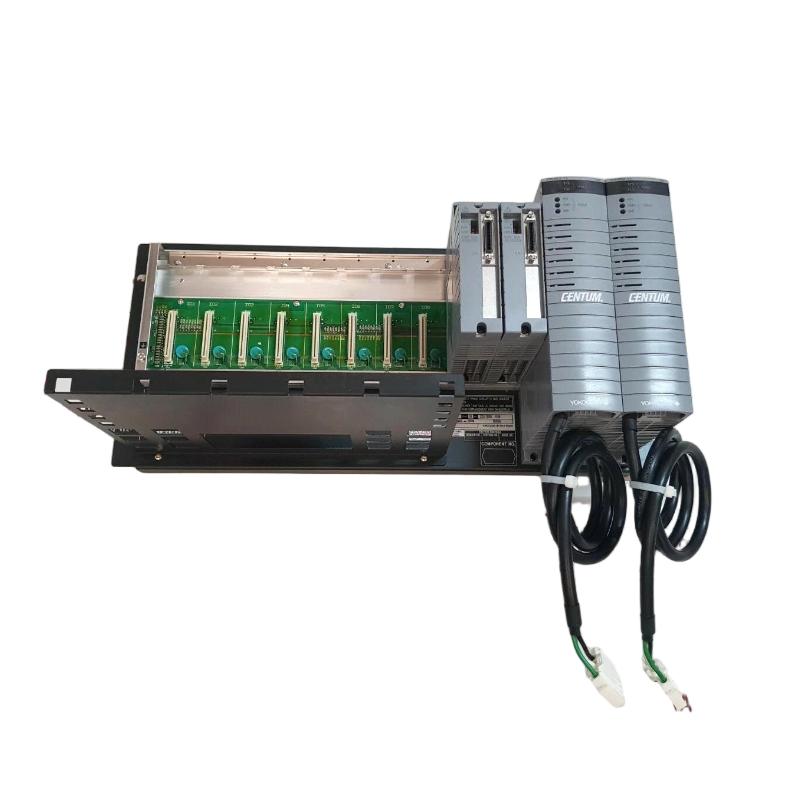
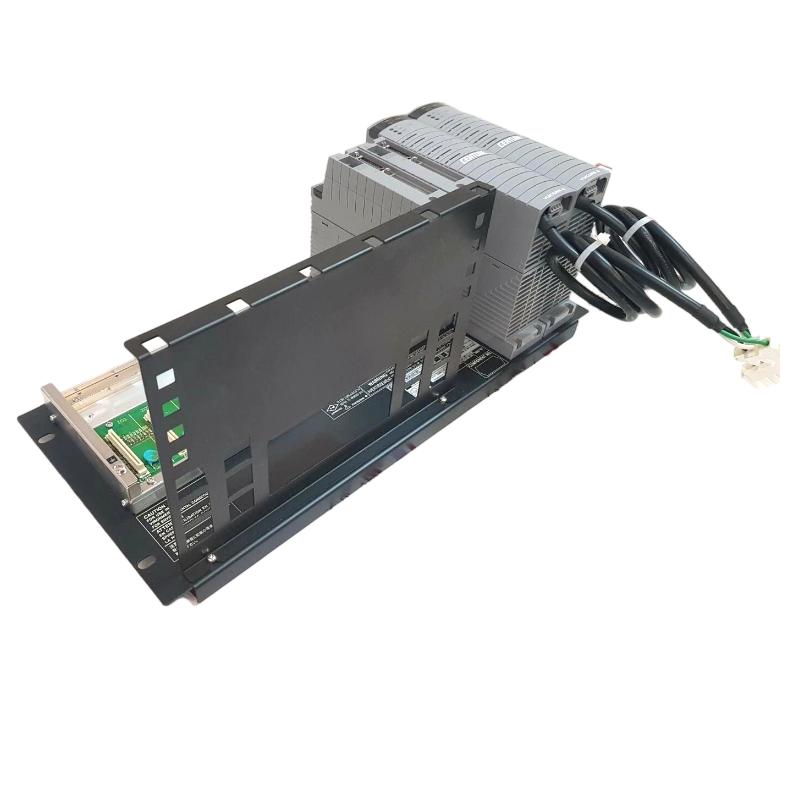
| Mounting | Rack-mounted |
| Operating Environment | Industrial control systems |
| Dimensions | 482.6 × 221.5 × 205 mm |
| Weight | 10 kg (22.05 lb) |
Application Focus in High-Reliability Control Systems
The Yokogawa ANB11D-215/BU2B ESB Bus Node Unit is designed for deployment in distributed control systems where communication integrity and system uptime are critical. It is commonly utilized in large industrial infrastructures such as refinery complexes, power generation facilities, and chemical processing plants.
This unit operates as a key communication interface within the ESB (Enhanced Serial Bus) network, linking field control stations with central control layers. In real-world systems, it is often installed in control cabinets located in both central control rooms and remote equipment areas, ensuring consistent communication across all plant sections.
The BU2B variant is typically selected in projects requiring specific configuration standards or compatibility with predefined Yokogawa system architectures, particularly where fiber or enhanced communication stability is part of the system design strategy.
Advantages in Practical Engineering Deployment
The ANB11D-215/BU2B offers several advantages that make it suitable for mission-critical environments. One of its primary strengths is its ability to maintain deterministic communication, ensuring that data exchange occurs within predictable and stable cycles. This is essential for maintaining precise control over continuous industrial processes.
Another key benefit is its support for redundant communication configurations. In dual setups, the unit allows automatic switchover between communication paths, ensuring uninterrupted operation even in the event of hardware or link failure.
The module is also built for durability, with strong resistance to environmental factors such as electrical noise and temperature fluctuations. This ensures reliable long-term operation, even in harsh industrial environments.
Additionally, its integration with Yokogawa’s engineering ecosystem simplifies system configuration and diagnostics, enabling engineers to quickly identify issues and maintain optimal system performance.
Technical FAQs
1. What is the primary function of the ANB11D-215/BU2B?
It acts as an ESB bus node, facilitating communication between control system components.
2. How does the BU2B variant differ from BU2A?
It typically represents a configuration or hardware variation aligned with specific system requirements.
3. Does it support redundant communication setups?
Yes, it supports dual-redundant ESB configurations for high availability.
4. What systems is it compatible with?
It is designed for Yokogawa CENTUM VP and related distributed control systems.
5. How does it handle communication failures?
It automatically switches to a backup path in redundant configurations without interrupting operations.
6. Is it suitable for high-noise industrial environments?
Yes, it is designed to operate reliably in environments with significant electromagnetic interference.
7. What type of installation does it require?
It is rack-mounted within industrial control cabinets.
8. How are diagnostics performed?
Through integrated diagnostic features accessible via Yokogawa engineering tools.
9. Can it be used in long-distance communication setups?
Yes, especially when configured within fiber-supported ESB systems.
10. What industries typically use this module?
Oil & gas, power generation, petrochemical, and large-scale manufacturing.
 A DCS Q Co., Ltd. - PLC and DCS Industrial Control Equipment Wholesale