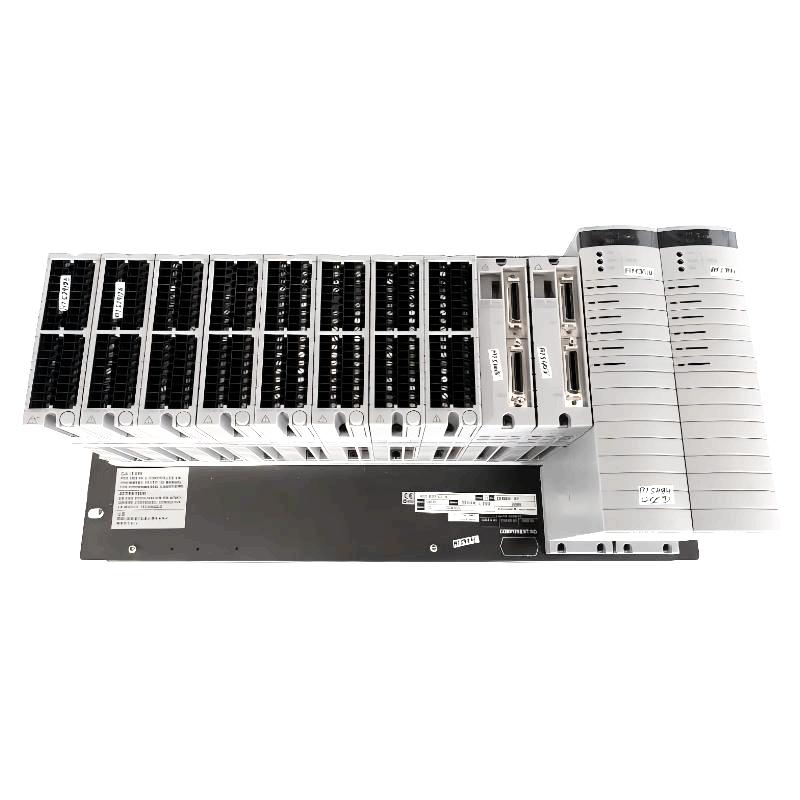
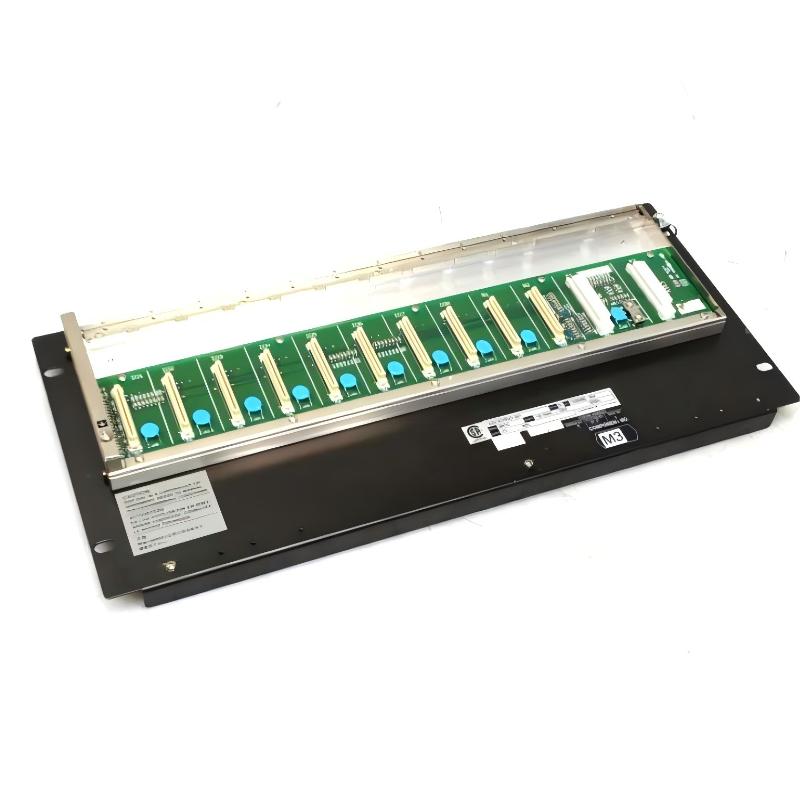
Engineering Overview and Design Philosophy
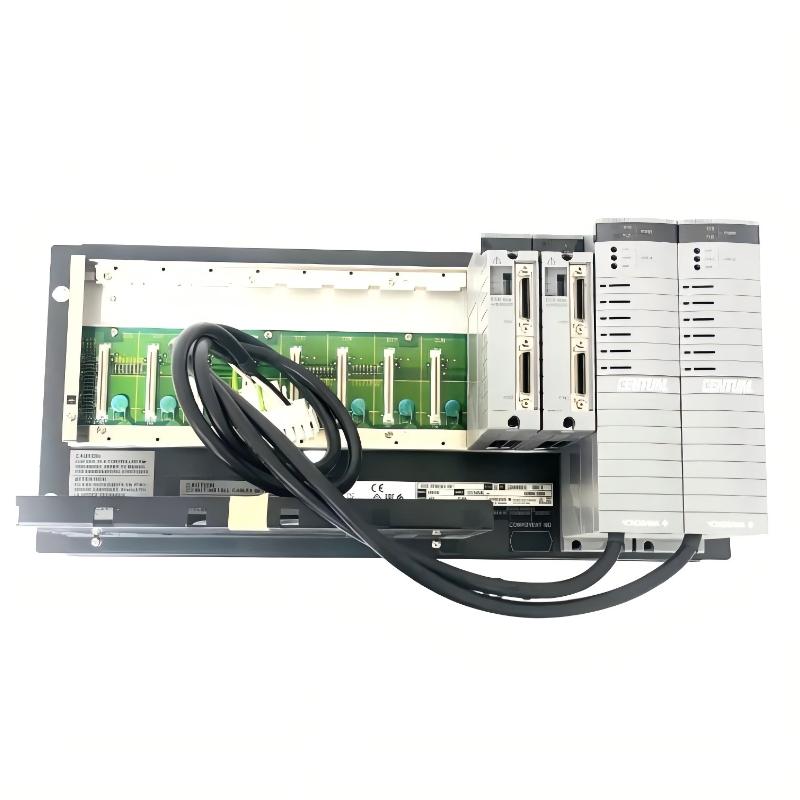
The ANB11D-215/BU2A represents a more advanced communication approach within Yokogawa’s ESB ecosystem by incorporating fiber optic technology. This design addresses the limitations of traditional electrical communication, particularly in large or electrically noisy environments.
Its architecture ensures deterministic communication while benefiting from the inherent advantages of optical transmission. This combination is particularly valuable in industries where both timing precision and signal integrity are critical.
The module is also built with long-term operational stability in mind. Its robust construction and compatibility with Yokogawa’s engineering tools make it a dependable component in control systems expected to operate continuously for many years.
Technical Specifications
| Parameter | Specification |
|---|
| Model | ANB11D-215/BU2A |
| Module Type | Fiber Optic ESB Bus Node Unit |
| System Compatibility | Yokogawa CENTUM VP |
| Communication Medium | Fiber Optic (ESB) |
| Redundancy Support | Yes |
| Mounting | Rack-mounted |
| Operating Environment | Industrial control systems |
| Dimensions | 482.6 × 221.5 × 205 mm |
| Weight | 10 kg (22.05 lb) |
Application Scenarios with Fiber Optic Communication
The Yokogawa ANB11D-215/BU2A Fiber Optic ESB Bus Node Unit is specifically designed for distributed control systems requiring high-speed, long-distance, and interference-resistant communication. It is widely deployed in large industrial facilities such as offshore oil platforms, LNG terminals, and power plants where traditional copper-based communication may be limited by distance or electromagnetic interference.
By leveraging fiber optic transmission, this unit ensures stable and noise-immune communication across extended plant layouts. It is particularly useful in geographically dispersed systems, where control rooms and field stations may be separated by hundreds of meters or more.
In modern plant architectures, engineers often choose this module when designing backbone communication layers that must remain stable under harsh environmental and electrical conditions.
Key Advantages in Fiber-Based Control Networks
One of the most significant advantages of the ANB11D-215/BU2A is its use of fiber optic communication, which provides inherent immunity to electromagnetic interference (EMI). This makes it highly reliable in environments with heavy electrical equipment, such as substations or high-voltage areas.
Another major benefit is long-distance communication capability. Compared to conventional bus systems, fiber optics allow data transmission over significantly greater distances without signal degradation, making this unit ideal for large-scale industrial complexes.
The module also supports redundant configurations, ensuring continuous operation even if one communication path fails. This redundancy is critical in mission-critical industries where system downtime is unacceptable.
Additionally, the unit integrates seamlessly into Yokogawa’s ESB architecture, maintaining deterministic communication cycles while benefiting from the speed and stability of fiber optic technology.
Technical FAQs
1. What is the main advantage of using fiber optics in this module?
Fiber optics provide high-speed communication with immunity to electromagnetic interference.
2. Does this unit support redundant communication paths?
Yes, it supports redundant fiber optic ESB configurations for high availability.
3. What systems is it compatible with?
It is designed for Yokogawa CENTUM VP and related DCS systems.
4. How does it perform over long distances?
It maintains stable communication over long distances without significant signal loss.
5. Is it suitable for high-noise environments?
Yes, fiber optics eliminate issues caused by electrical noise and interference.
6. What type of installation is required?
It is rack-mounted within control cabinets as part of the ESB network.
7. Can it be used in offshore or remote facilities?
Yes, it is ideal for remote and harsh environments requiring reliable communication.
8. How are diagnostics handled?
Through Yokogawa engineering tools that provide real-time monitoring and fault detection.
9. Does it require special cabling?
Yes, fiber optic cables are required for communication connections.
10. What role does it play in system scalability?
It enables expansion of communication networks over long distances without compromising performance.
 A DCS Q Co., Ltd. - PLC and DCS Industrial Control Equipment Wholesale