Technical Insight and Design Considerations
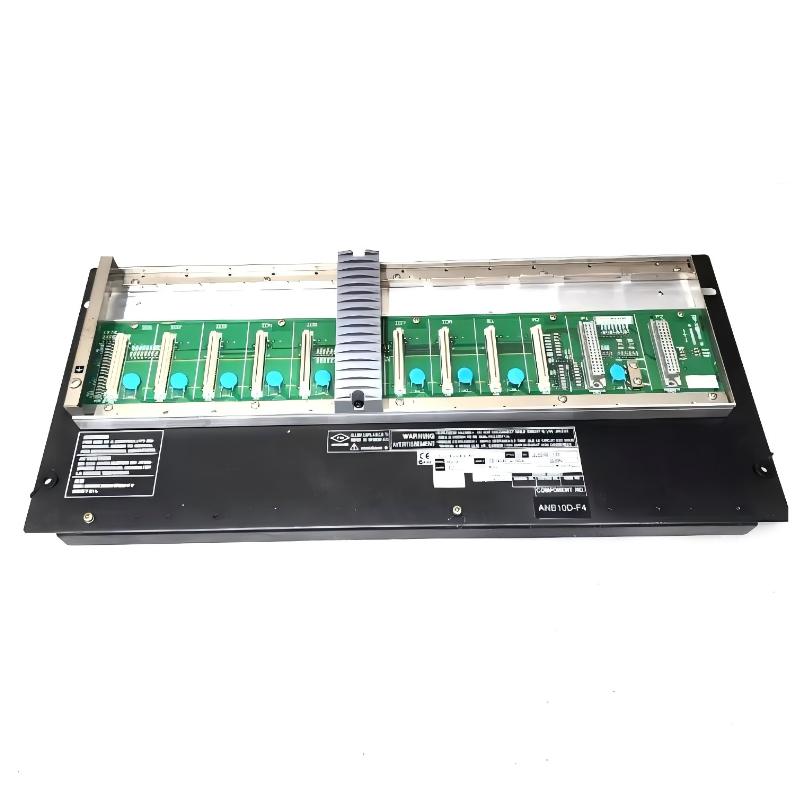
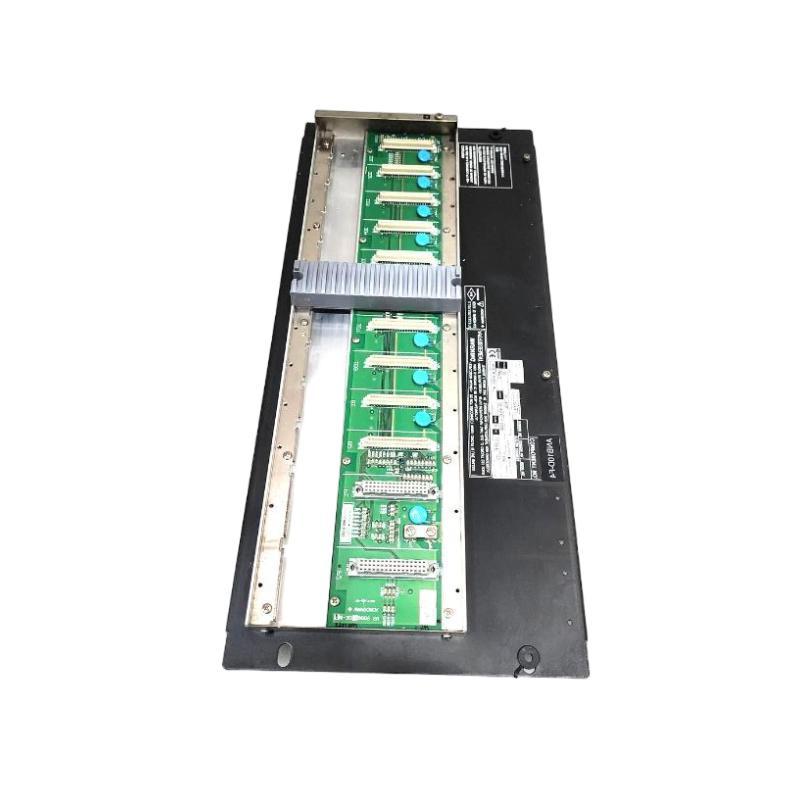
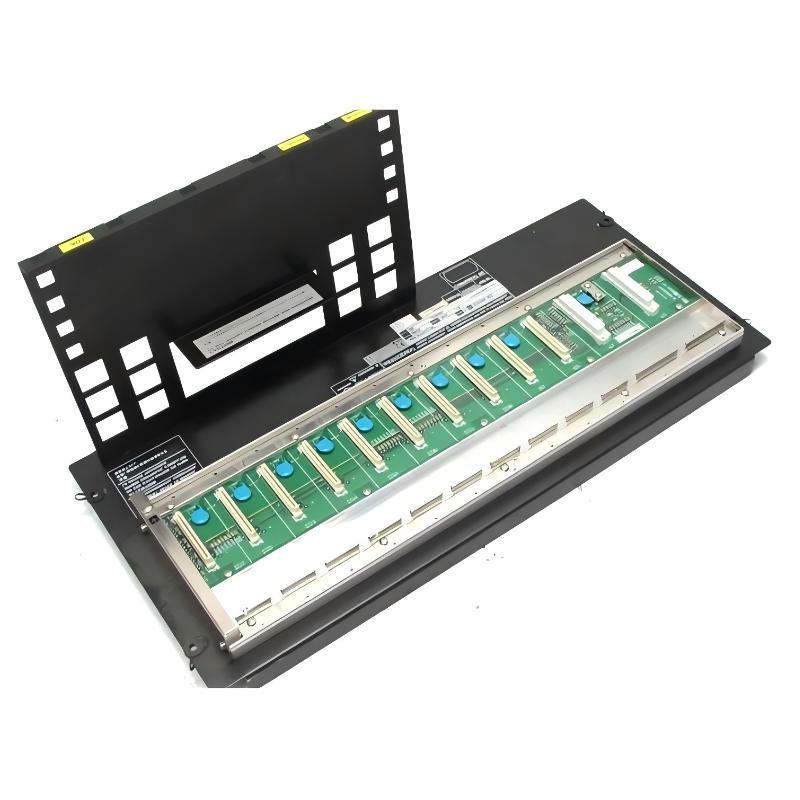
The ANB10D-445/CU2T is a reflection of Yokogawa’s focus on deterministic and highly reliable communication within distributed control systems. Unlike conventional networking devices, it is purpose-built for control applications where timing accuracy and system predictability are critical.
Its architecture supports structured communication across ESB networks, enabling efficient coordination between multiple control layers. This is particularly important in facilities where thousands of process variables must be monitored and controlled in real time.
The module is also designed with long-term operational stability in mind. Its robust construction and compatibility with Yokogawa’s evolving software ecosystem ensure that it remains a dependable component throughout the lifecycle of the control system.
Technical Specifications
| Parameter | Specification |
|---|
| Model | ANB10D-445/CU2T |
| Module Type | ESB Bus Node Unit |
| System Compatibility | Yokogawa CENTUM VP |
| Communication Protocol | ESB (Enhanced Serial Bus) |
| Redundancy Support | Yes |
| Mounting | Rack-mounted |
| Operating Environment | Industrial control systems |
| Dimensions | 482.6 × 221.5 × 205 mm |
| Weight | 10 kg (22.05 lb) |
Application Landscape in Process Automation
The Yokogawa ANB10D-445/CU2T ESB Bus Node Unit is positioned for use in high-availability distributed control systems where uninterrupted communication is essential to plant operations. It is typically deployed in complex industrial infrastructures such as refinery process units, gas processing facilities, and large-scale utility plants.
Within these environments, the unit serves as a critical interface in the ESB (Enhanced Serial Bus) network, enabling structured and deterministic communication between field control stations and higher-level supervisory systems. The CU2T variant is often selected in projects requiring specific system-level configurations, particularly where redundancy schemes or interface variations are predefined by engineering standards.
Its role becomes especially important in multi-area plant layouts, where consistent communication across different operational zones is required to maintain synchronized control strategies.
System-Level Advantages and Reliability Factors
From a design and operations standpoint, the ANB10D-445/CU2T offers strong advantages in maintaining communication integrity across distributed systems. Its deterministic communication mechanism ensures that control data is transmitted at predictable intervals, which is essential for maintaining process stability in continuous production environments.
Redundancy is a key strength of this module. When deployed in dual configurations, it provides automatic failover between primary and standby communication paths. This capability significantly enhances system availability and minimizes the risk of unexpected shutdowns.
The hardware is also engineered for resilience. It performs reliably under conditions of electrical interference, temperature variation, and long-term continuous operation. This makes it particularly suitable for harsh industrial environments where equipment must operate with minimal maintenance.
Additionally, the module integrates tightly with Yokogawa’s engineering ecosystem, allowing efficient configuration, monitoring, and diagnostics. This reduces commissioning time and simplifies long-term system management.
Technical FAQs
1. What is the main function of the ANB10D-445/CU2T?
It acts as a communication node within the ESB network, facilitating data exchange between control system components.
2. What distinguishes the CU2T version from CU2N?
The CU2T variant typically aligns with specific interface or redundancy configurations defined in system design.
3. Does it support redundant operation?
Yes, it supports dual-redundant ESB configurations for high system availability.
4. Which control systems is it compatible with?
It is designed for Yokogawa CENTUM VP and related DCS platforms.
5. How does it handle communication failures?
It automatically switches to a backup communication path in redundant setups without interrupting operations.
6. Is it suitable for large-scale industrial systems?
Yes, it is optimized for complex plants with extensive distributed control requirements.
7. What type of installation does it require?
It is installed as a rack-mounted module within control cabinets.
8. How are diagnostics performed?
Through integrated diagnostic functions accessible via Yokogawa engineering tools.
9. Can it operate continuously for long periods?
Yes, it is designed for long lifecycle operation, often exceeding 10 years in industrial environments.
10. Does it require specialized configuration tools?
Yes, configuration is performed using Yokogawa’s proprietary engineering software suite.
 A DCS Q Co., Ltd. - PLC and DCS Industrial Control Equipment Wholesale