Technical Overview and Design Insight
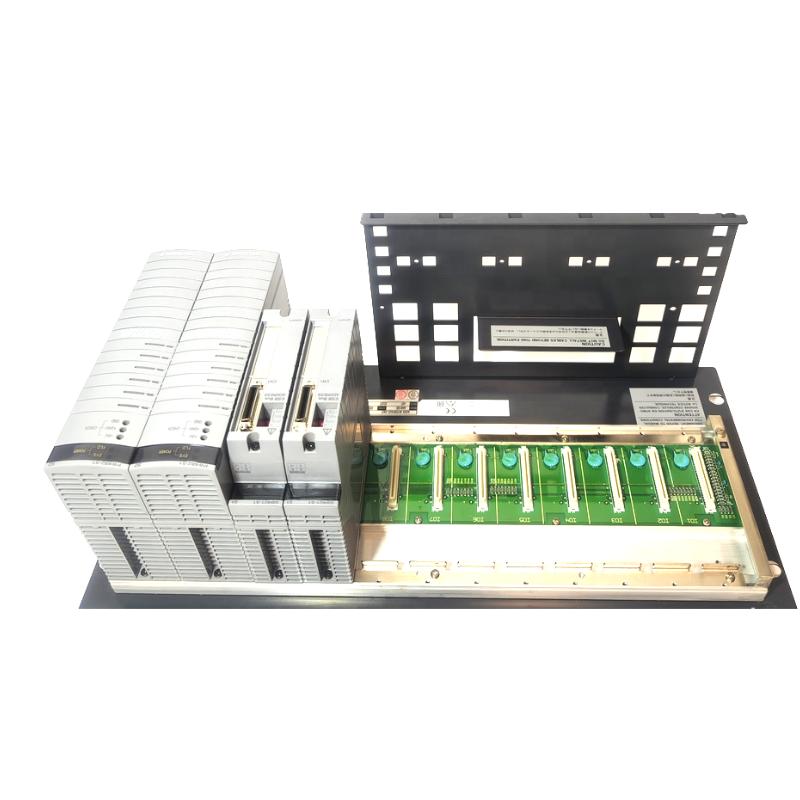
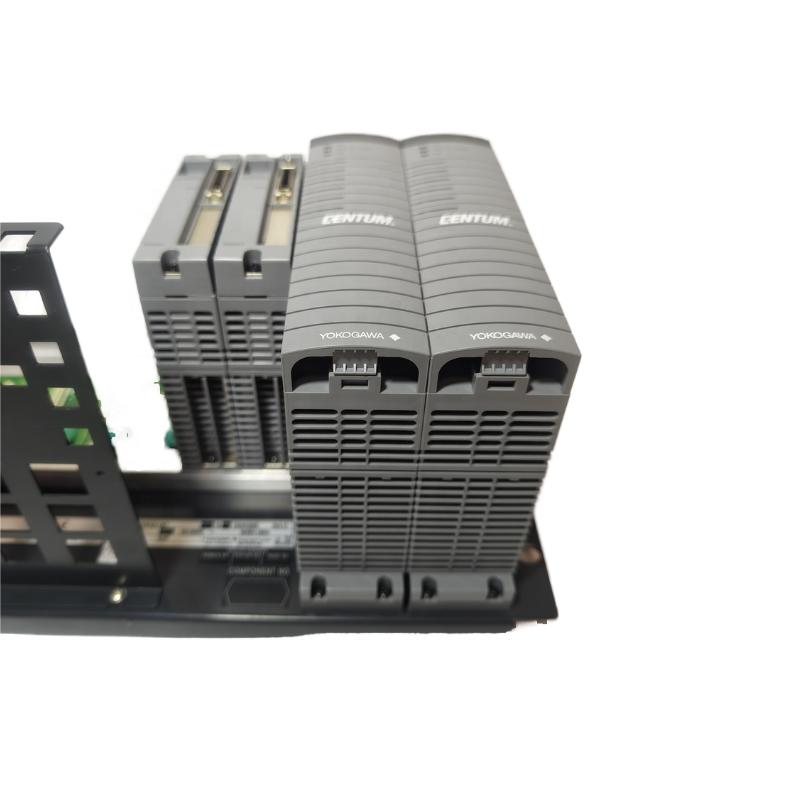
The ANB10D-427/CU2T reflects Yokogawa’s long-standing design philosophy centered on stability, predictability, and lifecycle longevity. Rather than focusing on general-purpose networking flexibility, this module is purpose-built for deterministic control communication, ensuring that timing and synchronization are maintained across all connected systems.
Its integration within the ESB architecture allows it to serve as a reliable communication node, supporting structured data exchange across distributed control environments. This is particularly critical in facilities where thousands of I/O signals must be processed and coordinated in real time.
The design also prioritizes long-term operational stability. Many Yokogawa systems remain in service for over a decade, and this unit is built to meet those expectations through robust hardware construction and consistent firmware support.
Technical Specifications
| Parameter | Specification |
|---|
| Model | ANB10D-427/CU2T |
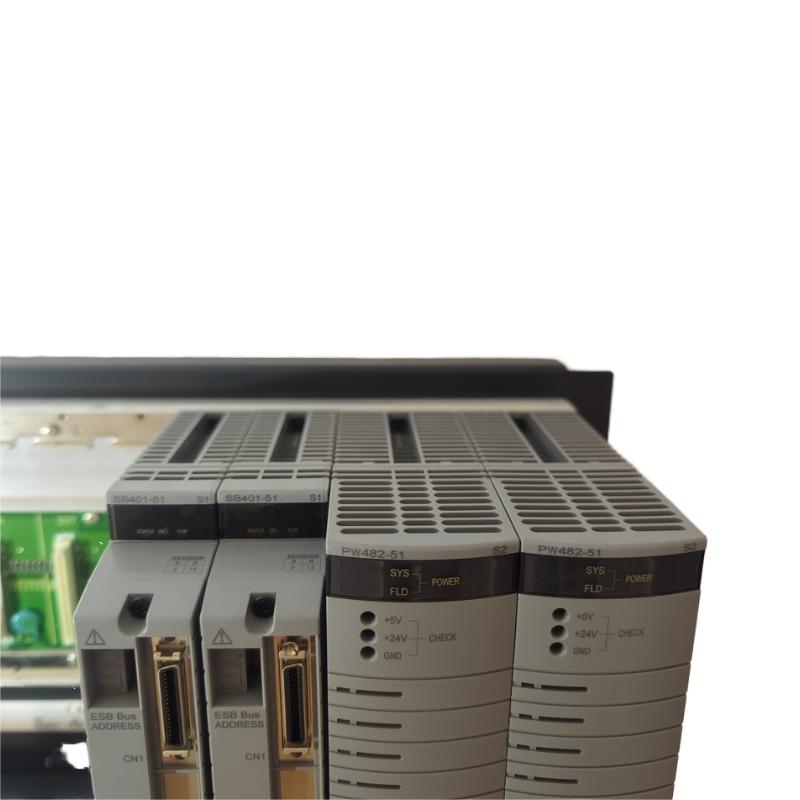
| Module Type | ESB Bus Node Unit |
| System Compatibility | Yokogawa CENTUM VP |
| Communication Protocol | ESB (Enhanced Serial Bus) |
| Redundancy Support | Yes |
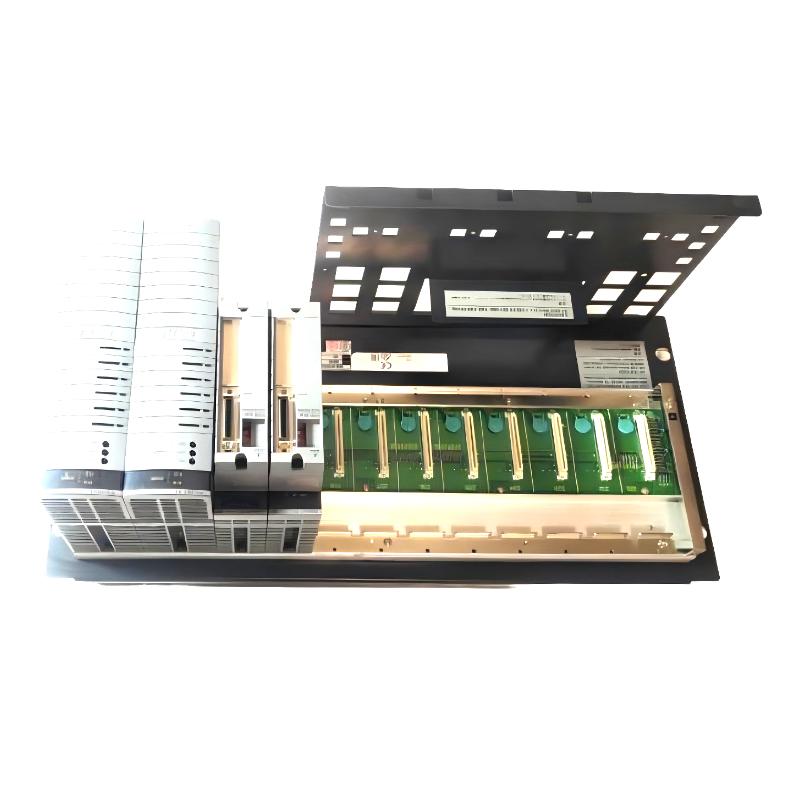
| Mounting | Rack-mounted |
| Operating Environment | Industrial control systems |
| Dimensions | 482.6 × 221.5 × 205 mm |
| Weight | 10 kg (22.05 lb) |
Field Deployment and System Integration
The Yokogawa ANB10D-427/CU2T ESB Bus Node Unit is specifically engineered for integration within Yokogawa distributed control systems, where consistent and fault-tolerant communication is essential. In practical deployments, this unit is typically installed in control cabinets of large-scale industrial facilities such as petrochemical plants, combined cycle power stations, and offshore drilling platforms.
It acts as a communication backbone component within the ESB (Enhanced Serial Bus) network, linking field control stations (FCS) with higher-level control layers. Engineers often select the CU2T variant when configuring systems that require specific interface or redundancy characteristics aligned with project-level design standards.
This module is especially valuable in segmented control architectures, where multiple process areas operate semi-independently but still require synchronized data exchange across the entire plant.
Performance Highlights and Engineering Value
From an operational standpoint, the ANB10D-427/CU2T offers exceptional communication reliability, which is critical in environments where process continuity must be maintained at all times. Its deterministic data transmission ensures that control signals are delivered within predictable timeframes, reducing the risk of process instability.
A major advantage is its support for redundant ESB configurations. In dual-node setups, the unit enables seamless failover between active and standby communication paths. This redundancy mechanism is essential for industries that cannot tolerate unexpected downtime, such as refining or energy production.
Another key strength lies in its hardware durability. Built to industrial-grade standards, the unit performs reliably under electrical noise, temperature variation, and continuous operation. This makes it well-suited for long-term installations where maintenance windows are limited.
Additionally, the CU2T variant is optimized for compatibility within Yokogawa’s ecosystem, minimizing configuration complexity and ensuring stable integration with existing engineering tools and control strategies.
Technical FAQs
1. What distinguishes the CU2T variant from CU2N?
The CU2T version typically corresponds to specific system configuration or interface requirements within Yokogawa DCS architectures.
2. Is this unit suitable for redundant network configurations?
Yes, it fully supports redundant ESB communication setups for high-availability systems.
3. What role does it play in the control system?
It functions as a bus node that facilitates communication between control stations over the ESB network.
4. Can it handle high data traffic loads?
Yes, it is designed for stable performance even under heavy communication loads in large systems.
5. How does it respond to communication failures?
In redundant configurations, it automatically switches to the backup communication path without interrupting system operation.
6. Is it compatible with legacy Yokogawa systems?
Yes, it is often used in system upgrades and expansions due to its backward compatibility.
7. What kind of diagnostics does it provide?
It includes built-in diagnostic capabilities accessible through Yokogawa engineering software.
8. Does it require frequent maintenance?
No, it is designed for long-term operation with minimal maintenance requirements.
9. How is it installed within a system?
It is rack-mounted within control cabinets as part of the ESB network infrastructure.
10. What industries typically use this module?
Oil & gas, power generation, chemical processing, and other continuous process industries.
 A DCS Q Co., Ltd. - PLC and DCS Industrial Control Equipment Wholesale