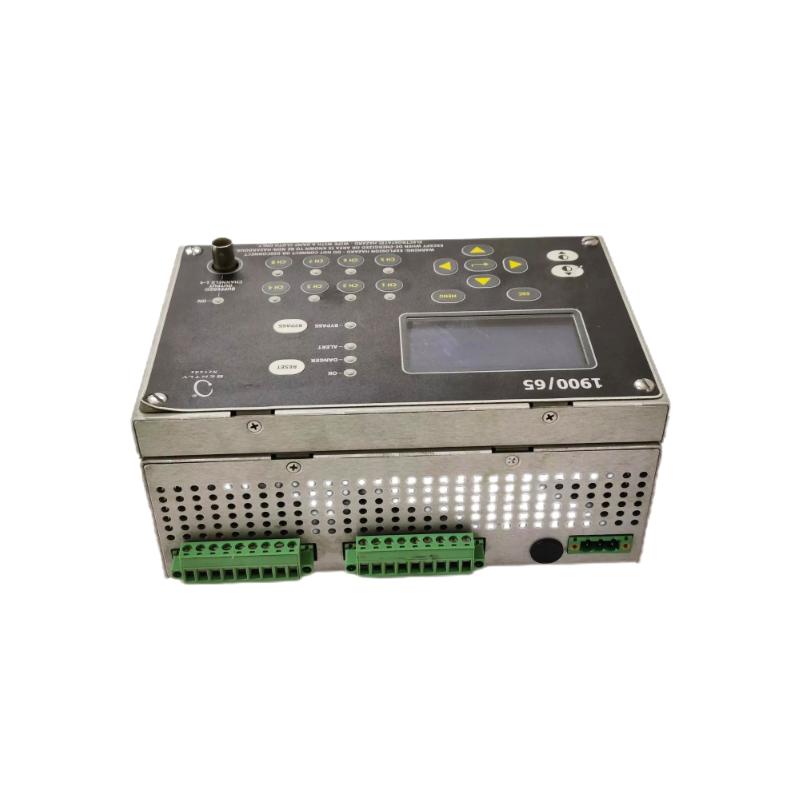
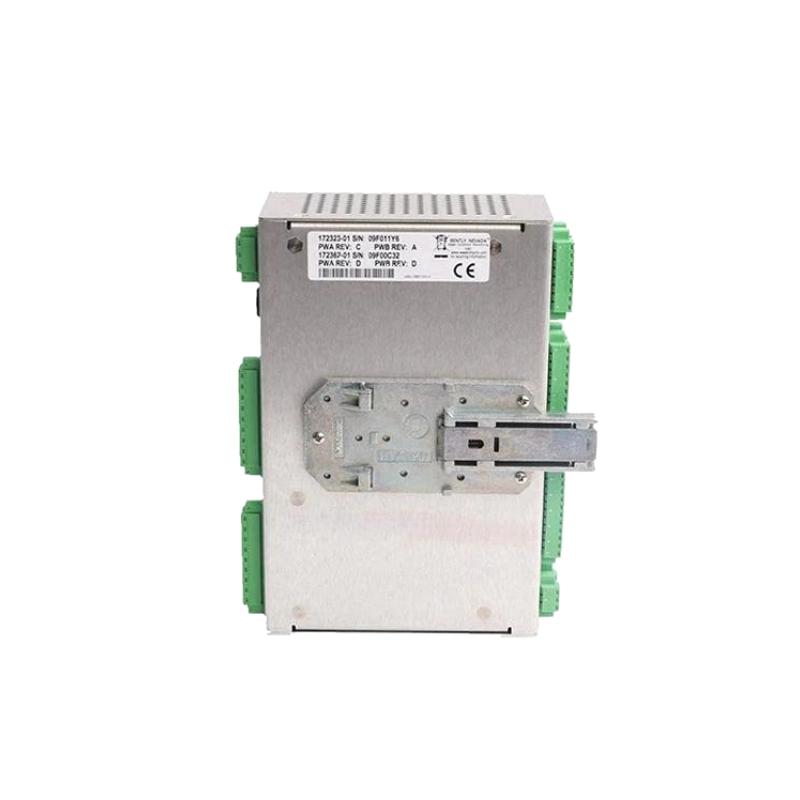
Introduction:
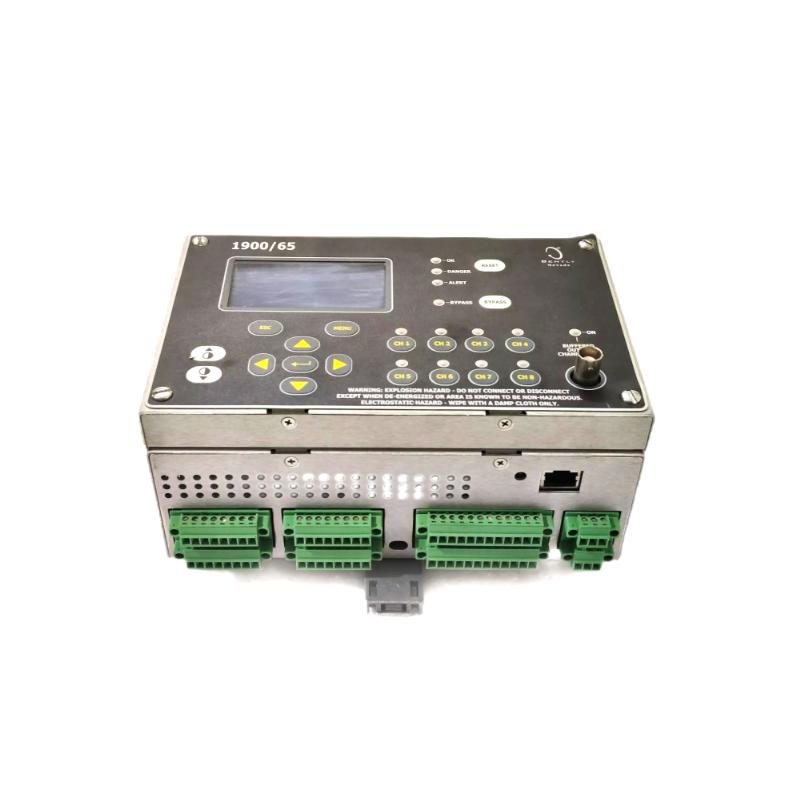
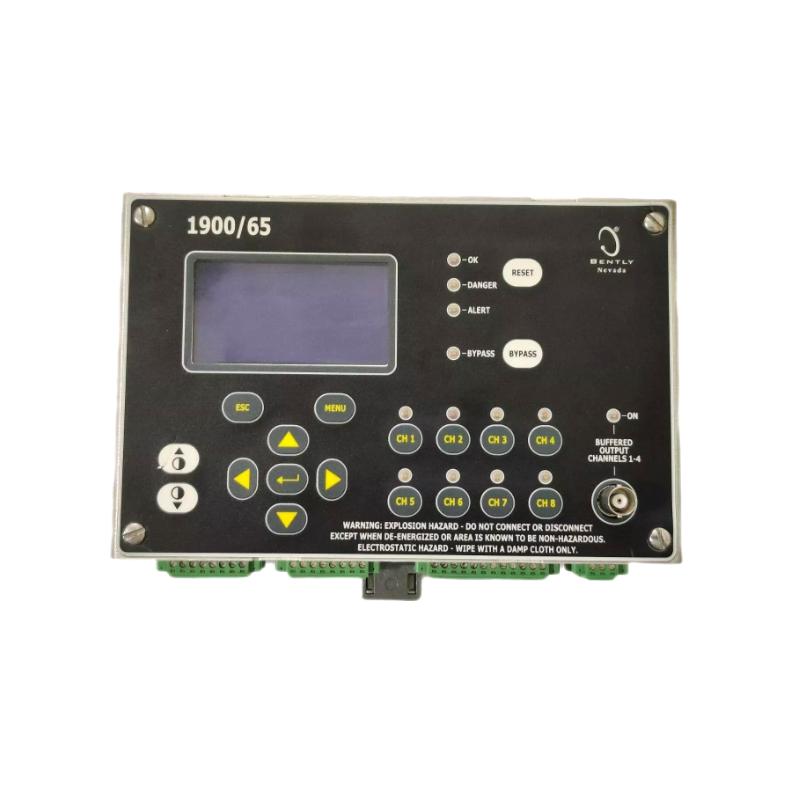
The 1900/65A-01-01-01-00-01 represents a practical balance between simplicity and functional depth in machinery protection systems. It is designed for engineers who require dependable condition monitoring without the complexity of rack-based platforms. By combining real-time signal processing, configurable alarm logic, and rugged industrial construction, it delivers consistent protection performance across a wide range of industrial environments.
Technical Specifications:
| Specification | Value |
|---|
| Module Type | General Equipment Monitor |
| Model Number | 1900/65A-01-01-01-00-01 |
| Monitoring Parameters | Vibration, Position, Speed |
| Alarm Outputs | Relay Contacts (Configurable) |
| Power Supply | 24 VDC |
| Operating Temperature | -20°C to 60°C |
| Dimensions (W x H x D) | 196.9 x 149.4 x 74.4 mm |
| Weight | 0.77 kg (1.7 lb) |
| Mounting | Panel / DIN Rail |
Application Context:
The Bently Nevada 1900/65A General Equipment Monitor in this configuration is intended for industrial environments where reliable machine protection must remain independent, fast, and locally executed. It is frequently selected when system architecture requires distributed intelligence rather than centralized monitoring logic.
-
Critical Rotating Machinery: Continuous supervision of pumps, compressors, and motor-driven systems
-
Process Support Equipment: Monitoring auxiliary systems in oil & gas, chemical, and power industries
-
OEM Skid Systems: Embedded monitoring for packaged industrial machinery
-
Remote Industrial Assets: Autonomous protection for equipment located in unmanned stations
Key Engineering Advantages:
-
Localized Protection Logic: Alarm decisions are executed at device level for faster response
-
Stable Signal Conditioning: Designed to maintain accuracy under vibration and electrical noise
-
Flexible Channel Configuration: Supports independent setup per monitoring channel
-
Robust Industrial Design: Built for continuous duty in harsh operating environments
-
Low Engineering Overhead: Simplified commissioning reduces installation time and complexity
 A DCS Q Co., Ltd. - PLC and DCS Industrial Control Equipment Wholesale