Industrial Overview
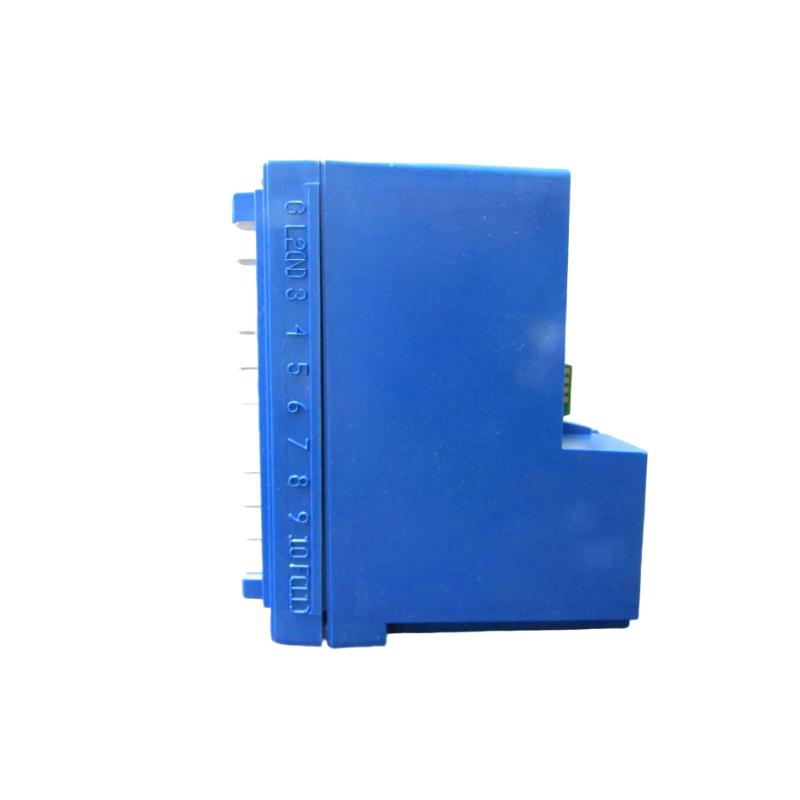
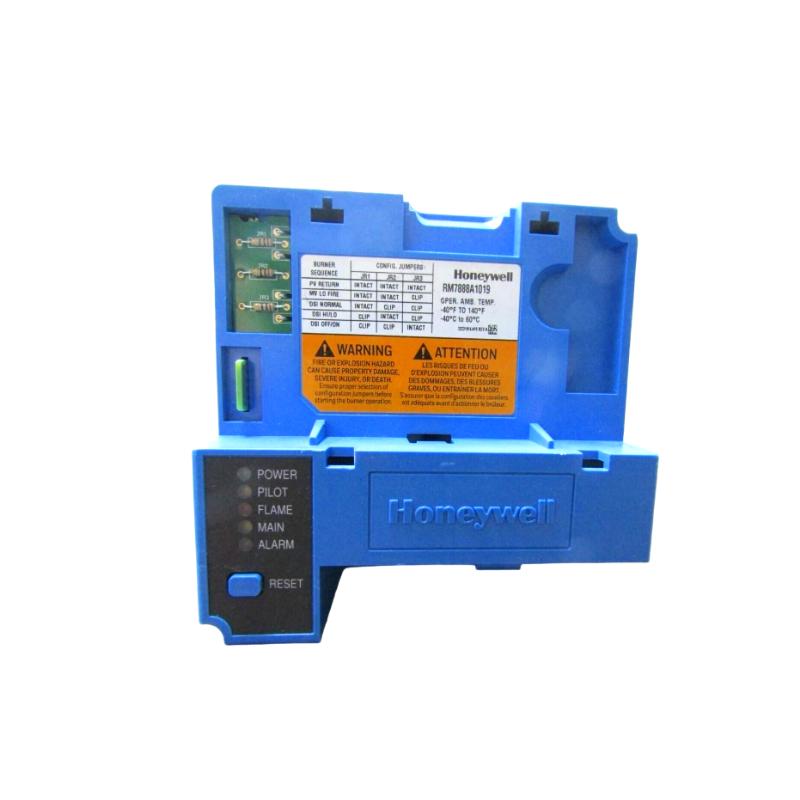
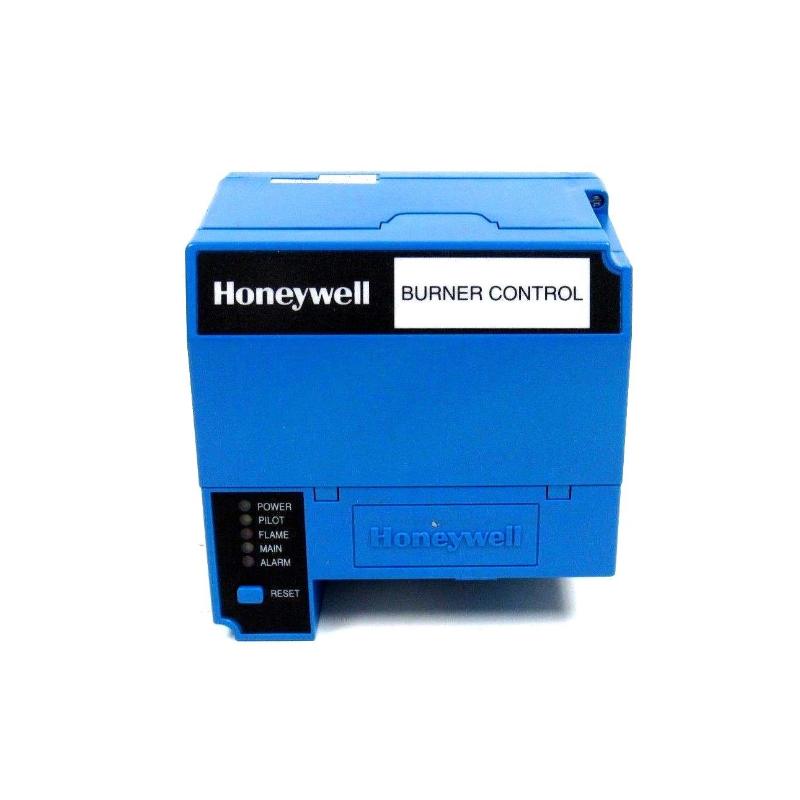
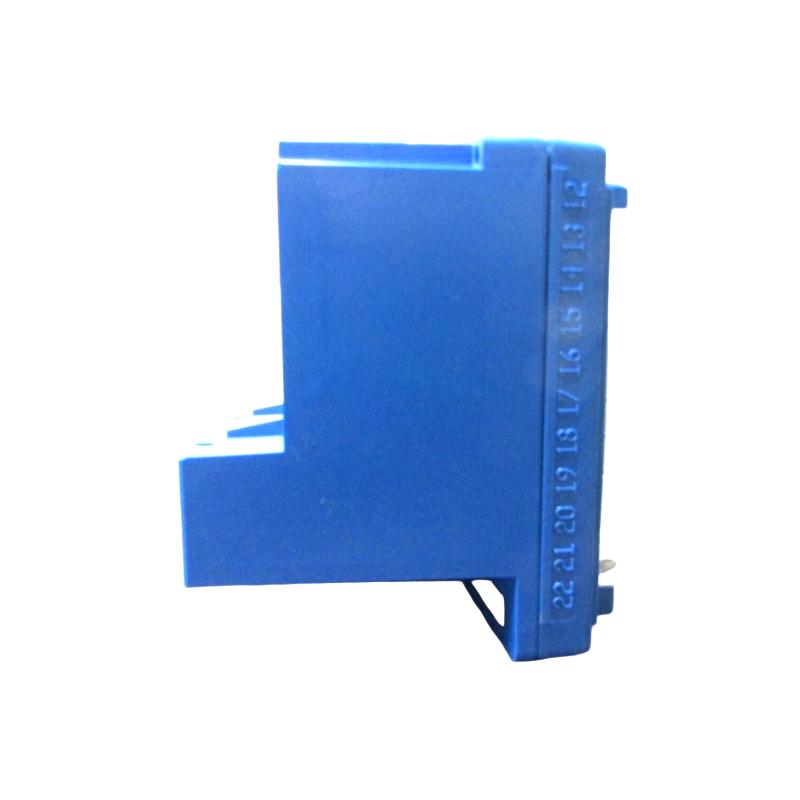
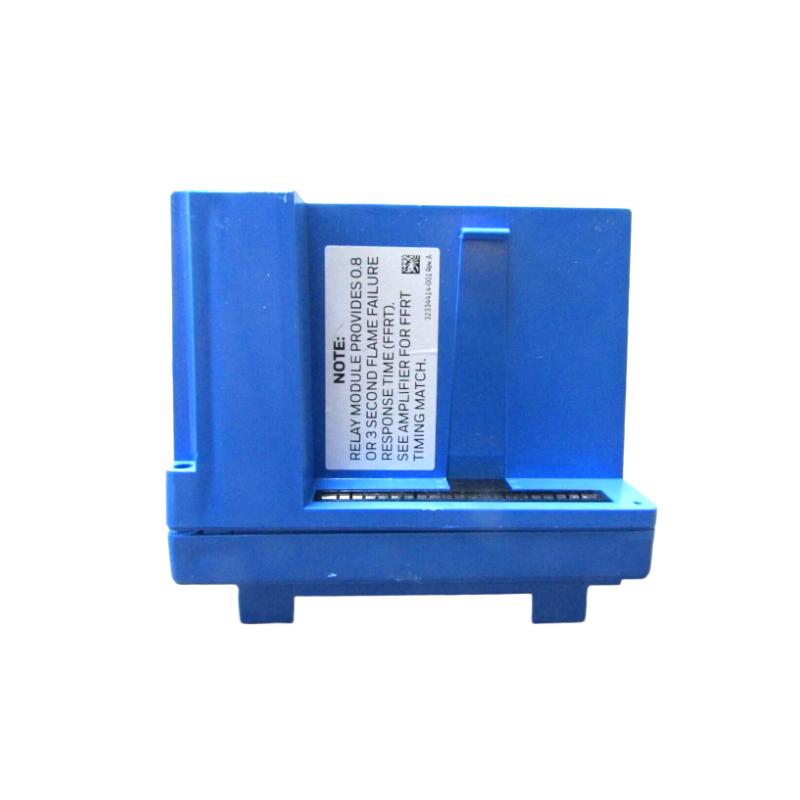
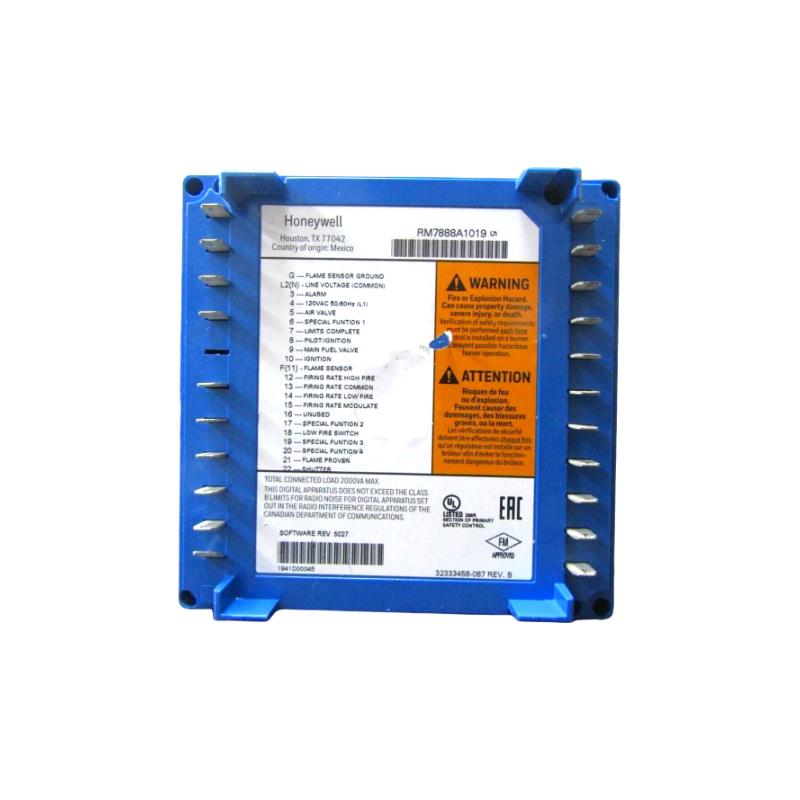
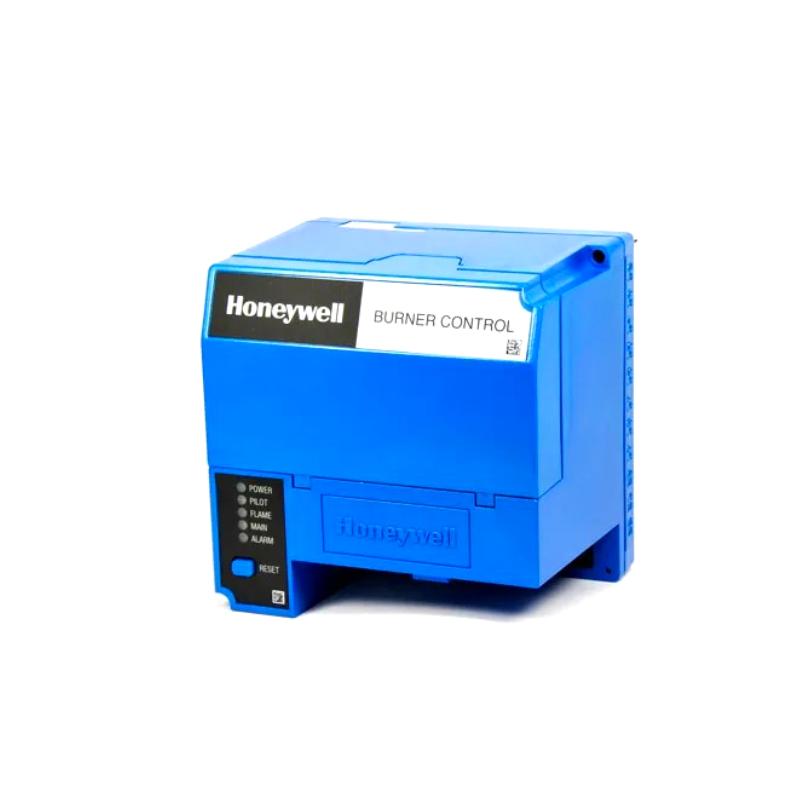
The Honeywell RM7888A1019 Burner Control is a PLC-adaptable, microprocessor-based primary burner management module from the Honeywell 7800 Series Flame Safeguard platform. It is designed for industrial single or multi-burner combustion systems, supporting gas, oil, coal, and dual-fuel applications with selectable operating sequences and advanced diagnostic capability.
This model is commonly used in semi-automatic combustion systems, where the burner is initiated by a master controller, while the RM7888 handles safety sequencing, ignition control, flame supervision, and system lockout protection. It is engineered for high operational flexibility in complex process heating environments.
Technical Specifications
| Parameter | Specification |
|---|
| Manufacturer | Honeywell |
| Model | RM7888A1019 |
| Series | 7800 Series Burner Control |
| Module Type | PLC-adaptable primary burner control |
| Application | Single / multiple burner systems |
| Fuel Compatibility | Gas, oil, coal, combination fuels |
| Supply Voltage | 120 VAC (±10%) |
| Frequency | 50/60 Hz |
| Control Architecture | Microprocessor-based sequencing logic |
| Pilot Type | Selectable (intermittent / interrupted) |
| Pre-Purge Time | System-defined via master control |
| Pilot Flame Establishing | ~4 seconds |
| Main Flame Establishing | ~15 seconds |
| Operating Modes | Multiple selectable run sequences |
| Diagnostics | Self-check, fault history, LED status indicators |
| Memory | Non-volatile event and sequence retention |
| Communication Options | Optional ControlBUS / PC interface modules |
| Mounting | Q7800 wiring subbase |
| Operating Temperature | -40°C to +60°C |
| Vibration Rating | Industrial-grade (low–moderate vibration) |
| Weight | ~1.0–1.2 kg |
Application Scenarios
The RM7888A1019 is widely applied in industrial combustion systems requiring flexible sequencing control:
-
Industrial boilers and fired heaters
-
Petrochemical heating systems
-
Multi-burner furnace installations
-
Oil & gas thermal process units
-
Power plant auxiliary combustion systems
Its PLC-adaptable design makes it suitable for systems where a higher-level controller manages process logic while the RM7888 ensures burner-level safety execution.
Engineering Advantages
The RM7888A1019 is engineered for high flexibility, configurable sequencing, and strong combustion safety assurance.
A key advantage is its multi-sequence operating capability, allowing engineers to configure different burner start-up and run strategies depending on process requirements. This makes it suitable for both single-burner and coordinated multi-burner systems.
It also features advanced flame supervision with plug-in amplifier compatibility, enabling support for different flame detection technologies depending on application needs.
Another major strength is its non-volatile memory system, which retains fault history and operational state after power loss—significantly improving troubleshooting efficiency in complex burner environments.
Additionally, its modular 7800 Series architecture allows integration with display modules, communication interfaces, and expanded annunciation systems, supporting more advanced plant control strategies.
Technical FAQs
1. What is the main function of RM7888A1019?
It manages burner sequencing, ignition, and flame safety supervision.
2. What system does it belong to?
Honeywell 7800 Series burner management system.
3. Is it PLC-controlled?
Yes, it is PLC-adaptable for integration with higher-level controllers.
4. What fuel types does it support?
Gas, oil, coal, and combination fuels.
5. What is the supply voltage?
120 VAC industrial supply.
6. What is the pilot flame establishing time?
Approximately 4 seconds.
7. What is the main flame establishing time?
Approximately 15 seconds.
8. Does it support multiple operating sequences?
Yes, it supports selectable run sequences for flexible operation.
9. Does it store fault history?
Yes, via non-volatile memory retention.
10. What industries use it most?
Power generation, oil & gas, petrochemical, and industrial heating systems.
 A DCS Q Co., Ltd. - PLC and DCS Industrial Control Equipment Wholesale