Introduction
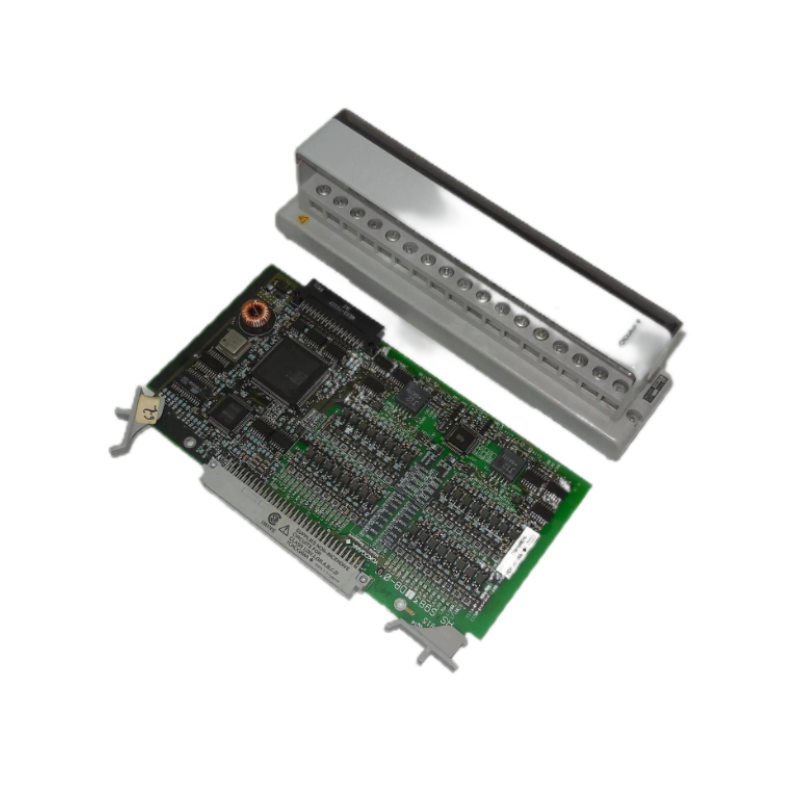
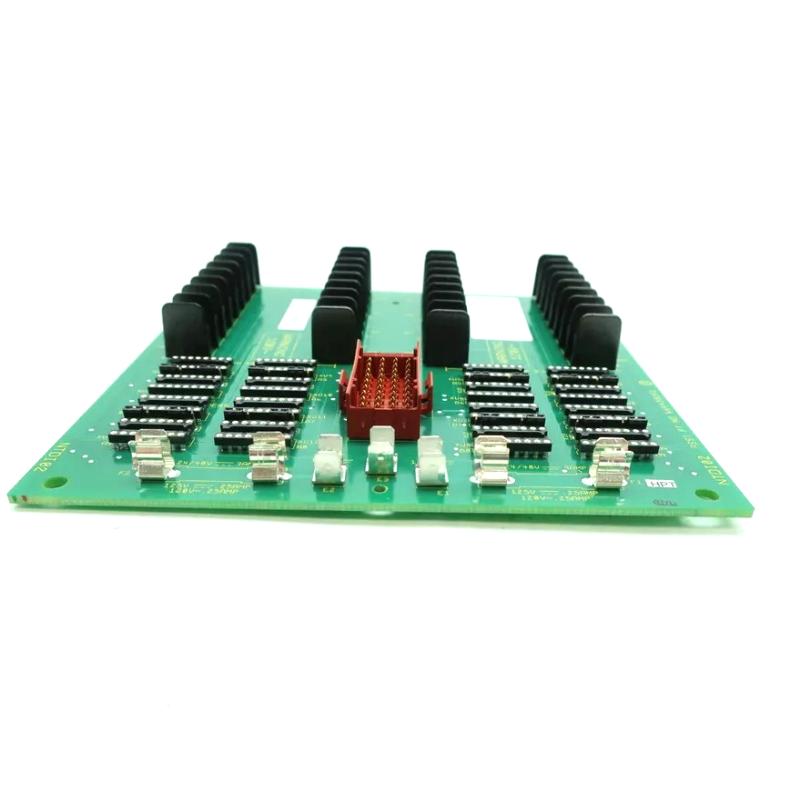
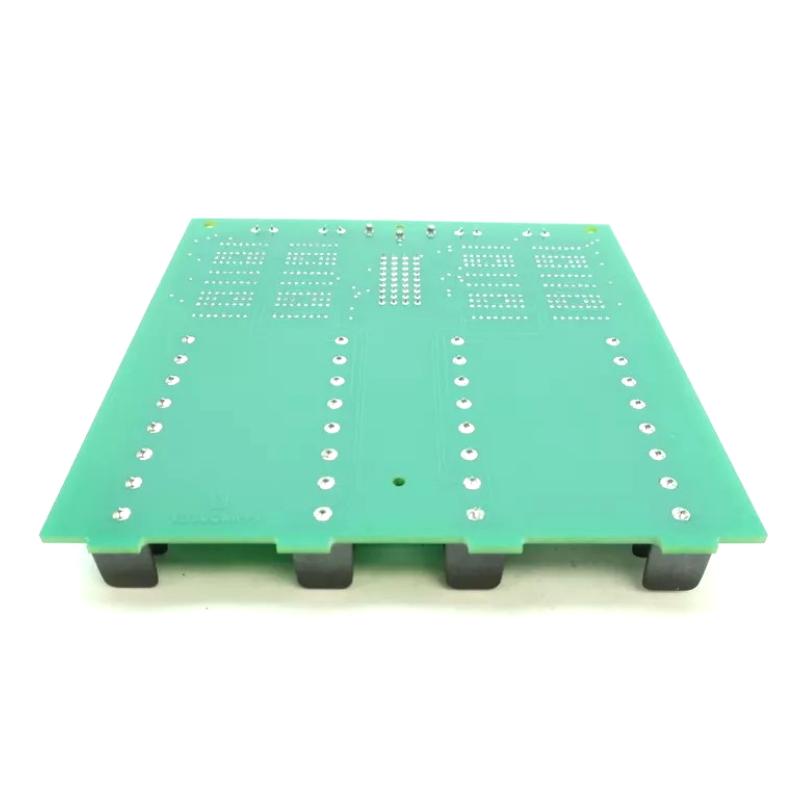
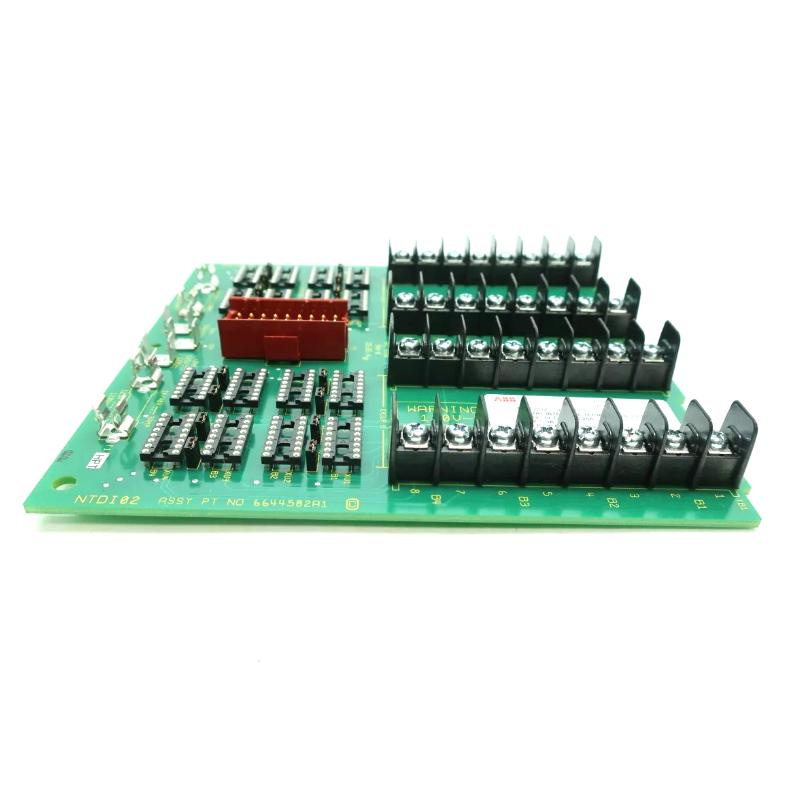
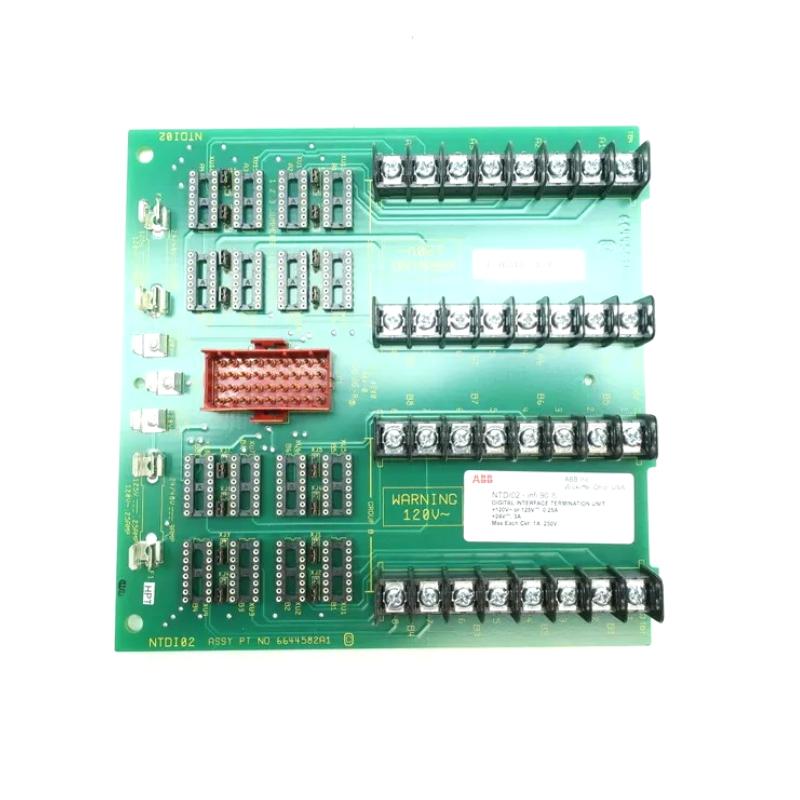
The ABB Bailey NTDI02 Digital I/O Termination Unit is a high-performance interface component designed for INFI 90 and Symphony distributed control systems (DCS). It acts as a reliable termination and signal distribution point between field-level digital devices and system I/O modules, ensuring clean, stable, and well-organized signal routing across industrial automation environments.
As a functional evolution of ABB’s legacy termination architecture, the NTDI02 is widely recognized for its improved compatibility, flexible integration capability, and robust industrial design. It is especially valued in modernization projects where legacy Bailey systems continue to operate alongside upgraded control infrastructure.
Technical Specifications
Engineered for industrial-grade reliability, the NTDI02 combines compact design with strong electrical and mechanical performance.
| Parameter | Specification |
|---|
| Model | NTDI02 |
| Manufacturer | ABB Bailey |
| Product Type | Digital I/O Termination Unit |
| System Compatibility | INFI 90 / Symphony DCS |
| Function | Digital signal termination & distribution |
| Supported I/O Modules | IMDSI, IMDSO, IMDSM, IMFCS series |
| Channel Capacity | Up to 16 digital signal points |
| Signal Type | Discrete digital I/O (ON/OFF, relay/contact) |
| Mounting Type | Panel / rack installation |
| Terminal Type | Industrial screw clamp terminals |
| Operating Temperature | 0°C to +60°C |
| Storage Temperature | -40°C to +85°C |
| Humidity Range | 5% – 95% non-condensing |
| Insulation Resistance | ≥100 MΩ at 500 VDC |
| Dielectric Strength | 1500 VAC for 1 minute |
| Dimensions (W × H × D) | 82 × 120 × 94 mm |
| Weight | ~0.23–0.30 kg |
Applications
The NTDI02 is built for complex industrial environments where stable digital signal handling is essential:
-
Power Generation Systems – breaker status monitoring, turbine control signals, alarm circuits
-
Oil & Gas Operations – emergency shutdown systems, valve status feedback, field switch integration
-
Chemical Processing Plants – batch interlocks, safety signal routing, process monitoring
-
Water & Wastewater Facilities – pump control signals, tank level switches, automation feedback loops
-
Manufacturing Automation – machine interlocks, production line sensors, control logic termination
-
Advantages
The ABB NTDI02 delivers strong value in both maintenance and system expansion scenarios:
-
Enhanced System Compatibility – integrates seamlessly with ABB INFI 90 and Symphony platforms
-
Stable Signal Handling – reduces noise and ensures clean digital transmission
-
Compact Engineering Design – optimized for dense control cabinet layouts
-
High Electrical Protection – strong insulation and dielectric resistance for industrial safety
-
Flexible Installation – suitable for rack or panel mounting configurations
-
Maintenance-Friendly Layout – clearly structured terminals simplify troubleshooting
-
Proven Industrial Reliability – designed for long-term continuous operation in harsh environments
Technical FAQs
1. What is the main function of NTDI02?
It provides termination and structured distribution for digital I/O signals in ABB DCS systems.
2. Is NTDI02 active or passive?
It is a passive termination unit with no processing capability.
3. How many channels does it support?
Typically supports up to 16 discrete digital points depending on configuration.
4. What systems is it compatible with?
ABB INFI 90 and Symphony distributed control systems.
5. Can it replace NTDI01 directly?
It is functionally compatible in many applications but not always a direct hardware replacement.
6. What type of signals does it handle?
Digital on/off signals such as contacts, switches, and relay outputs.
7. What is its typical weight?
Approximately 0.23 to 0.30 kg depending on configuration.
8. Does it require configuration software?
No, it operates as a passive wiring termination device.
9. What is its operating temperature range?
0°C to +60°C under standard industrial conditions.
10. Why is it widely used in legacy systems?
Because it ensures stable signal routing while maintaining compatibility with ABB Bailey architectures.
 A DCS Q Co., Ltd. - PLC and DCS Industrial Control Equipment Wholesale