Industrial Overview
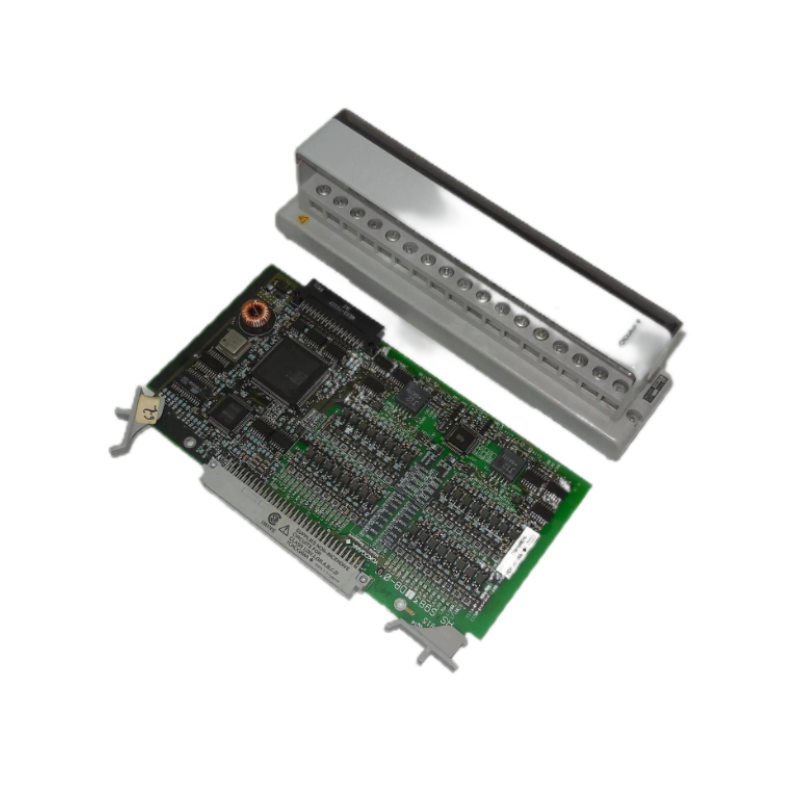
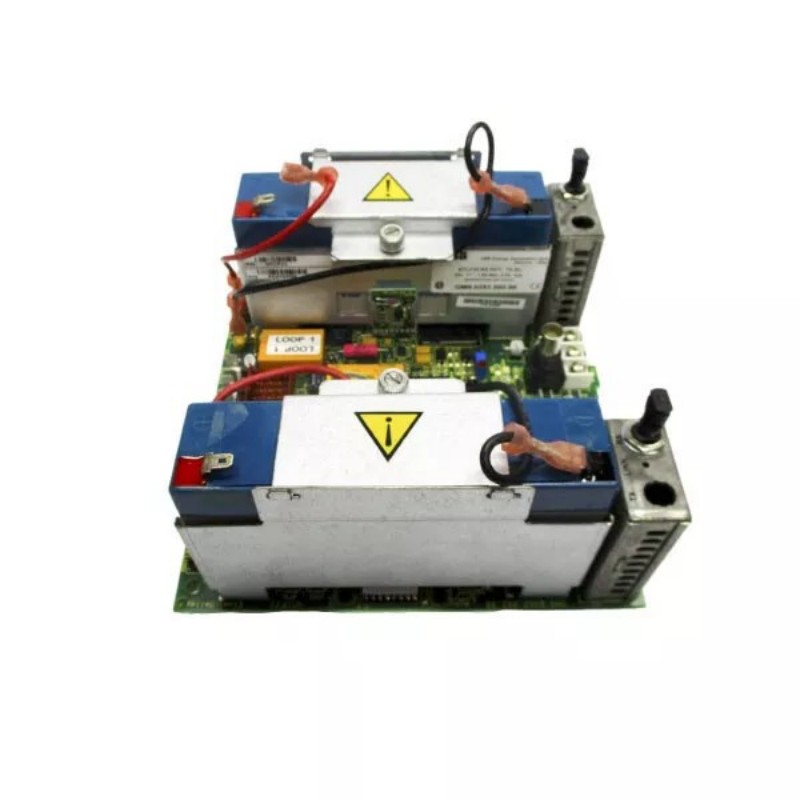
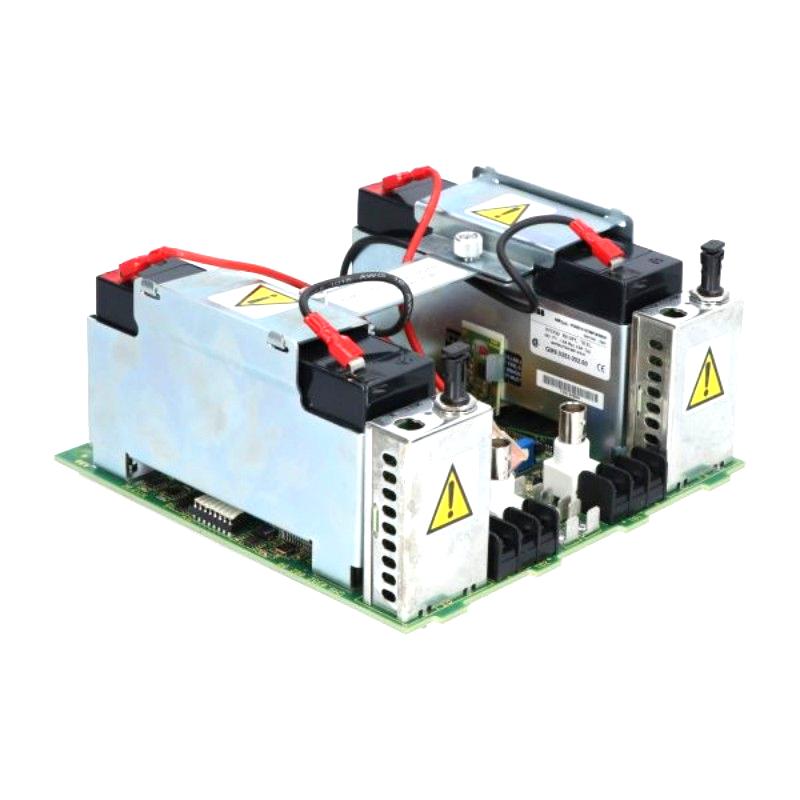
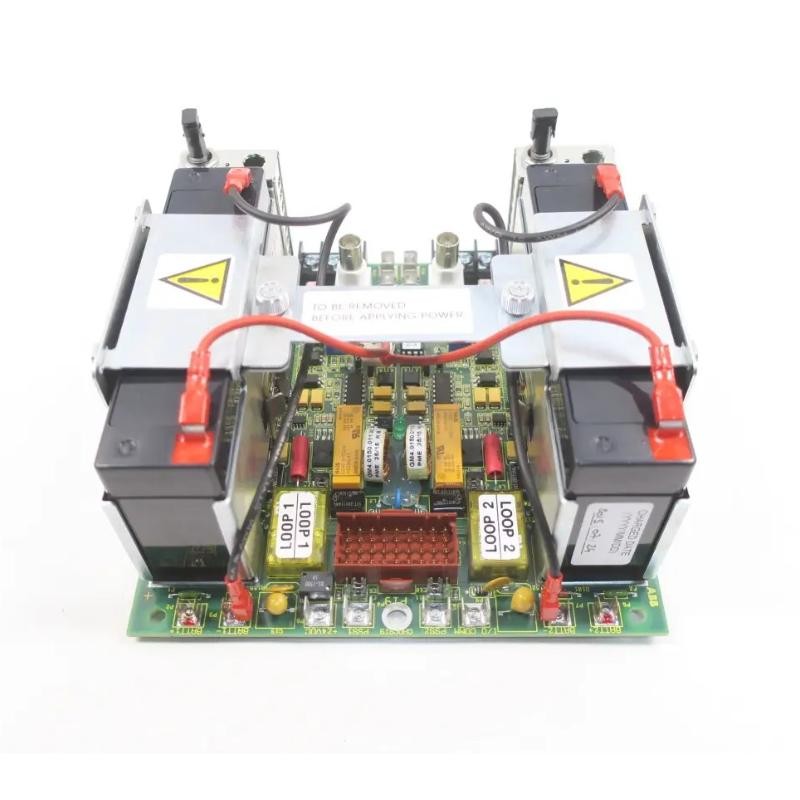
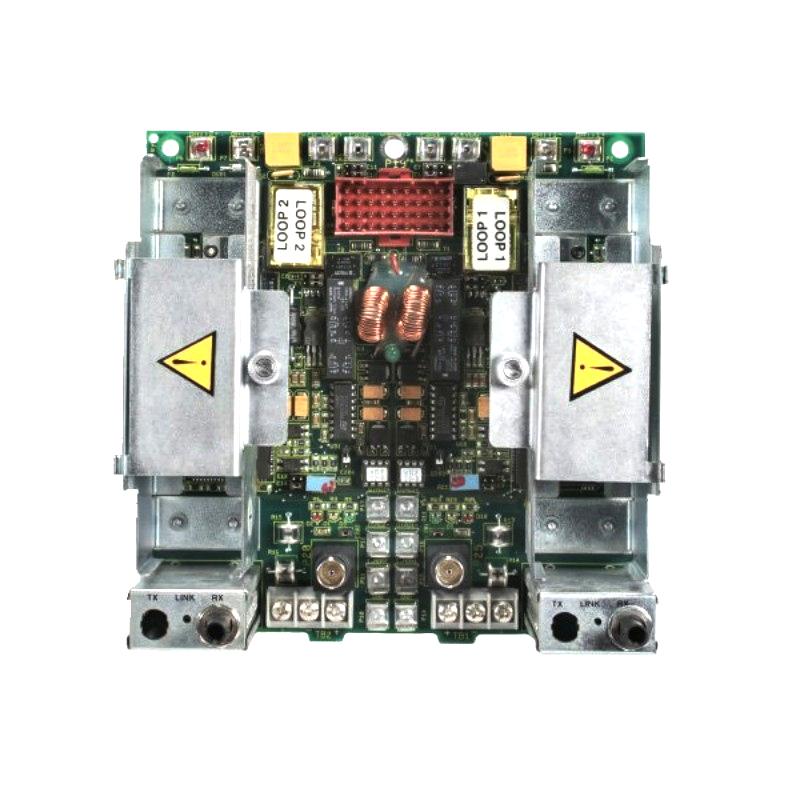
The ABB Bailey NTCF22 Termination Unit is a high-reliability interface component used in the INFI 90 Distributed Control System (DCS). It is specifically designed for INFI-Net optic-to-electric communication, enabling seamless conversion between fiber optic signals and electrical signals within industrial automation networks.
This module plays a critical role in maintaining high-speed, noise-immune, and long-distance communication across distributed control architectures. It is commonly used in legacy ABB Bailey installations where robust fiber optic networking is essential for stable process control and data integrity.
Technical Specifications
| Parameter | Details |
|---|
| Model | NTCF22 |
| System | ABB Bailey INFI 90 |
| Type | INFI-Net Optic-to-Electric Termination Unit |
| Function | Fiber optic ↔ electrical signal conversion |
| Communication Protocol | INFI-Net / Fiber optic system |
| Power Requirement | 24 VDC (low power consumption) |
| Signal Conversion | Optic → Electric / Electric → System link |
| Operating Temperature | -20°C to +70°C |
| Storage Temperature | -40°C to +85°C |
| Humidity Range | 5%–95% non-condensing |
| Mounting Type | Cabinet / termination panel mounted |
| Dimensions (HxWxD) | Approx. 226 × 210 × 160 mm |
| Weight | Approx. 2.0–2.7 kg (varies by revision) |
Applications
The NTCF22 is widely deployed in industrial distributed control systems requiring optical communication, including:
-
Oil & gas production and pipeline monitoring
-
Power generation and substation automation
-
Petrochemical and refinery process control
-
Water and wastewater treatment systems
-
Heavy industrial manufacturing systems
-
Legacy ABB INFI 90 DCS network expansions
It is especially important in systems where fiber optic backbone communication is required for long-distance, interference-free data transmission.
Technical FAQs
1. What is the main function of the NTCF22?
It converts INFI-Net fiber optic signals into electrical signals and vice versa for ABB INFI 90 systems.
2. What system is it used in?
It is used in ABB Bailey INFI 90 Distributed Control Systems.
3. What type of communication does it support?
It supports INFI-Net fiber optic communication architecture.
4. Is it bidirectional?
Yes, it supports optic-to-electric and electric-to-optic conversion.
5. What is its power requirement?
It operates on a 24 VDC supply with low power consumption.
6. What industries use it?
Oil & gas, power generation, petrochemical, and water treatment industries.
7. What is its operating temperature range?
-20°C to +70°C.
8. Is it still used today?
Yes, mainly in existing legacy INFI 90 installations.
9. How is it installed?
It is mounted inside control cabinets or termination panels.
10. What is its main advantage over standard termination units?
It enables reliable fiber optic communication with high noise immunity over long distances.
 A DCS Q Co., Ltd. - PLC and DCS Industrial Control Equipment Wholesale