Product Insight
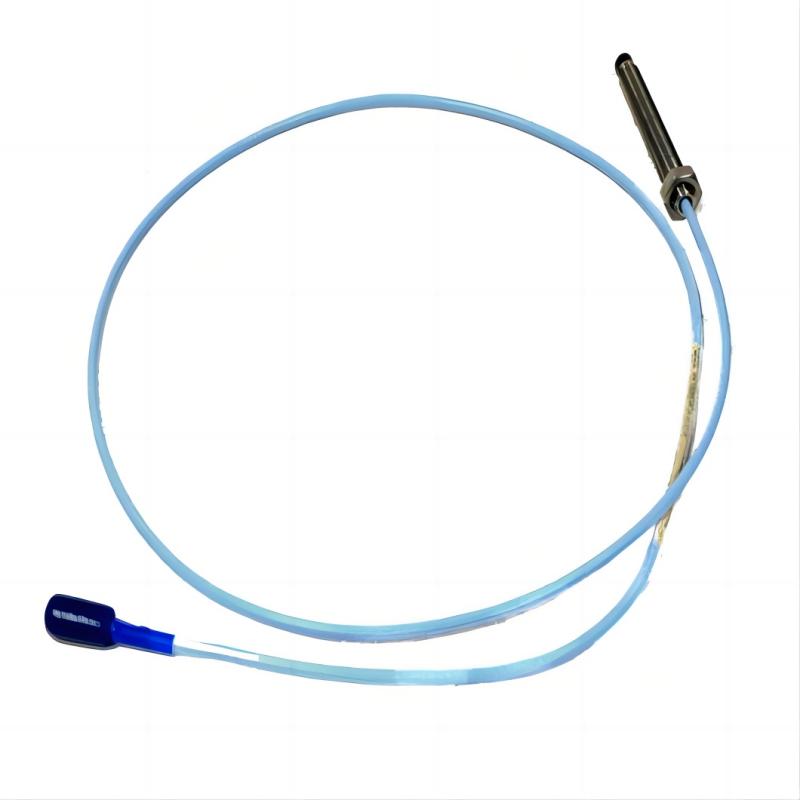
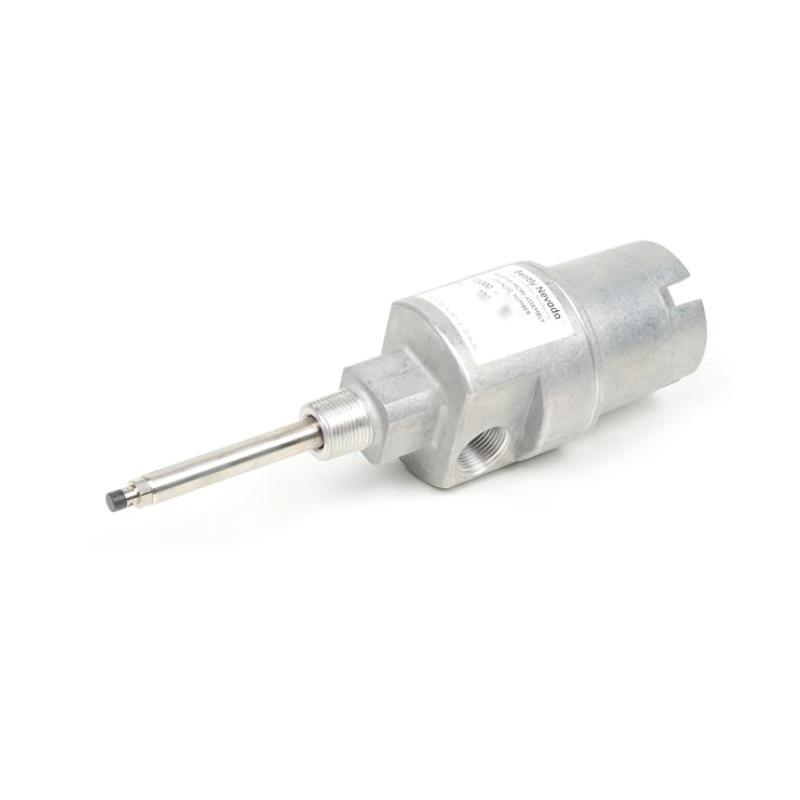
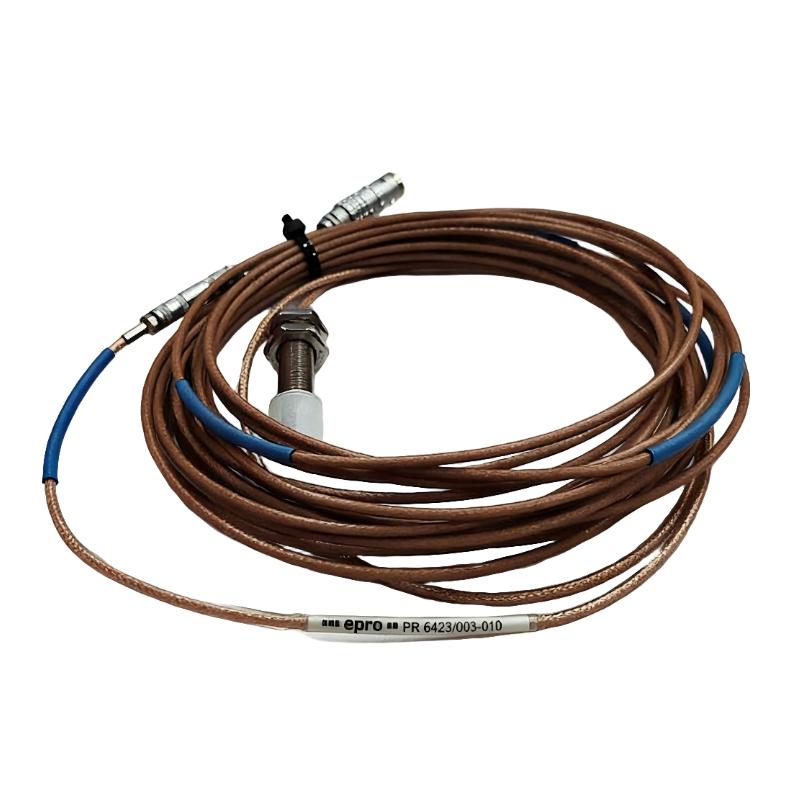
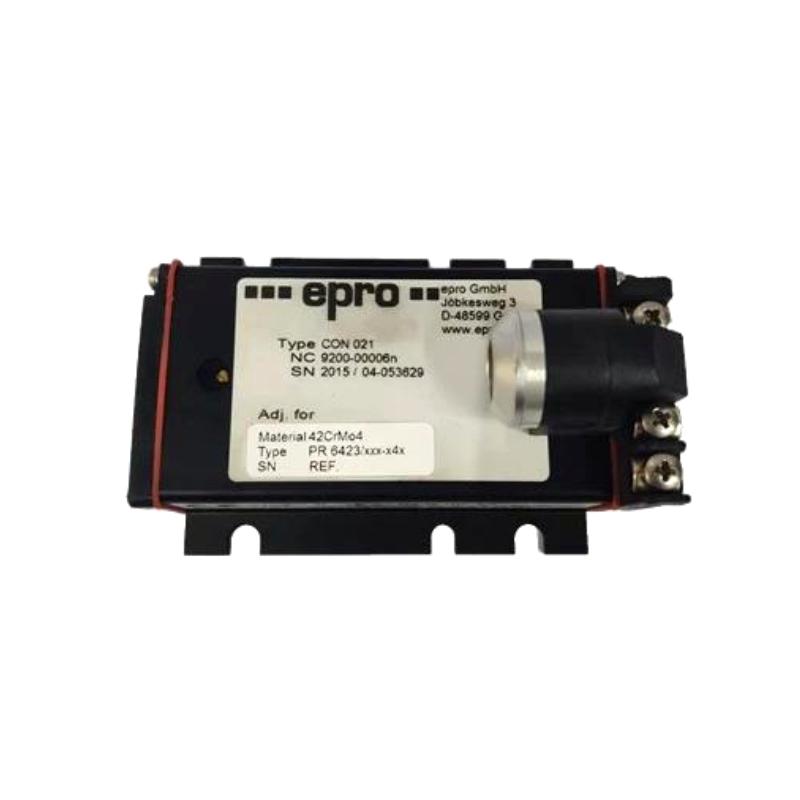
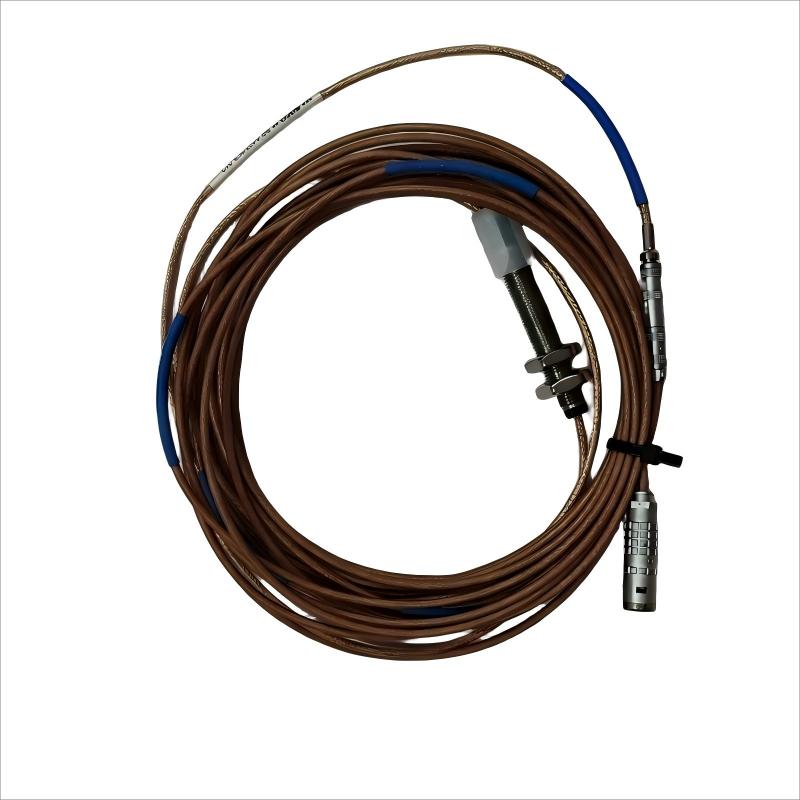
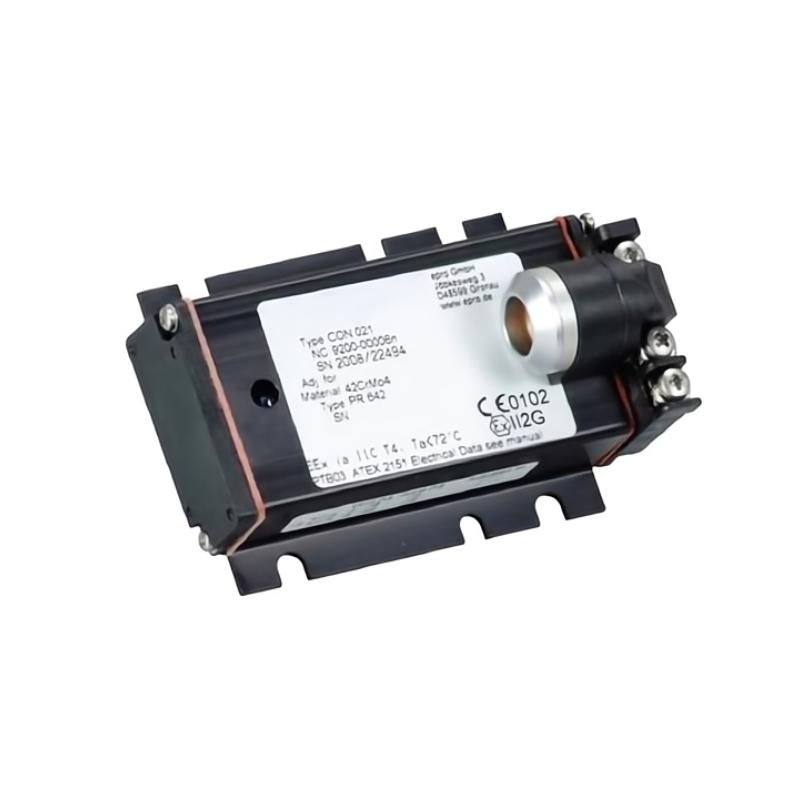
The PR6423/003-010-CN with CON021 represents a refined solution for shaft monitoring in critical rotating machinery. Its compact probe size combined with high-performance signal processing makes it a preferred choice for engineers focused on reliability and precision.
Designed for integration into machinery protection systems, it provides continuous, real-time data that supports predictive maintenance strategies. Its durability and accuracy ensure that it remains a dependable component in demanding industrial applications.
Technical Specifications
| Parameter | Specification |
|---|
| Model | PR6423/003-010-CN + CON021 |
| Sensor Type | Eddy Current (Non-contact) |
| Probe Diameter | 8 mm |
| Measurement Principle | Eddy Current |
| Compatible Materials | Conductive metals |
| Output Signal | Analog (via CON021 converter) |
| Operating Temperature | -35 to 180°C |
| Mounting Type | Threaded installation |
| Cable Type | Shielded coaxial |
| Environmental Resistance | Oil, dust, vibration resistant |
| Dimensions (Sensor Head) | 8 mm diameter |
| Weight | 0.22 kg (0.485 lb) |
Where It Excels in the Field
The PR6423/003-010-CN sensor, paired with the CON021 signal converter, is purpose-built for high-precision non-contact measurement in rotating equipment. It is widely implemented in turbine monitoring systems, where shaft displacement and vibration must be measured with extreme accuracy.
In compressor and pump systems, the sensor provides continuous feedback on shaft position, helping prevent contact-related damage. It is also commonly used in critical infrastructure such as power generation plants, where even slight deviations in shaft alignment can lead to efficiency losses or mechanical failure.
Thanks to its compact 8 mm probe design, it is particularly suitable for installations with limited space while still delivering high-resolution measurements.
Engineering Advantages
One of the most significant advantages of this sensor system is its high sensitivity and resolution. It can detect minute shaft movements, enabling early identification of imbalance, misalignment, or bearing wear.
The non-contact measurement principle eliminates mechanical wear, ensuring long service life and consistent performance over time. This makes it ideal for continuous monitoring applications where downtime must be minimized.
Another strength is its strong immunity to harsh industrial conditions. The sensor maintains stable output even in environments with oil, dust, and temperature variations, which are common in heavy industrial settings.
Additionally, the integration with the CON021 signal converter enhances signal conditioning, ensuring accurate and noise-resistant data transmission to monitoring systems.
Technical FAQs
1. What is the operating principle of this sensor?
It uses eddy current technology to measure the distance between the probe and a conductive target.
2. What materials can be measured?
It is designed for conductive materials, typically metal shafts.
3. How does the CON021 converter improve performance?
It conditions and amplifies the signal, ensuring accurate and stable output.
4. What is the typical measurement range?
The range depends on calibration but is optimized for small displacement measurements.
5. Can it operate in high-temperature environments?
Yes, it is designed for industrial environments with elevated temperatures.
6. Is the sensor resistant to oil and contaminants?
Yes, it performs reliably in oily and dusty conditions.
7. How is the sensor mounted?
It is typically installed using threaded mounting for precise positioning.
8. What type of output does the system provide?
The converter provides analog signals compatible with monitoring systems.
9. Does cable length affect performance?
Cable length is calibrated with the system and must match specified configurations.
10. Is recalibration required over time?
Periodic calibration is recommended to maintain measurement accuracy.
 A DCS Q Co., Ltd. - PLC and DCS Industrial Control Equipment Wholesale