Introduction
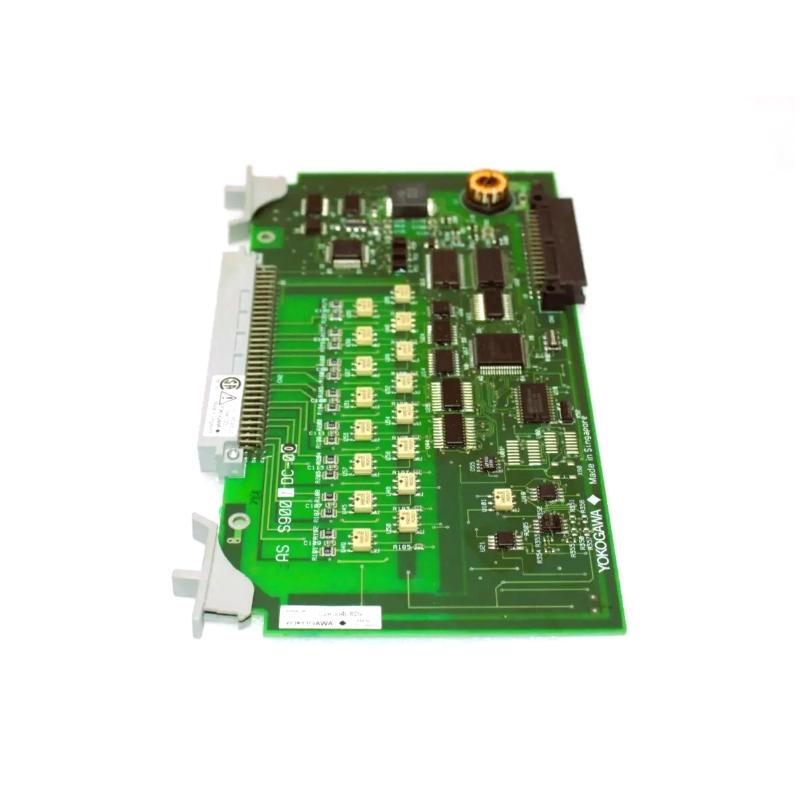
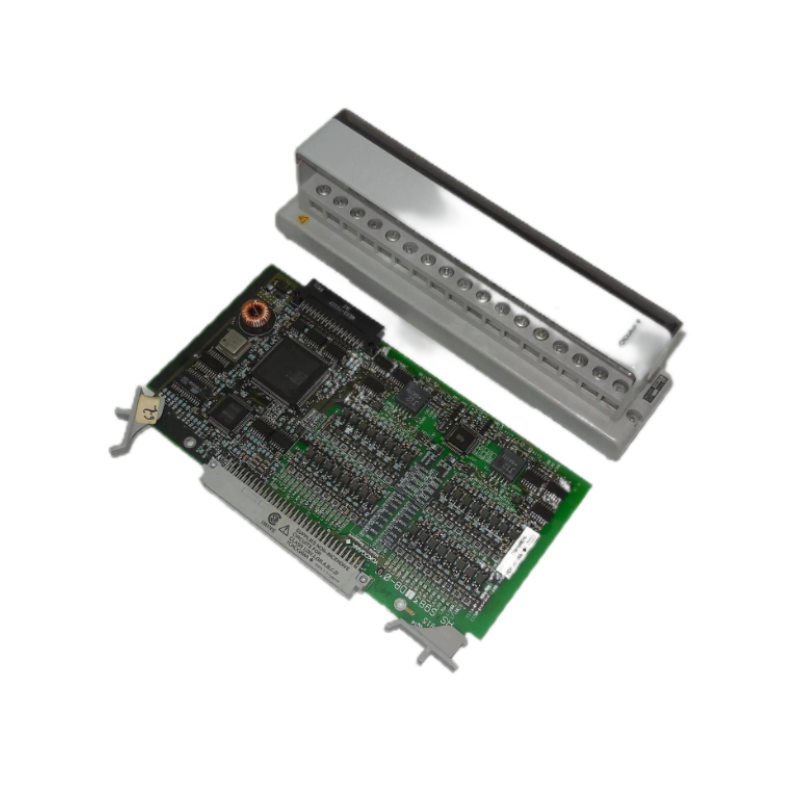
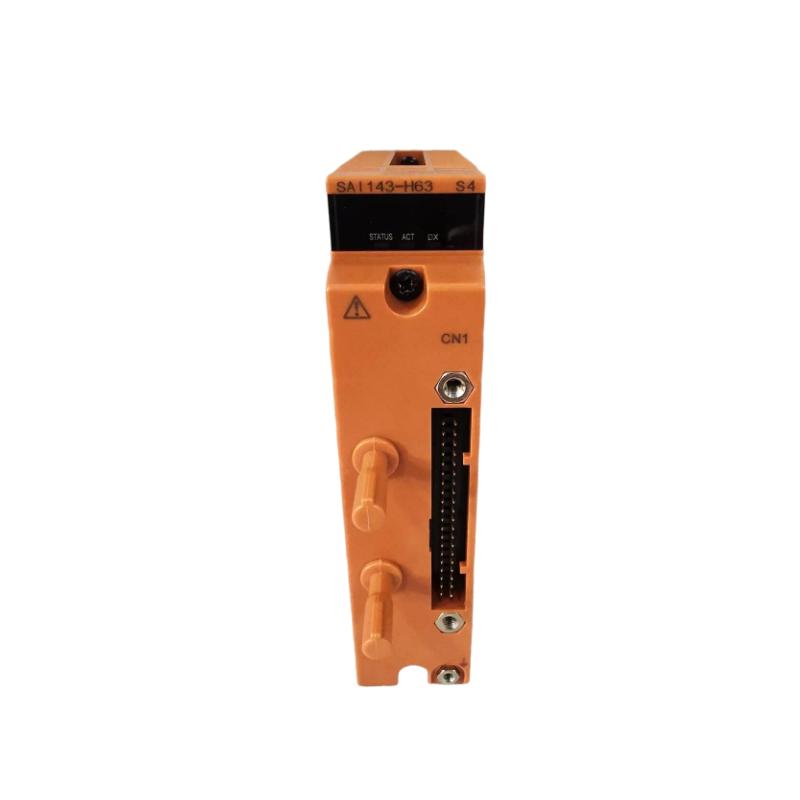
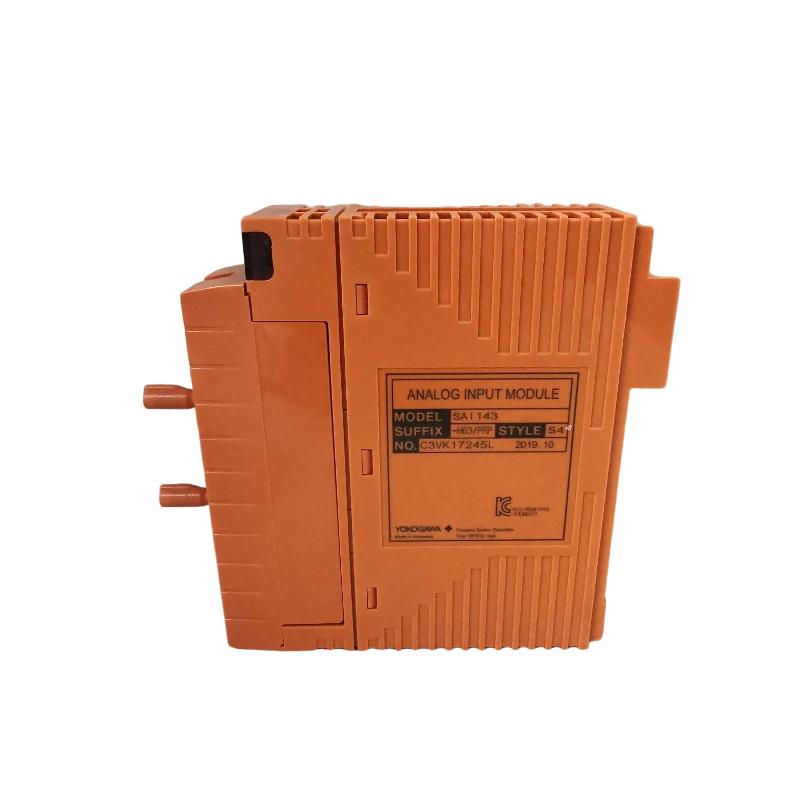
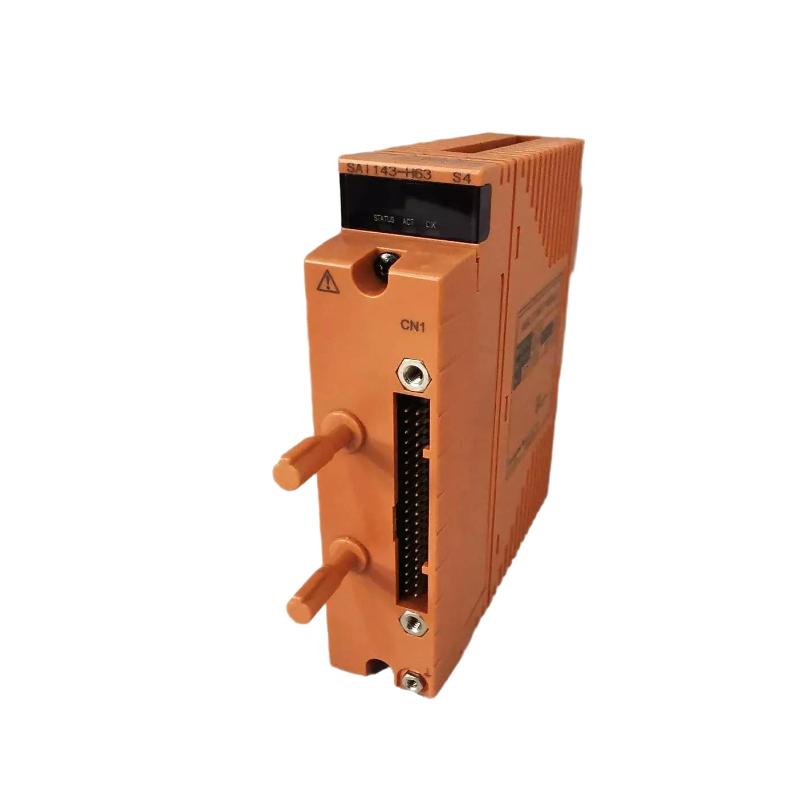
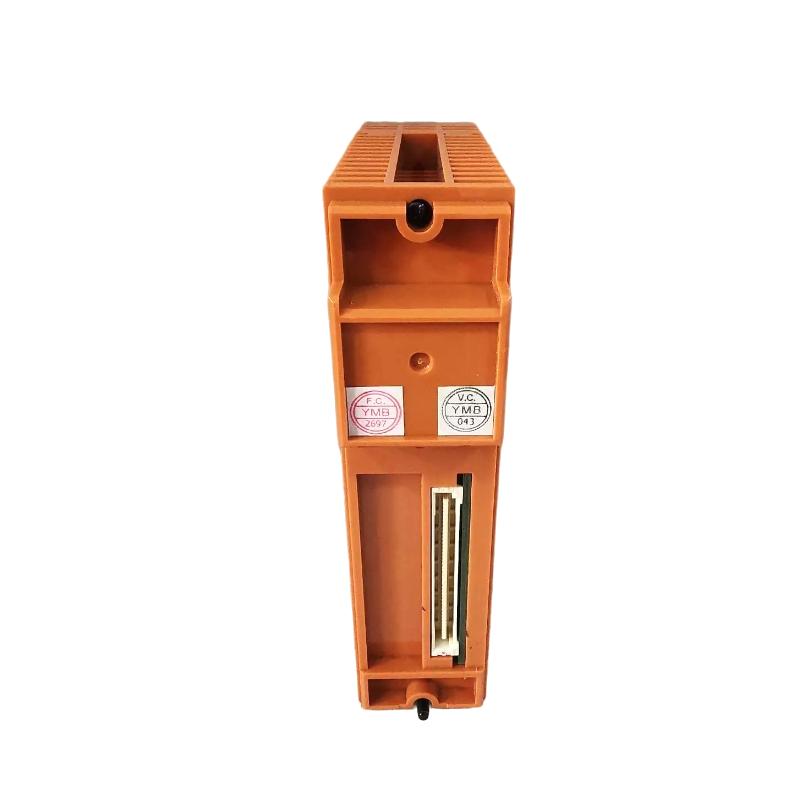
The Yokogawa SAI143-H63/PRP Analog Input Module is a high-availability, safety-focused industrial input module designed for critical process control and Safety Instrumented Systems (SIS). Built for redundant-ready architectures, it ensures reliable acquisition of 4–20 mA analog signals while maintaining strong diagnostic capability and long-term operational stability.
With PRP (Parallel Redundancy Protocol) support, this model is engineered for environments where uninterrupted signal integrity and system resilience are essential—especially in oil & gas, petrochemical, and power generation industries.
Technical Specifications & Physical Data
| Parameter | Details |
|---|
| Manufacturer | Yokogawa |
| Model Number | SAI143-H63/PRP |
| Module Type | Analog Input Module |
| Input Channels | 16 channels (isolated) |
| Input Signal | 4–20 mA DC |
| Permissible Input Range | 0–25 mA |
| Accuracy | ±16 µA |
| Resolution | 16-bit equivalent |
| Data Update Rate | 40 ms |
| Communication | HART protocol |
| Redundancy Feature | PRP (Parallel Redundancy Protocol) |
| Isolation | Channel-to-system isolation |
| Withstand Voltage | 1.5 kV AC |
| Input Impedance | 250 Ω (powered), ≥500 kΩ (unpowered) |
| Power Consumption | ~320 mA @ 5V / ~550 mA @ 24V |
| Operating Temperature | -20°C to 70°C |
| Storage Temperature | -40°C to 85°C |
| Dimensions (HxWxD) | approx. 13 × 13 × 3 cm |
| Weight | approx. 0.34–0.39 kg |
| Mounting | Rack-based I/O system |
Industrial Applications
The SAI143-H63/PRP is widely used in high-integrity automation systems requiring redundancy and precise analog measurement:
-
Oil and gas production and refining systems
-
Petrochemical and chemical processing plants
-
Power generation and turbine control systems
-
Safety Instrumented Systems (SIS)
-
Large-scale distributed control systems (DCS)
Its PRP-enabled architecture enhances system availability by ensuring continuous signal acquisition even in network or system fault conditions.
Technical FAQs
1. What does PRP mean in this model?
PRP stands for Parallel Redundancy Protocol, which improves system availability by enabling redundant communication paths.
2. How many input channels does it support?
It supports 16 isolated analog input channels.
3. What signal type is used?
Standard 4–20 mA industrial current loop signals.
4. Does it support HART communication?
Yes, HART is supported for device diagnostics and field configuration.
5. What is the update rate?
Approximately 40 milliseconds per scan cycle.
6. Is it suitable for safety systems?
Yes, it is commonly deployed in Safety Instrumented Systems (SIS).
7. What is the input range?
0–25 mA permissible input range.
8. What is the accuracy level?
Typically ±16 µA depending on configuration.
9. Does it support redundancy?
Yes, PRP architecture provides redundancy support for high availability.
10. What industries use this module most?
Oil & gas, petrochemical, power generation, and heavy process industries.
 A DCS Q Co., Ltd. - PLC and DCS Industrial Control Equipment Wholesale