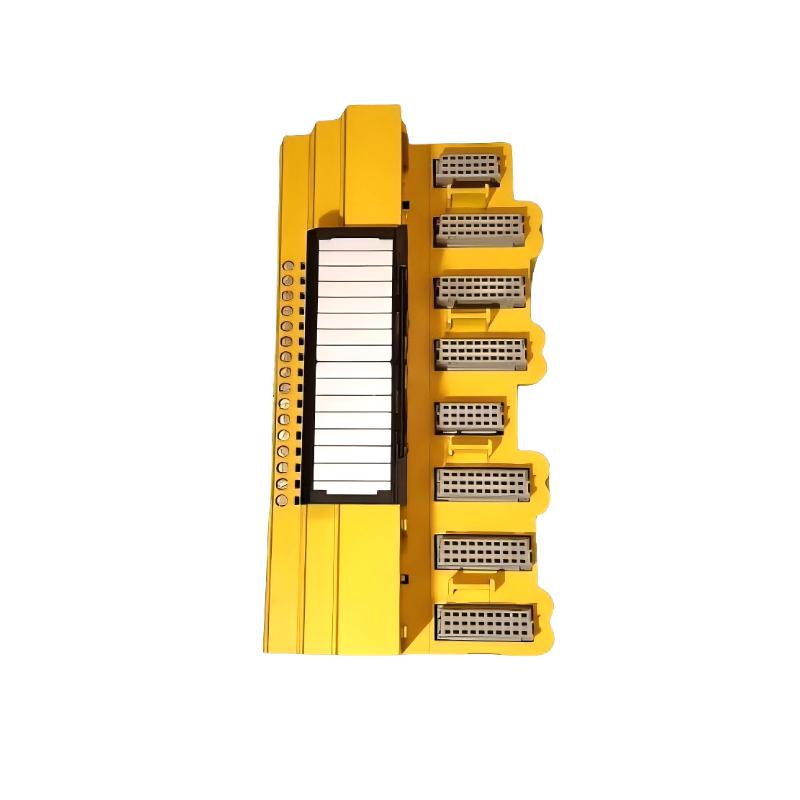
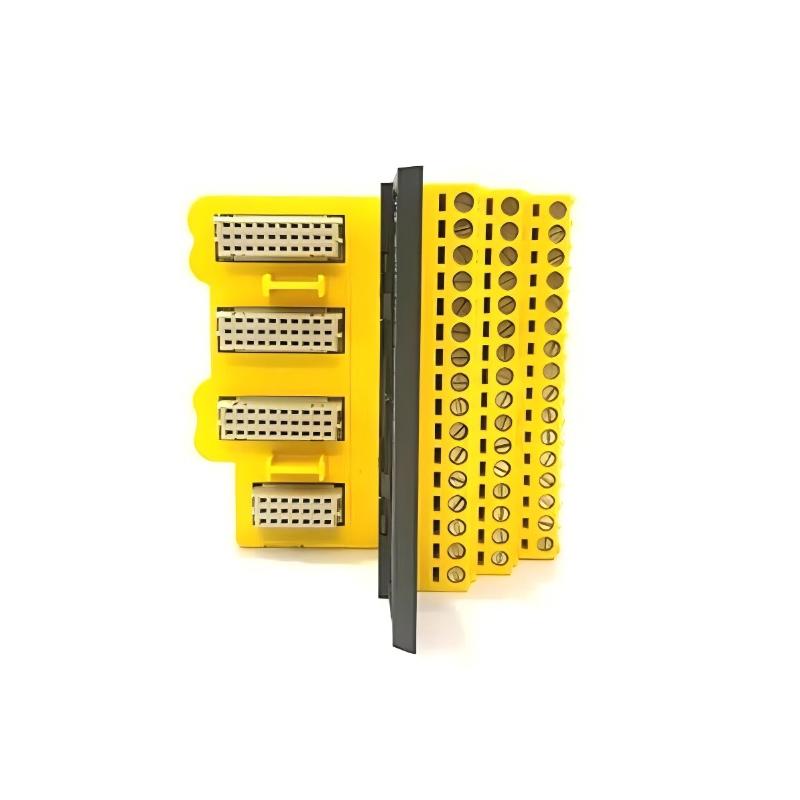
Product Overview
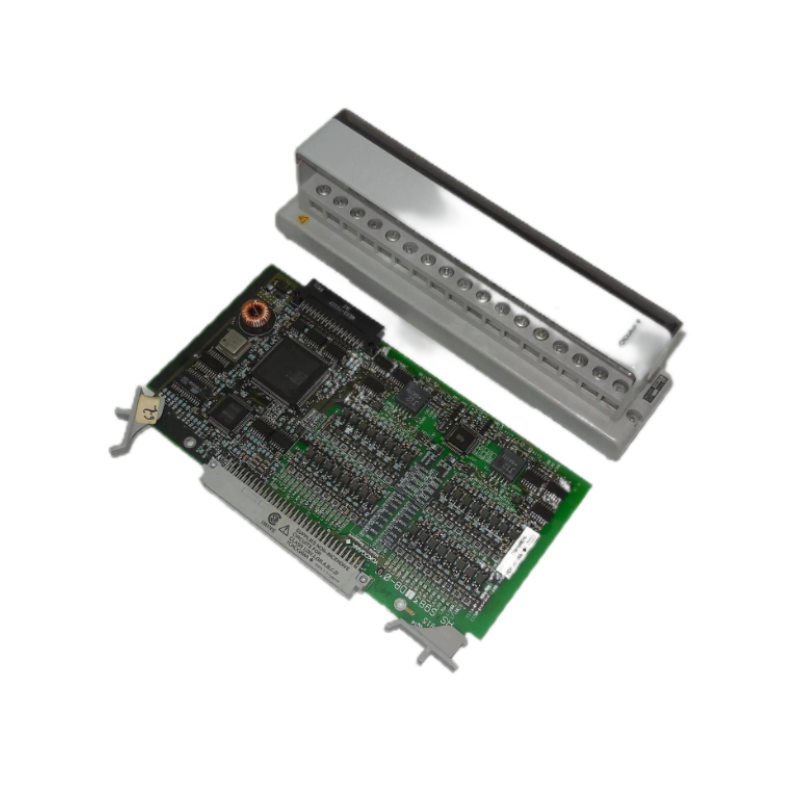
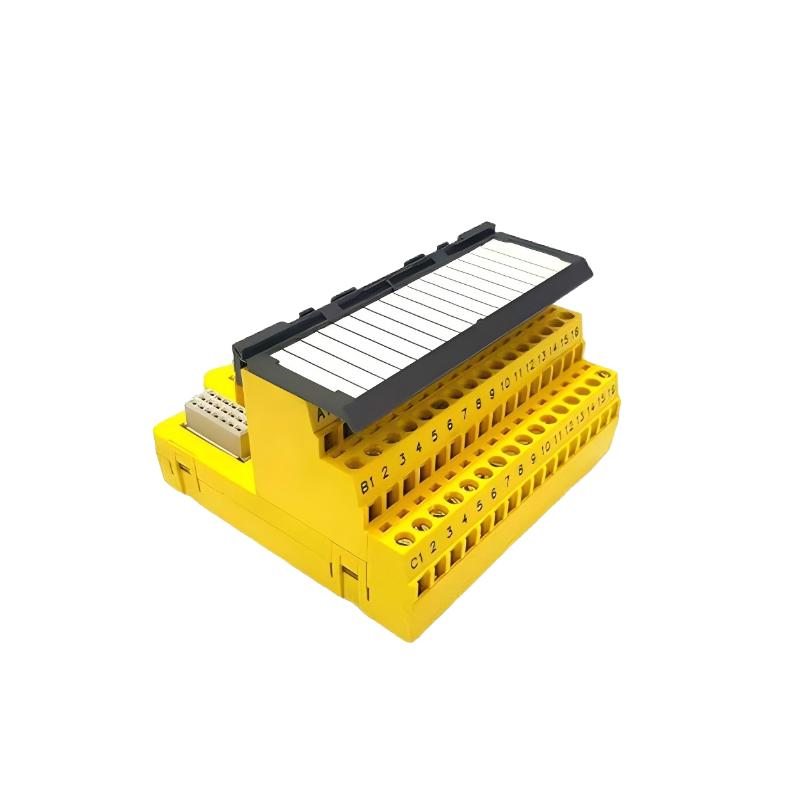
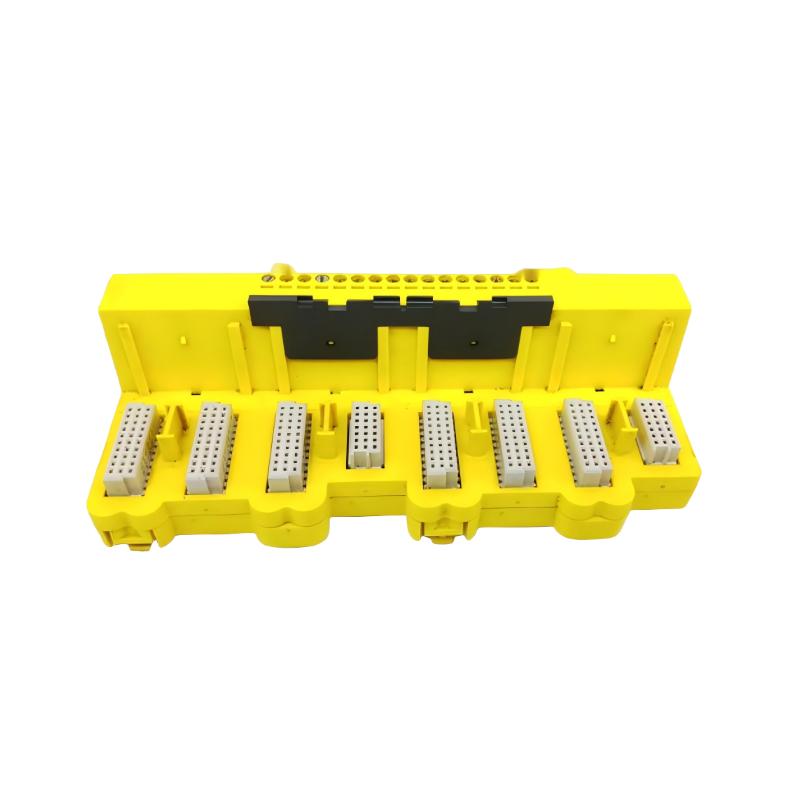
The Emerson KJ2201X1-JA1 SLS Redundant Terminals are a critical infrastructure element in Safety Instrumented Systems, ensuring reliable and redundant connectivity between field instrumentation and safety logic solvers. While it does not perform computation or control functions, it plays a key role in maintaining signal integrity in safety-critical loops.
Its design emphasizes redundancy, reliability, and environmental robustness, making it essential for industries where process safety and continuous operation are non-negotiable.
Technical Specifications
| Parameter | Details |
|---|
| Model | KJ2201X1-JA1 |
| Module Type | SLS Redundant Terminal Block |
| System Role | Safety Signal Interface |
| Application | Emerson DeltaV SIS |
| Signal Type | Safety I/O Termination |
| Redundancy | Dual-channel redundant design |
| Mounting System | Panel / SIS Carrier Installation |
| Operating Temperature | -40°C to +70°C |
| Storage Temperature | -40°C to +85°C |
| Dimensions (H×W×D) | 130 × 20 × 191 mm |
| Weight | 0.26 kg (0.57 lb) |
Industrial Application Context
The Emerson KJ2201X1-JA1 SLS Redundant Terminals are designed as a high-integrity interface component within Emerson DeltaV Safety Instrumented Systems (SIS). They are widely used in critical process industries such as oil refining, offshore platforms, LNG processing, petrochemical plants, and power generation facilities where safety signal reliability and fault tolerance are mandatory requirements.
In a real SIS architecture, this terminal module acts as the physical wiring interface between field safety devices and the Safety Logic Solver (SLS). It supports redundant signal paths, ensuring that safety-related inputs—such as emergency shutdown commands, pressure alarms, and interlock signals—can still be transmitted even if one wiring path or channel fails.
This redundancy-oriented design is essential in systems that must meet SIL (Safety Integrity Level) requirements, where uninterrupted safety signal transmission directly impacts plant safety and operational compliance.
 A DCS Q Co., Ltd. - PLC and DCS Industrial Control Equipment Wholesale