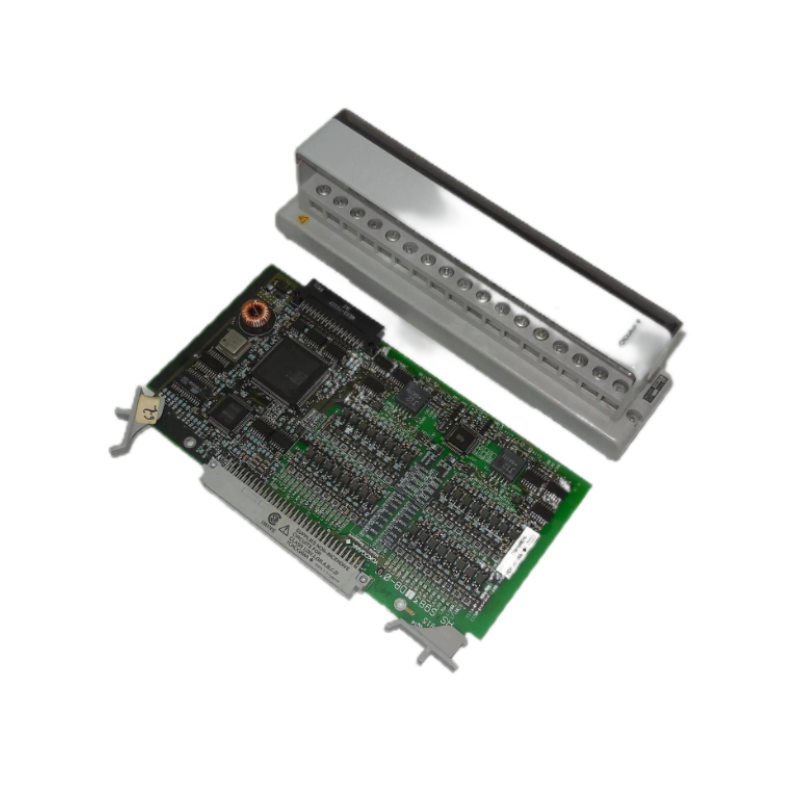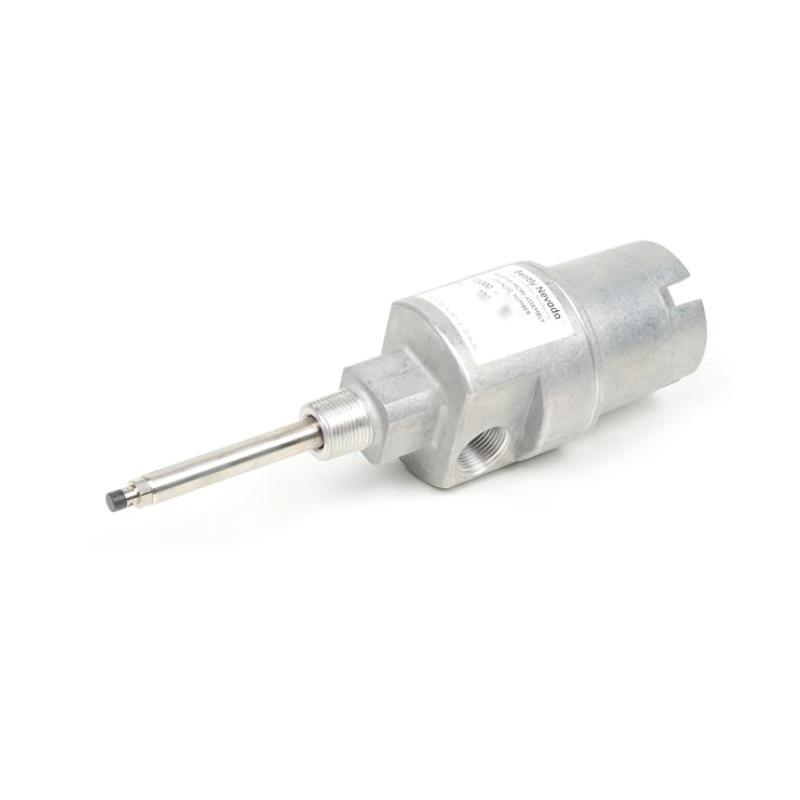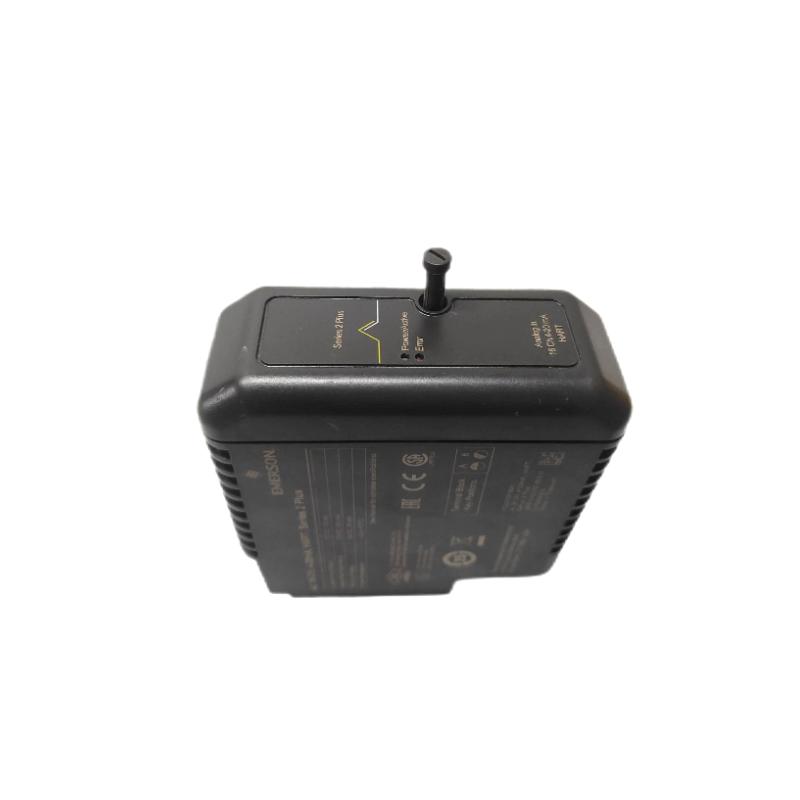
Product Overview and Engineering Role
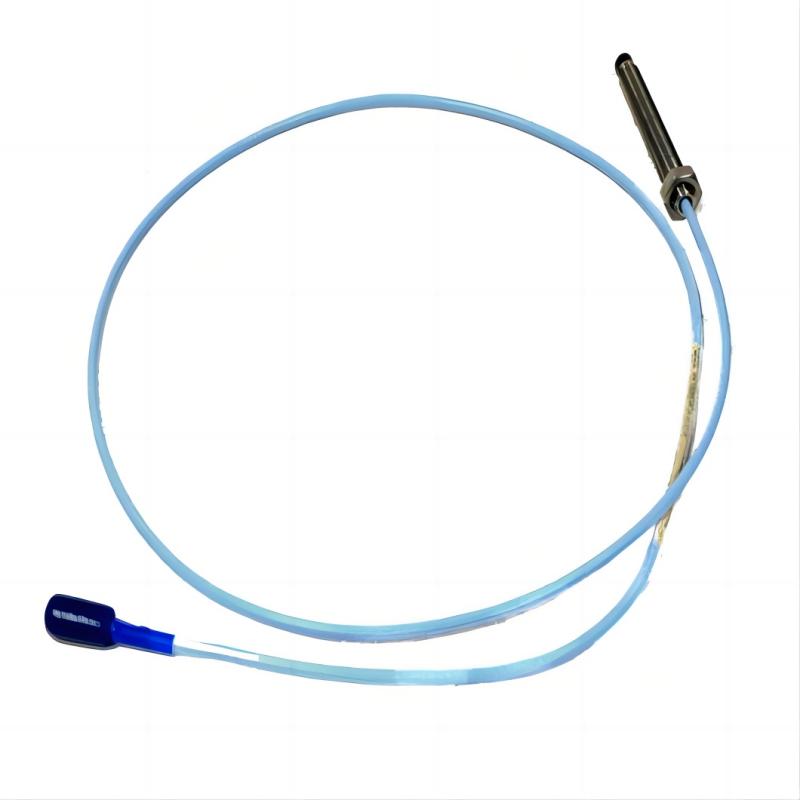
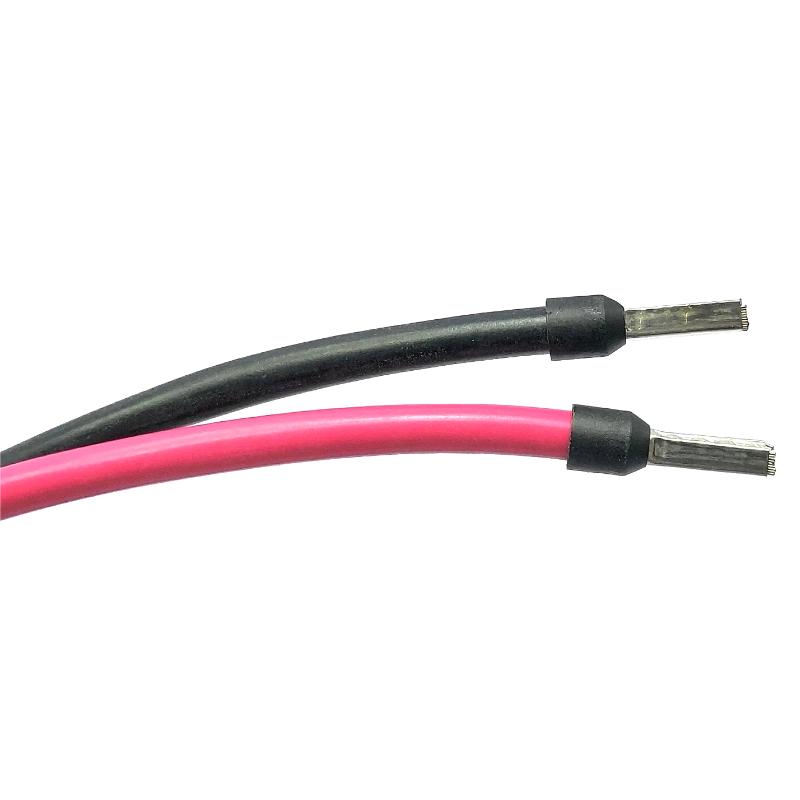
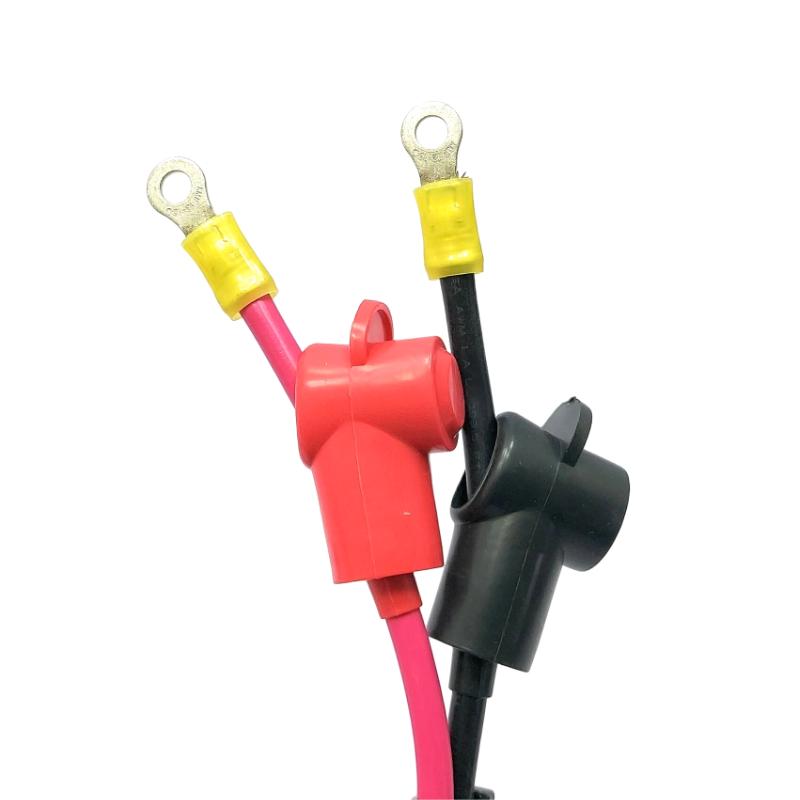
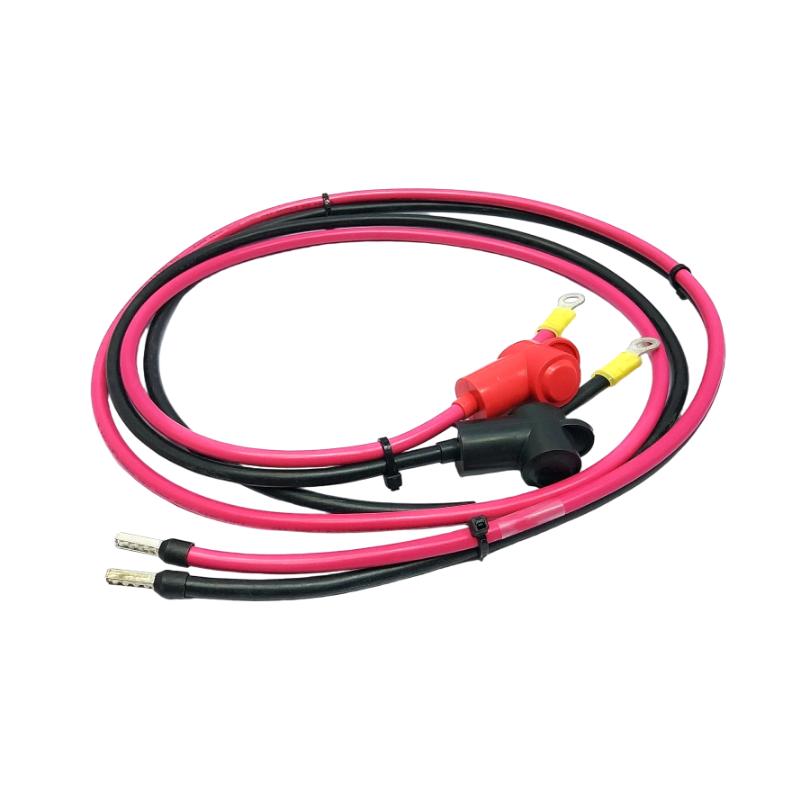
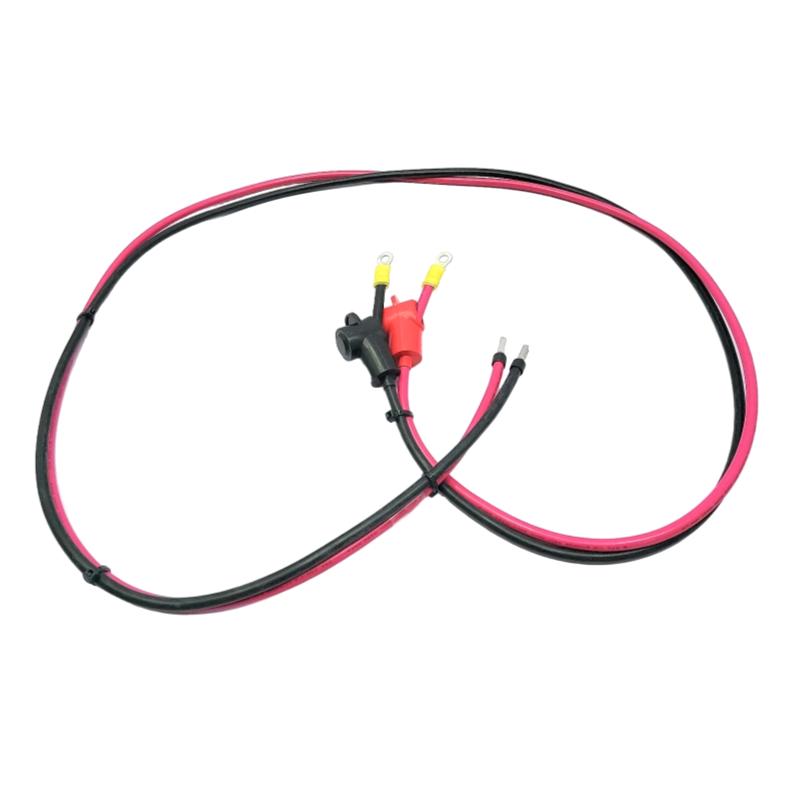
The Honeywell 51202901-500 Connection Cable is an industrial-grade signal and communication cable designed for use in Honeywell automation and control systems. It is typically deployed in PLC and DCS environments, where it ensures stable electrical connectivity between controllers, modules, and field devices.
Engineered for reliability, this cable supports consistent signal transmission in compact control cabinet installations, helping maintain system integrity and minimizing communication disruption in industrial operations.
Technical Specifications
| Parameter | Details |
|---|
| Product Type | Industrial Connection Cable |
| Part Number | 51202901-500 |
| Cable Length | ~1 meter |
| Conductors | 2-wire configuration |
| Cable Construction | Shielded twisted pair |
| Connector Type | System-specific industrial connectors |
| Weight | ~0.2 – 0.3 kg |
| Insulation Material | Industrial-grade PVC / TPE (varies) |
| Shielding | EMI-resistant shielding |
| Operating Temperature | -25°C to +70°C (typical industrial range) |
| System Compatibility | Honeywell TDC / PLC / DCS systems |
Application Scenarios
The 51202901-500 cable is commonly used in automation environments requiring reliable short-distance connectivity:
-
PLC and controller interconnection
-
DCS cabinet internal wiring
-
Industrial automation control panels
-
Process monitoring systems
-
Power and energy facility control systems
Its compact structure makes it especially suitable for tight-space installations inside control enclosures.
Technical FAQs
1. What is the main function of this cable?
It provides stable signal and communication connectivity between control system modules.
2. What is the typical length of the cable?
Approximately 1 meter depending on configuration.
3. How many conductors does it use?
It is typically a 2-wire configuration cable.
4. Is it shielded?
Yes, it uses shielding to reduce electromagnetic interference.
5. What systems is it used with?
It is used in Honeywell PLC, TDC, and DCS systems.
6. Can it be used in harsh environments?
Yes, it is designed for industrial operating conditions.
7. Is it suitable for outdoor installation?
No, it is intended for indoor control cabinet use.
8. Does it support high-voltage applications?
It is designed for signal-level industrial communication, not power transmission.
9. What industries commonly use it?
Oil & gas, chemical processing, power generation, and manufacturing.
10. Is installation complex?
No, it is designed for straightforward integration into control systems.
 A DCS Q Co., Ltd. - PLC and DCS Industrial Control Equipment Wholesale