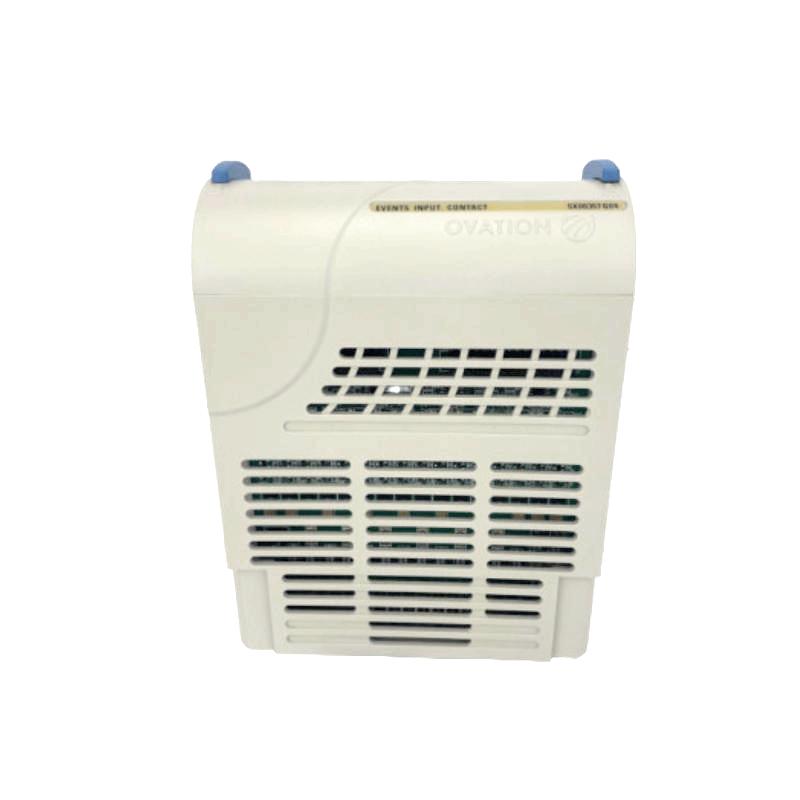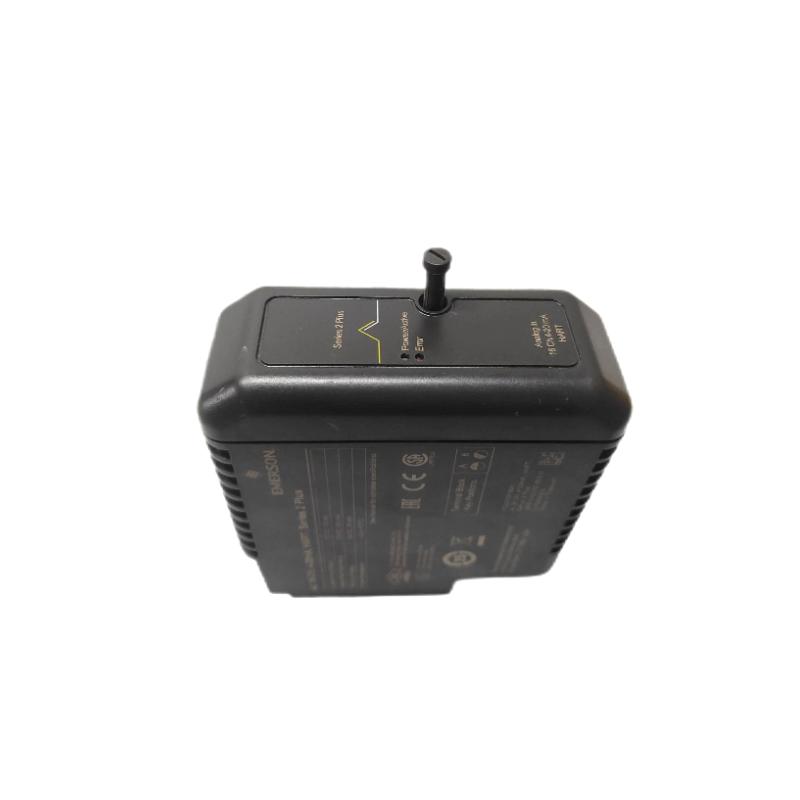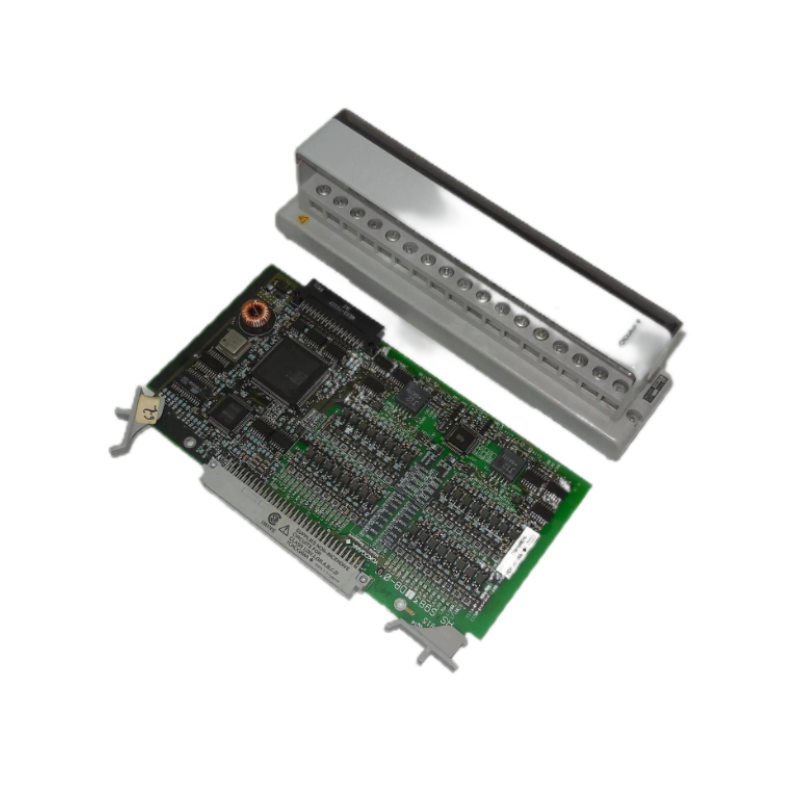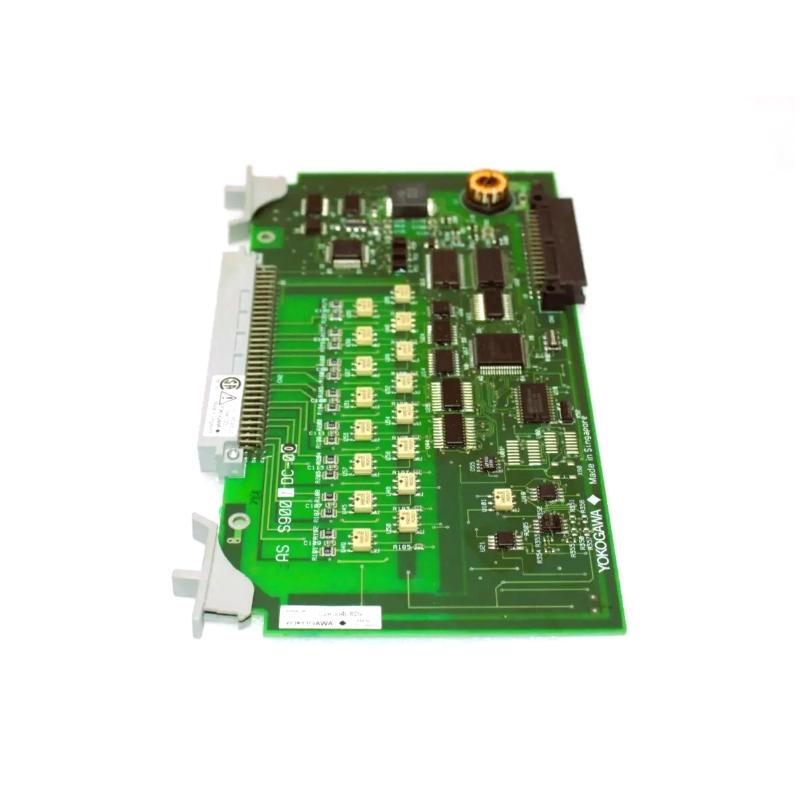
Product Overview and System Positioning
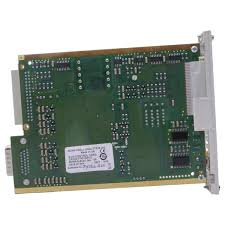
The Honeywell 05704-A-0144 Quad Relay Interface Card is a dedicated interface module used within Honeywell System 57-based control architectures. It is designed to process and manage input signals from a four-channel control system and translate them into relay-based outputs for external devices.
This model is commonly associated with catalytic input control applications, where stable signal handling and structured output coordination are required. It plays a key role in ensuring reliable communication between detection elements and downstream control logic in industrial monitoring environments.
Technical Specifications
| Parameter | Details |
|---|
| Product Type | Quad Relay Interface Card |
| Channel Function | 4-channel control interface |
| System Compatibility | Honeywell System 57 |
| Input Type | Catalytic sensor signal processing |
| Relay Outputs | 4 × voltage-free relay contacts |
| Power Consumption | ~8.5 W typical / up to 12.8 W max |
| Signal Range | 15 mV – 300 mV full scale |
| Current Adjustment | 1 mA steps (90–315 mA range) |
| Operating Temperature | 0°C to 60°C |
| Protection Features | Short circuit / open circuit detection |
Application Scenarios
The 05704-A-0144 module is widely used in monitoring and control environments where signal stability and structured relay output are essential:
-
Industrial gas detection systems
-
Process safety monitoring platforms
-
Chemical and petrochemical facilities
-
Environmental hazard detection systems
-
Automated alarm and shutdown logic systems
It is particularly suited for catalytic sensing environments where continuous signal interpretation is required for safe operational decision-making.
Technical FAQs
1. What is the main function of this module?
It processes catalytic sensor inputs and converts them into relay outputs for system control.
2. How many channels does it support?
It supports four independent control channels.
3. Is it part of Honeywell System 57?
Yes, it is designed for System 57 architectures.
4. What type of sensors does it work with?
It is primarily used with catalytic gas sensors.
5. Does it support fault detection?
Yes, it can detect open and short circuit conditions.
6. What is the power consumption range?
Approximately 8.5 W typical, up to 12.8 W maximum.
7. Can the current be adjusted?
Yes, it supports fine adjustment in 1 mA steps.
8. What is the operating temperature range?
0°C to 60°C.
9. What is its role in safety systems?
It supports alarm signaling and control logic coordination.
10. Is it suitable for continuous industrial use?
Yes, it is designed for continuous monitoring applications.
 A DCS Q Co., Ltd. - PLC and DCS Industrial Control Equipment Wholesale