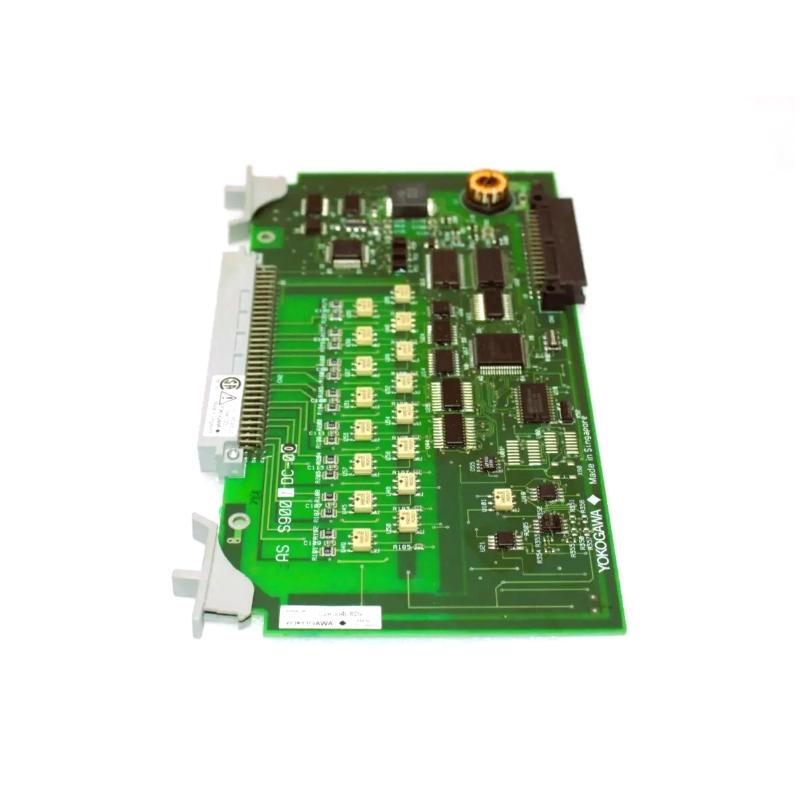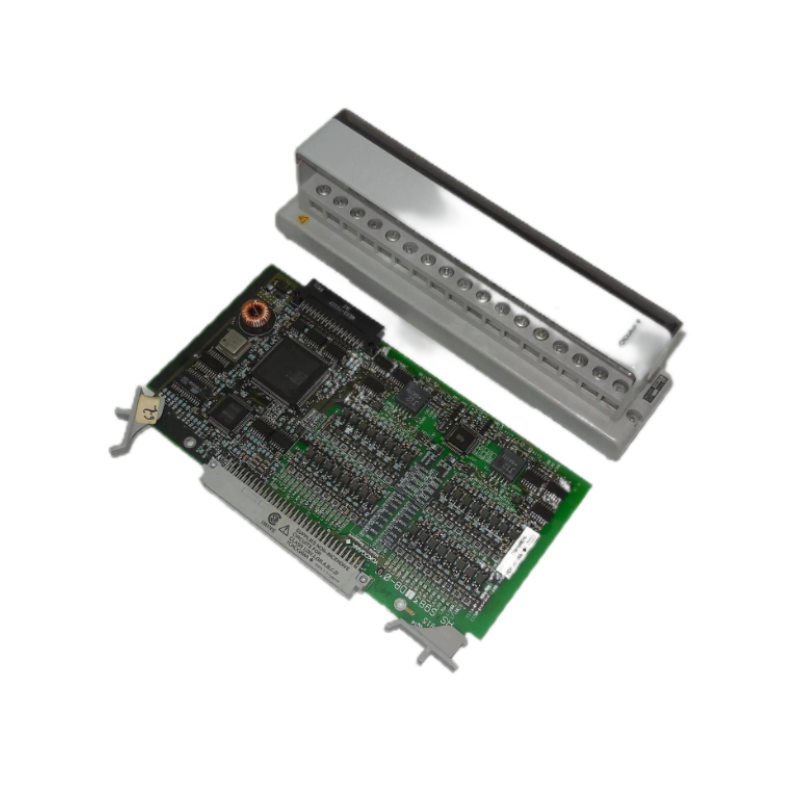
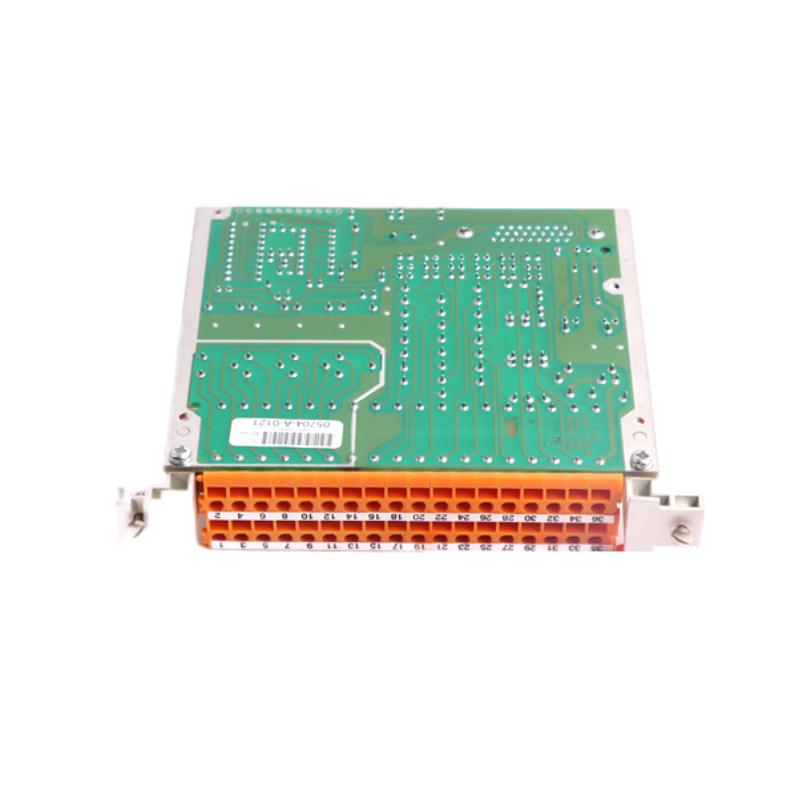
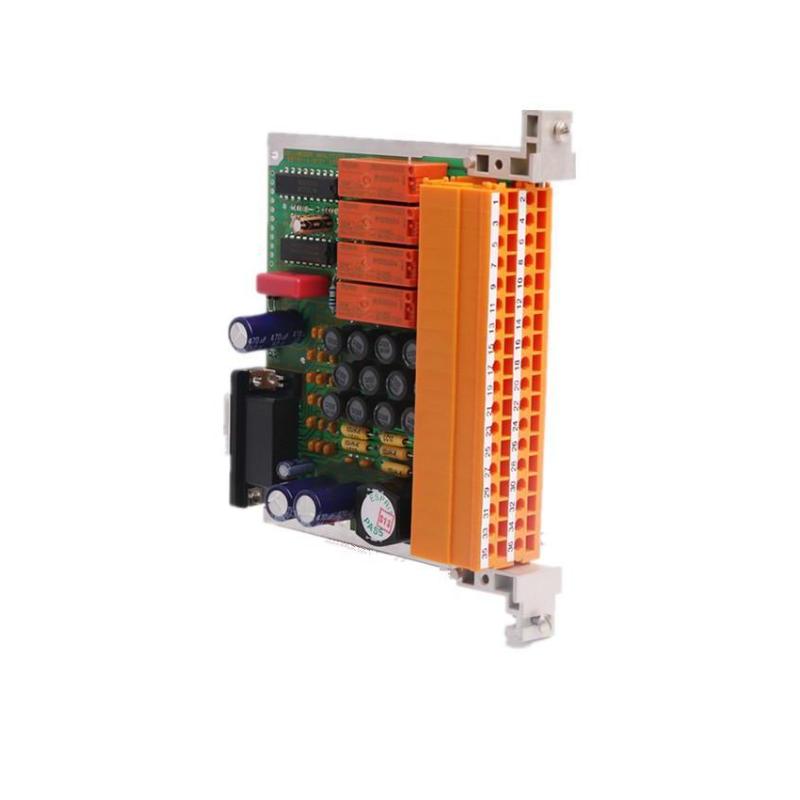
Product Overview
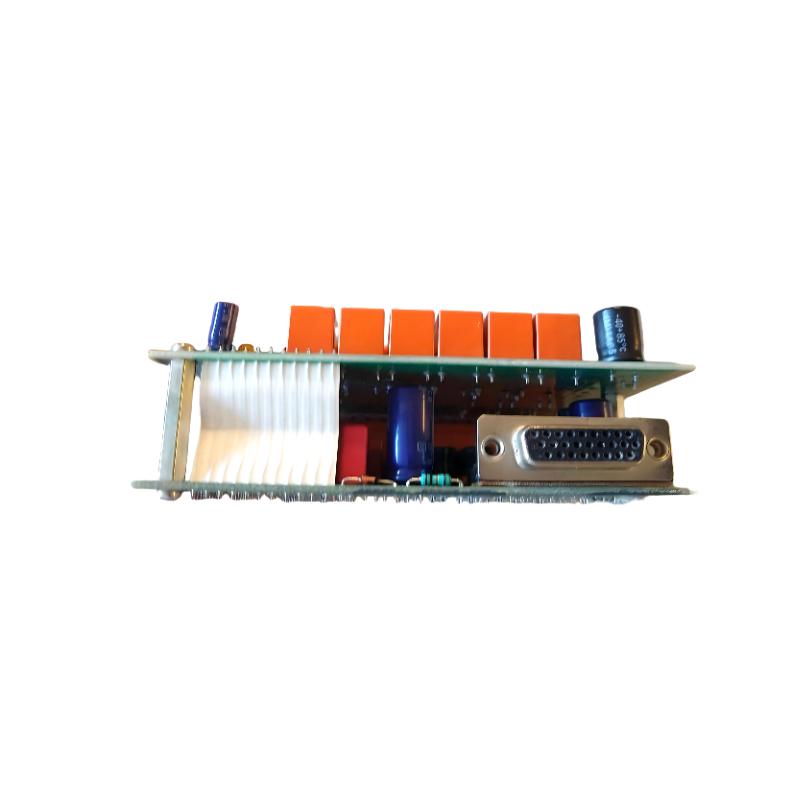
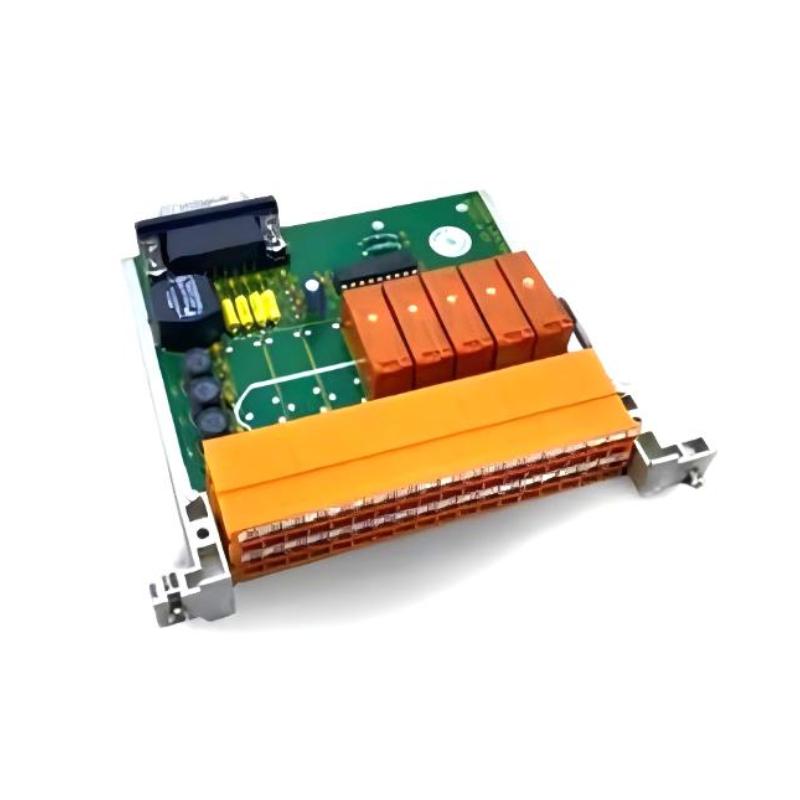
The Honeywell 05704-A-0121 Quad Relay Interface Card is designed to provide stable and efficient interfacing between control systems and external devices. As part of Honeywell’s System 57 platform, this module delivers reliable relay output functionality for a wide range of industrial automation and monitoring applications.
With four independent relay channels, it enables flexible configuration for process signaling, status indication, and system coordination. Its compact and practical design supports seamless integration into control panels while maintaining consistent operational performance.
Technical Specifications
| Parameter | Details |
|---|
| Product Type | Quad Relay Interface Card |
| Relay Channels | 4 × SPCO (Single Pole Changeover) |
| Power Consumption | 1 W (typical), 1.7 W (maximum) |
| Relay Contact Rating | 5 A @ 110/250 VAC, 5 A @ 32 VDC |
| Relay Operation Modes | Latching / Non-latching selectable |
| Energised / De-energised selectable |
| Field Terminal Size | 2.5 mm² (14 AWG) |
| System Compatibility | Honeywell System 57 |
| Operating Temperature | -40°C to 70°C |
| Dimensions (HxWxD) | 132 × 25 × 119 mm |
| Weight | 0.23 kg |
Application Scenarios
The module is suitable for various industrial environments requiring dependable relay output control:
-
Process automation systems
-
Environmental monitoring systems
-
Equipment status indication
-
Industrial control panels
-
Building management systems
It supports consistent signal handling and enhances coordination between system components.
Technical FAQs
1. What is the main purpose of this module?
It provides relay outputs for controlling external devices from a central system.
2. How many relay outputs are available?
There are four independent relay channels.
3. Can relay modes be configured?
Yes, latching and non-latching modes are selectable.
4. What systems does it work with?
It is designed for Honeywell System 57.
5. What is the relay contact capacity?
Up to 5A for both AC and DC loads.
6. Is it suitable for continuous operation?
Yes, it is built for long-term industrial use.
7. Does it support signal isolation?
Yes, it helps maintain separation between control and field circuits.
8. What is the installation method?
It is installed within compatible control racks or panels.
9. Can it be used in temperature-variable environments?
Yes, it operates within a wide temperature range.
10. Is expansion possible?
Yes, additional modules can be integrated within the system.
 A DCS Q Co., Ltd. - PLC and DCS Industrial Control Equipment Wholesale