Applications
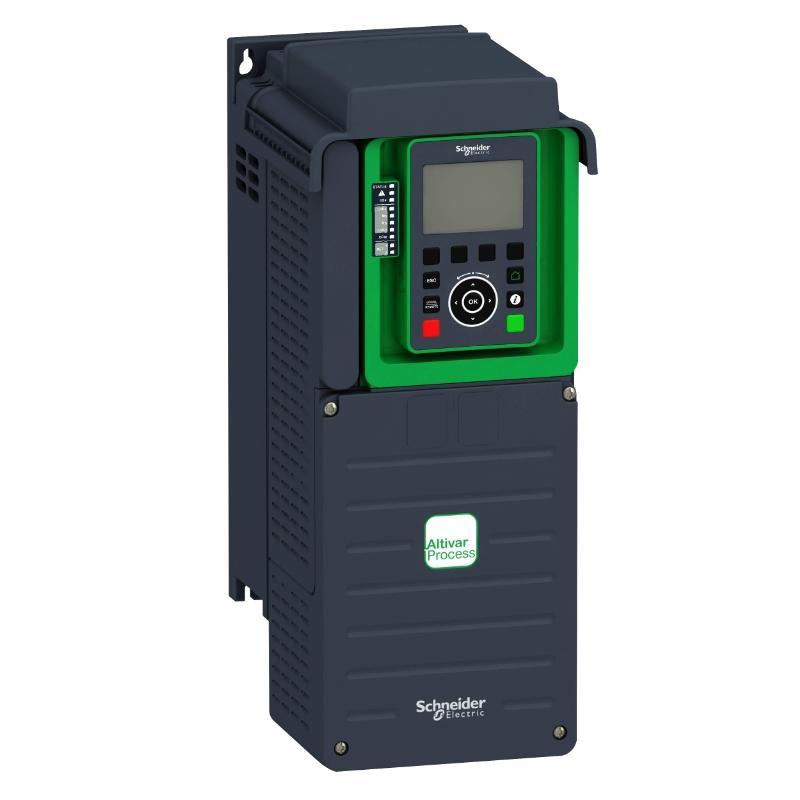
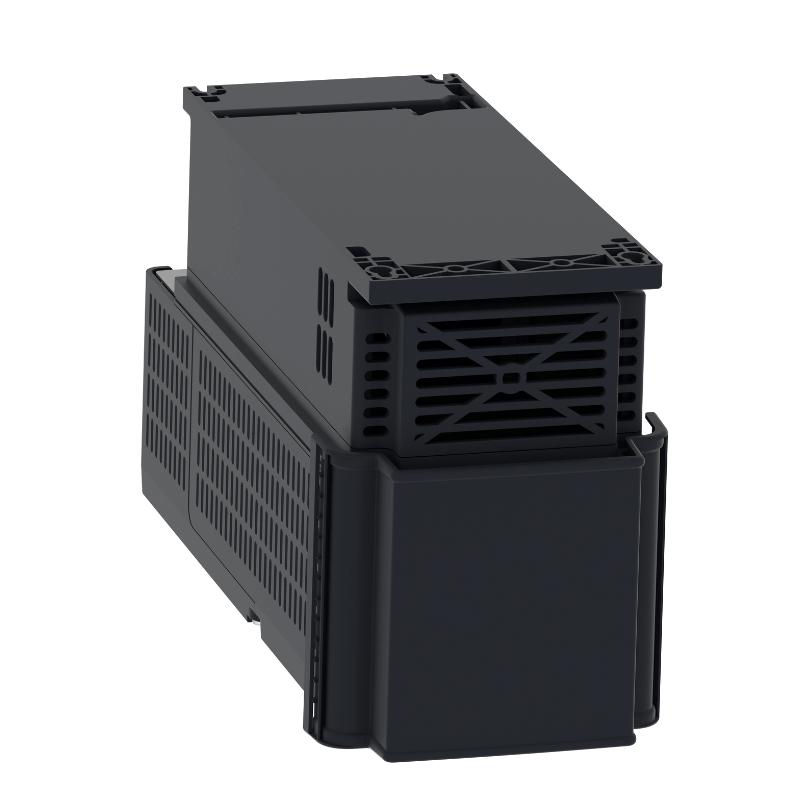
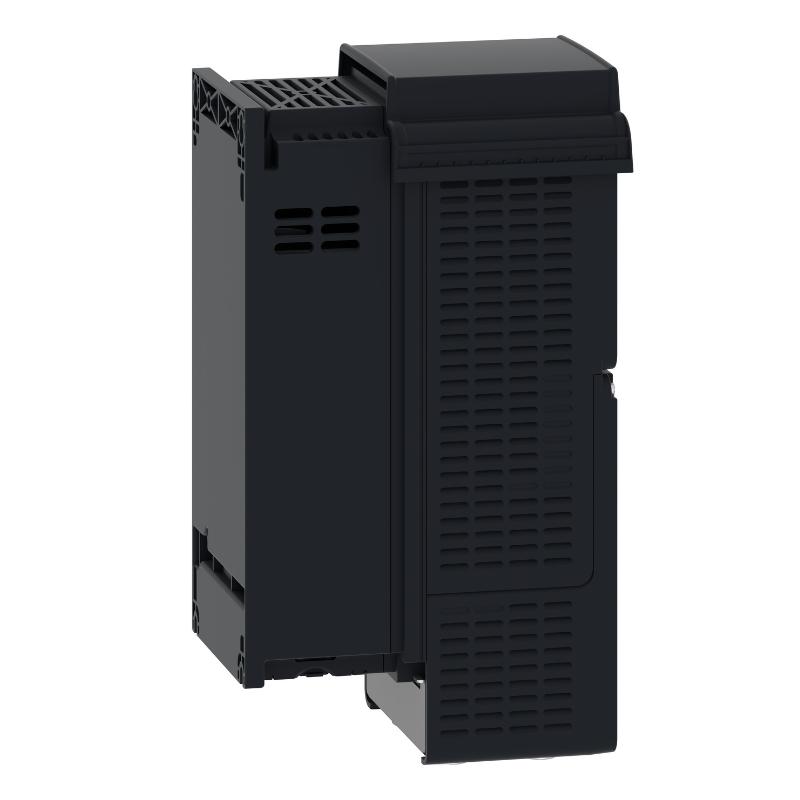
The Schneider ATV930U75N4 is designed for process environments where stable motor control and uninterrupted operation are critical. Its robust drive architecture makes it suitable for systems with fluctuating load demands and strict efficiency targets.
Common applications include:
-
Industrial water pumping and booster stations
-
Air handling and ventilation systems
-
Packaging and conveying lines
-
Chemical dosing and mixing systems
-
Heavy-duty compressors and blowers
-
Material transport in processing plants
-
Utility systems in manufacturing facilities
Its flexible integration options allow it to perform effectively in both centralized control panels and distributed automation networks.
Advantages
The ATV930U75N4 combines responsive motor control with process-focused intelligence, making it a strong choice for long-cycle industrial systems.
Key strengths include:
-
Precise speed and torque control across varying load conditions
-
Sensorless vector control for smooth acceleration and deceleration
-
Built-in energy consumption monitoring tools
-
Predictive maintenance diagnostics for reduced unplanned downtime
-
Integrated safety functions for improved system protection
-
High overload capability for demanding process starts
-
Durable thermal design for continuous operation
These features support lower maintenance costs and more consistent system performance over time.
Technical FAQs
1. What types of motors can this drive control?
It supports asynchronous, synchronous, and permanent magnet motors.
2. Is this model suitable for high-inertia loads?
Yes, it is designed to manage dynamic load changes and high starting torque demands.
3. Does it support sensorless vector control?
Yes, advanced sensorless vector control is built in.
4. Can it be integrated into existing PLC systems?
Yes, it supports standard industrial communication protocols for seamless PLC integration.
5. Does the drive include built-in safety functions?
Yes, Safe Torque Off (STO) is included as standard.
6. Can parameters be duplicated across multiple drives?
Yes, settings can be saved and transferred for faster commissioning.
7. How does the drive improve energy efficiency?
It adjusts motor output dynamically based on load demand and provides energy usage analytics.
8. Is remote fault monitoring available?
Yes, through supported communication modules and plant network systems.
9. Can it handle continuous industrial operation?
Yes, it is designed for long-duty process applications.
10. What maintenance features are included?
It provides real-time thermal monitoring, event logging, and preventive diagnostics.
 A DCS Q Co., Ltd. - PLC and DCS Industrial Control Equipment Wholesale