Product Introduction
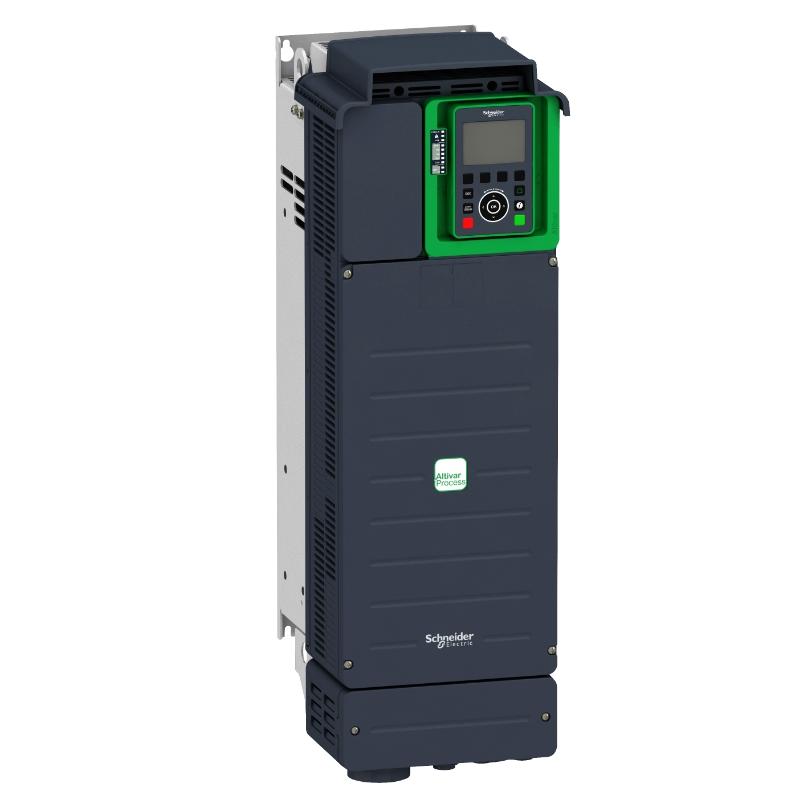
The Schneider ATV930D30N4 is an intelligent industrial drive designed for modern automation systems where motor control and process visibility must work together. Unlike traditional VFDs, it integrates control, communication, and diagnostics into one unified platform.
Its architecture supports real-time monitoring and energy optimization, making it suitable for industries focused on efficiency and reduced downtime.
From an engineering perspective, it is widely used in mid-power industrial applications requiring stable torque performance and seamless PLC/SCADA integration.
Technical Specifications
| Parameter | Specification |
|---|
| Product Type | Variable Speed Drive |
| Model | ATV930D30N4 |
| Series | Altivar Process ATV900 |
| Motor Power | 30 kW / 22 kW |
| Input Voltage | 380–480 V AC |
| Phase | 3 Phase |
| Output Current | 61.5 A |
| Output Frequency | 0.1–500 Hz |
| Control Modes | V/F, SFVC, FVC |
| Communication | Modbus TCP, EtherNet/IP |
| Safety Functions | STO (Safe Torque Off) |
| Braking | Integrated braking chopper |
| EMC Filter | Integrated |
| Protection Rating | IP21 |
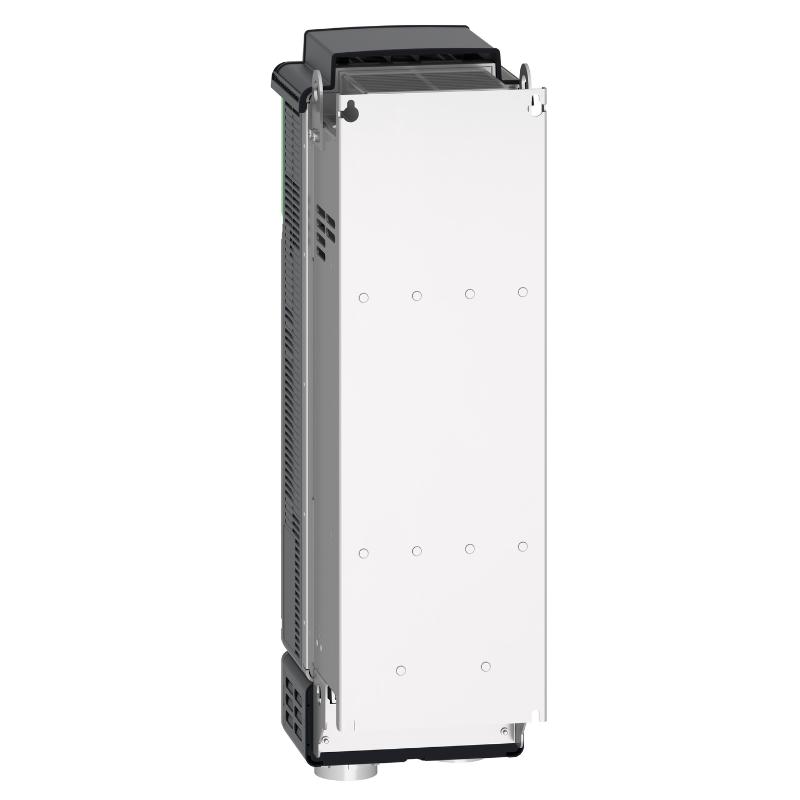
| Mounting Type | Wall / Panel Mount |
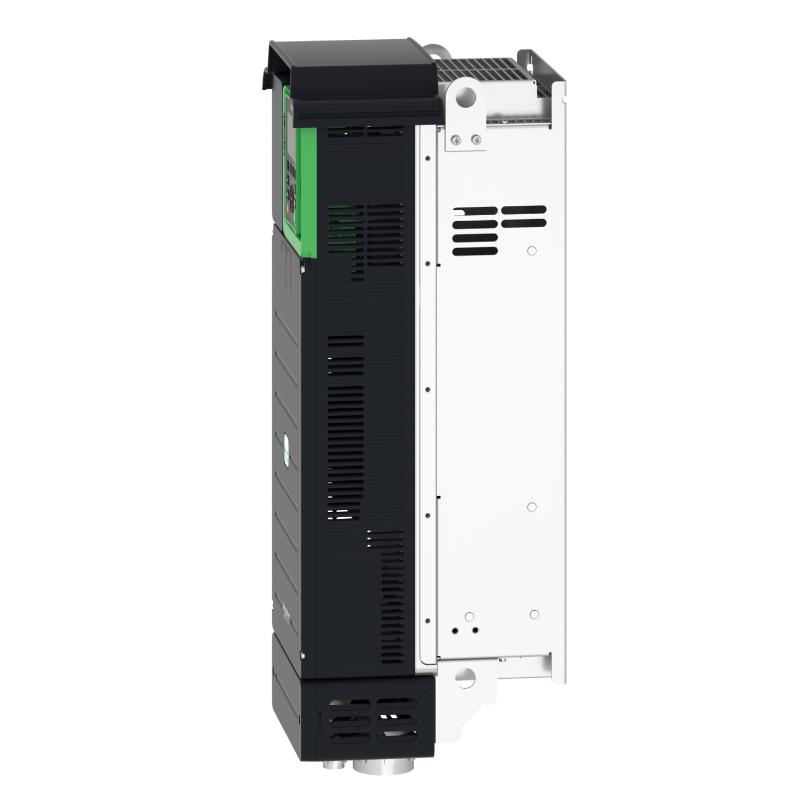
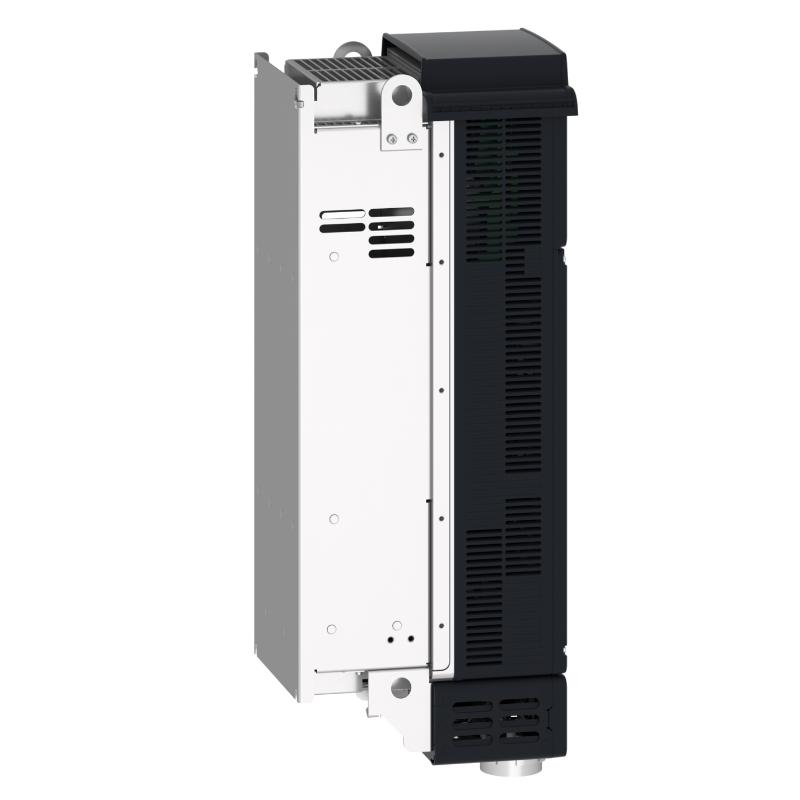
| Dimensions | 673 × 226 × 274 mm |
| Weight | 28 kg (61.73 lb) |
Industrial Application Overview
The Schneider ATV930D30N4 Variable Speed Drive is part of the Altivar Process ATV900 series, designed for industrial environments where motor control, process optimization, and system connectivity are all required in a single platform. It is commonly used in:
-
Water and wastewater treatment systems
-
Industrial pumping and fluid handling stations
-
HVAC and large ventilation systems
-
Mining and mineral processing equipment
-
Conveyor and material transport systems
-
General process automation in manufacturing plants
This model is designed to operate as both a motor controller and a process intelligence node within modern industrial automation architectures.
Engineering Advantages in Real Operation
The ATV930D30N4 is built for stable performance in continuous-duty industrial environments with variable load conditions.
Key advantages
-
30 kW (normal duty) / 22 kW heavy duty motor control at 380–480 V ([turn0search3])
-
Sensorless and closed-loop vector control for precise torque regulation
-
Integrated braking chopper for dynamic deceleration control
-
Ethernet-based communication (Modbus TCP, EtherNet/IP support) for SCADA integration ([turn0search3])
-
Energy optimization functions for pump and fan applications
-
Built-in diagnostics and condition monitoring features
-
Safe Torque Off (STO) safety function support
-
Wide output frequency range up to 500–599 Hz depending configuration ([turn0search2])
-
4-quadrant operation capability for advanced process control ([turn0search2])
In industrial use, it is often selected for its balance of compact design, robust motor control, and full network integration.
Technical FAQs
1. What is the motor power rating?
It supports 30 kW normal duty and 22 kW heavy duty operation. ([turn0search3])
2. What is the input voltage range?
It operates on 380–480 V three-phase supply systems. ([turn0search3])
3. What is the output current?
Approximately 61.5 A (normal duty) depending on configuration. ([turn0search2])
4. What is the maximum output frequency?
Up to 500 Hz. ([turn0search2])
5. Does it support vector control?
Yes, it supports both sensorless and closed-loop vector control modes.
6. Is it suitable for pump and fan systems?
Yes, it includes dedicated process optimization functions for these applications.
7. Does it support industrial communication?
Yes, including Modbus TCP and EtherNet/IP for automation systems. ([turn0search3])
8. Does it include braking capability?
Yes, it includes an integrated braking chopper.
9. What type of motors are supported?
It supports asynchronous and synchronous industrial motors.
10. Does it support predictive maintenance?
Yes, it includes diagnostics and monitoring functions for maintenance optimization.
 A DCS Q Co., Ltd. - PLC and DCS Industrial Control Equipment Wholesale