Product Introduction
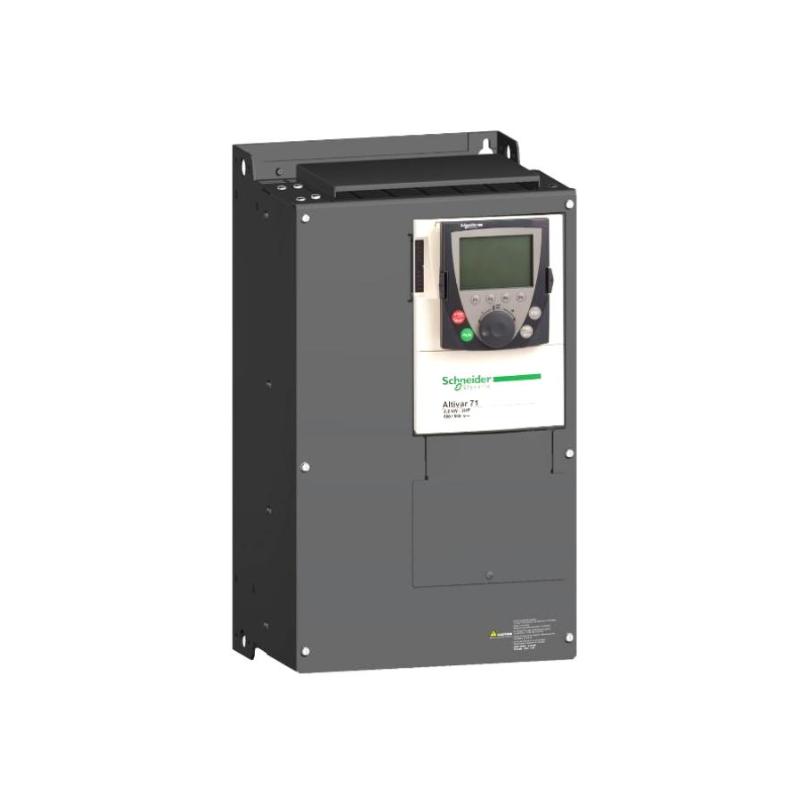
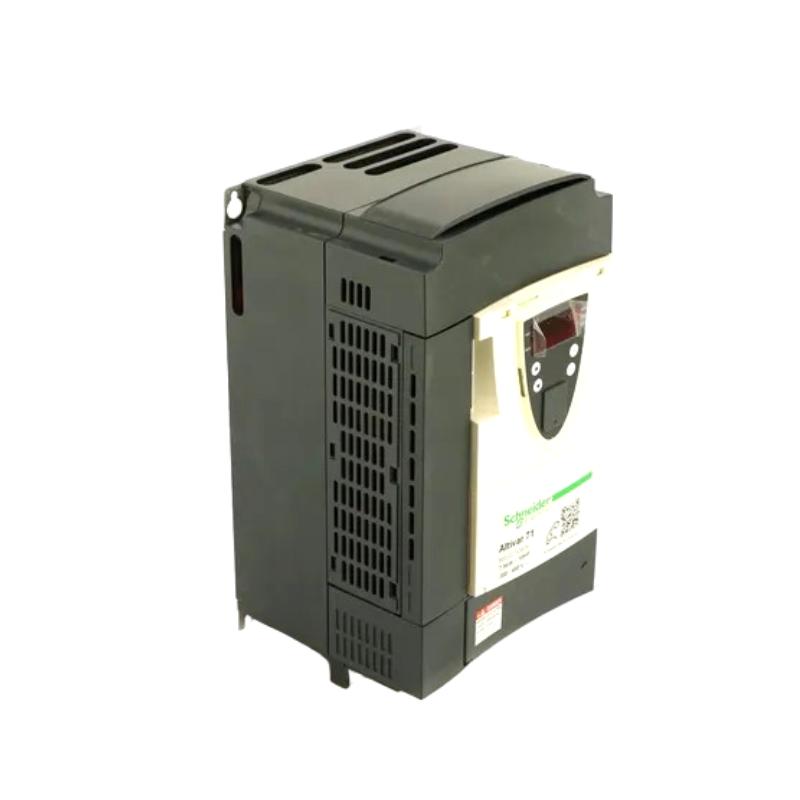
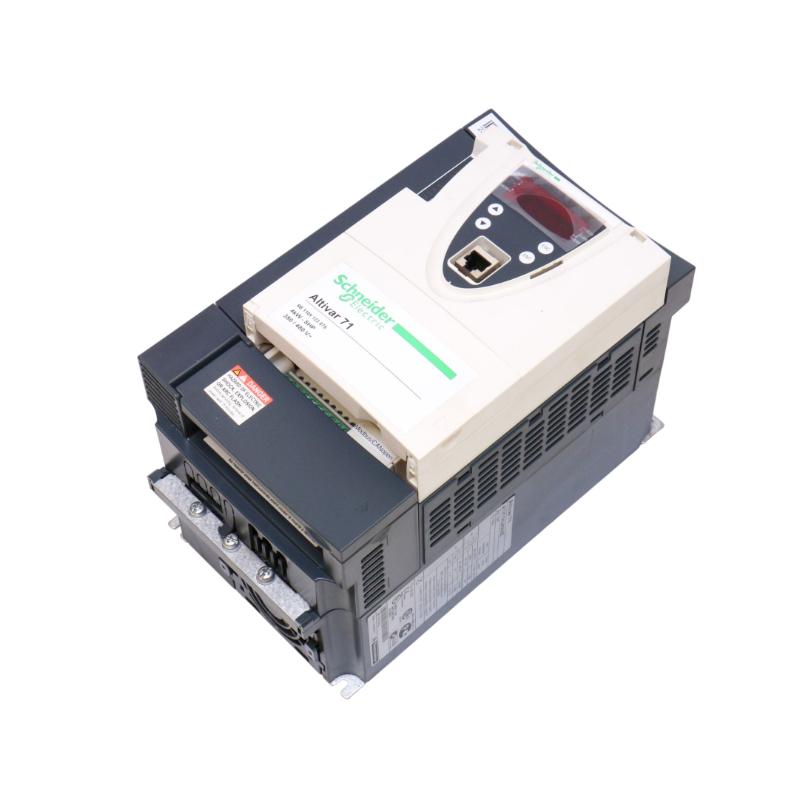
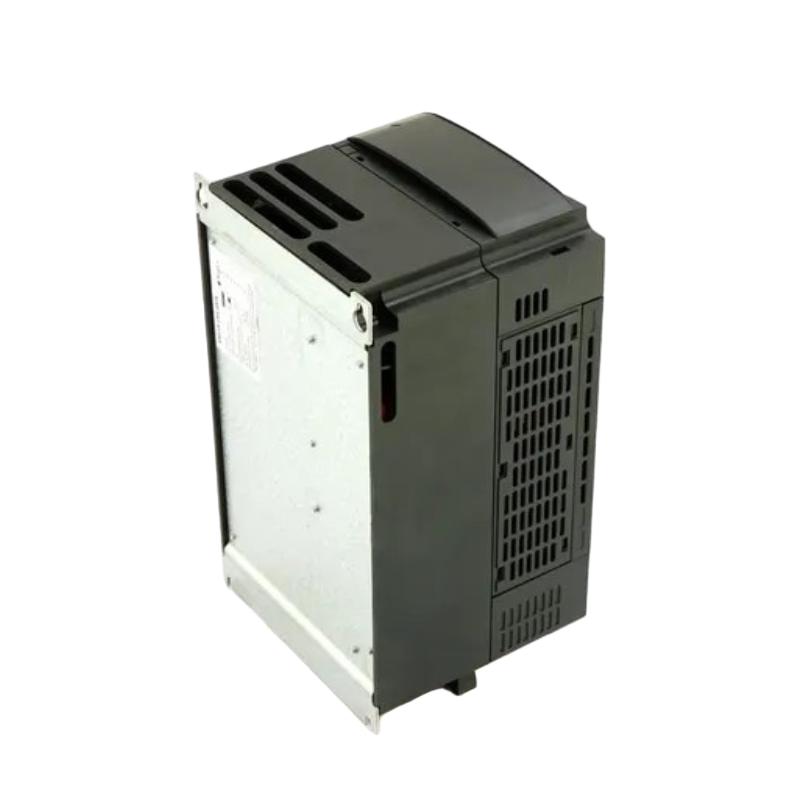
The Schneider ATV71HU75Y is part of the Altivar 71 series, developed for advanced motor control applications requiring higher voltage operation and strong torque stability. Unlike standard low-voltage drives, it is engineered for industrial systems where electrical stress, load fluctuations, and operational continuity are critical.
Its strength lies in combining vector control performance with robust electrical design, enabling consistent operation across a wide range of industrial processes. This makes it suitable for both standalone heavy machinery and integrated plant-wide automation systems.
From an engineering perspective, it is often selected for its reliability, flexibility, and ability to maintain stable performance in complex industrial environments.
Technical Specifications
| Parameter | Specification |
|---|
| Product Type | Variable Speed Drive |
| Model | ATV71HU75Y |
| Series | Altivar 71 |
| Motor Power | 5.5 kW / 7.5 kW (depending on voltage) |
| Input Voltage | 500–690 V AC |
| Phase | 3 Phase |
| Line Current | ~9–11 A range depending on supply |
| Output Frequency | 0.1–500 Hz |
| Control Modes | V/F, SFVC, FVC |
| Communication | Modbus, CANopen |
| EMC Filter | Integrated |
| Protection Rating | IP20 |
| Mounting Type | Panel / Wall Mount |
| Dimensions | 420 × 240 × 236 mm |
| Weight | 30 kg (66.14 lb) |
Industrial Application Overview
The Schneider ATV71HU75Y Variable Speed Drive is designed for high-power industrial systems operating in medium-to-high voltage networks where stable torque control, precise speed regulation, and robust system reliability are required. It is typically used in:
-
Large pumping and water distribution systems
-
Heavy-duty conveyor and material handling lines
-
Industrial HVAC and ventilation infrastructure
-
Compressors and process machinery
-
Energy and utility plant equipment
-
High-inertia mechanical systems
This model belongs to the Altivar 71 family and is optimized for complex industrial processes rather than basic motor speed control.
Engineering Advantages in Real Operation
The ATV71HU75Y is designed for demanding electrical environments where load variation and torque stability are critical.
Key advantages
-
High-voltage capability (500–690 V class) for industrial power systems
-
Sensorless and closed-loop flux vector control for accurate torque and speed regulation
-
Wide output frequency range (0.1–500 Hz) for flexible process control
-
High overload performance (up to 170%–220% transient torque) for demanding starts
-
Integrated EMC filter and reinforced enclosure design for electrical robustness
-
Supports synchronous and asynchronous motors for system flexibility
-
Energy Adaptation System (ENA) for improved efficiency under unbalanced loads
-
Communication integration (Modbus / CANopen and fieldbus options) for automation systems
In real-world operation, it is valued for maintaining stable motor behavior under fluctuating industrial loads and continuous-duty cycles.
Technical FAQs
1. What voltage range does this drive support?
It operates in the 500–690 V three-phase industrial voltage range.
2. What motor power is supported?
It supports approximately 5.5 kW to 7.5 kW depending on supply voltage configuration.
3. Does it support vector control?
Yes, it supports sensorless flux vector control and closed-loop vector control.
4. What is the output frequency range?
It operates from 0.1 Hz up to 500 Hz.
5. Is EMC protection included?
Yes, it includes an integrated EMC filter and reinforced design features.
6. Can it handle high starting torque?
Yes, it supports up to 220% transient torque for short durations.
7. Does it support different motor types?
Yes, both synchronous and asynchronous motors are supported.
8. What communication protocols are available?
It supports Modbus and CANopen, with optional expansion cards for industrial networks.
9. Is it suitable for heavy industrial environments?
Yes, it is designed for complex and high-power applications in harsh conditions.
10. What improves its energy efficiency?
The ENA (Energy Adaptation System) adjusts performance dynamically based on load conditions.
 A DCS Q Co., Ltd. - PLC and DCS Industrial Control Equipment Wholesale