Product Introduction
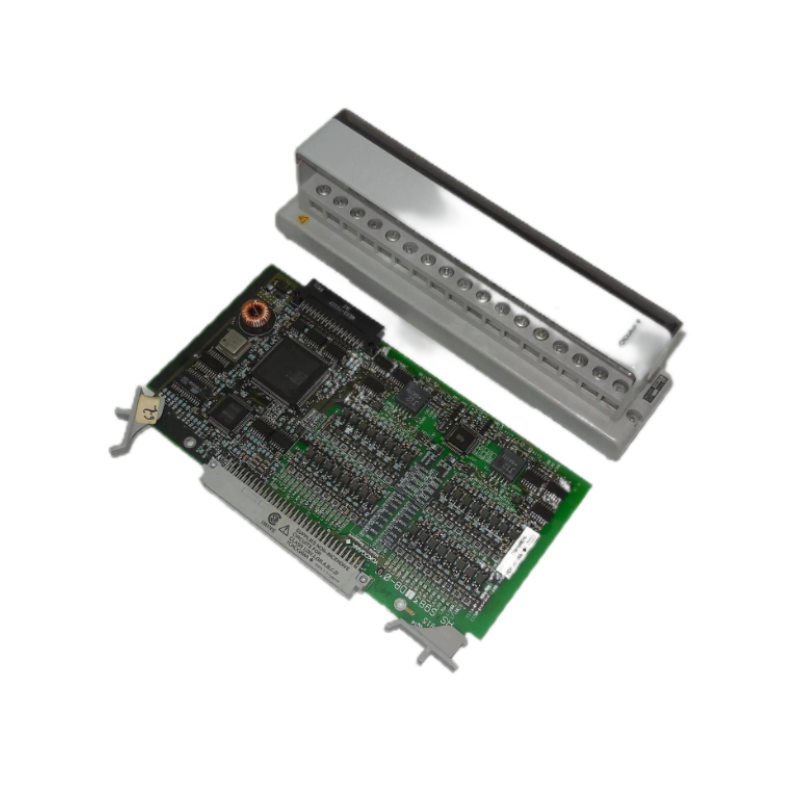
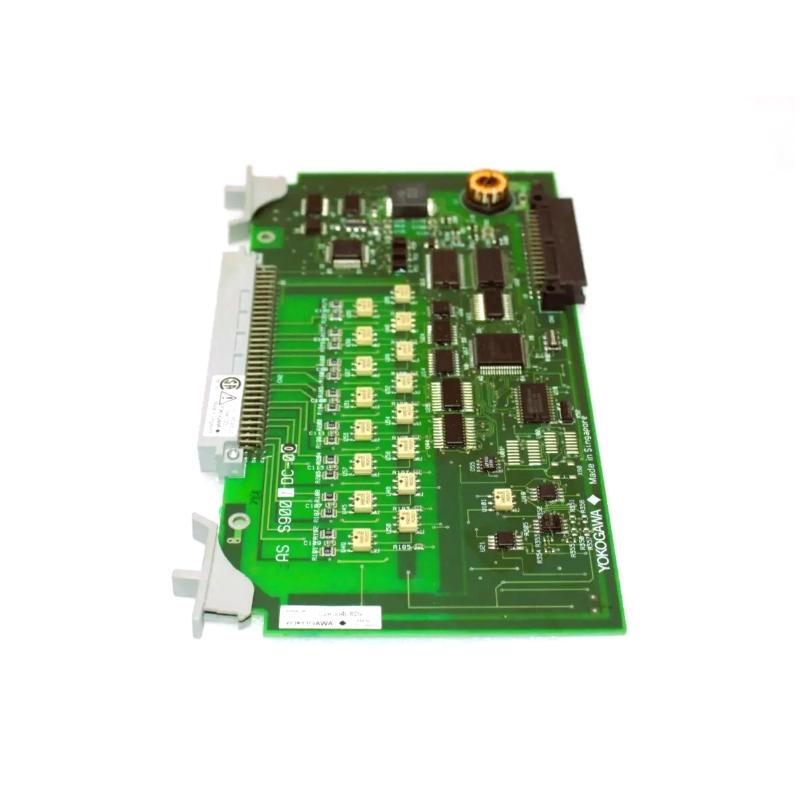
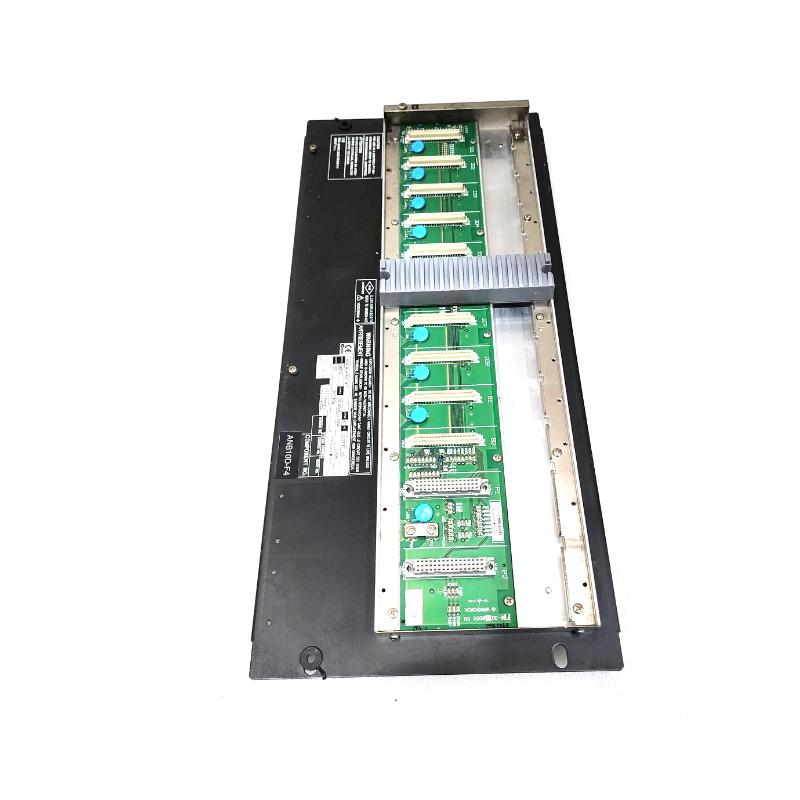
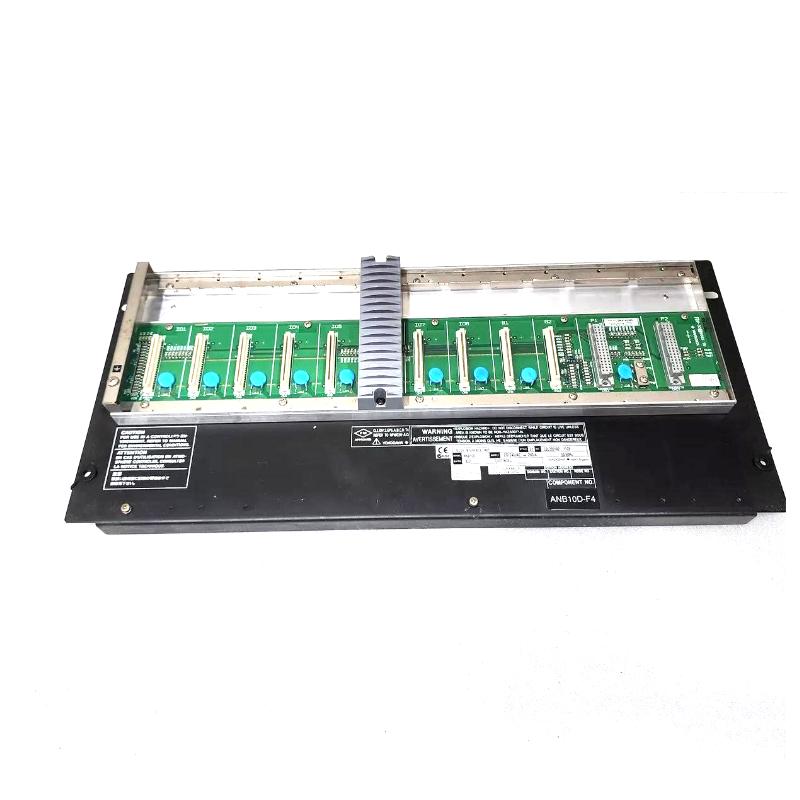
The Yokogawa ANB10D-425/CU2 ESB Bus Node Unit is a robust communication hub for industrial distributed control systems. It centralizes high-speed data exchange between controllers and field devices, providing fault-tolerant operation and seamless integration within Yokogawa ESB networks.
With rugged industrial-grade construction and modular design, the ANB10D-425/CU2 is ideal for mission-critical automation applications that require reliable and efficient network communication.
Technical Specifications
| Parameter | Specification |
|---|
| Product Name | Yokogawa ANB10D-425/CU2 |
| Module Type | ESB Bus Node Unit |
| Primary Function | High-speed, fault-tolerant communication in ESB networks |
| System Compatibility | Yokogawa CENTUM VP / ESB-based DCS systems |
| Network Function | Central hub for controllers and field devices |
| Installation | Rack or panel mounting in industrial systems |
| Environmental Resistance | Industrial-grade durability; vibration, EMI, and temperature resistant |
| Dimensions | 482.6 × 221.5 × 205 mm |
| Weight | 10 kg (22.0462 lb) |
High-Speed ESB Bus Node for Industrial Automation
The Yokogawa ANB10D-425/CU2 ESB Bus Node Unit is a high-performance communication module engineered for ESB (Enhanced Serial Bus) distributed control networks. Designed for industrial automation applications, it serves as a central hub linking controllers and field devices, ensuring stable, fault-tolerant, and high-speed data exchange for continuous process control.
Typical Applications
-
Central bus node in Yokogawa ESB-based DCS networks
-
High-speed communication between controllers and field I/O modules
-
Process control and monitoring in chemical and petrochemical plants
-
Power generation automation and monitoring
-
Water and wastewater treatment distributed control systems
-
Pharmaceutical production process control
-
Oil and gas instrumentation and automation networks
The ANB10D-425/CU2 ensures reliable communication, network stability, and operational efficiency in complex industrial systems.
Key Advantages
Fault-Tolerant High-Speed Communication
Delivers rapid, secure data transfer with redundancy to maintain continuous operation.
Industrial-Grade Durability
Resistant to vibration, EMI, and extreme temperature variations typical of industrial environments.
Seamless Integration
Fully compatible with Yokogawa CENTUM VP and other ESB-based distributed control platforms.
Scalable Network Architecture
Supports deployment of multiple bus nodes without compromising communication performance.
Modular Design for Maintenance
Facilitates easy diagnostics and quick component replacement, reducing downtime.
Enhanced Control Reliability
Ensures stable network operation for accurate and continuous process control.
Technical FAQs
1. What is the primary function of the ANB10D-425/CU2?
It acts as a high-speed, fault-tolerant communication node connecting controllers and field devices in ESB networks.
2. Can it support large-scale distributed control systems?
Yes. Optimized for high-capacity, high-speed communication in complex automation networks.
3. Is it fault-tolerant?
Yes. Maintains reliable operation even during network disturbances or module failure.
4. Can it operate continuously in industrial environments?
Yes. Designed for long-term, stable operation under demanding conditions.
5. Is it compatible with Yokogawa DCS platforms?
Yes. Integrates seamlessly with CENTUM VP and other ESB-based control systems.
6. Can multiple units be deployed in one network?
Yes. Modular architecture supports scalable deployment of multiple nodes.
7. How does it simplify maintenance?
Quick diagnostics and modular component replacement minimize downtime and complexity.
8. Is it suitable for harsh industrial conditions?
Yes. Designed to resist vibration, EMI, and temperature extremes typical in industrial plants.
9. How does it improve network reliability?
By providing fault-tolerant, high-speed communication, it ensures continuous operation and accurate process control.
10. What operational benefits does it provide?
Enhances network speed, stability, and overall process control efficiency in industrial automation systems.
 A DCS Q Co., Ltd. - PLC and DCS Industrial Control Equipment Wholesale