Typical Applications
The PM253V01 processor module is widely used in industrial automation control environments where reliable logic execution and precise process management are critical:
-
Distributed control systems in process industries
-
Batch and continuous manufacturing automation
-
Petrochemical, power generation, and utility control networks
-
Infrastructure automation with high I/O demands
-
Retrofitting legacy Advant Controller systems with trusted CPU support
Its integration into ABB’s modular architecture enables scalable control solutions suited to both centralized and distributed configurations.
Key Advantages and Features
The ABB PM253V01 stands out for its stable execution of control and automation logic, making it suitable for mission‑critical applications:
-
Engineered for continuous industrial operation
-
Compact design reduces cabinet space and wiring complexity
-
Compatible with a wide range of communication modules and I/O units
-
Supports system program execution with reliable task scheduling
-
Proven performance in legacy Advant Controller environments
These features help improve system responsiveness, reduce maintenance overhead, and extend the lifecycle of installed automation infrastructure.
Technical FAQs
1. What is the primary function of the PM253V01?
It serves as the central processor for the ABB Advant Controller AC250 automation system.
2. Which control platforms support this module?
Primarily the Advant Controller AC250 architecture within DCS and PLC applications.
3. What is the approximate weight of this processor?
About 0.4 kg (15 oz).
4. What are its typical dimensions?
Roughly 178 × 51 × 127 mm (7.0″ × 2.0″ × 5.0″).
5. Can it support multiple I/O units?
Yes, depending on system configuration it supports expansion via I/O modules and fieldbus interfaces.
6. Is it suitable for retrofit projects?
Yes — common in sustaining legacy control systems where replacement parts are needed.
7. What type of communication does it support?
It integrates with standard industrial protocols via compatible communication modules.
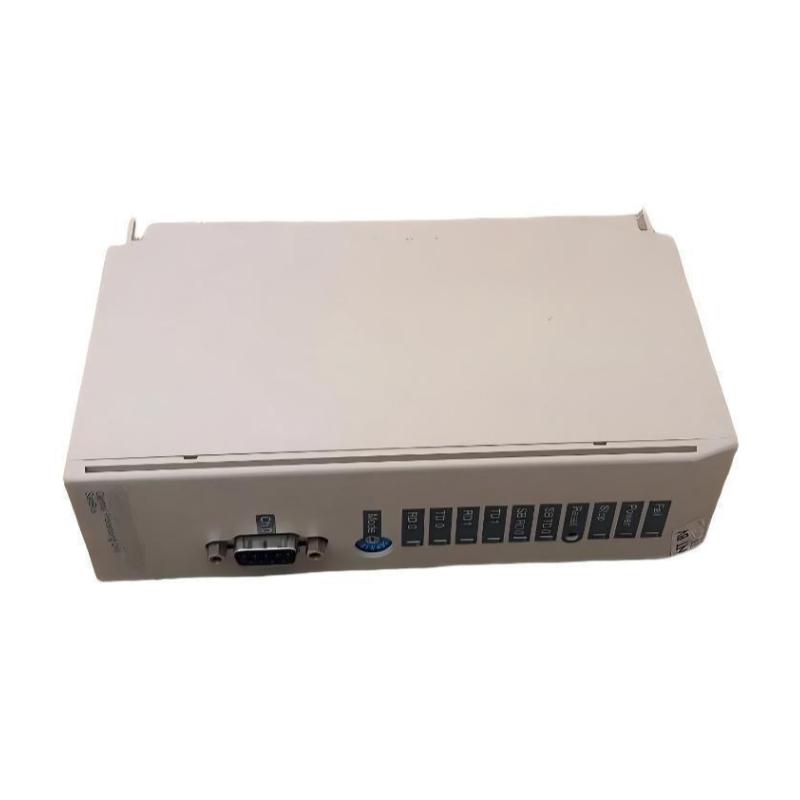
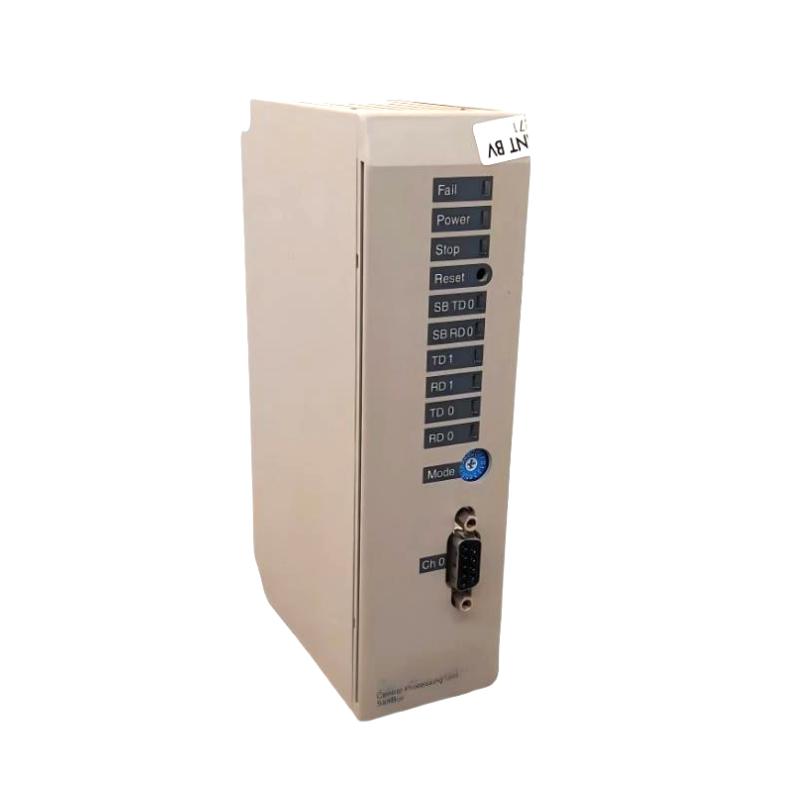
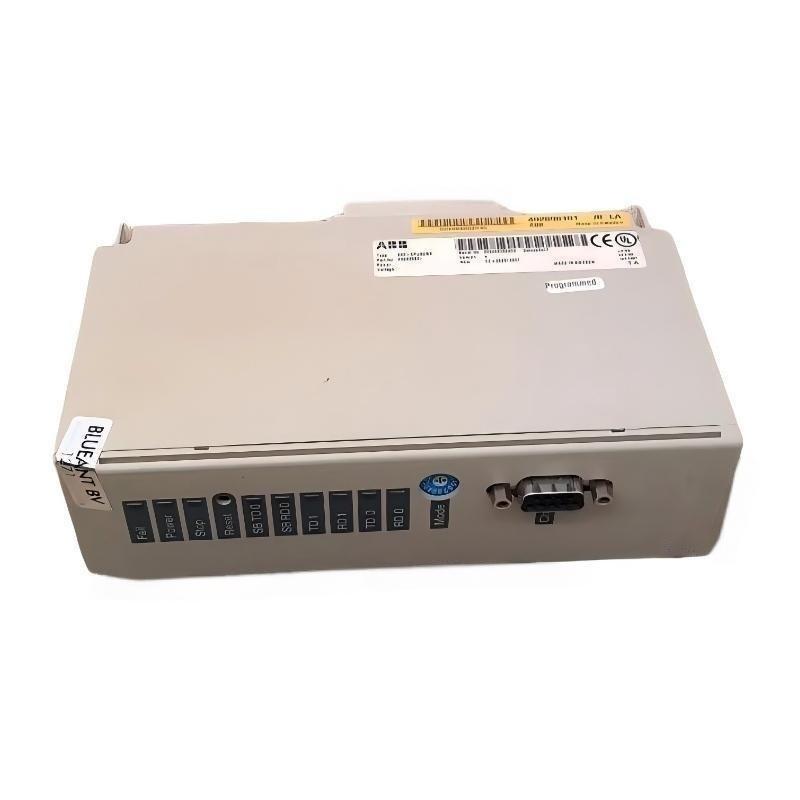
8. Does it have front‑panel indicators?
Typical implementations include status LEDs to aid diagnostics (per platform spec).
9. In what environments does it operate?
Designed for industrial control cabinets with regulated temperature and environment.
10. Can it handle complex industrial logic?
Yes, it’s engineered for real‑time processing of advanced control functions.
 A DCS Q Co., Ltd. - PLC and DCS Industrial Control Equipment Wholesale