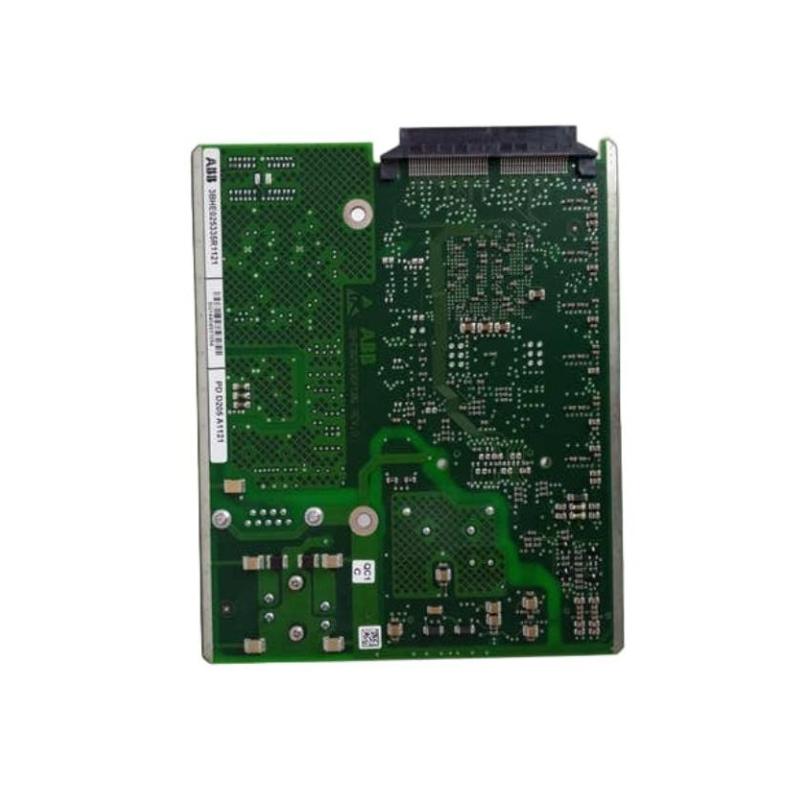
Product Insight and Engineering Perspective
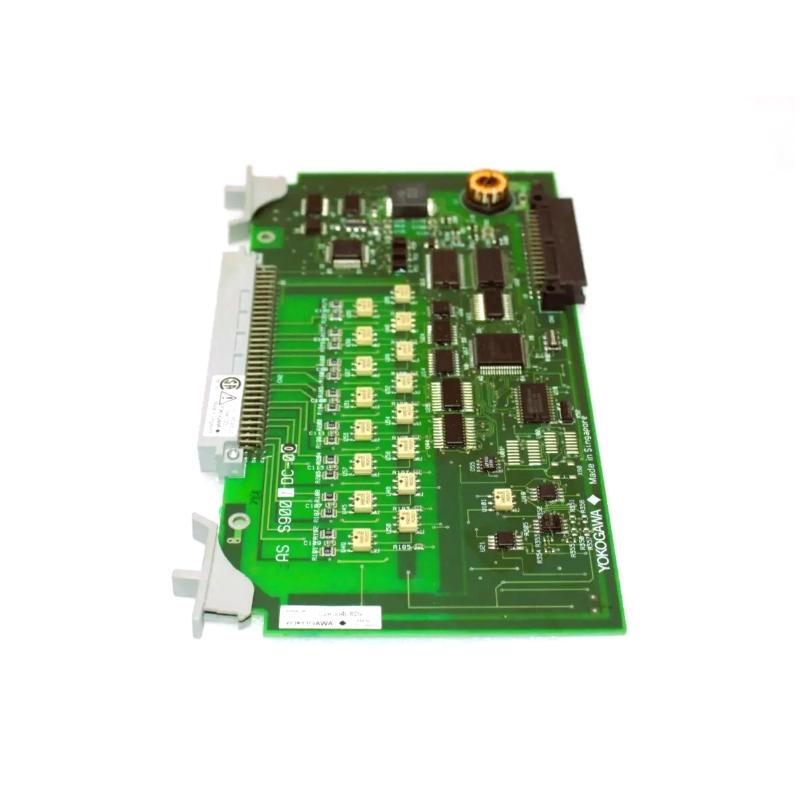
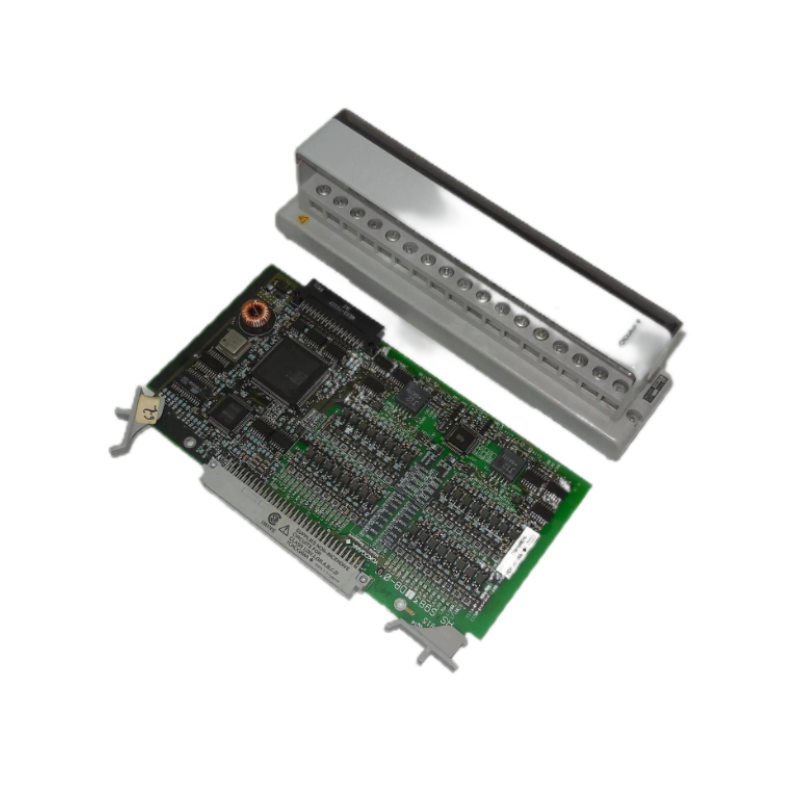
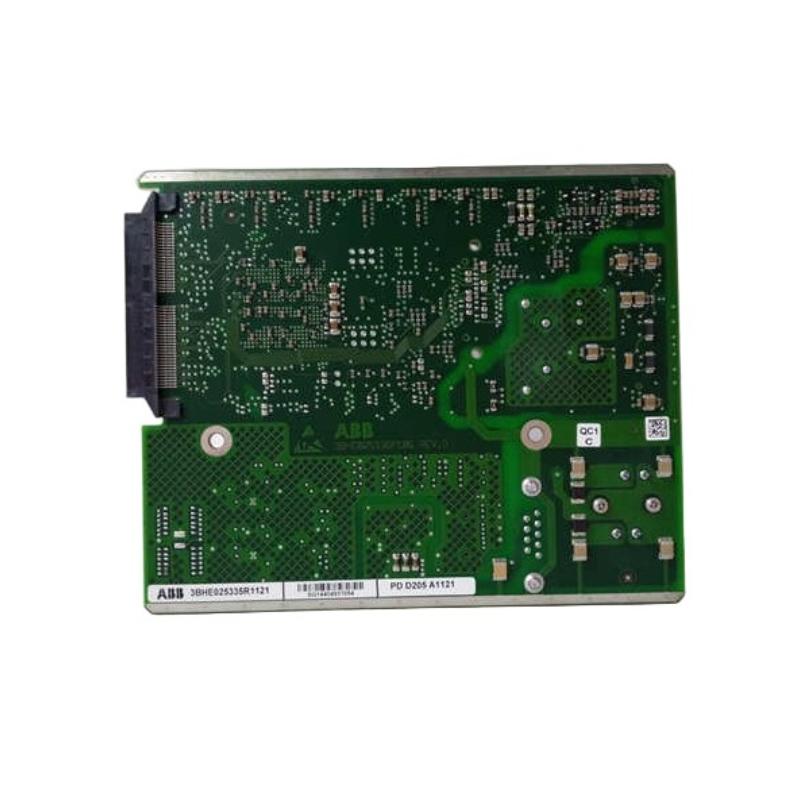
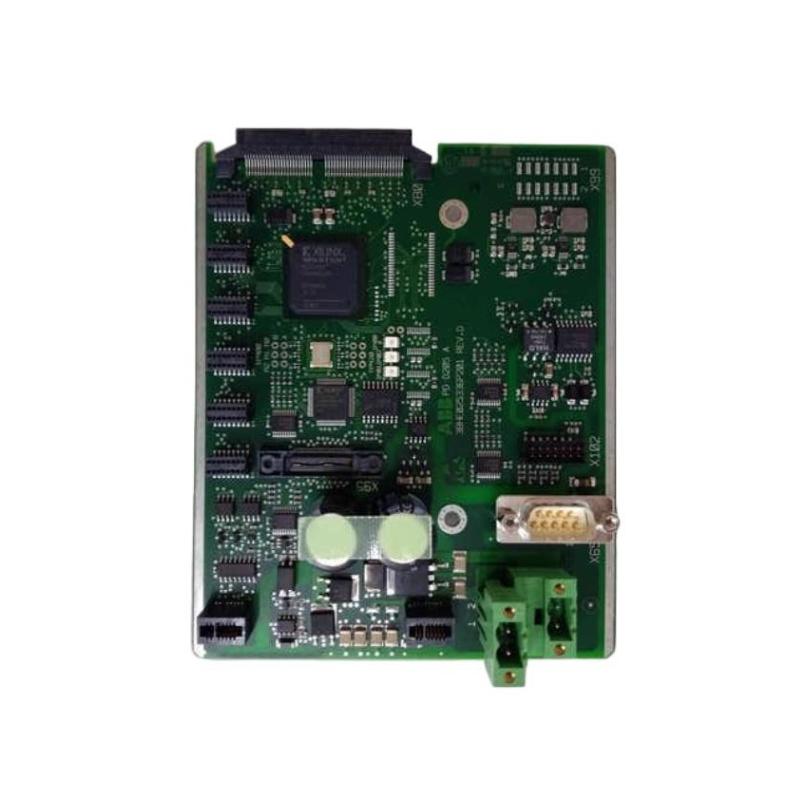
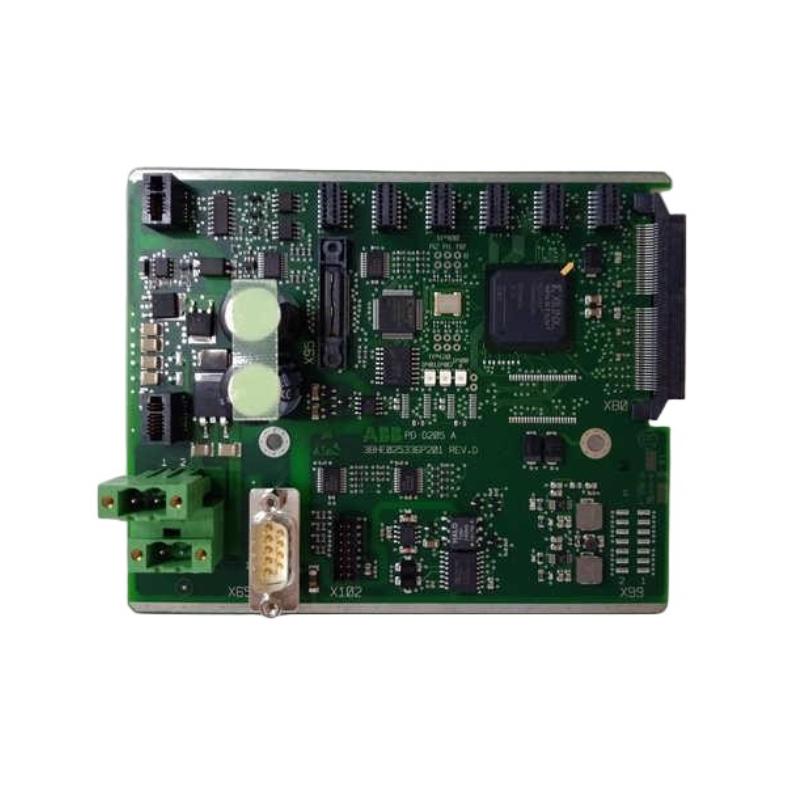
The ABB PDD205 A1121 3BHE025335R1121 Circuit Board is a highly specialized control and signal-processing module designed for demanding industrial automation and power system environments. Positioned as a critical interface component, it plays a central role in signal conditioning, system protection, and real-time operational control.
Engineered with robust isolation and advanced logic integration, this circuit board is widely utilized in medium- and high-voltage applications where precision, safety, and system stability are essential. Its compatibility with ABB control platforms makes it a dependable choice for upgrading or maintaining complex automation infrastructures.
Technical Specifications
| Parameter | Details |
|---|
| Manufacturer | ABB |
| Model | PDD205 A1121 |
| Part Number | 3BHE025335R1121 |
| Module Type | Circuit Board |
| Input Voltage | 220–240 VAC (±15%) |
| Output Voltage | 24 VDC |
| Output Current | 5 A |
| Power Dissipation | 0.9 VA (voltage circuits) |
| Communication Interfaces | Ethernet, Modbus, Profibus, CAN |
| Isolation Capability | Up to 5 kV AC |
| Operating Temperature | -20°C to +65°C |
| Dimensions (H × W × D) | 263 × 138 × 88 mm |
| Weight | Approx. 1.0 – 2.35 kg |
Industrial Use Cases
This circuit board is designed to meet the operational demands of high-reliability sectors:
-
Power generation systems for excitation and voltage regulation
-
Metallurgical plants with high-voltage motor control
-
Petrochemical facilities requiring safe signal isolation
-
Water treatment and utility automation systems
-
Heavy industrial drives such as frequency converters
Its ability to bridge high-voltage equipment with low-voltage control systems ensures stable and secure data transmission across complex infrastructures.
Core Strengths and Value Proposition
The PDD205 A1121 stands out due to its integration of safety logic and signal isolation in a single compact design. This reduces the need for additional hardware while improving overall system efficiency.
Key advantages include:
-
High-voltage isolation for enhanced operational safety
-
Integrated safety logic for streamlined system architecture
-
Strong resistance to electromagnetic interference
-
Fast response to dynamic system changes
-
Reduced maintenance requirements through reliable design
Its architecture aligns with modern industrial standards, supporting stable performance even in electrically noisy environments.
Technical FAQs
1. What is the primary function of this circuit board?
It performs signal conditioning, isolation, and safety logic control in industrial systems.
2. Is it compatible with ABB DCS systems?
Yes, it works with platforms such as Symphony Plus and AC 800M.
3. Can it handle high-voltage environments?
Yes, it supports high-voltage signal isolation up to several kilovolts.
4. What communication protocols are supported?
Ethernet, Modbus, Profibus, and CAN.
5. Does it include built-in protection features?
Yes, it integrates safety interlocks and monitoring functions.
6. What industries benefit most from this module?
Power, metallurgy, petrochemical, and heavy manufacturing.
7. How does it improve system reliability?
By isolating signals and reducing interference, ensuring stable control.
8. What is the typical installation environment?
Industrial control cabinets with controlled temperature and protection.
9. Is it suitable for retrofit projects?
Yes, it is often used in system upgrades and replacements.
10. What maintenance is required?
Minimal; periodic inspection and environmental checks are recommended.
 A DCS Q Co., Ltd. - PLC and DCS Industrial Control Equipment Wholesale