Product Introduction
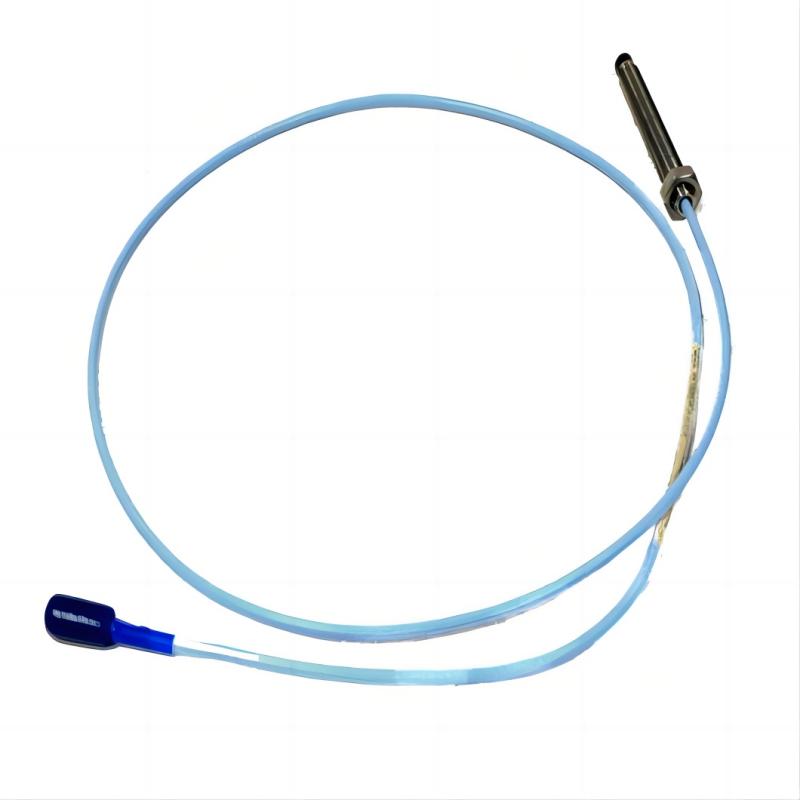
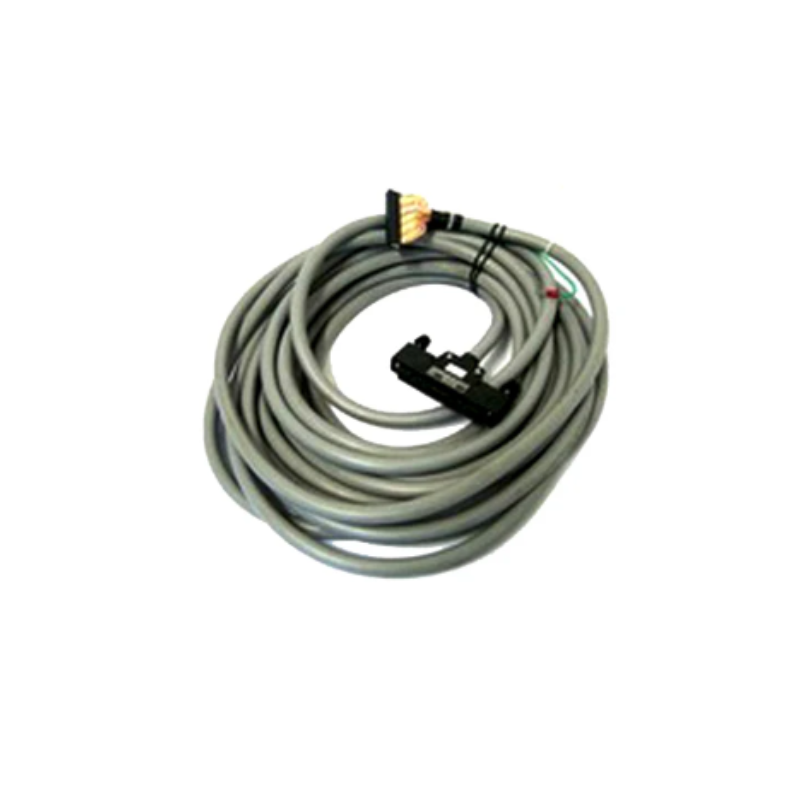
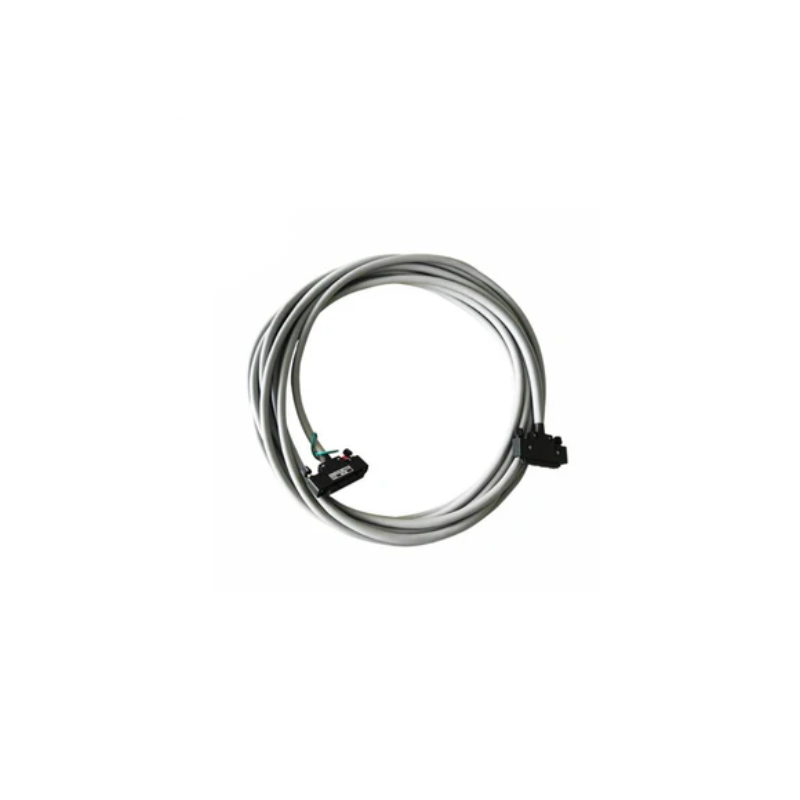
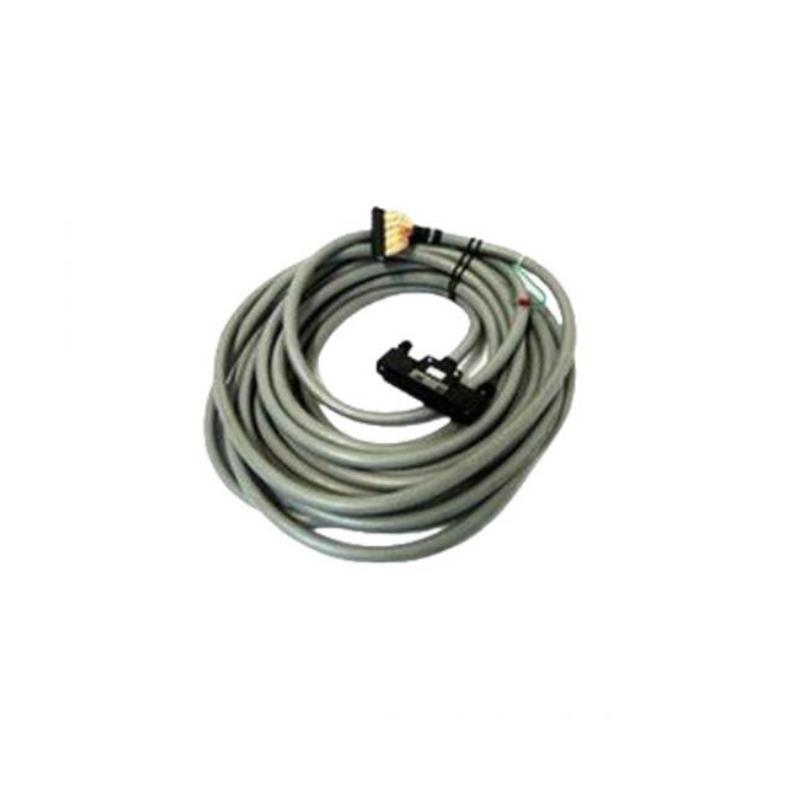
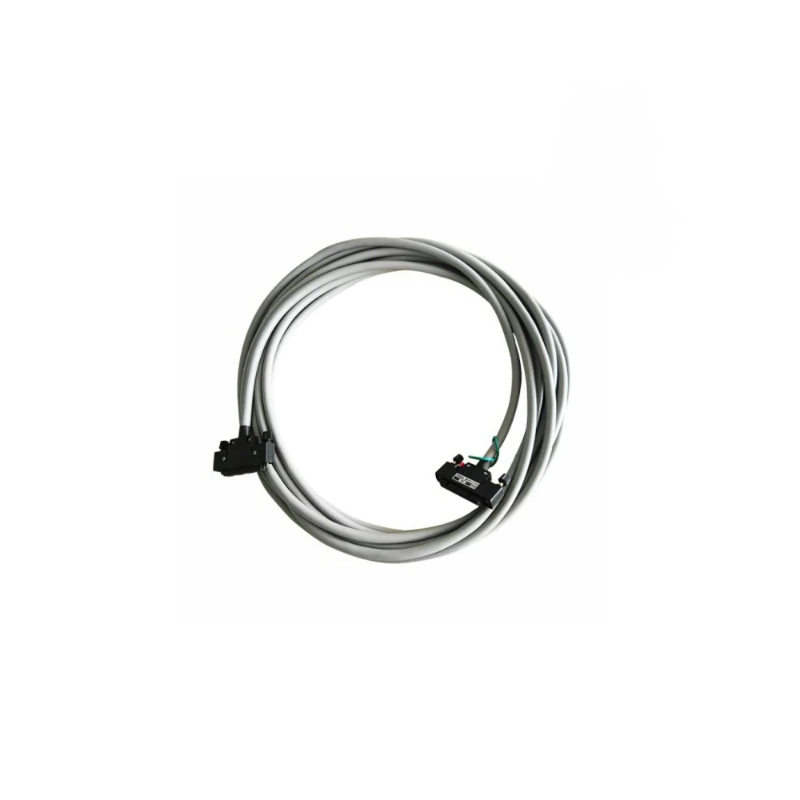
The Yokogawa AKB161 Signal Line is a high-quality industrial communication cable for transmitting signals from field devices to control systems. Its robust design and optional cable lengths ensure reliable signal integrity in diverse industrial conditions.
Compatible with Yokogawa instruments and DCS platforms, the AKB161 supports both new installations and retrofits, maintaining stable and precise process control across industrial automation systems.
Technical Specifications
| Parameter | Specification |
|---|
| Product Name | Yokogawa AKB161 |
| Module Type | Signal Line |
| Primary Function | Field device signal transmission to controllers |
| Signal Type | Analog / Low-level digital |
| Cable Length | Optional (customizable) |
| System Compatibility | Yokogawa transmitters and DCS systems |
| Environmental Resistance | Industrial-grade durability, EMI shielding |
| Installation | Field routing to control system |
| Application | Process instrumentation and automation |
| Dimensions | Optional based on cable length (standard packaging) |
| Shipping Weight | 3 kg (6.6139 lb) |
Reliable Signal Transmission for Industrial Automation
The Yokogawa AKB161 Signal Line is designed to ensure accurate and stable signal transfer between field instruments and control systems. Its construction emphasizes noise resistance, long-term reliability, and compatibility with industrial-grade devices, making it ideal for mission-critical process automation.
Typical Application Scenarios
-
Connecting sensors, transmitters, and actuators to Yokogawa DCS
-
Signal routing in chemical and petrochemical plants
-
Power generation instrumentation networks
-
Water and wastewater treatment process monitoring
-
Pharmaceutical production and laboratory control
-
Oil & gas field instrumentation
-
Pulp and paper processing systems
The AKB161 ensures that process signals are transmitted without degradation, supporting accurate monitoring and control across complex plant environments.
Key Advantages
High Signal Integrity
Engineered to minimize electromagnetic interference, maintaining clean and accurate signal transmission.
Flexible Deployment
Optional cable lengths allow adaptation to diverse plant layouts and field distances.
Robust Industrial Design
Durable materials and shielding make it resistant to vibration, temperature changes, and chemical exposure.
Seamless System Compatibility
Works reliably with Yokogawa transmitters, controllers, and DCS platforms.
Low Maintenance
High-quality construction reduces downtime and the need for frequent replacements.
Easy Installation
Designed for straightforward integration into existing field networks and control systems.
Technical FAQs
1. What types of signals can the AKB161 transmit?
It supports standard analog and low-level digital signals from field devices.
2. Can it be used in electrically noisy environments?
Yes. Its shielding and construction reduce electromagnetic interference for reliable signal integrity.
3. Is it compatible with Yokogawa field instruments?
Yes. It works with transmitters, sensors, and controllers from Yokogawa automation systems.
4. Can the cable length be customized?
Yes. Cable lengths are optional and can be selected to fit installation requirements.
5. Does it support long-distance signal transmission?
Yes. It is designed to maintain signal quality over extended distances within industrial facilities.
6. Can it withstand harsh industrial conditions?
Yes. It is built to resist vibration, temperature fluctuations, and chemical exposure.
7. How does it contribute to process reliability?
By ensuring accurate signal transfer, it helps maintain precise control and monitoring of industrial processes.
8. Is it suitable for retrofit projects?
Yes. Its flexible length options and standard connectors allow integration with existing systems.
9. Can multiple AKB161 lines be used in a single control network?
Yes. Multiple lines can be deployed to support complex instrumentation networks.
10. How does it improve maintenance efficiency?
Durable construction and stable performance reduce troubleshooting frequency and downtime.
 A DCS Q Co., Ltd. - PLC and DCS Industrial Control Equipment Wholesale