Key Industrial Uses
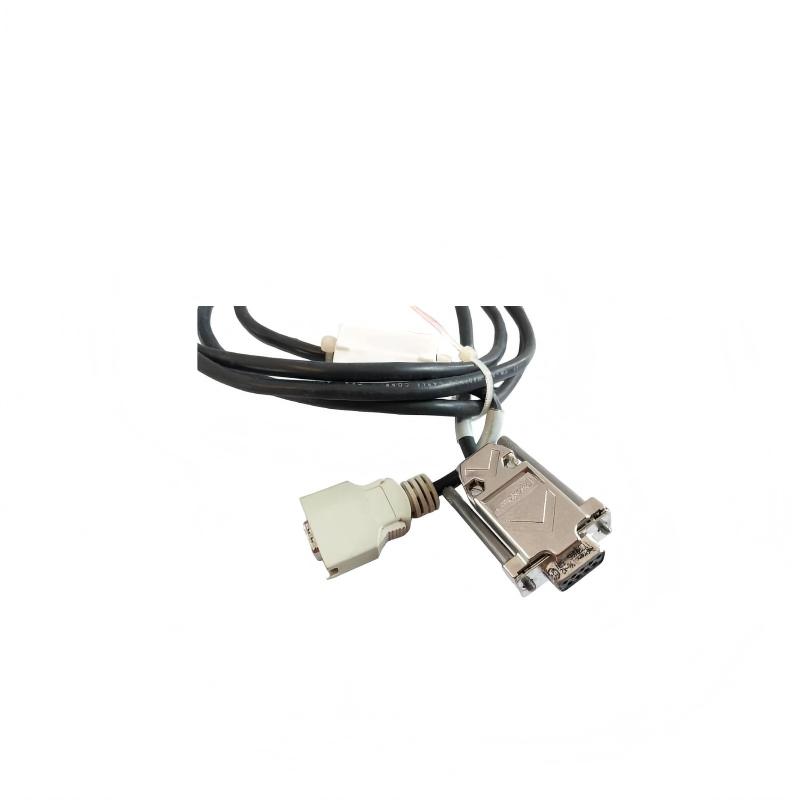
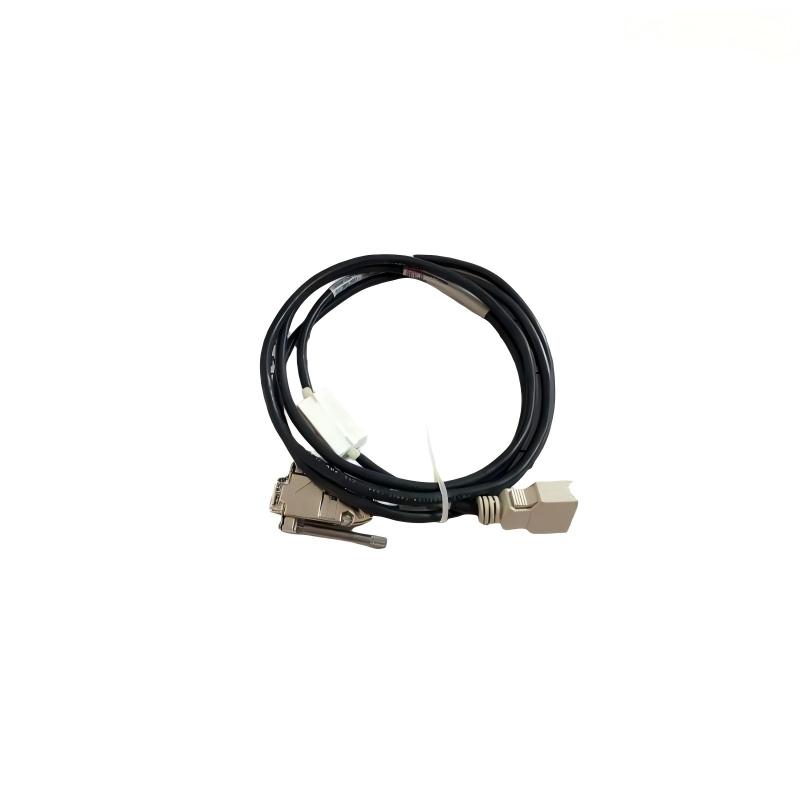
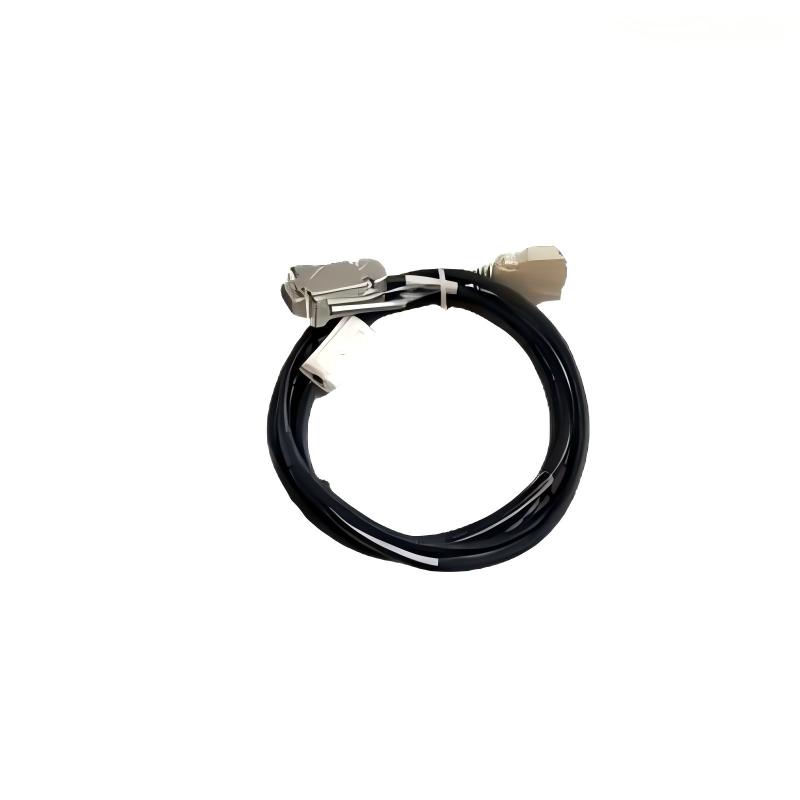
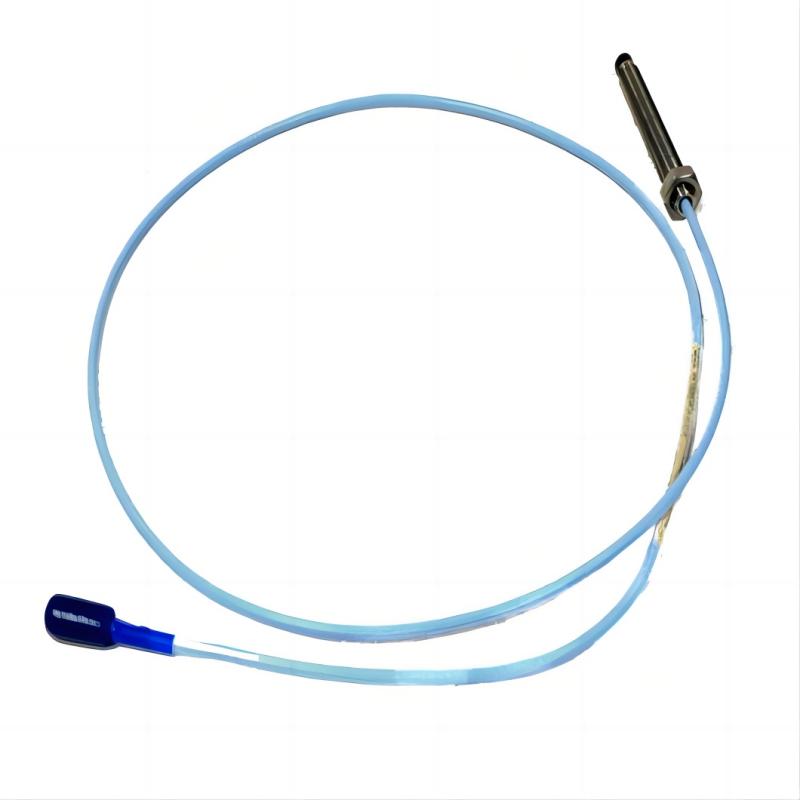
The 51305387‑300 Cable Assembly is often employed in automation architectures that demand reliable connectivity and long‑term performance:
-
Interconnecting Honeywell controllers and I/O modules in Experion PKS systems
-
Linking DCS and PLC hardware in process automation installations
-
Cabinet and rack internal wiring for control system integration
-
Power and signal pathways within manufacturing automation networks
-
Electrical communication paths in energy, chemical, and utilities sectors
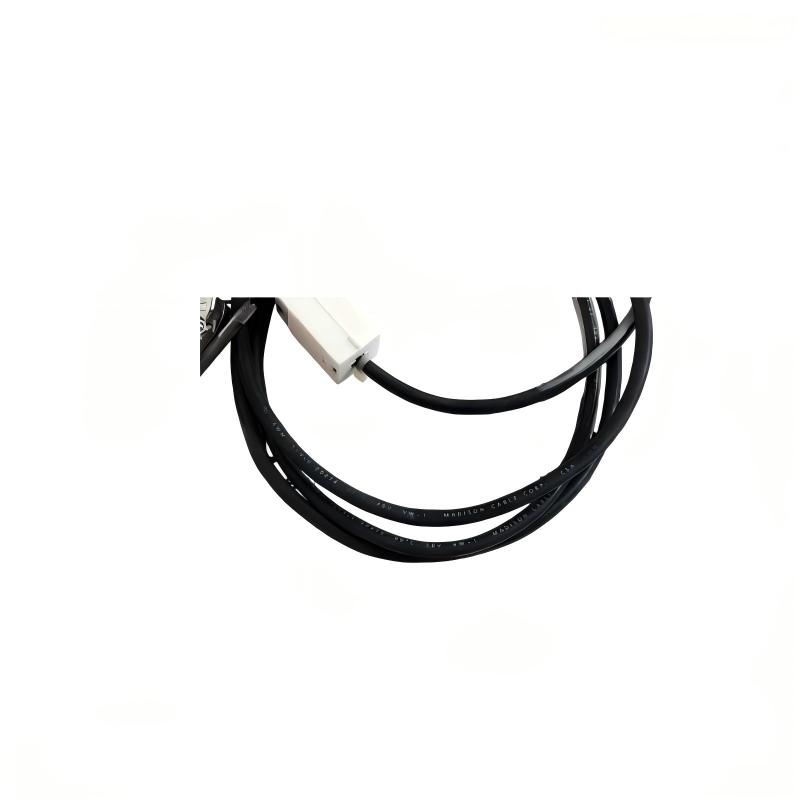
Its flexible length and rugged design make it suitable for a wide range of industrial use cases.
Advantages and Operational Benefits
This cable assembly offers practical value that supports industrial automation performance:
-
Stable signal transmission helps maintain reliable communication
-
Industrial‑grade insulation resists wear and environmental stress
-
Designed for Honeywell systems with compatible connectors
-
Suitable for power or signal carriage across automation networks
-
Built for long service life in harsh industrial conditions
Such features help reduce maintenance issues and improve system uptime in production environments.
Technical FAQs
-
What is the primary purpose of this cable?
It provides power and/or signal connectivity within Honeywell automation equipment.
-
Which systems is it compatible with?
Designed for use with Experion PKS, TDC/TPS, and Honeywell PLC/DCS hardware.
-
What connector types does it use?
Proprietary industrial Honeywell connectors specific to supported automation modules.
-
Can the cable length be customized?
Standard lengths range from 1 m to 3 m; custom lengths may be available.
-
Is the cable shielded?
Yes, it typically uses a shielded twisted pair or industrial insulation to resist EMI/RFI.
-
What temperature range is supported?
Roughly –20 °C to +60 °C, suitable for most industrial control environments.
-
Is this an OEM Honeywell part?
Yes, it’s a brand‑new original Honeywell cable assembly.
-
Does it carry power as well as signals?
It is built to handle both power and signal transmission as required by the connected modules.
-
What is the standard warranty period?
A typical one‑year warranty is provided by suppliers.
-
Where is this cable installed?
Commonly routed in control cabinets, racks, and field wiring environments associated with automation systems.
 A DCS Q Co., Ltd. - PLC and DCS Industrial Control Equipment Wholesale