Typical Industrial Uses
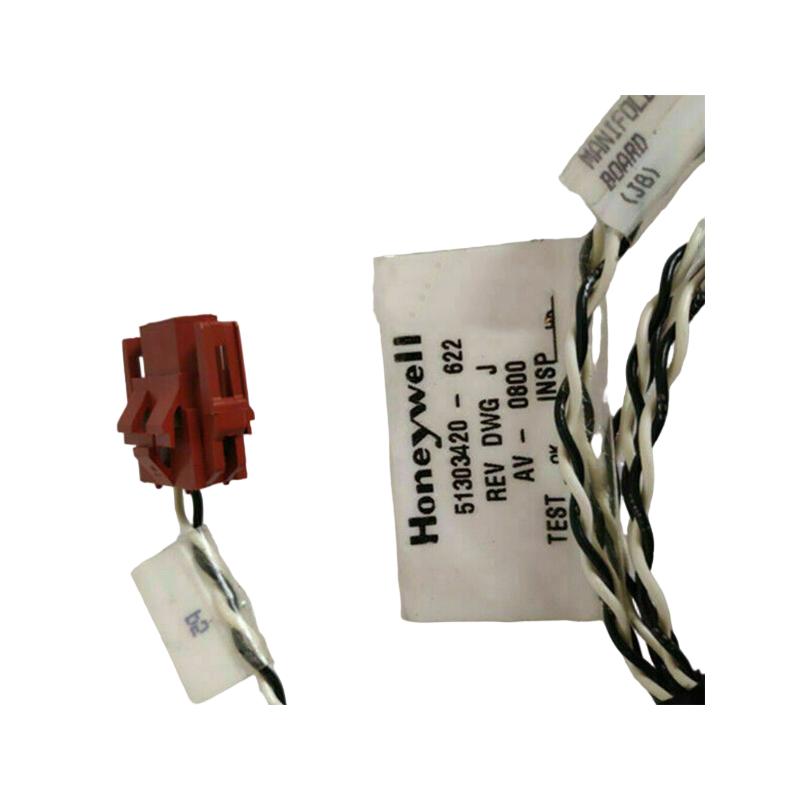
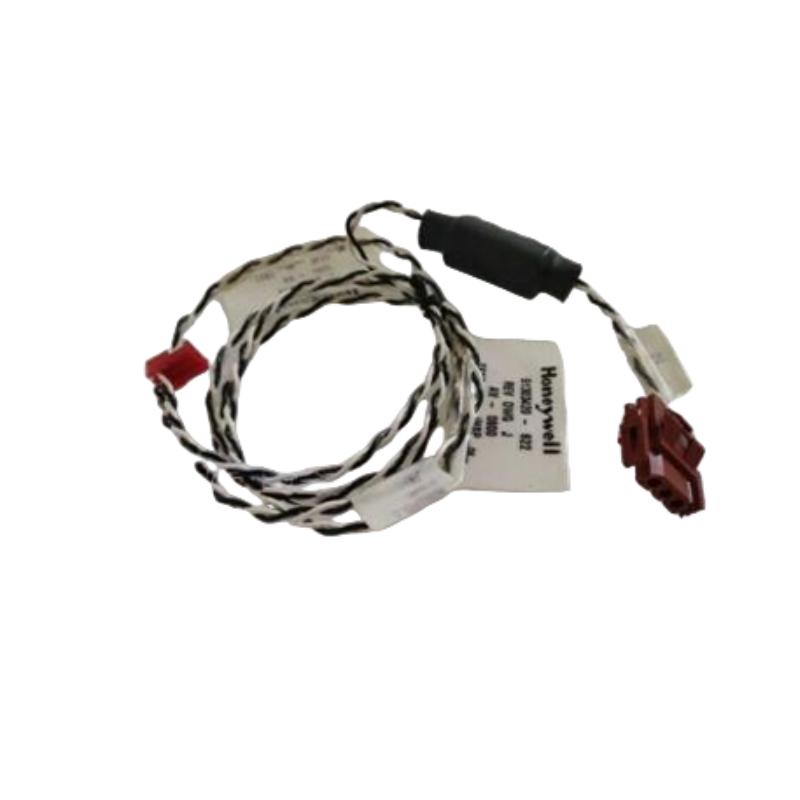
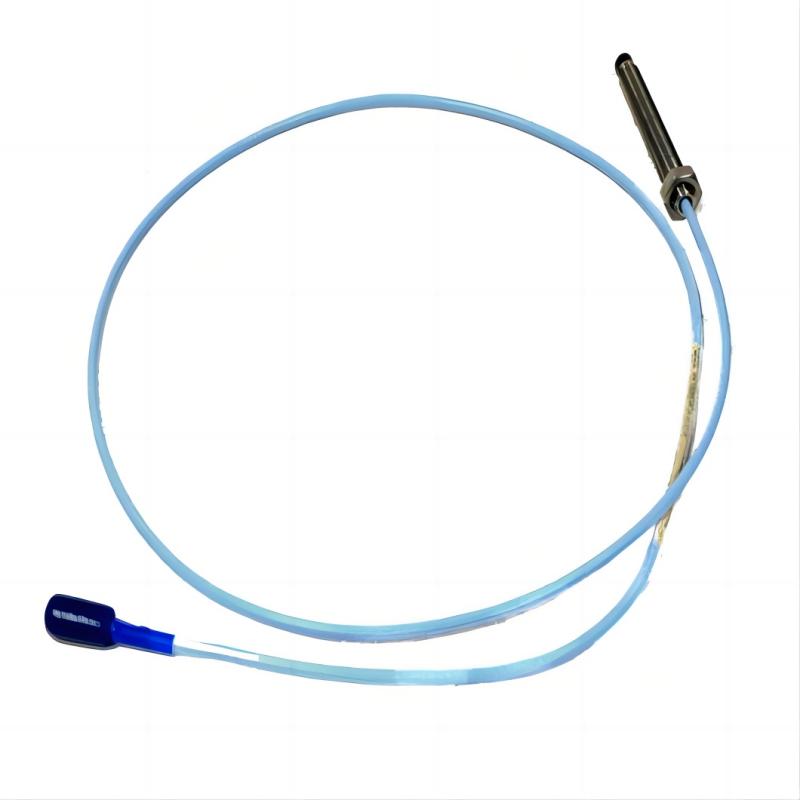
The 51303420‑622 Cable is widely employed in automation and control applications where accurate, low‑noise signal transfer is crucial:
-
Communication links between Honeywell controllers and annunciator panels
-
Status and diagnostic signaling in distributed control systems
-
Networking field devices and system modules in process plants
-
Interconnect wiring inside control cabinets and equipment racks
Its shielding and rugged build help reduce interference effects from motors, drives, and other industrial power equipment, ensuring reliable communications.
Core Benefits and Value
This cable blends practicality with performance for industrial automation professionals:
-
Shielded design improves resistance to electrical noise and interference
-
DB9 termination provides a stable and familiar industrial connector interface
-
Durable industrial construction supports extended service life
-
Reliable communication for status signals enhances system oversight
-
Standard length and flexibility simplify installation in cabinets and racks
These characteristics help ensure long‑term reliability and ease of integration in complex installations.
Technical FAQs
-
What is the primary use of this cable?
It is used for status, annunciator, and diagnostic signal communication in automation systems.
-
What connector does it use?
It typically uses a DB9 industrial interface.
-
Is the cable shielded?
Yes — it features EMI/RFI shielding for interference resistance.
-
What is the approximate cable length?
The standard version is around 3 meters.
-
Can it operate in harsh environments?
Yes, designed for industrial ambient conditions with durable materials.
-
What temperature range does it support?
Typically up to around +70 °C in operation.
-
Is this an original Honeywell part?
Yes, it is supplied new with manufacturer warranty.
-
Does it support Modbus communication?
Certain listings indicate compatibility with protocols such as Modbus RTU/TCP via DB9.
-
Is external power needed?
It carries common industrial control signals; any additional power depends on system design.
-
Is documentation available?
Technical sheets and installation guidance can generally be obtained from Honeywell or trusted distributors.
 A DCS Q Co., Ltd. - PLC and DCS Industrial Control Equipment Wholesale