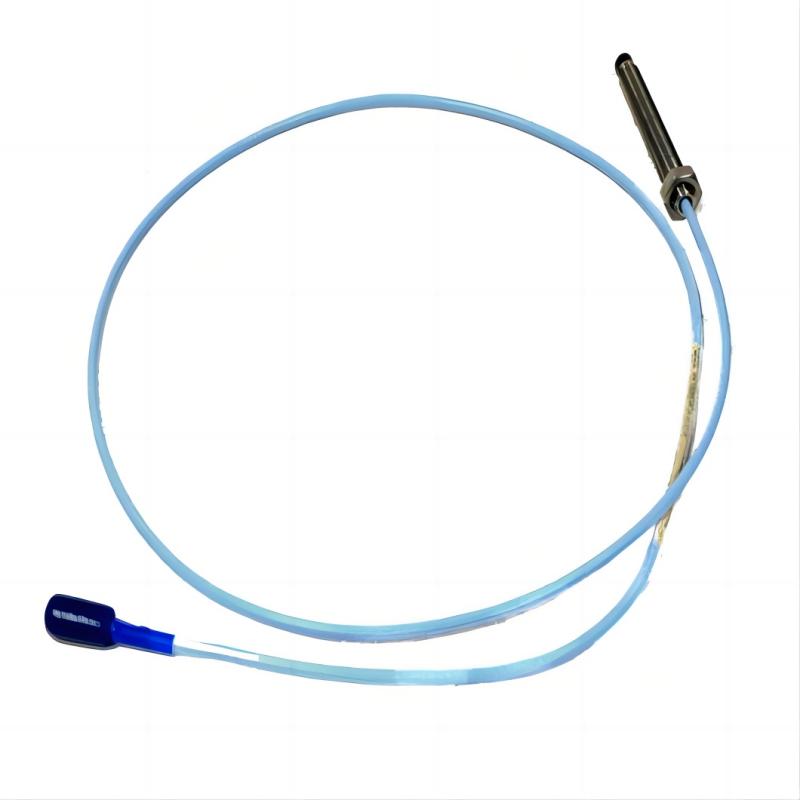
Application Scenarios
This cable provides critical communication links across industrial automation systems:
-
High‑performance I/O module integration with Honeywell controllers
-
Distributed control and process automation in oil, chemical, power, and manufacturing plants
-
Data Hiway and Ethernet‑based subsystem interfaces
-
Wiring between field termination assemblies and I/O electronics
-
Control cabinet and rack wiring in legacy and modern networks
Its design supports environments where signal stability and noise resistance are essential.
Advantages and Design Highlights
The 51204126‑002 cable offers practical benefits that contribute to both performance and system uptime:
-
Shielded architecture minimizes electromagnetic interference impact
-
Integrated link protection enhances connection resilience
-
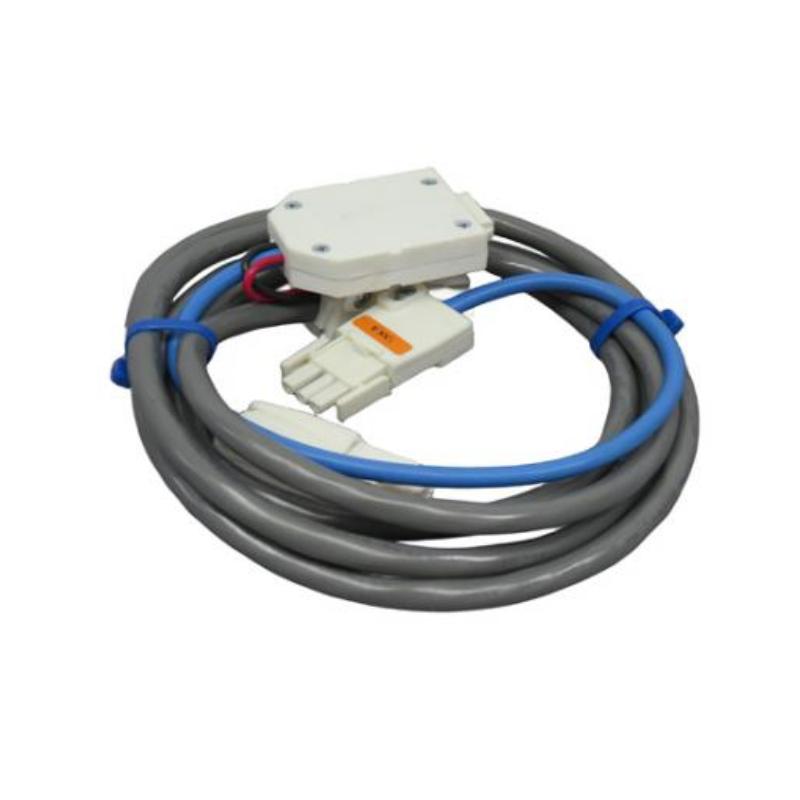
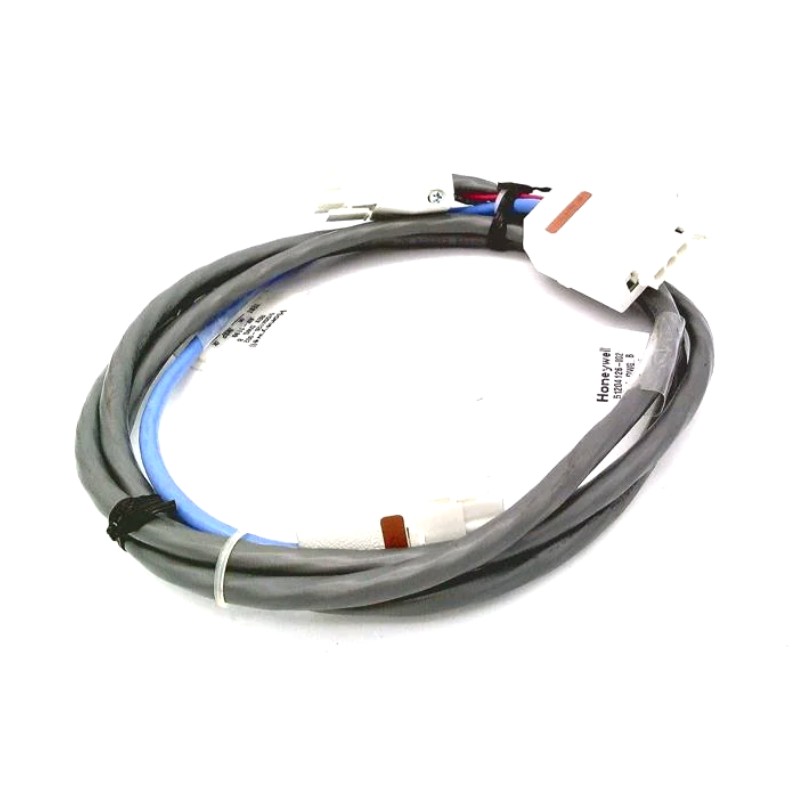
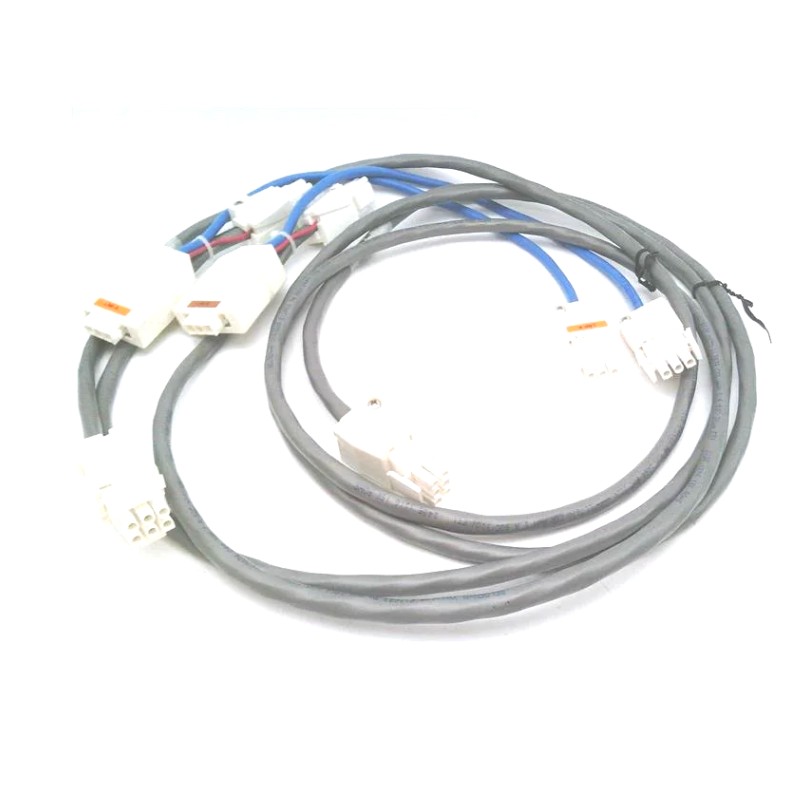
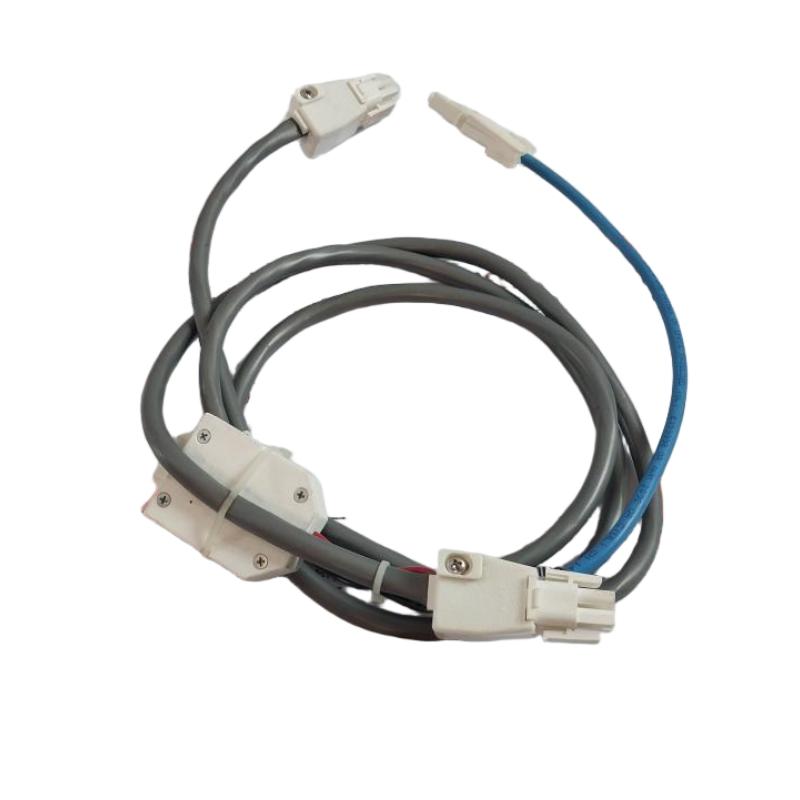
Factory‑terminated ends reduce installation time and error
-
Industrial build quality for long service life
-
Compatible with multiple Honeywell control platforms
These strengths help system integrators achieve reliable operation with simple installation and reduced troubleshooting.
Technical FAQs
-
What is the cable’s primary purpose?
It connects I/O modules to controllers for reliable data exchange.
-
Which Honeywell systems use this cable?
It is designed for Honeywell TDC 3000, Experion PKS, and TPS families.
-
What is the cable length?
Standard length is 2 meters.
-
Is the cable shielded?
Yes, it includes shielding to reduce EMI/RFI interference.
-
What voltage does it support?
Rated typically at 24 V DC.
-
Does it have integrated protection features?
Yes, link protection circuitry helps safeguard signal integrity.
-
Can it be used in harsh environments?
Yes, its industrial design suits electrically noisy and vibration‑prone environments.
-
Are the connectors pre‑terminated?
Yes, connectors are factory‑finished for plug‑and‑play installation.
-
Is this cable discontinued?
Some sources list it as discontinued by the manufacturer; alternatives and warranties vary by supplier.
-
What is the operating temperature range?
It generally operates from around –20 °C to +60 °C.
 A DCS Q Co., Ltd. - PLC and DCS Industrial Control Equipment Wholesale