Typical Automation Applications
This cable is widely used where dependable digital communication and system integrity are essential:
-
Fieldbus communication links in Honeywell DCS and PLC environments
-
Connecting field instruments to controllers and interface modules
-
Process automation in energy, manufacturing, and utilities
-
Control cabinets with distributed I/O and network segments
-
Industrial networking in EMI‑rich environments
Whether part of new installations or system upgrades, it helps maintain reliable communication paths across complex automation architectures.
Advantages and Design Strengths
Engineered for demanding industrial settings, the 51204120‑400 Cable delivers several operational benefits:
-
Shielded construction reduces electromagnetic and radio frequency interference
-
Fieldbus‑ready terminations simplify installation and reduce commissioning time
-
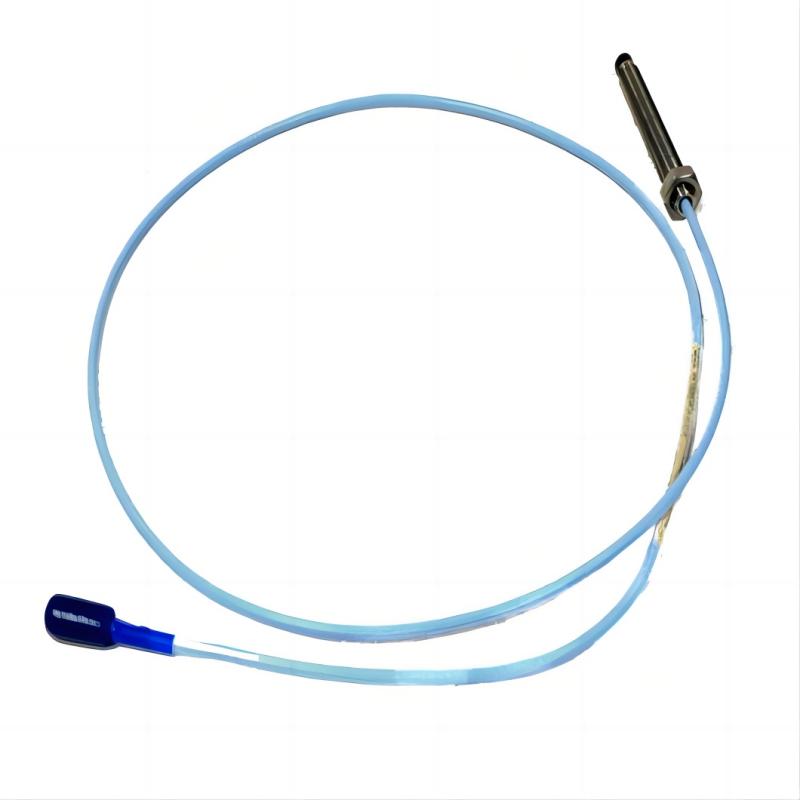
Long cable length supports extended device to controller connections without splicing
-
Durable jacket and insulation resist abrasion and environmental stress
-
Wide temperature and voltage range accommodates varied operating conditions
Technical FAQs
-
What system applications suit this cable?
It is designed for fieldbus and automation communication within Honeywell DCS and PLC networks.
-
How long is the cable?
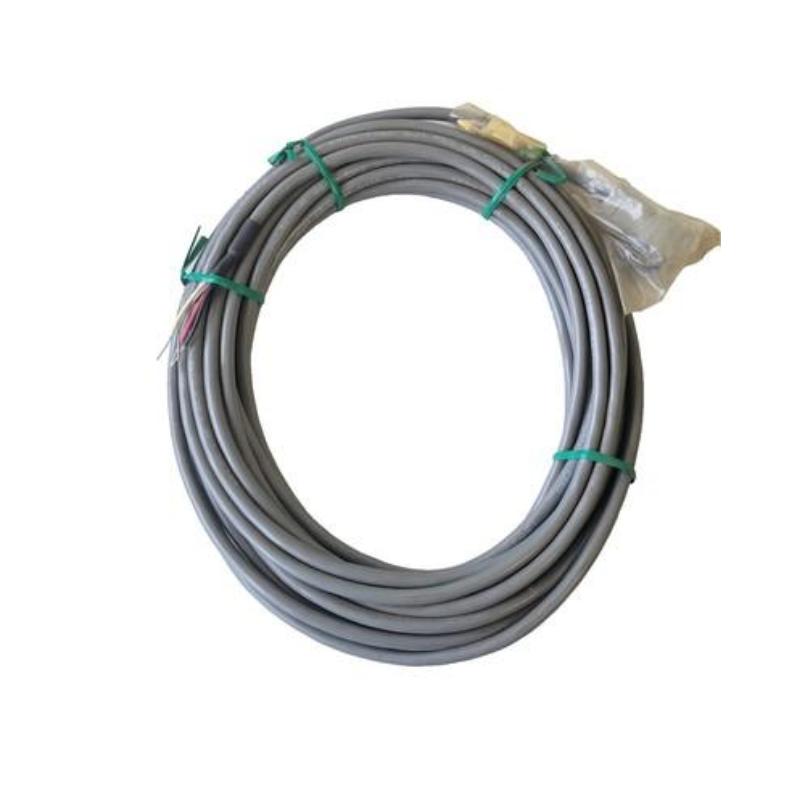
The standard length is 10 meters (about 32.8 ft).
-
Does it have shielding?
Yes, it features foil and braid shielding for enhanced noise immunity.
-
What materials are used in construction?
Copper conductors with industrial‑grade PVC insulation and jacket.
-
Can it handle harsh industrial environments?
Yes, it’s built for durability and performance in vibration and electrical noise conditions.
-
Is it plug‑and‑play?
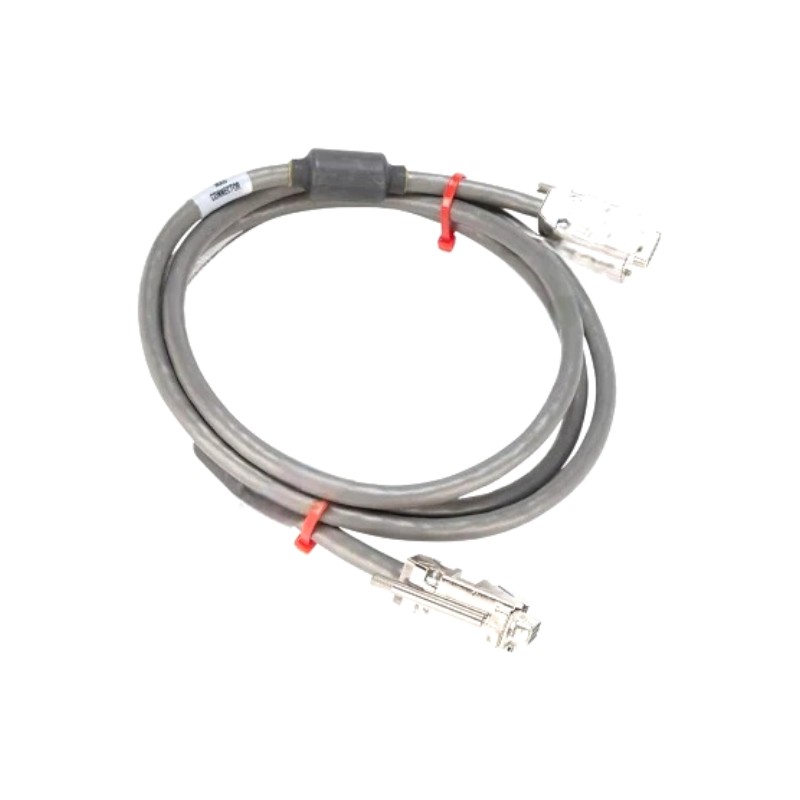
The cable comes with factory‑terminated connectors for easy installation.
-
What temperature range does it support?
From –40 °C to +80 °C in operation.
-
Does it provide stable communication?
The shielded twisted pair construction maximizes signal integrity.
-
Is it suitable for outdoor runs?
The cable is robust and flame‑retardant, but installation in protected pathways is recommended.
-
What environments is it most effective in?
Ideal for fieldbus segments with high electrical interference and industrial noise.
 A DCS Q Co., Ltd. - PLC and DCS Industrial Control Equipment Wholesale