Where It Fits in Industry Systems
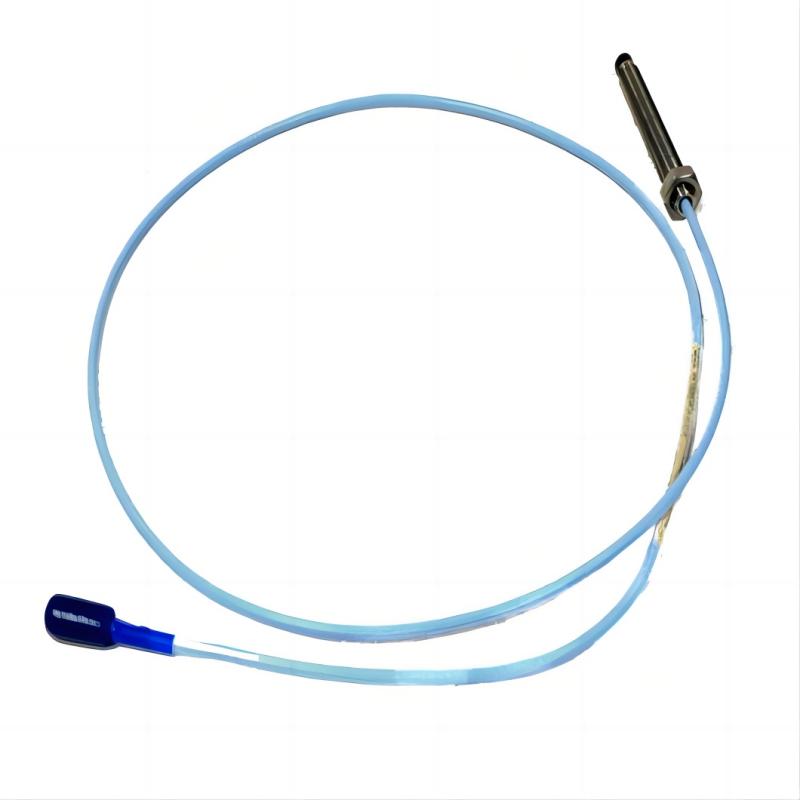
This cable is widely used across automation and process control platforms to link devices, controllers, and network elements:
-
Field‑to‑controller connections in distributed control systems
-
Process automation in chemical, petrochemical, and energy plants
-
Integration of sensors and I/O units with DCS and PLC systems
-
Industrial communication paths where interference resistance is essential
-
Manufacturing facilities requiring stable industrial networking
Its shielded design helps preserve signal quality even in electrically noisy environments.
Key Benefits and Design Value
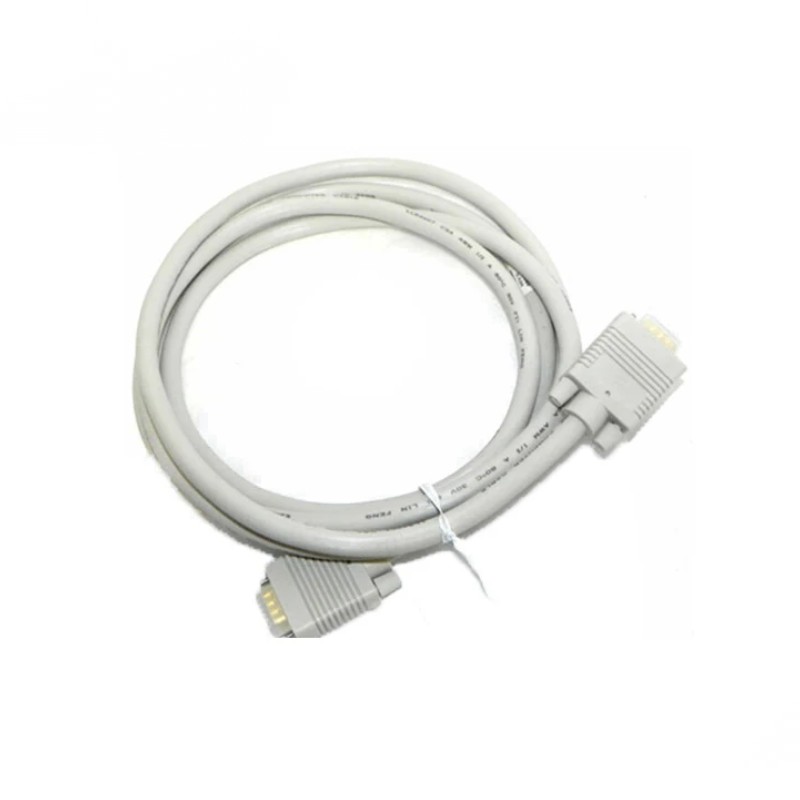
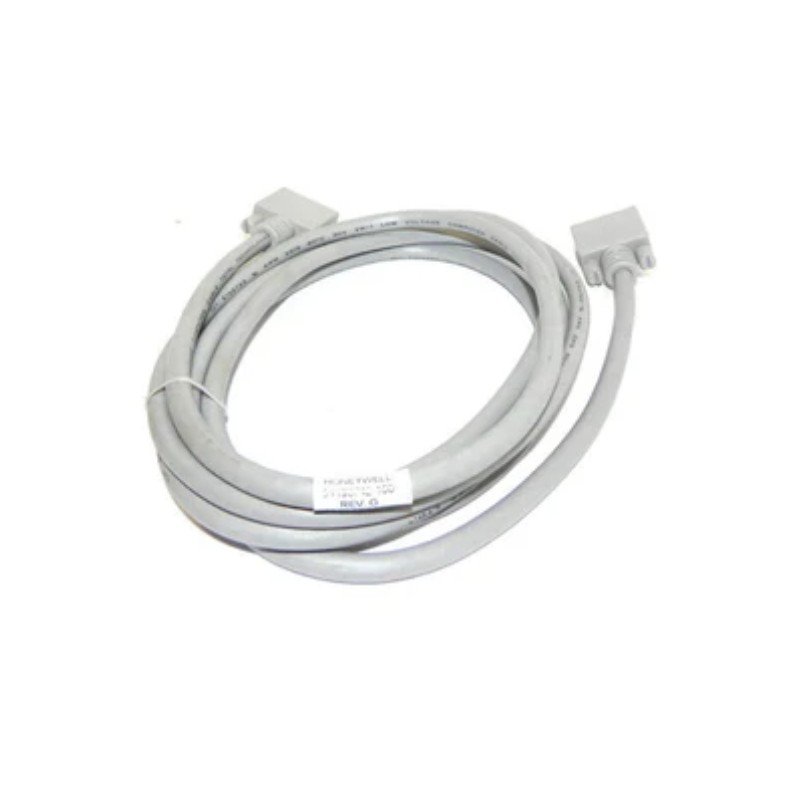
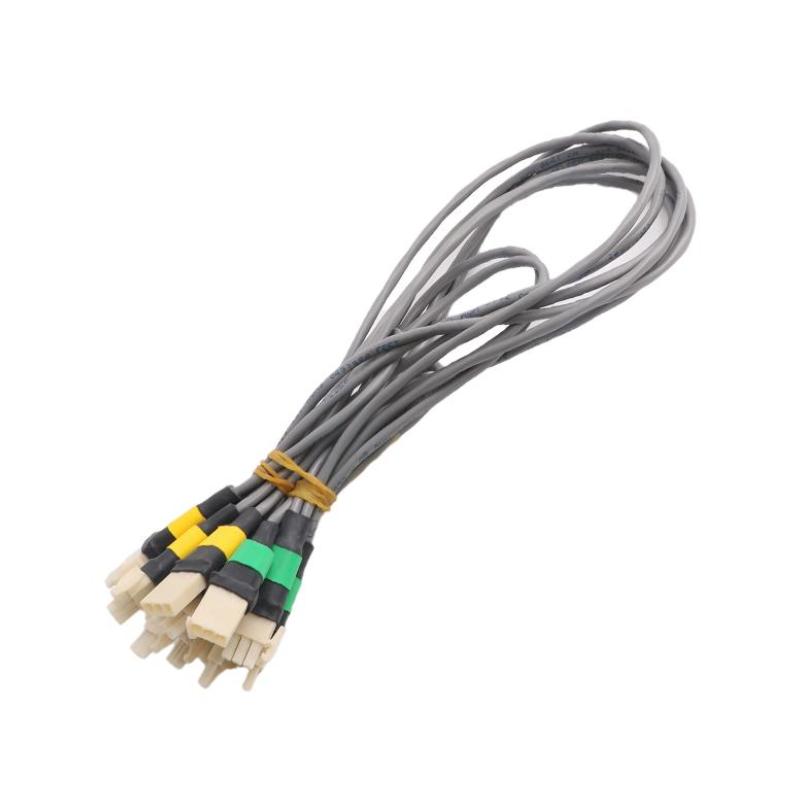
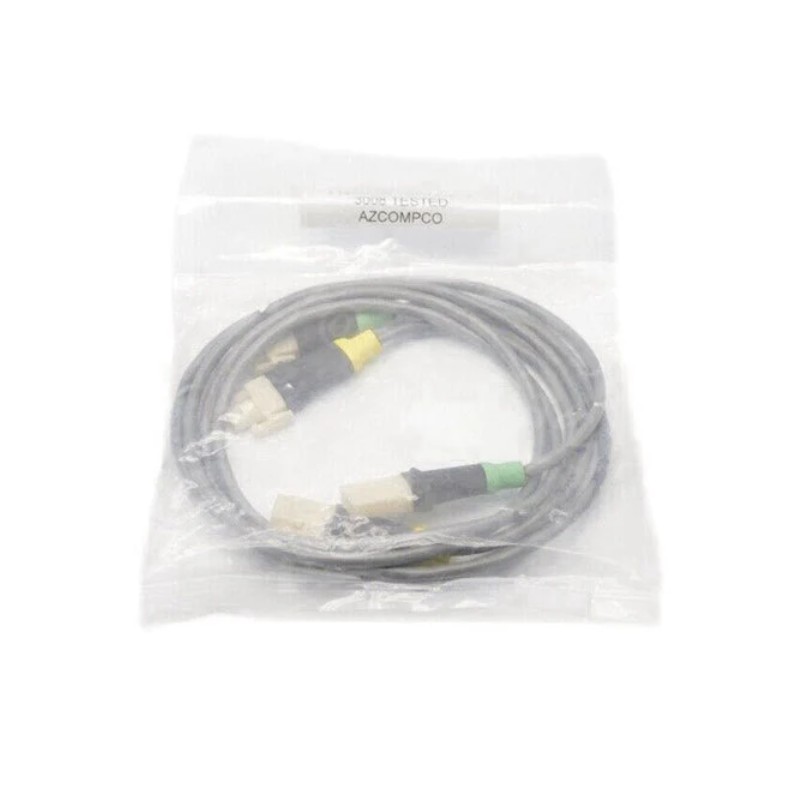
Engineered for professional automation environments, the 51204037‑002 stands out as a durable, high‑integrity cable solution that supports long‑term system reliability:
-
Shielded twisted‑pair construction enhances noise rejection and signal fidelity
-
Build quality suited to industrial usage reduces risk of damage or deterioration
-
Durable jacket materials enable performance in challenging indoor/outdoor settings
-
Optimized for Honeywell systems while supporting broader automation needs
-
Easy to install and route in control cabinets or field pathways
These attributes help minimize troubleshooting and support better operational continuity.
Technical FAQs
-
What environment is this cable designed for?
It is designed for industrial automation and control systems.
-
Does the cable include shielding?
Yes, the shielded twisted‑pair design improves noise immunity.
-
What is the typical length?
Commonly supplied at around 2 meters, though variations may exist.
-
Can it handle electrical noise?
Yes, the shielding and construction support stable signal transmission in noisy environments.
-
Is it suitable for outdoor use?
The flame retardant and UV‑resistant jacket supports use in varied conditions.
-
Which systems typically use this cable?
Honeywell DCS and automation networks often utilize this part.
-
Is professional installation required?
While straightforward to install, professional integration ensures optimal performance.
-
What connectors does it use?
It typically uses factory‑specified industrial terminations compatible with Honeywell equipment.
-
Does it carry power and signals?
Its configuration supports communication and low‑voltage industrial signaling as part of automation networks.
-
Is documentation available?
Product documentation and specifications can be requested from Honeywell or authorized suppliers.
 A DCS Q Co., Ltd. - PLC and DCS Industrial Control Equipment Wholesale