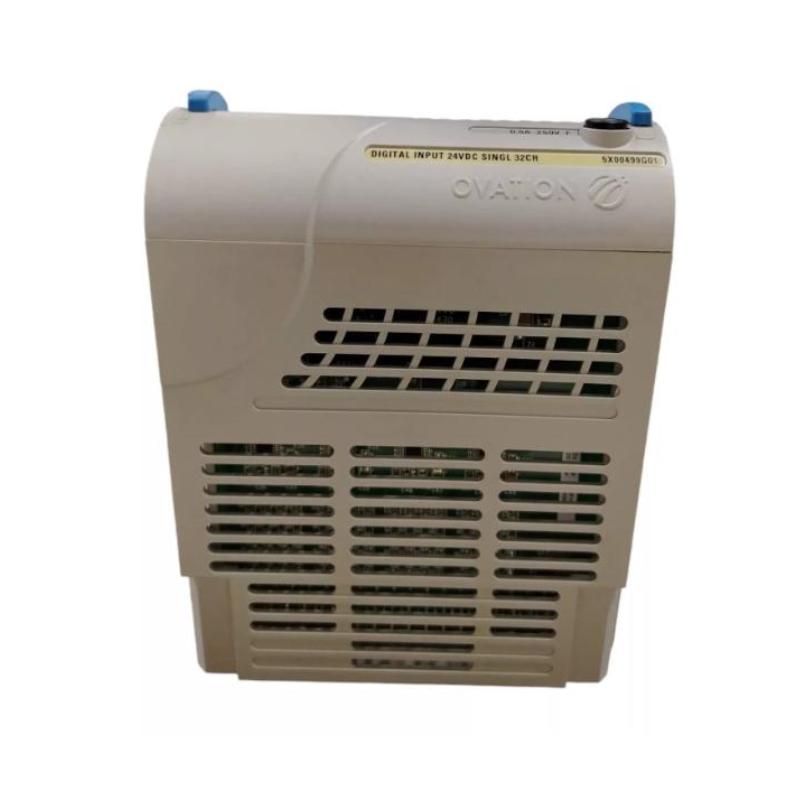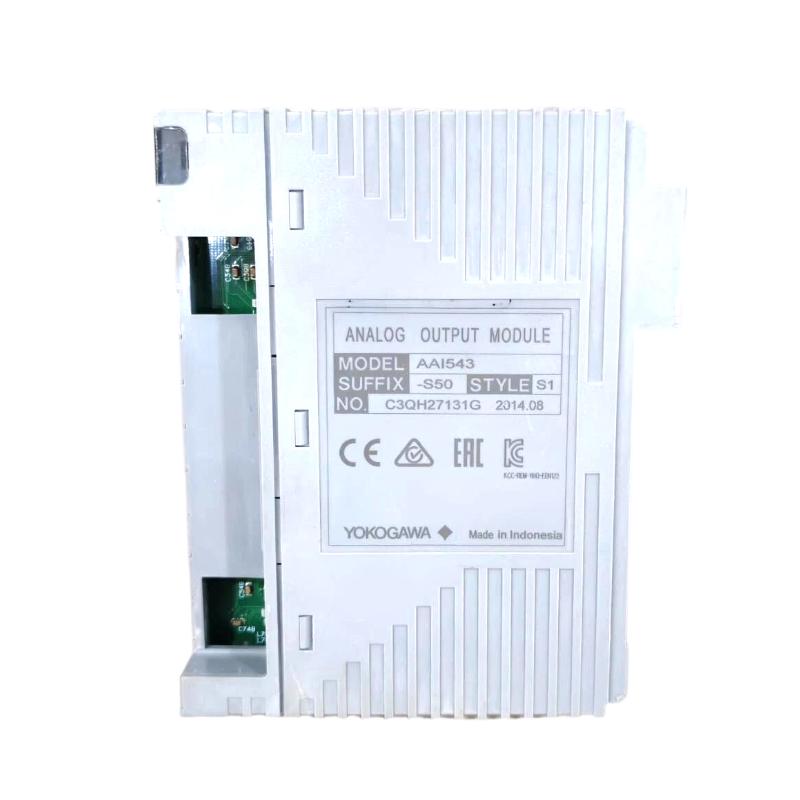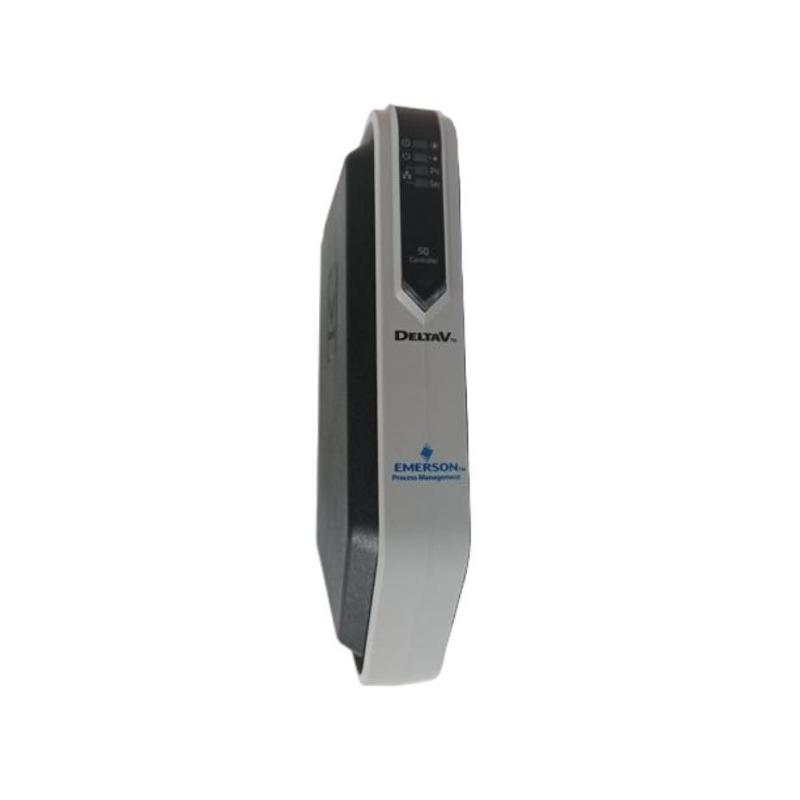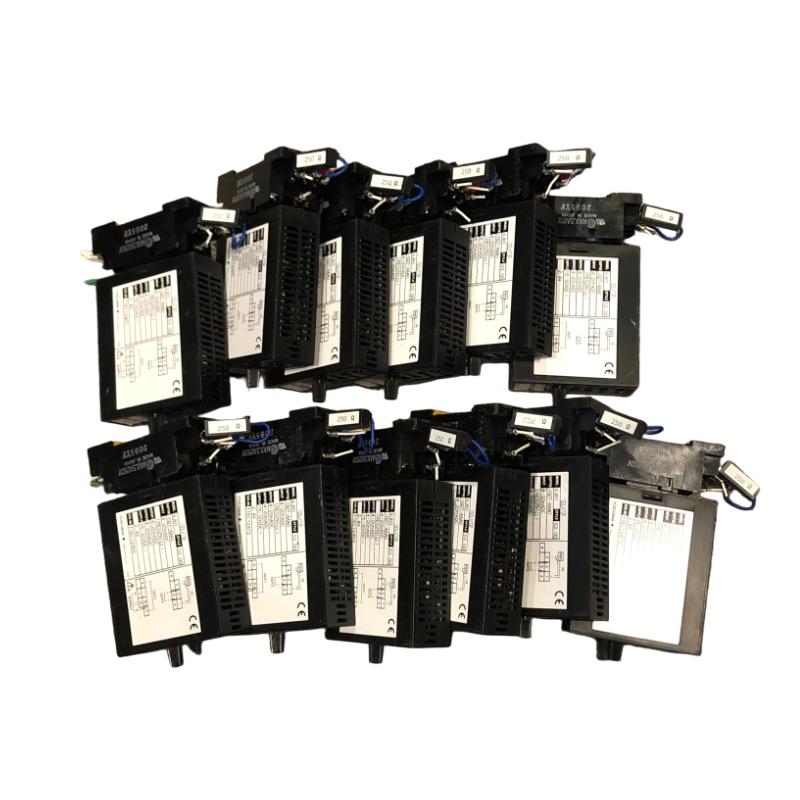
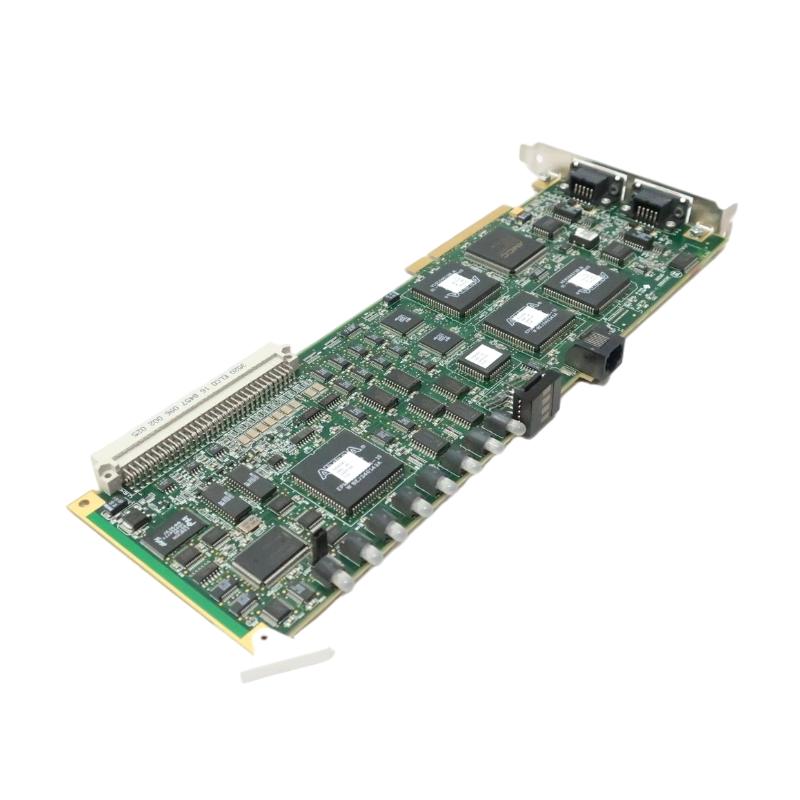
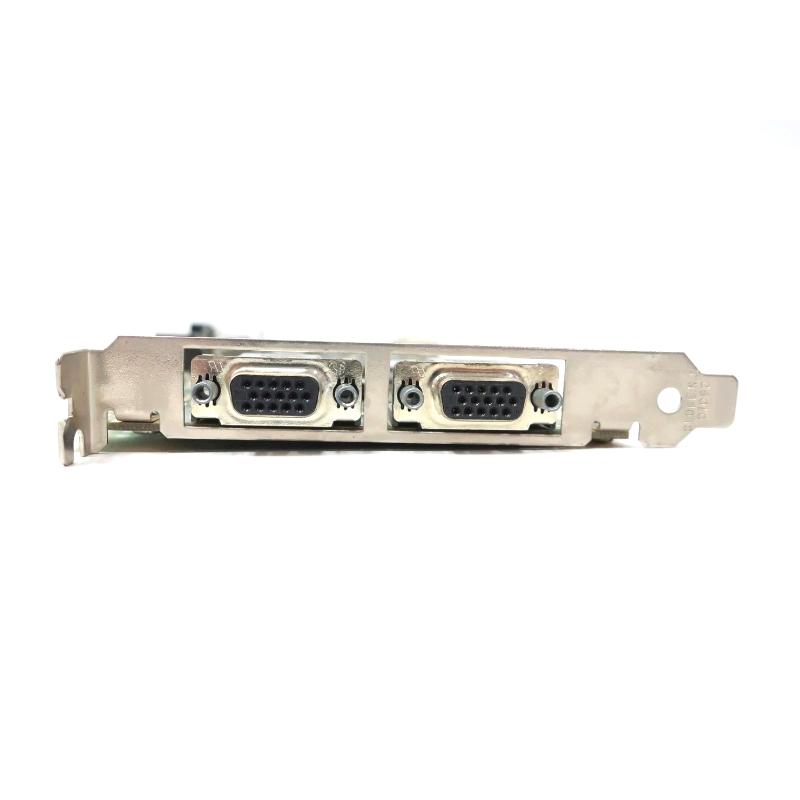
Introduction to the Interface Module
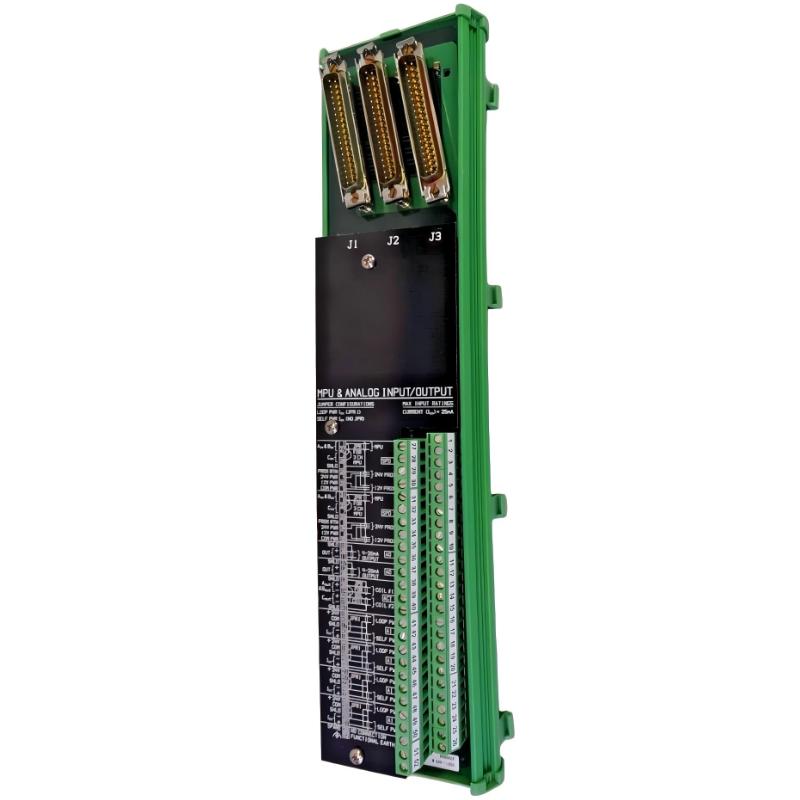
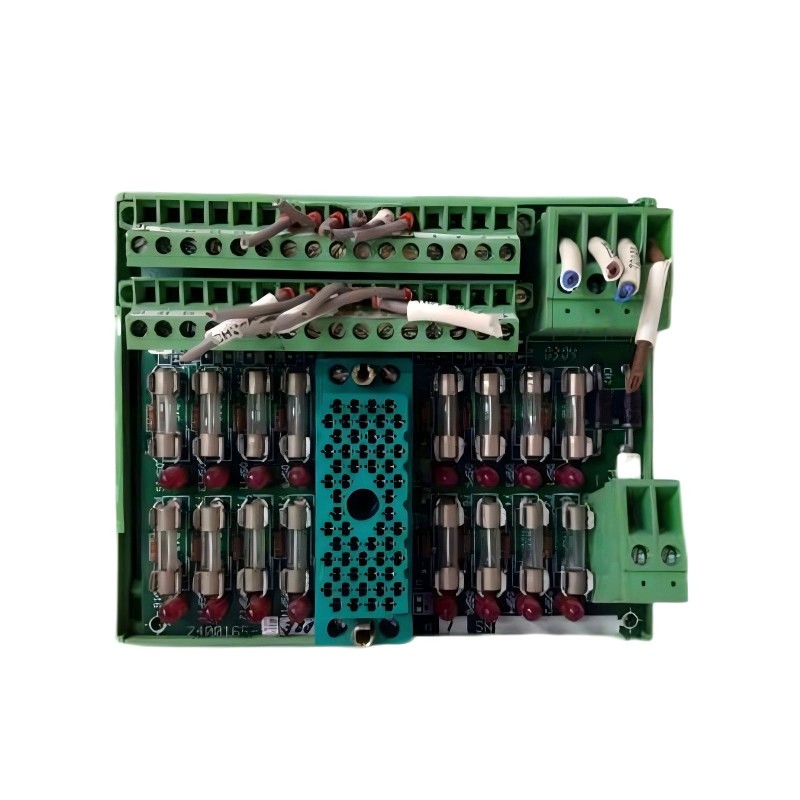
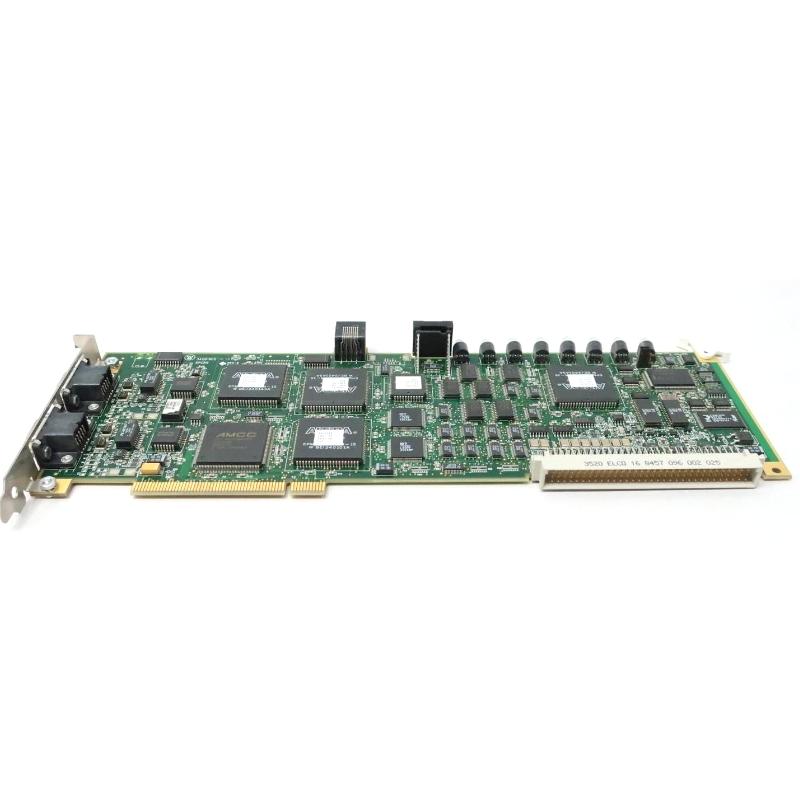
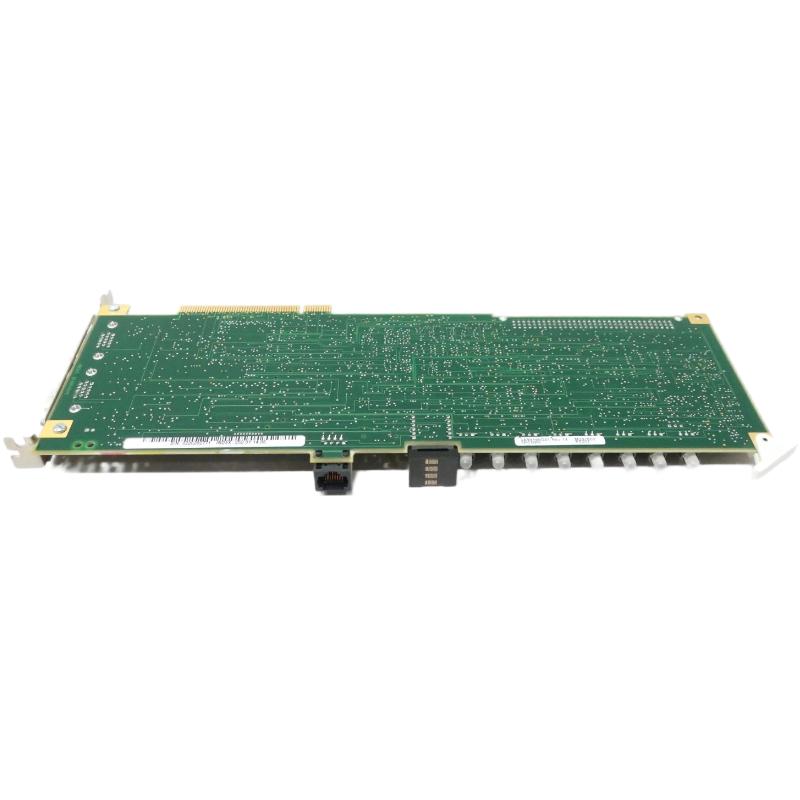
The Allen Bradley Ovation 3A99190G01 Remote I/O Interface Board is engineered to support distributed signal communication in Ovation-based automation systems. Within industrial plants, remote I/O infrastructure allows control systems to manage equipment located across large operational areas.
By enabling reliable communication between remote racks and central controllers, the board helps maintain real-time visibility of plant processes. This architecture is particularly valuable in facilities where equipment is spread across multiple operational zones.
As industrial automation systems evolve toward more scalable designs, remote interface modules play an increasingly important role in maintaining efficient system expansion and operational stability.
Technical Specifications
| Parameter | Specification |
|---|
| Control Platform | Ovation Distributed Control System |
| Model | 3A99190G01 |
| Module Type | Remote I/O Interface Board |
| Functional Role | Remote signal communication interface |
| Installation | Industrial automation rack system |
| Application | Distributed control system integration |
| Cooling | Cabinet airflow environment |
| Dimensions | 300 mm × 180 mm × 30 mm |
| Weight | 1 kg (2.20 lb) |
Deployment Context in Distributed Automation Systems
In large-scale industrial automation architectures, the Allen Bradley Ovation 3A99190G01 Remote I/O Interface Board is typically implemented to enable communication between remote field I/O racks and the central control system. This allows facilities to expand monitoring and control capabilities beyond the main control cabinet.
Power generation plants frequently install remote I/O interface boards to collect operational data from equipment located in turbine halls, auxiliary systems, and plant utility areas. Instead of routing all signals directly to the main control rack, remote I/O networks allow signals to be processed closer to the field devices.
Process industries such as petrochemical operations and industrial utilities also benefit from this architecture. Remote interface boards help reduce complex wiring layouts while improving scalability for large automation systems that continue to evolve over time.
Advantages from a System Architecture Perspective
A key advantage of the 3A99190G01 Remote I/O Interface Board is its ability to extend the reach of the control system without compromising performance. Engineers designing distributed systems can integrate additional field locations while maintaining centralized control logic.
Another important benefit is improved installation efficiency. By placing remote I/O infrastructure closer to field equipment, the overall control panel wiring becomes more manageable and organized.
The board also supports system scalability. As plants add equipment or expand process units, remote interface modules allow new signal groups to be integrated with minimal disruption to the existing control structure.
From an operational standpoint, distributed I/O configurations can enhance maintenance workflows, since technicians can isolate and service specific system segments more easily.
Technical FAQs for Control System Engineers
1. What is the primary function of this remote I/O interface board?
It enables communication between remote I/O racks located in field areas and the central Ovation control system.
2. How does remote I/O improve large automation systems?
It reduces long signal wiring runs and allows signals to be processed closer to the equipment generating them.
3. In which industries is this board commonly used?
It is widely used in power generation, heavy industry, and large process automation facilities.
4. Does this board support distributed control architecture expansion?
Yes, it allows additional remote I/O nodes to be incorporated as plant systems grow.
5. How does it affect control cabinet design?
It helps simplify wiring and supports modular cabinet layouts used in industrial automation.
6. What role does it play in system reliability?
Distributed signal management can reduce single points of failure and improve maintenance access.
7. Is it compatible with large-scale plant control networks?
Yes, it is designed to operate within Ovation distributed control infrastructures.
8. How does the module assist in field device communication?
It acts as an interface that transfers signals between remote equipment and central controllers.
9. Can it support modernization projects in older plants?
Yes, remote I/O solutions are commonly implemented when expanding legacy control systems.
10. What maintenance considerations are associated with this board?
Routine inspections typically include connection checks, environmental monitoring, and system diagnostics.
 A DCS Q Co., Ltd. - PLC and DCS Industrial Control Equipment Wholesale