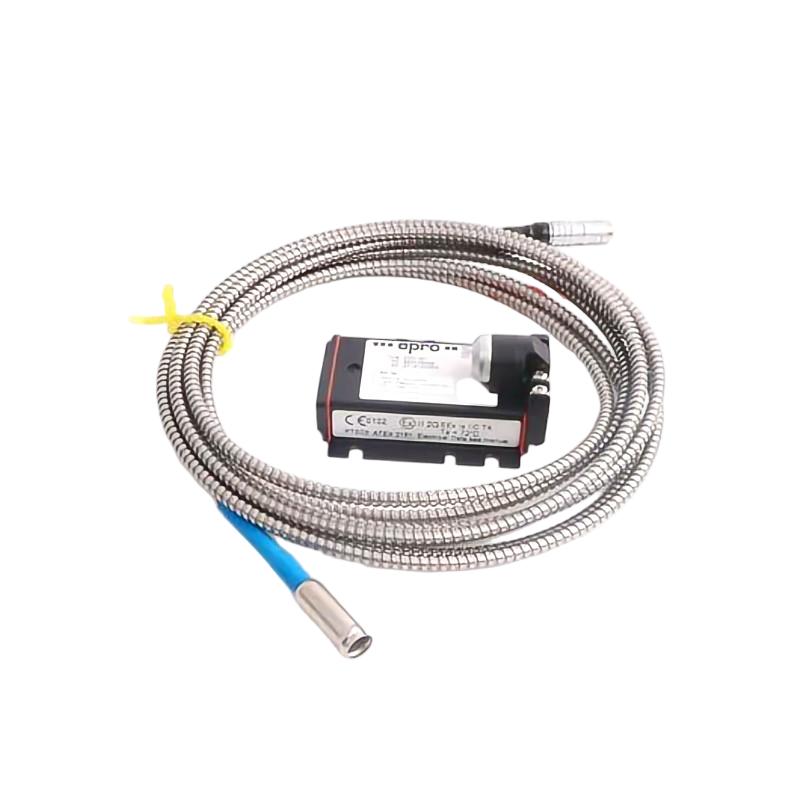
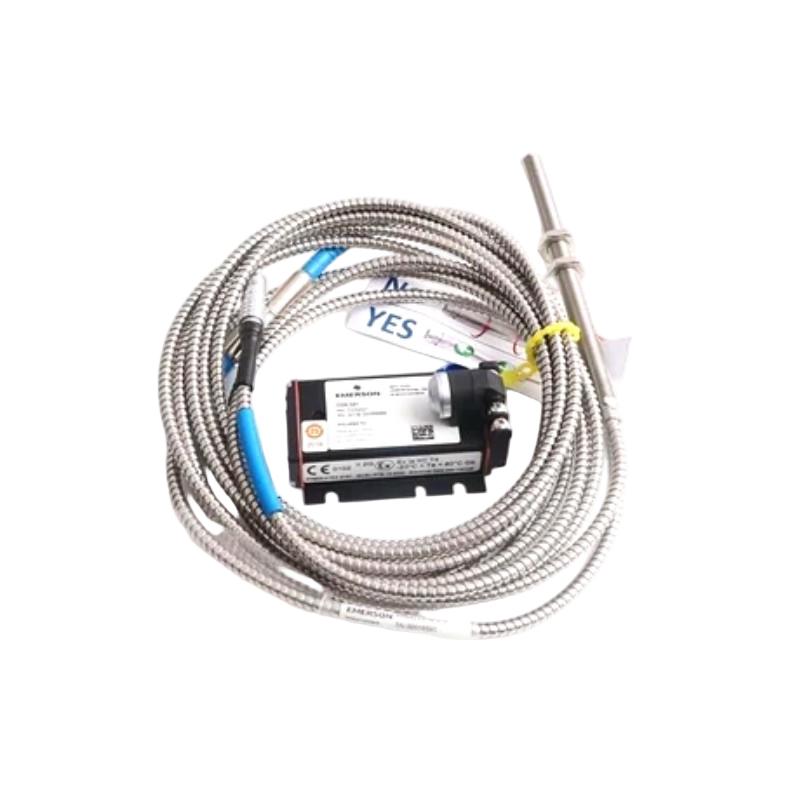
Product Background
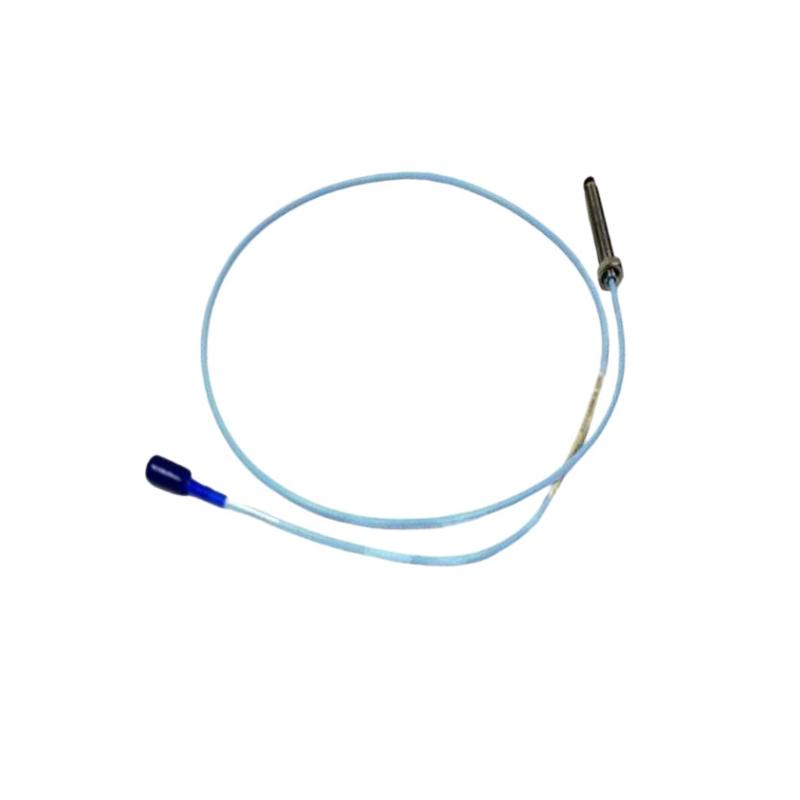
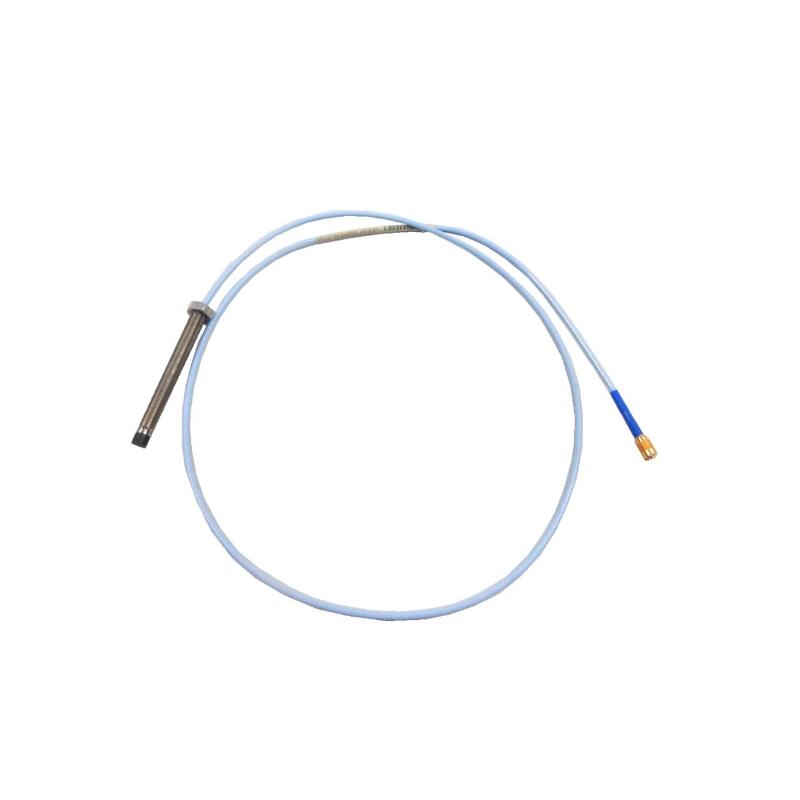
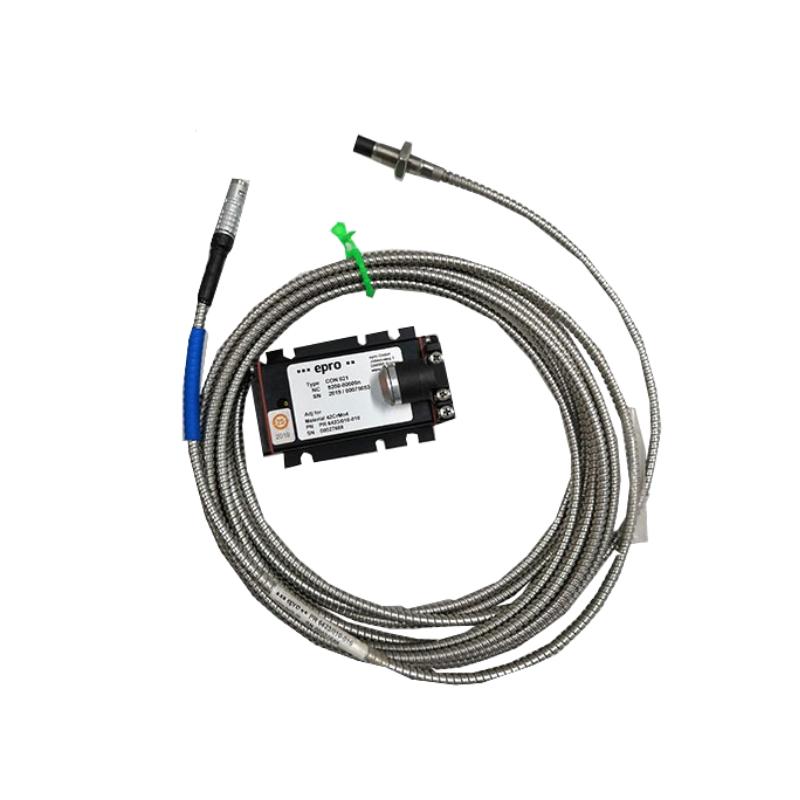
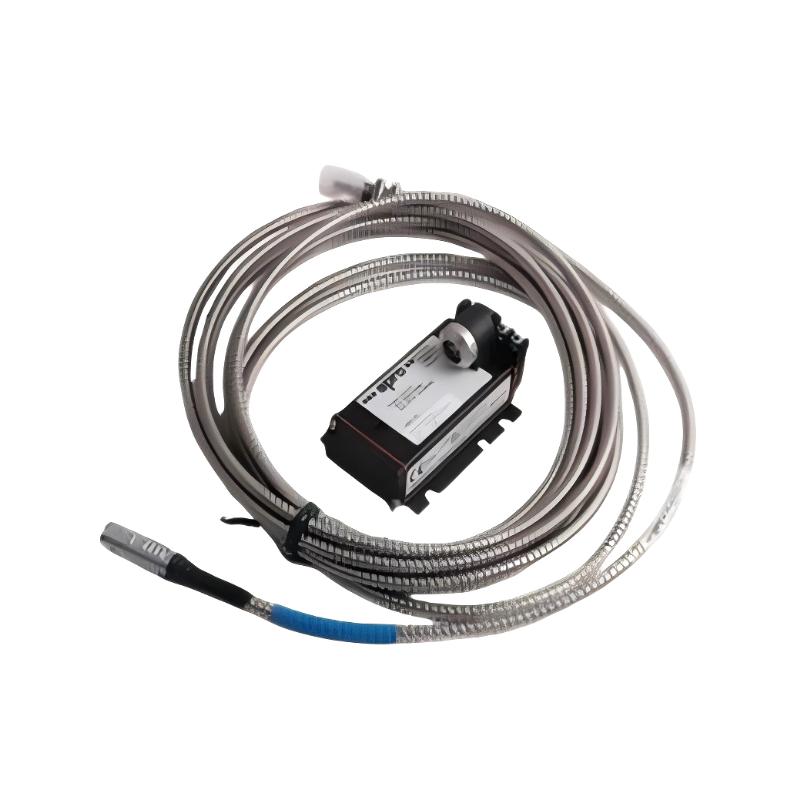
The Epro PR6423/001-010-CN Eddy Current Sensor is a precision monitoring device developed for non-contact measurement in industrial rotating machinery. Sensors in this series are widely used in condition monitoring solutions where accurate shaft displacement measurement is required to maintain operational reliability.
From an engineering standpoint, this model is well suited for integration into advanced machinery health monitoring architectures. Its compact probe design and stable sensing technology help ensure consistent data acquisition across long operational cycles.
Technical Specifications
| Parameter | Specification |
|---|
| Manufacturer | Epro |
| Model | PR6423/001-010-CN |
| Module Type | Eddy Current Sensor |
| Sensor Head Diameter | 8 mm |
| Measurement Method | Non-contact eddy current sensing |
| Primary Use | Shaft vibration and displacement monitoring |
| Installation | Turbomachinery and rotating equipment |
| Output Integration | Compatible with vibration monitoring systems |
| Dimensions | Sensor head diameter: 8 mm |
| Weight | 0.1 kg (0.22046 lb) |
Typical Industrial Deployment
The Epro PR6423/001-010-CN Eddy Current Sensor is primarily installed in critical rotating equipment where continuous monitoring of shaft behavior is required. In large turbomachinery systems such as steam turbines, centrifugal compressors, and process pumps, the sensor provides precise displacement and vibration feedback that supports machine protection strategies.
It is also frequently used in monitoring systems within power plants, petrochemical processing units, and heavy manufacturing facilities. Engineers rely on this sensor in locations where traditional contact measurement devices cannot operate effectively due to speed, temperature variation, or mechanical stress around the rotating shaft.
Operational Strengths in Field Use
A key advantage of this sensor model is the stability of its signal output in demanding industrial environments. Eddy current technology enables accurate, non-contact measurement even when exposed to oil, vibration, or electromagnetic interference commonly present in turbomachinery installations.
The 8 mm sensor head diameter allows flexible installation in compact bearing housings or limited mounting spaces often found in large rotating machines. This makes it suitable for both retrofit monitoring projects and new equipment designs.
Another benefit observed in engineering applications is the reliability of long-term monitoring data. When integrated with professional vibration monitoring systems, the sensor supports predictive maintenance programs and helps detect abnormal shaft movement before equipment damage occurs.
Technical FAQs
-
What monitoring systems are compatible with the PR6423/001-010-CN sensor?
It is typically paired with eddy current signal converters and machinery protection systems designed for continuous vibration and displacement monitoring.
-
Can the sensor be used for radial shaft vibration measurement?
Yes, it is commonly installed to measure radial shaft displacement and vibration in rotating equipment.
-
How important is probe gap adjustment during installation?
Proper gap setting is critical because it ensures the sensor operates within its linear measurement range.
-
Is the sensor suitable for high-speed turbine applications?
Yes, the sensor is designed for turbomachinery environments where shaft rotational speeds are very high.
-
What installation factors influence measurement accuracy?
Mounting rigidity, alignment with the shaft surface, cable routing, and electromagnetic shielding all affect signal stability.
-
Can this sensor support long-term condition monitoring systems?
Yes, it is commonly used in systems that record and trend vibration data for predictive maintenance analysis.
-
Does the sensor require specific target material properties?
Conductive metal targets such as steel shafts provide the most consistent measurement performance.
-
How does the sensor perform in high-temperature industrial areas?
It is designed to function reliably in typical turbomachinery operating environments where temperature fluctuations occur.
-
Can multiple sensors be used on a single machine?
Yes, machines often use several sensors positioned around bearings to monitor shaft movement in multiple directions.
-
Is the sensor appropriate for machine protection systems with automatic shutdown logic?
Yes, it can provide the vibration signals used by protection systems to trigger alarms or controlled shutdowns.
 A DCS Q Co., Ltd. - PLC and DCS Industrial Control Equipment Wholesale