Industrial Monitoring Environments
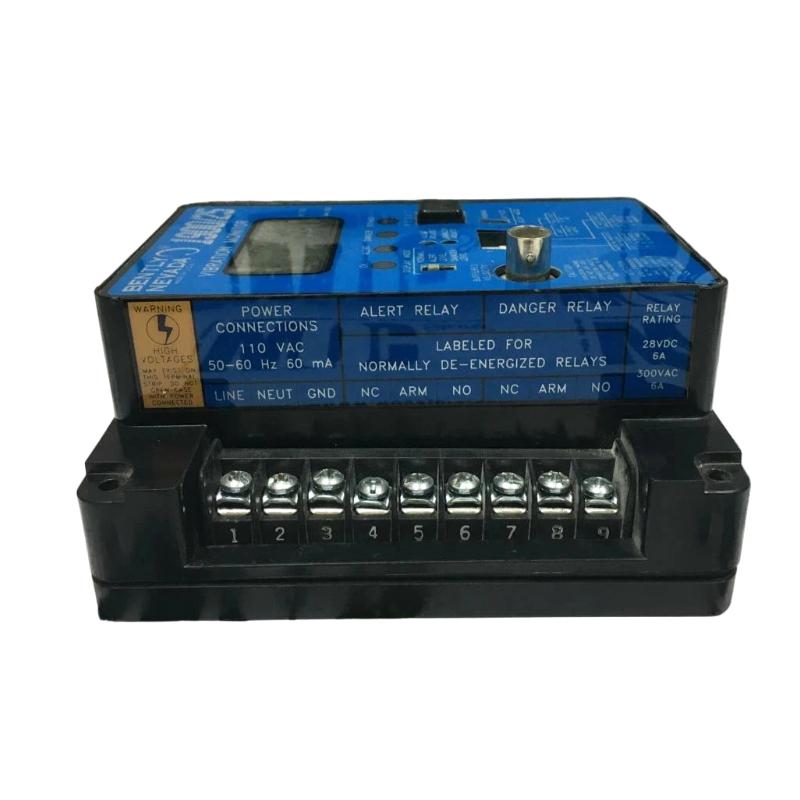
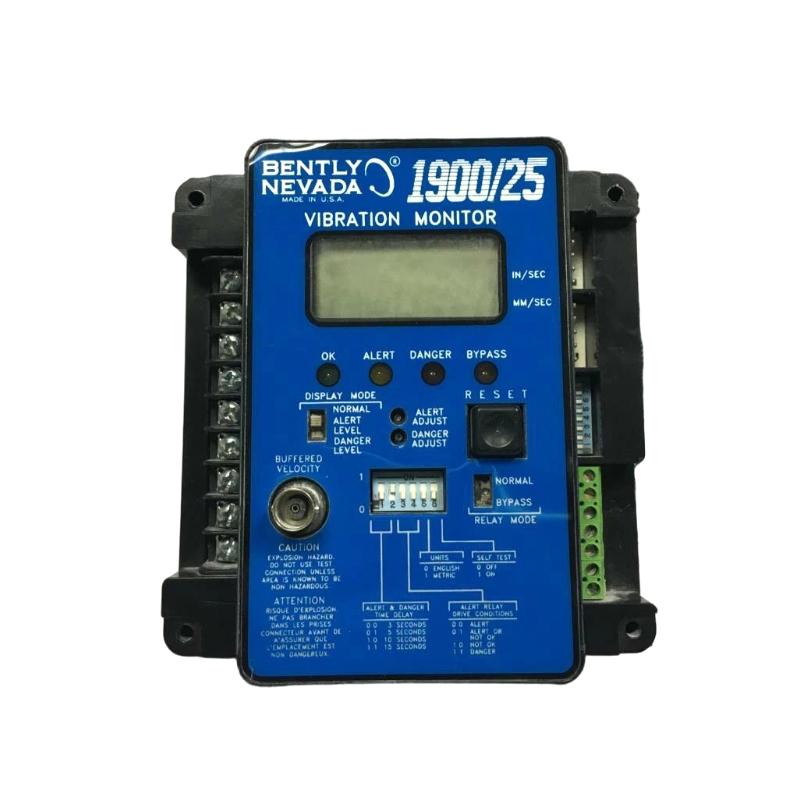
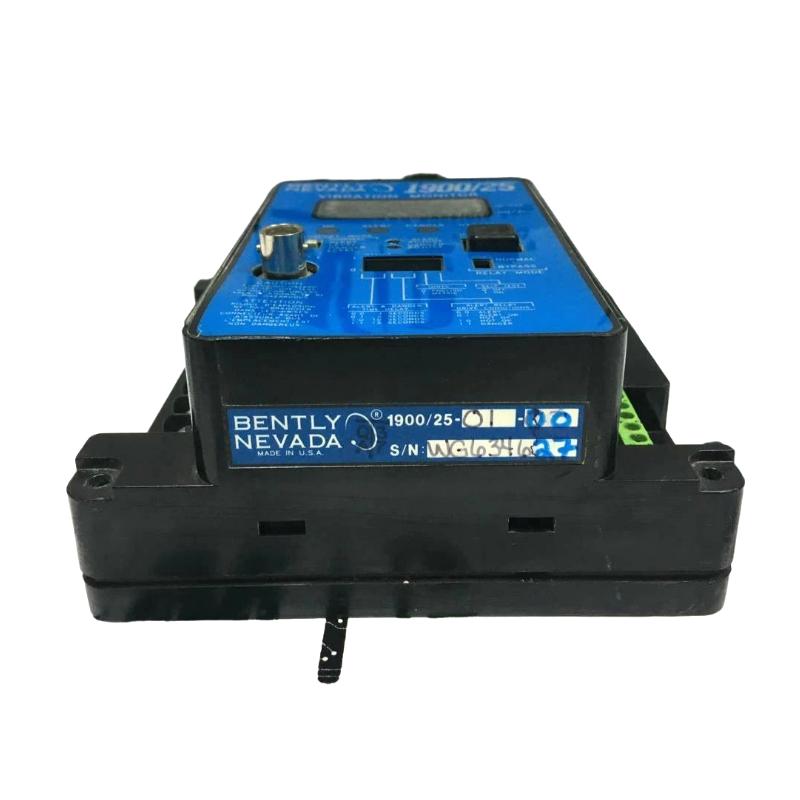
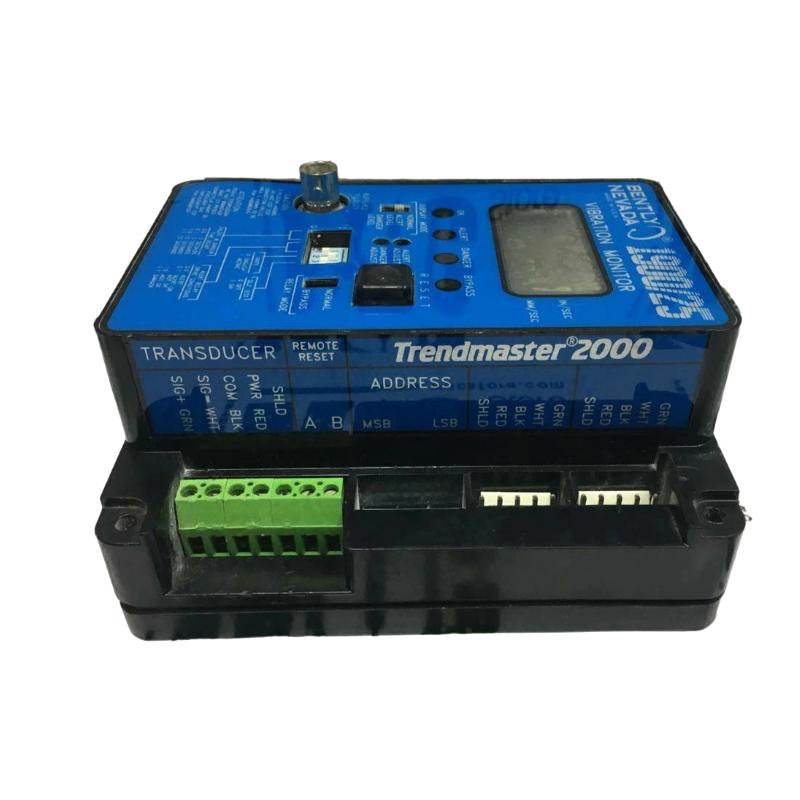
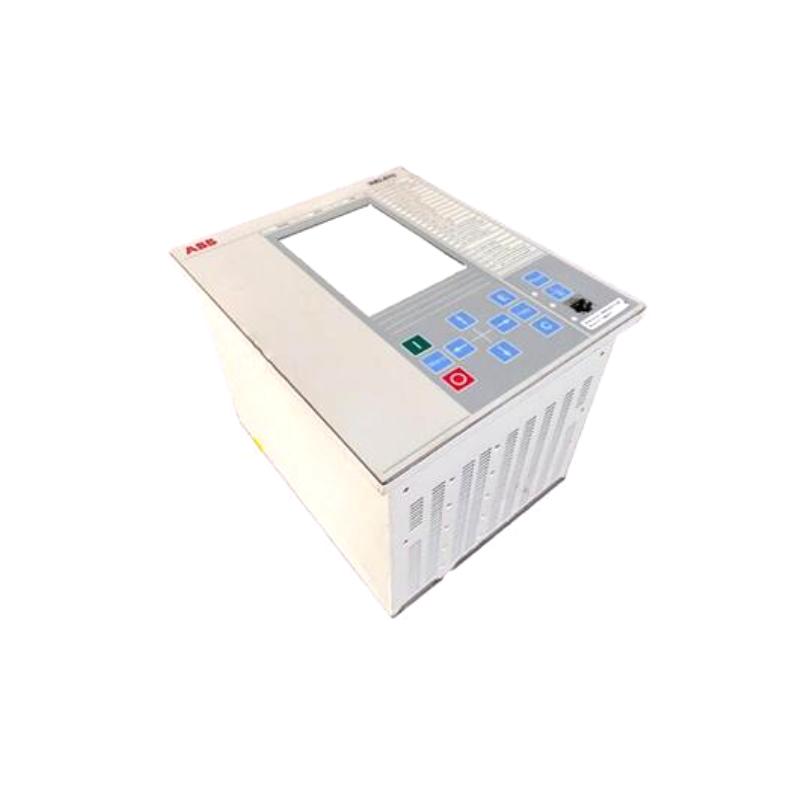
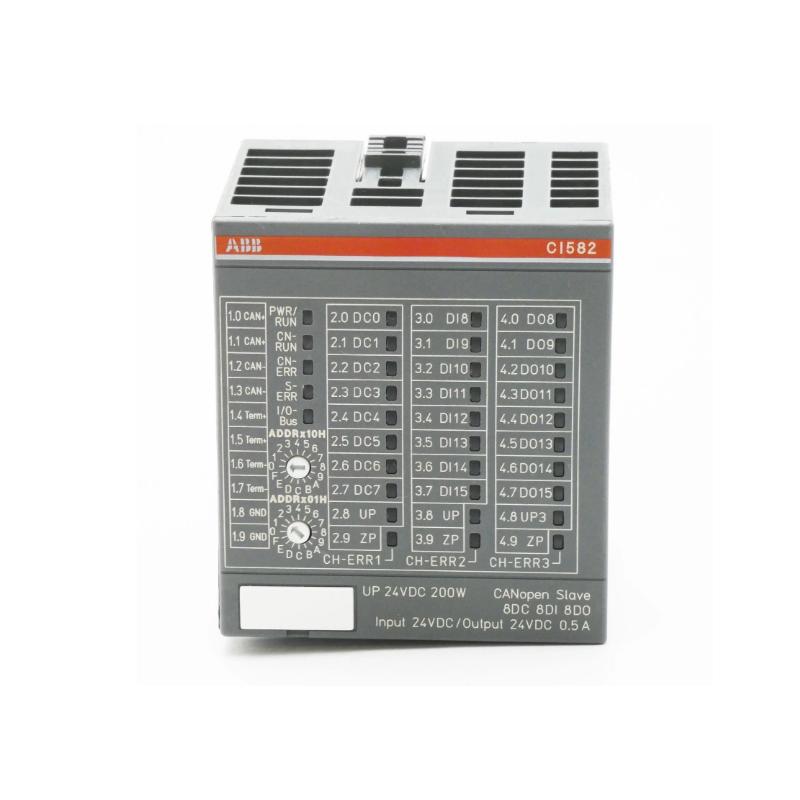
The Bently Nevada 1900/25-01-00 Vibration Monitor is designed to provide continuous vibration monitoring for rotating machinery in industrial facilities. Monitoring vibration levels is a key aspect of predictive maintenance, helping operators detect mechanical issues before they lead to equipment failure.
Typical installation environments include:
-
Power generation plants monitoring turbines and generators
-
Oil and gas facilities supervising compressors and pumps
-
Manufacturing plants operating high-speed motors and gearboxes
-
Mining and heavy industry with large rotating equipment
-
Water treatment plants where pumps must operate continuously
In these applications, the vibration monitor serves as an early warning system that helps maintenance teams maintain machine reliability and operational safety.
Advantages for Condition Monitoring Systems
Continuous Equipment Health Monitoring
The device provides real-time vibration measurements, allowing operators to track machinery condition and detect abnormal behavior.
Early Fault Detection
By identifying vibration changes caused by imbalance, misalignment, or bearing wear, the monitor supports predictive maintenance strategies.
Compact Panel-Mount Design
Its compact structure allows installation in control panels or equipment monitoring cabinets without occupying excessive space.
Reliable Industrial Operation
The monitor is engineered for continuous operation in environments where mechanical equipment operates around the clock.
Integration with Protection Systems
The unit can be connected to alarms or shutdown systems, enabling automatic protective responses if vibration levels exceed safe limits.
Technical FAQs
1. What is the main purpose of the 1900/25-01-00 vibration monitor?
It continuously measures vibration levels of rotating machinery to help detect mechanical faults and prevent unexpected failures.
2. What types of machines are typically monitored using this device?
Common equipment includes pumps, motors, turbines, compressors, and gear-driven machines.
3. How does vibration monitoring improve maintenance strategies?
It allows maintenance teams to detect problems early, enabling repairs before severe damage occurs.
4. What sensors are typically used with vibration monitors?
Accelerometers or velocity sensors are commonly connected to measure mechanical vibration.
5. Can the monitor trigger alarms when vibration exceeds limits?
Yes, alarm thresholds can be configured to alert operators or activate protective shutdown systems.
6. Is the device suitable for continuous industrial operation?
Yes, it is designed for long-term operation in industrial machine monitoring systems.
7. How is the monitor installed in a control system?
It is typically mounted in a control panel or monitoring cabinet where it can connect to machine sensors.
8. What types of faults can vibration monitoring detect?
Common issues include bearing wear, shaft misalignment, imbalance, looseness, and mechanical resonance.
9. Can the monitor be integrated into plant monitoring systems?
Yes, vibration data can often be connected to broader condition monitoring or control systems.
10. What maintenance does a vibration monitor require?
Periodic inspection of sensor connections and verification of calibration help ensure accurate readings.
 A DCS Q Co., Ltd. - PLC and DCS Industrial Control Equipment Wholesale