Industrial Deployment in Machinery Health Monitoring
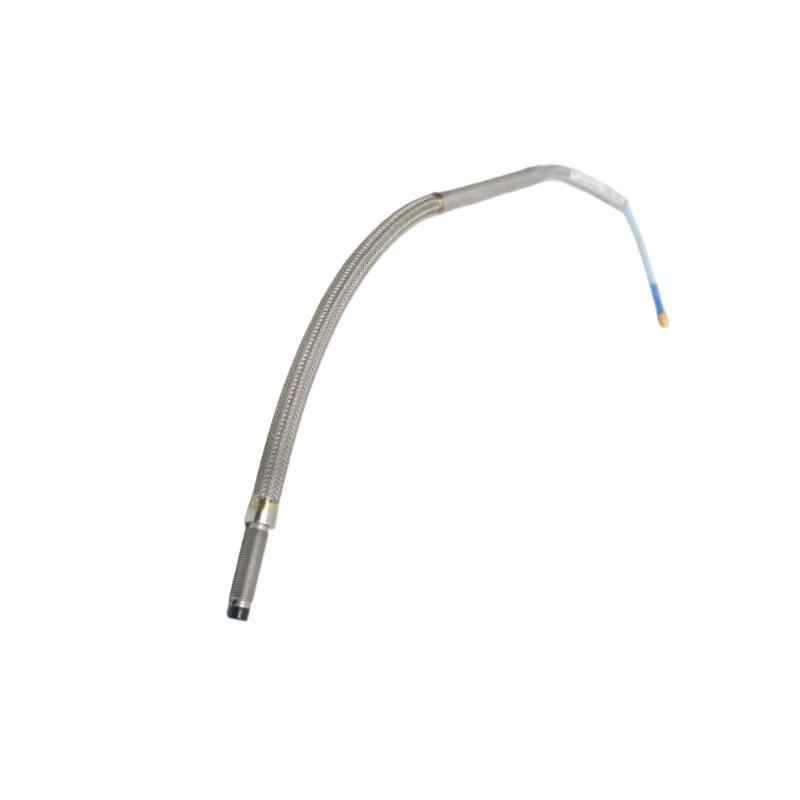
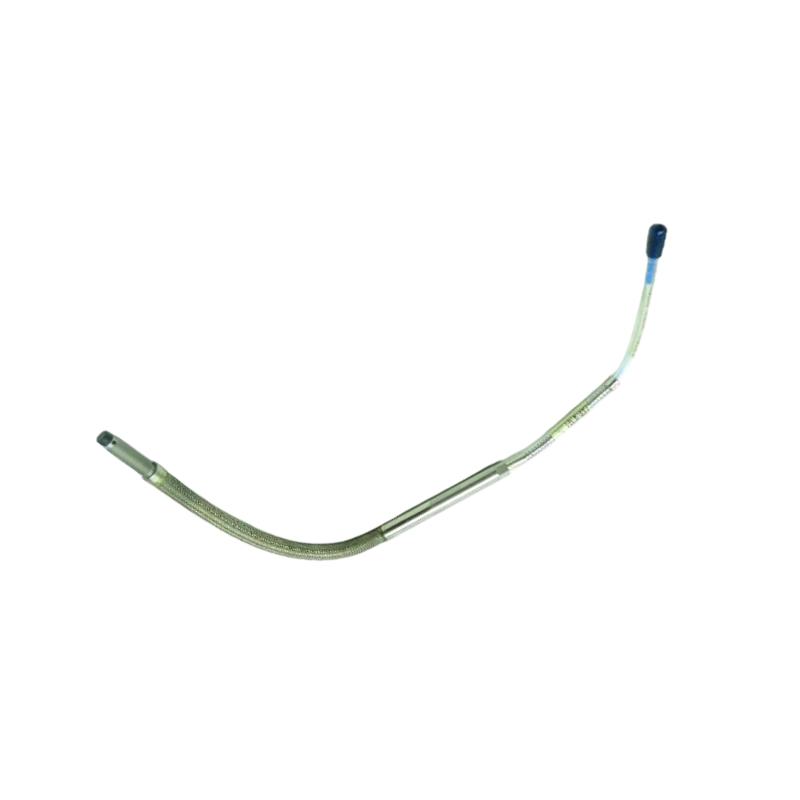
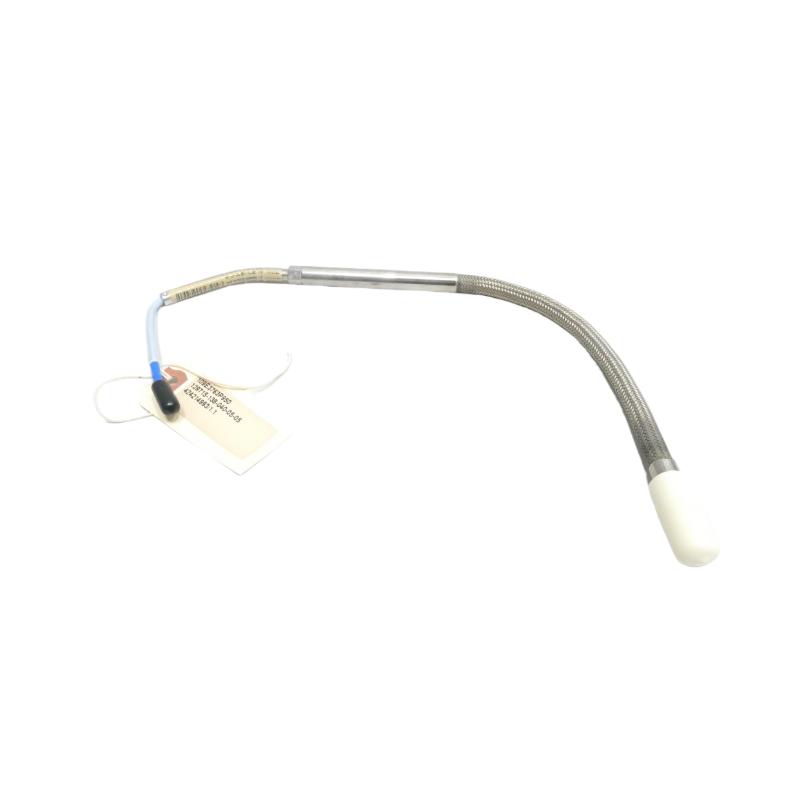
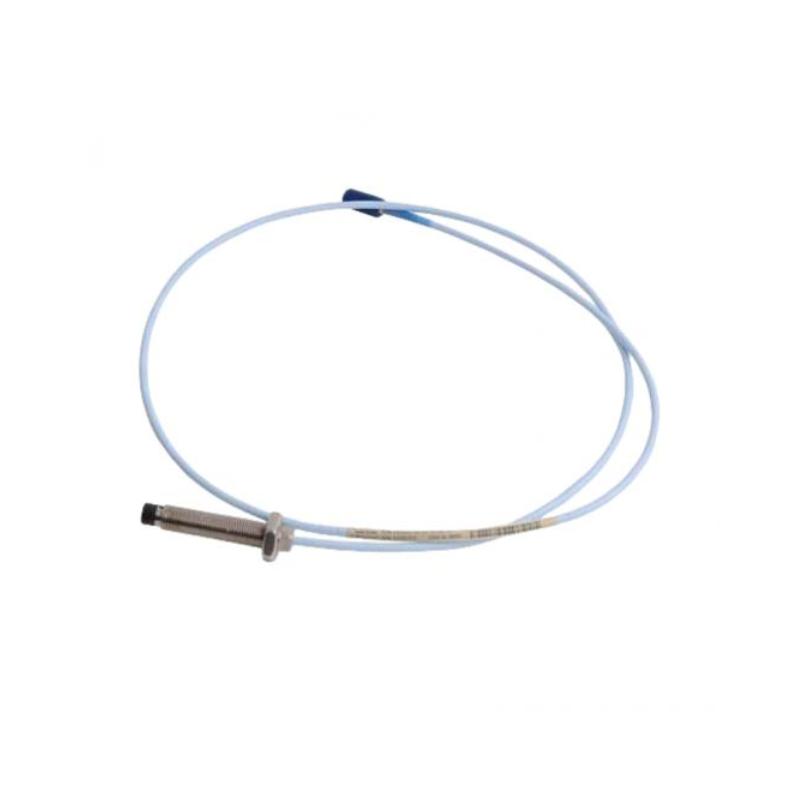
The Bently Nevada 129715-102-015-05-05 3300 XL Proximity Sensor is designed to measure shaft displacement and vibration in rotating industrial equipment. Within machine protection systems, proximity sensors provide critical data about shaft position, radial movement, and vibration behavior during operation.
This type of sensor is typically installed near bearings or shaft surfaces where precise measurement of shaft movement is required. Because it operates using non-contact sensing technology, it can monitor high-speed rotating components without mechanical interference.
Typical application environments include:
-
Steam and gas turbine monitoring systems in power plants
-
Compressor shaft monitoring in oil and gas facilities
-
Pump vibration monitoring in chemical processing plants
-
Electric motor shaft position measurement in manufacturing lines
-
High-speed rotating equipment in mining and heavy industry
These installations rely on accurate vibration data to maintain equipment reliability and prevent unexpected shutdowns.
Key Operational Benefits
Non-Contact Measurement Method
The sensor measures shaft displacement without touching the rotating surface, ensuring consistent performance and minimal mechanical wear.
High Precision Vibration Detection
It captures small shaft movement variations, allowing monitoring systems to detect early mechanical faults.
Reliable Continuous Monitoring
Designed for permanent installation in machine protection systems that operate continuously.
Robust Industrial Construction
Built to withstand vibration, temperature fluctuations, and harsh operating environments typical in heavy industry.
Integration with 3300 XL Monitoring Systems
The sensor is engineered to work within the 3300 XL monitoring architecture used for industrial machine protection.
Technical FAQs
1. What is the primary purpose of the 129715-102-015-05-05 proximity sensor?
Its primary purpose is to measure shaft displacement and vibration in rotating machinery for condition monitoring and protection.
2. What measurement principle does the sensor use?
It uses eddy current sensing technology to measure the distance between the probe tip and the conductive shaft surface.
3. Why are proximity sensors widely used in turbine monitoring systems?
They provide accurate real-time shaft displacement data, which is essential for detecting vibration-related faults.
4. What types of mechanical problems can be detected using this sensor?
Imbalance, shaft misalignment, bearing wear, looseness, and resonance conditions.
5. Where is the sensor typically installed on rotating equipment?
It is mounted near the shaft or bearing housing to monitor radial or axial shaft movement.
6. How does the sensor support predictive maintenance strategies?
By monitoring vibration trends over time, it helps engineers identify abnormal patterns before equipment failure occurs.
7. Why is non-contact sensing beneficial for high-speed machinery?
It avoids physical contact with rotating parts, preventing mechanical wear and ensuring measurement stability.
8. Can the sensor operate in continuous monitoring systems?
Yes, it is designed for long-term continuous operation within machinery protection systems.
9. What happens if the monitoring system detects excessive vibration?
The system can trigger alarms or initiate automated shutdown procedures to protect equipment.
10. Why is shaft displacement monitoring important in compressors and turbines?
Because excessive shaft movement can lead to severe mechanical damage or catastrophic equipment failure.
 A DCS Q Co., Ltd. - PLC and DCS Industrial Control Equipment Wholesale