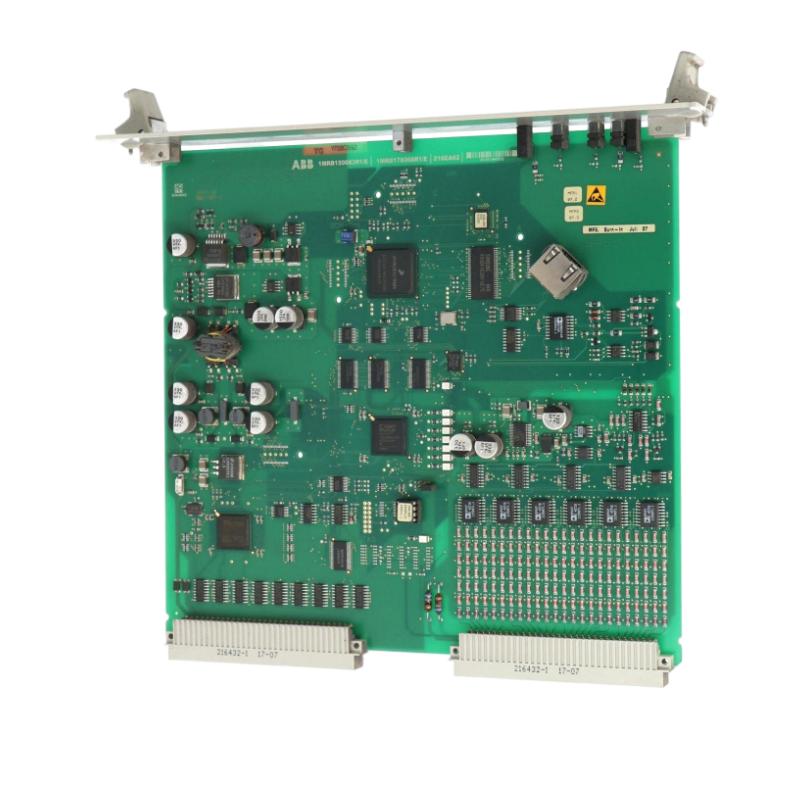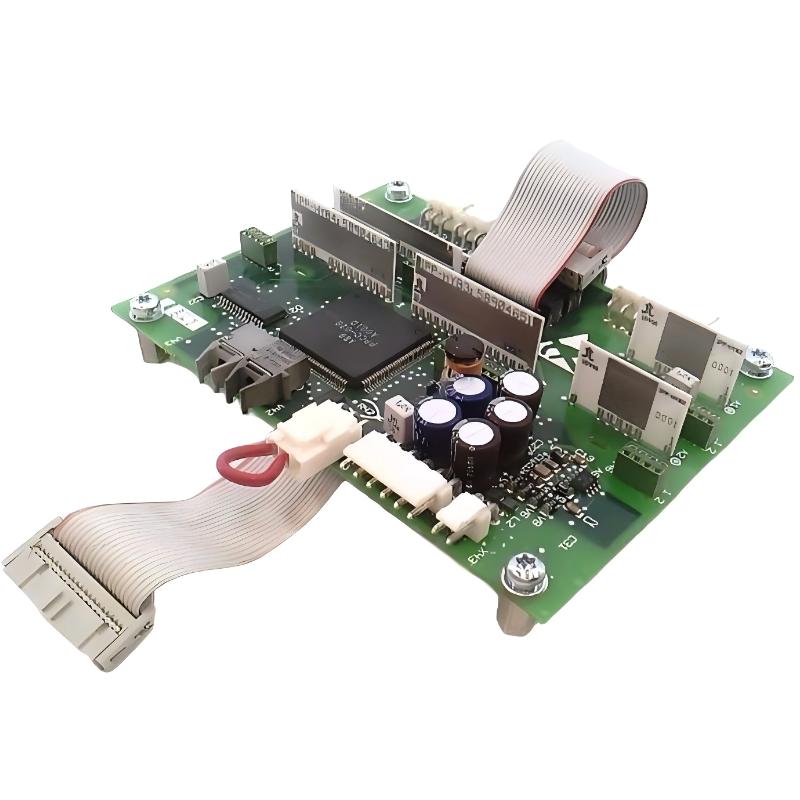
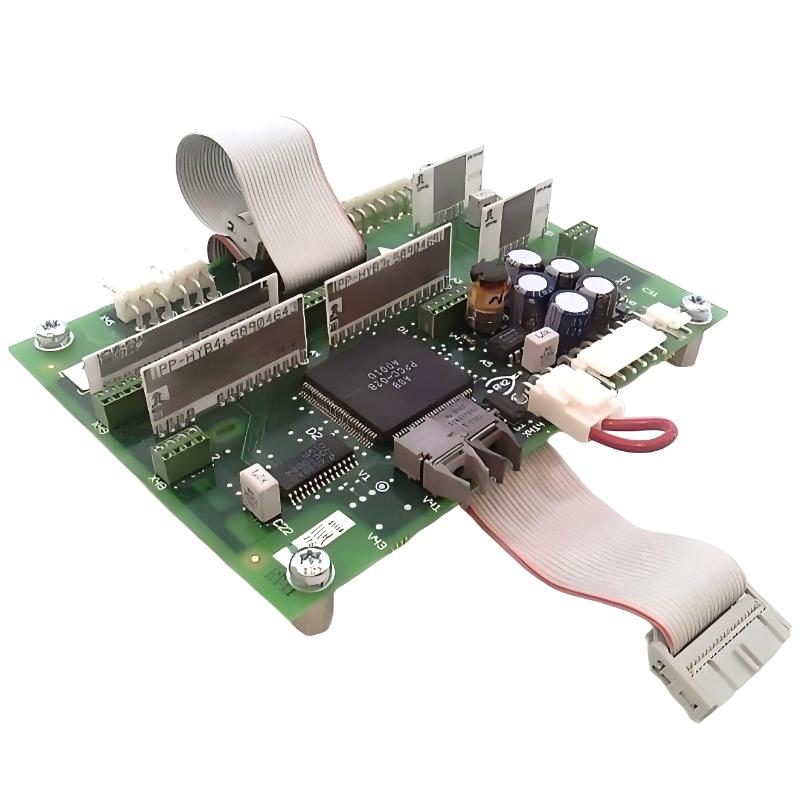
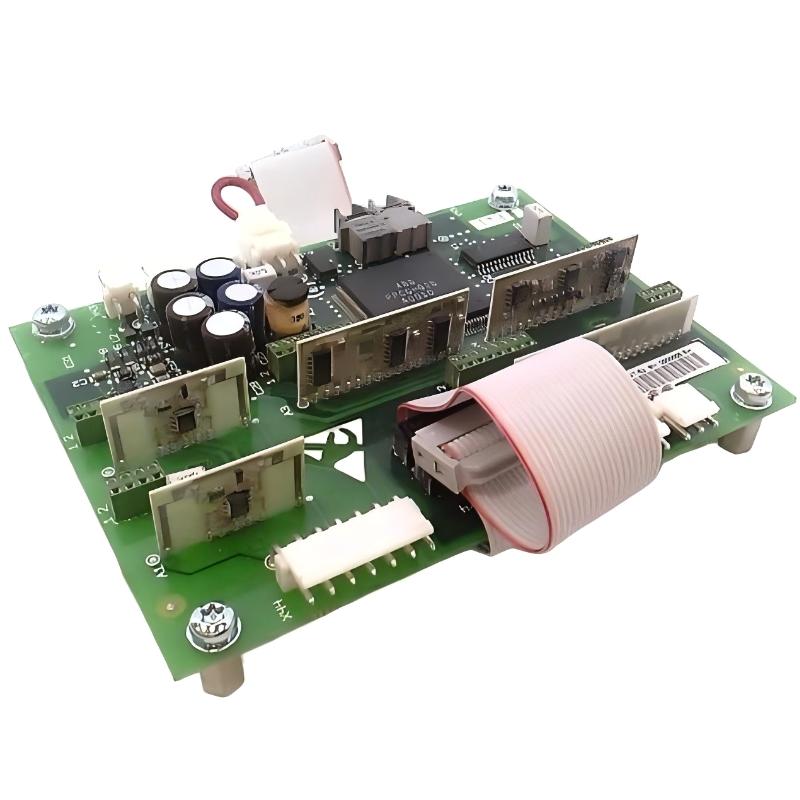
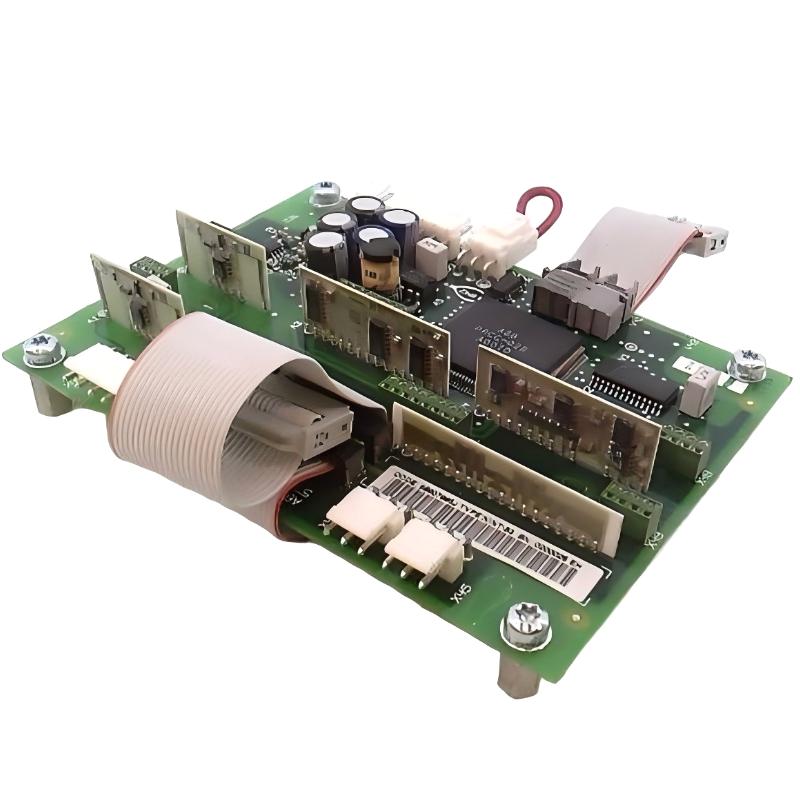
Reliable Main Circuit Interface for ABB Industrial Drive Systems
The ABB NINT-53C 61353291 Interface / Control Module is an internal main circuit interface board designed for ABB industrial frequency converter systems, particularly within the ACS600 and related ABB drive platforms. It functions as a critical communication and control bridge between the main power circuit and the drive’s control electronics, ensuring stable signal processing, system coordination, and reliable inverter operation.
Built for demanding industrial environments, the NINT-53C is engineered to handle continuous operation in automation systems where precision control and electrical stability are essential. It is commonly used in ABB legacy drive architectures and remains a widely replaced service component in maintenance and refurbishment applications.
Technical Specifications
| Parameter | Specification |
|---|
| Manufacturer | ABB |
| Product Type | Main Circuit Interface / Control Module |
| Model Number | NINT-53C |
| Product ID | 61353291 |
| Compatible Drive Series | ABB ACS600 / ACS drive family (legacy systems) |
| Function | Main circuit signal interface & control coordination |
| Control Voltage | 24 V DC (system dependent) |
| Communication Interface | Internal drive bus / control signaling |
| Signal Role | Power circuit monitoring & control command routing |
| Protection Class | IP20 (inside drive enclosure) |
| Operating Temperature | -25°C to +60°C |
| Mounting Type | Internal PCB module |
| Dimensions | Approx. 110 × 70 × 40 mm |
| Weight | Approx. 0.1–0.2 kg |
Industrial Applications
The NINT-53C is widely used in legacy ABB drive systems across multiple industrial sectors:
-
ABB ACS600 frequency converter systems
-
Industrial conveyor and material handling systems
-
Pumping and fluid control stations
-
HVAC and ventilation control systems
-
Marine and offshore electrical systems
-
Paper, pulp, and textile production lines
-
Mining and heavy industrial machinery
-
Process automation and factory systems
-
Retrofit and repair of ABB legacy drives
-
Continuous-duty industrial motor control systems
Its robustness makes it suitable for long-term operation in electrically noisy and high-load environments.
Key Advantages
Stable Signal Coordination
Ensures accurate transmission of control and feedback signals between power and control sections.
High Reliability in Legacy Systems
Designed for long operational life in ABB ACS600-class industrial drives.
Compact Industrial Design
PCB-based structure allows seamless integration within drive enclosures.
Improved System Stability
Reduces communication errors between internal drive modules under heavy load conditions.
Maintenance-Friendly Architecture
Easily replaceable, making it ideal for refurbishment and long-term service support.
Strong Industrial Durability
Engineered to withstand vibration, heat, and electrical interference in industrial environments.
Technical FAQs
1. What is the main function of the NINT-53C module?
It acts as a main circuit interface, managing control signals and communication within ABB drive systems.
2. Can it operate outside ABB drives?
No. It is designed exclusively for ABB internal drive architecture.
3. Is this a complete drive?
No. It is only an internal control/interface board, not a full VFD.
4. What happens if the module fails?
The drive may lose communication between control and power sections, leading to faults or shutdown.
5. Which ABB systems use it?
It is primarily used in ABB ACS600 and related legacy drive systems.
6. Does it handle motor power directly?
No. It only handles control and signal-level communication.
7. Is it interchangeable with other NINT modules?
Only within compatible ABB configurations; cross-series compatibility is not guaranteed.
8. What is its operating temperature range?
Typically -25°C to +60°C in industrial environments.
9. Can it be repaired?
In most industrial practice, replacement is preferred over repair.
10. Is it still commonly used today?
Yes. It remains widely used in maintenance, retrofit, and legacy ABB drive support systems.
 A DCS Q Co., Ltd. - PLC and DCS Industrial Control Equipment Wholesale