Introduction
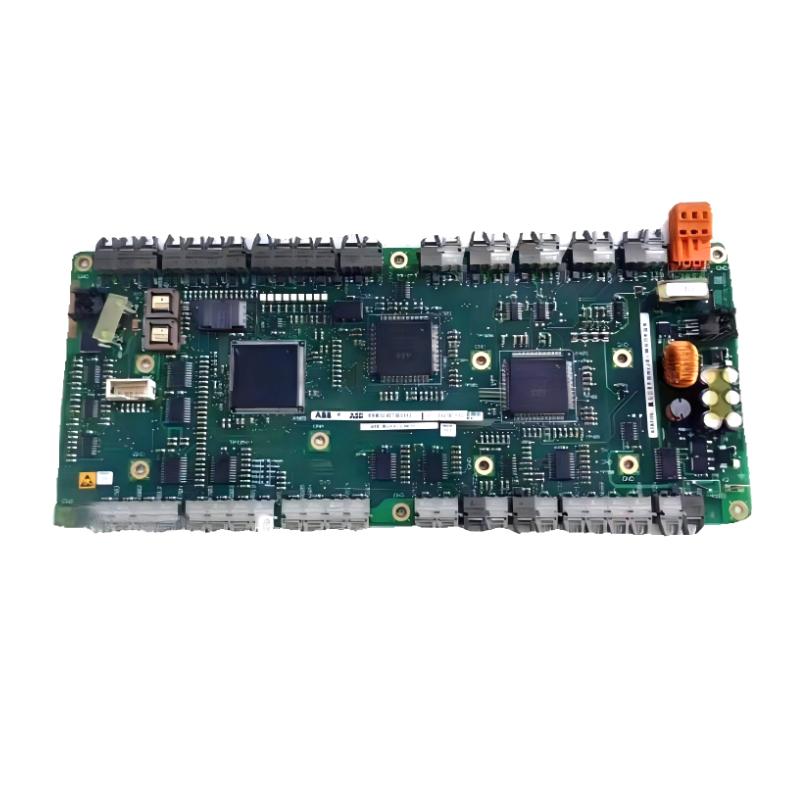
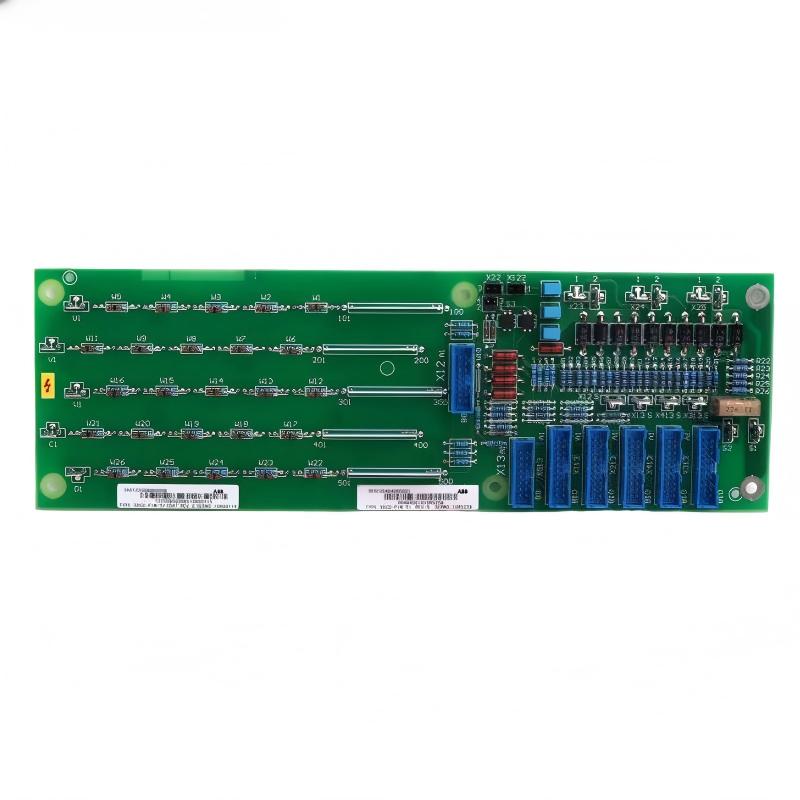
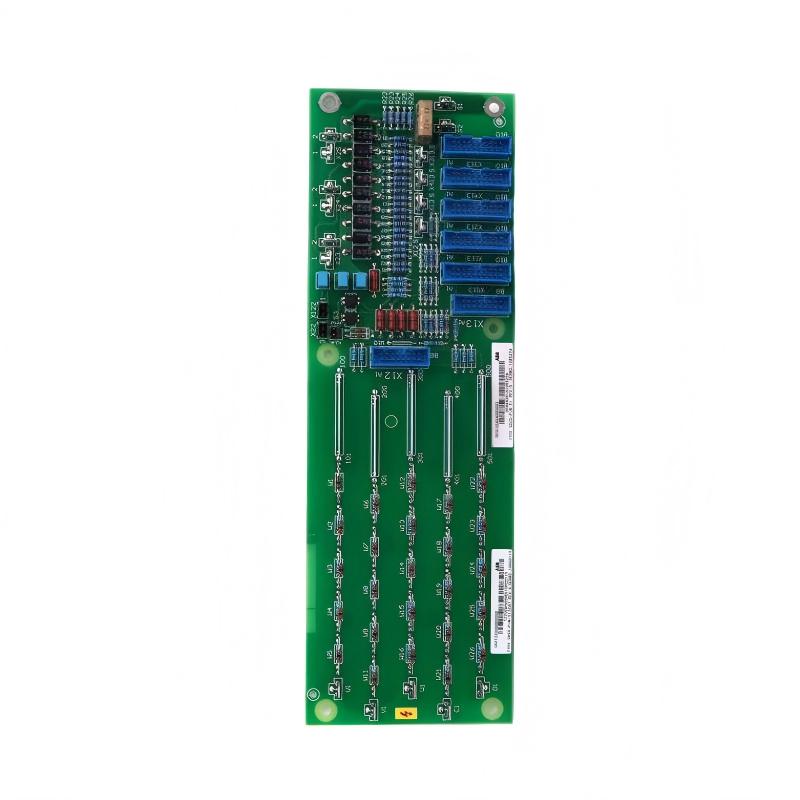
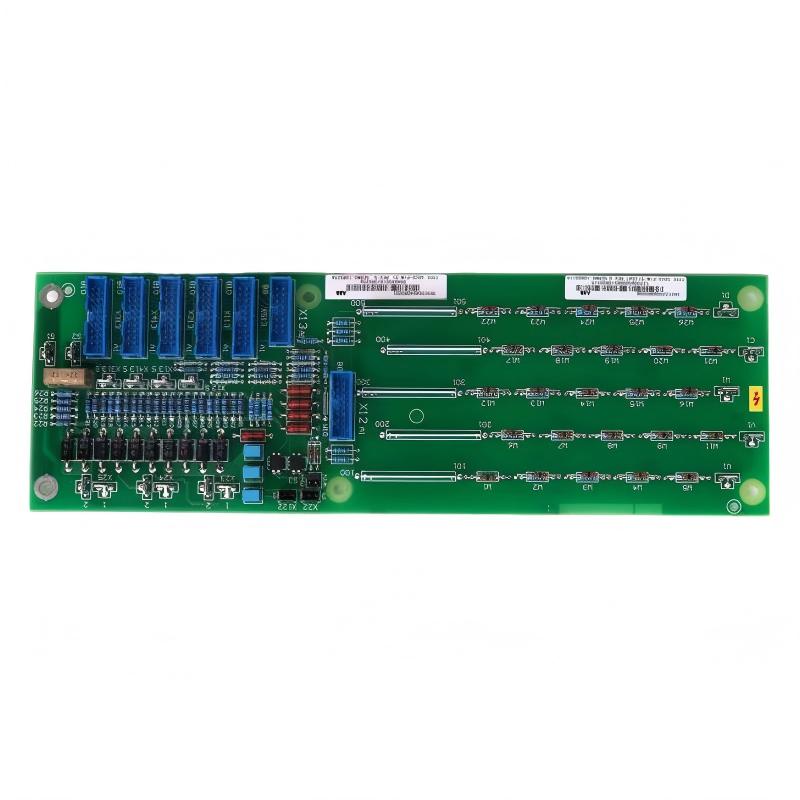
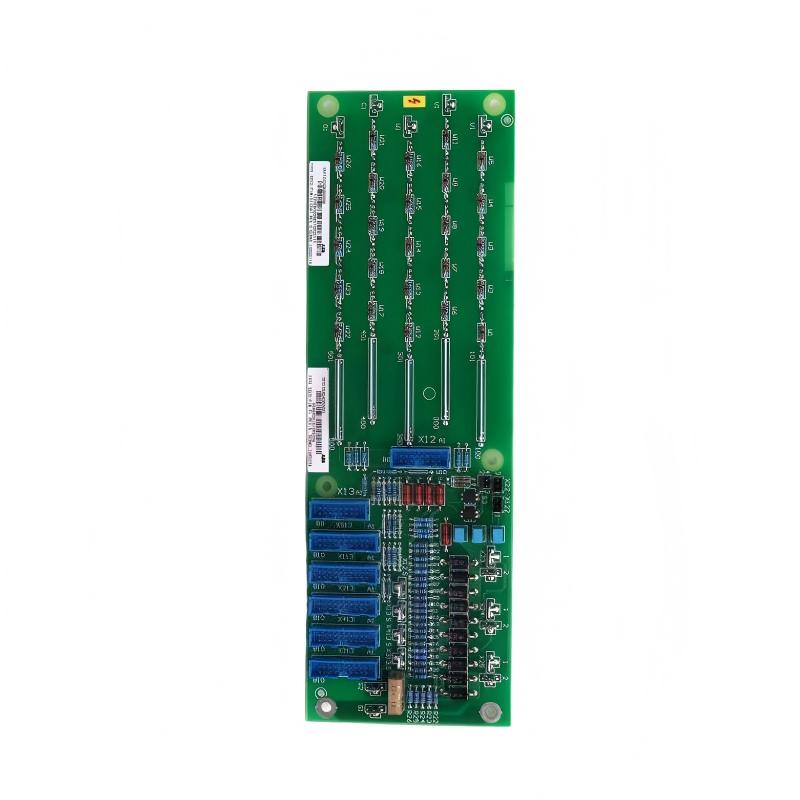
The ABB GJR2370500R2 Control Module is an industrial-grade automation and control component designed for use in ABB Distributed Control System (DCS) and Advant Controller architectures. It is widely deployed in process industries where stable control execution, reliable signal handling, and long-term system continuity are essential.
This module is typically found in ABB Advant Controller 31 environments, supporting critical automation logic and system-level coordination. Built for industrial durability, it delivers consistent performance in harsh electrical and environmental conditions, making it a trusted component in legacy ABB control infrastructures and modernization projects.
Technical Specifications
| Parameter | Details |
|---|
| Model | GJR2370500R2 |
| Product Type | Control Module / Control Board |
| Manufacturer | ABB |
| System Compatibility | ABB Advant Controller 31 / DCS systems |
| Function | Process control, signal coordination, system logic execution |
| Communication | Internal system bus / controller backplane |
| Signal Handling | Digital & analog I/O processing (system-dependent) |
| Operating Voltage | 24 V DC (typical system supply) |
| Power Consumption | Low-power industrial design |
| Operating Temperature | -20°C to +70°C |
| Storage Temperature | -40°C to +85°C |
| Dimensions | 25.4 cm × 10.2 cm × 15.2 cm |
| Weight | 0.38–1.0 kg (depending on configuration/source) |
Applications
The ABB GJR2370500R2 control module is used in a wide range of industrial automation and process control environments where system reliability is critical.
Typical applications include:
-
Power plant automation and turbine control systems
-
Oil & gas refinery process control
-
Chemical and petrochemical production systems
-
Water treatment and utility infrastructure automation
-
Industrial manufacturing and process lines
-
ABB Advant Controller 31-based legacy systems
-
Distributed process monitoring and control systems
-
Retrofit and system upgrade projects in installed ABB environments
Its strong presence in legacy ABB ecosystems makes it especially valuable for plant lifecycle extension and maintenance operations.
Advantages
The GJR2370500R2 offers strong operational benefits in industrial environments where uptime and stability are essential.
-
High System Stability – Ensures reliable control execution under continuous operation
-
Industrial-Grade Durability – Designed for harsh electrical and environmental conditions
-
Seamless ABB Integration – Optimized for Advant Controller 31 architectures
-
Reliable Signal Processing – Maintains accurate control logic in complex systems
-
Long Lifecycle Support – Ideal for legacy system maintenance and spare replacement
-
Compact Modular Design – Suitable for dense control cabinet configurations
-
Low Maintenance Demand – Reduces downtime and service frequency
This combination of reliability and compatibility makes it a widely used module in long-life industrial automation systems.
Technical FAQs (10 Questions)
1. What is the ABB GJR2370500R2 used for?
It is used as a control module for process automation and system coordination in ABB DCS systems.
2. Which ABB systems is it compatible with?
It is primarily used in ABB Advant Controller 31 and related DCS platforms.
3. Is it a PLC or DCS component?
It is mainly a DCS control module with PLC-like control functionality.
4. What industries use this module?
Power generation, oil & gas, chemical processing, and heavy industry.
5. What is its operating voltage?
Typically 24 V DC depending on system configuration.
6. What is the weight of the module?
Approximately 0.38 kg to 1.0 kg depending on version and measurement source.
7. Can it operate in harsh environments?
Yes, it is designed for industrial-grade temperature and electrical stability conditions.
8. Does it support modern communication protocols?
It mainly operates through ABB internal controller bus systems.
9. Is it still used in modern automation systems?
Yes, primarily in legacy systems and industrial maintenance environments.
10. Is it suitable for system upgrades?
Yes, it is widely used in retrofit and spare-part continuity projects.
 A DCS Q Co., Ltd. - PLC and DCS Industrial Control Equipment Wholesale