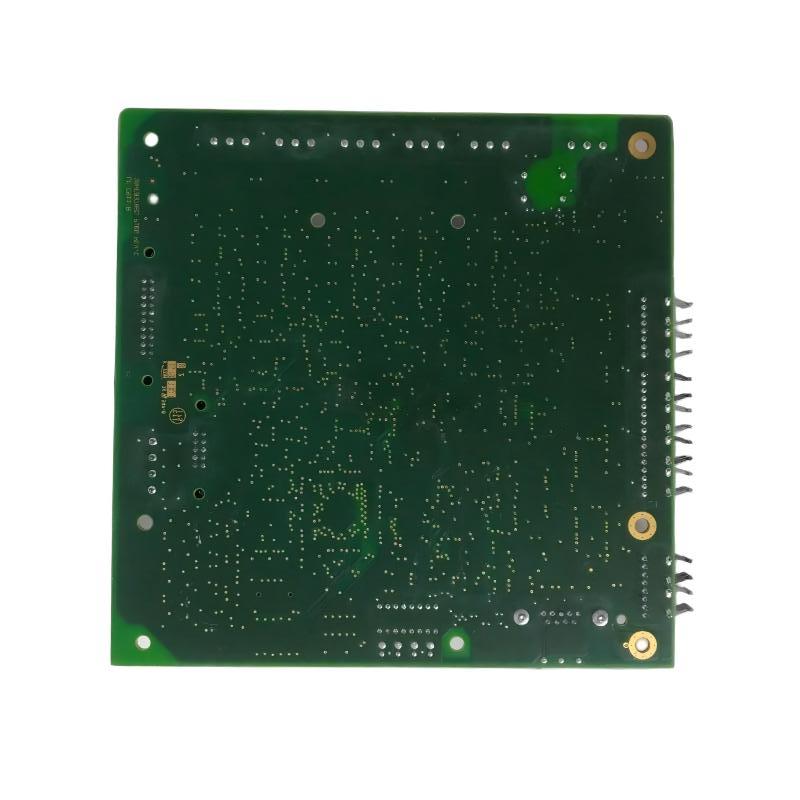
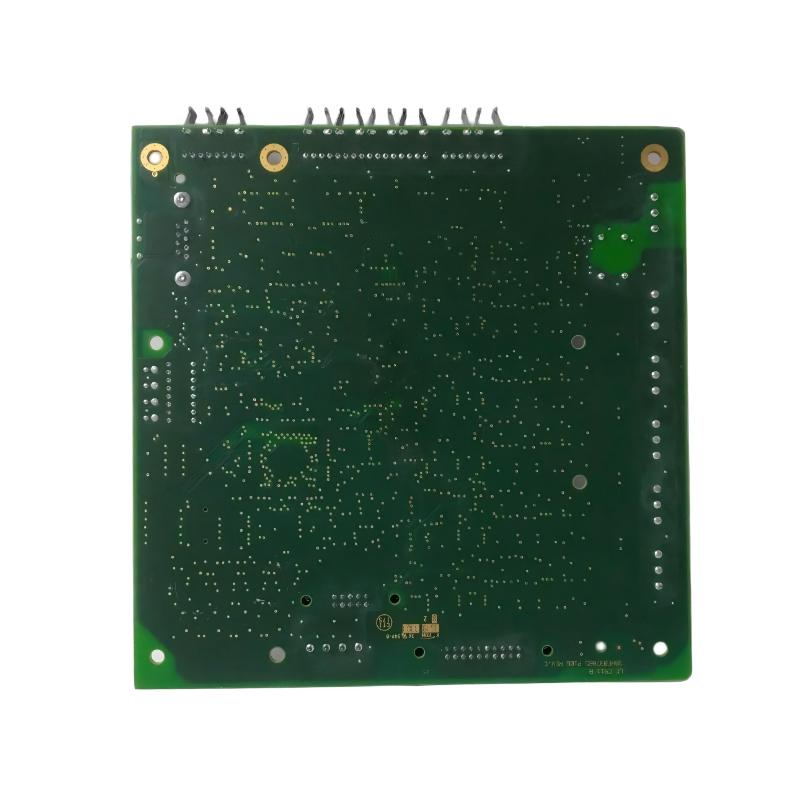
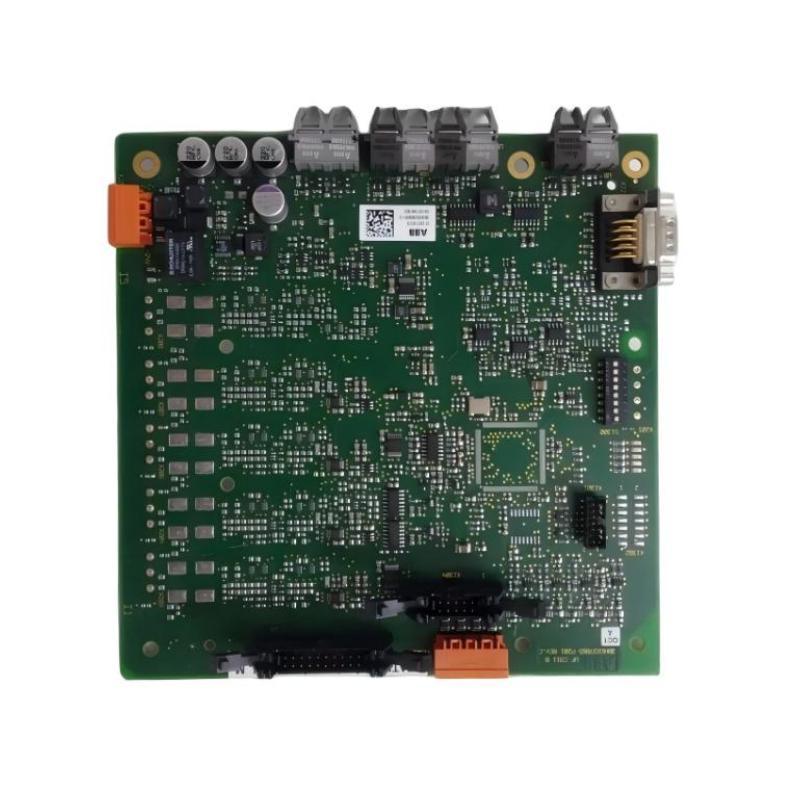
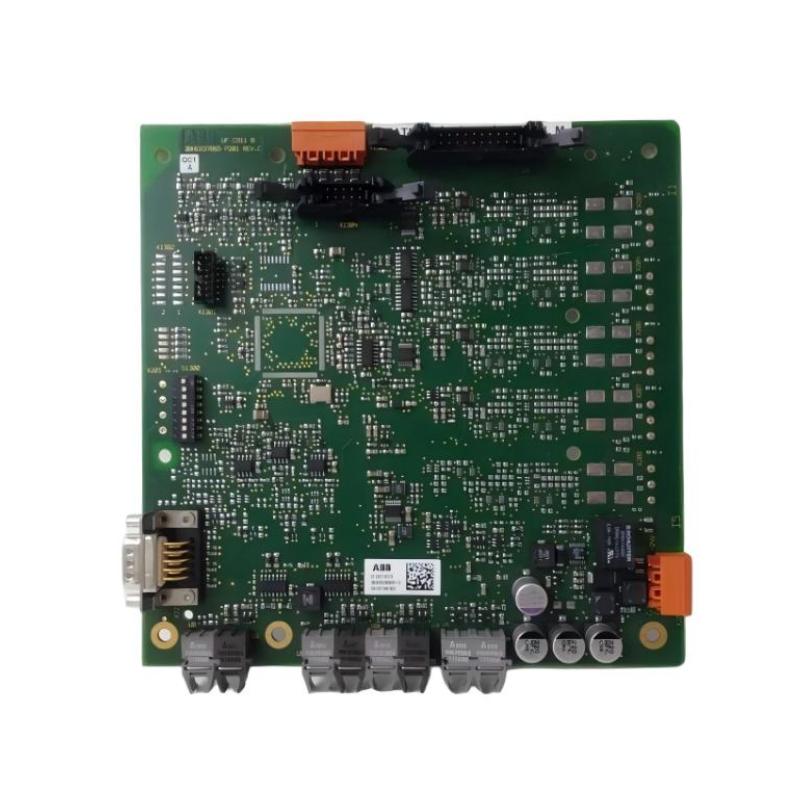
High-Performance Connectivity Hub for Industrial Automation Systems
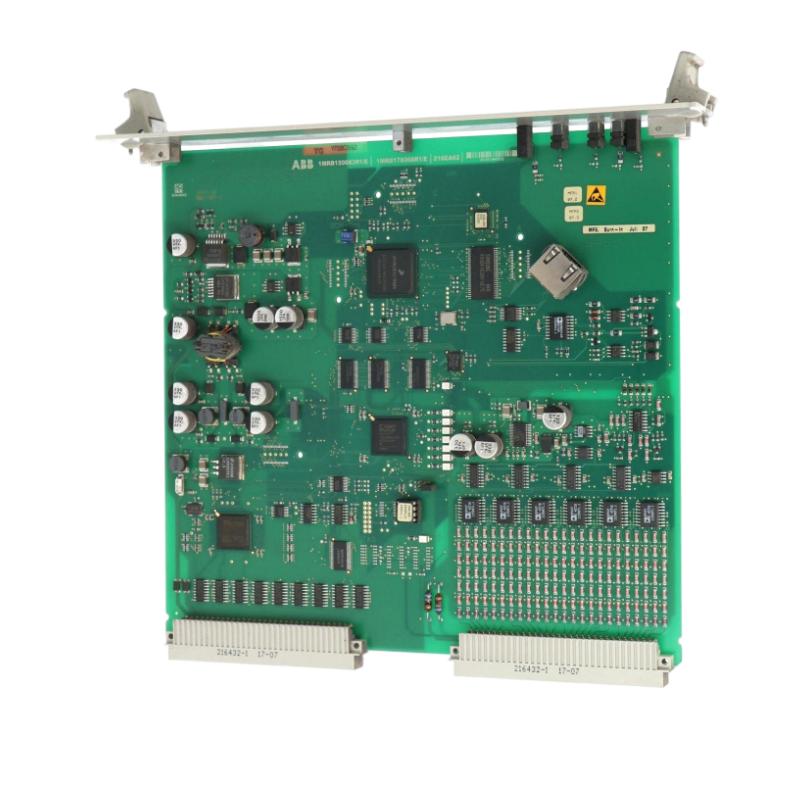
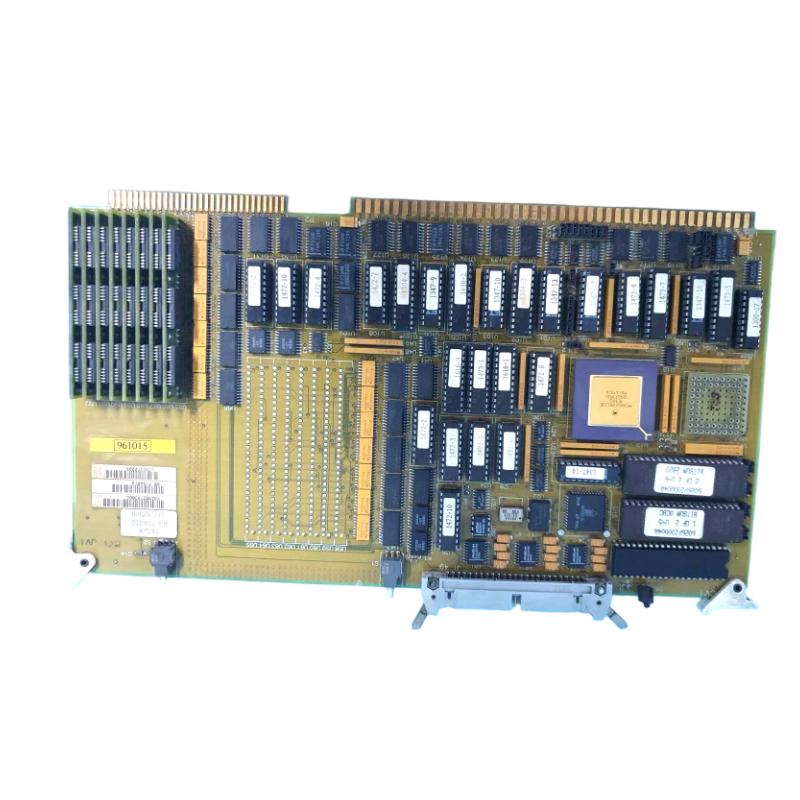
The ABB UF C911 B110 3BHE037864R0110 Communication Interface Module is engineered to deliver stable, high-speed, and reliable data exchange across complex industrial automation environments. Designed as a core communication node within ABB control architectures, this module ensures seamless interoperability between controllers, field devices, and distributed control systems.
Built with ABB’s advanced industrial-grade engineering, the UF C911 B110 supports robust signal integrity, flexible system integration, and continuous operational reliability. It is widely deployed in mission-critical environments where uninterrupted communication and precise data synchronization are essential for plant safety and efficiency.
Technical Specifications
| Parameter | Specification |
|---|
| Manufacturer | ABB |
| Model | UF C911 B110 |
| Part Number | 3BHE037864R0110 |
| Product Type | Communication Interface Module |
| Primary Function | Industrial Data Communication & System Integration |
| System Role | Controller / Field Device Communication Gateway |
| Compatibility | ABB Automation & Control Systems |
| Communication Capability | Multi-protocol Industrial Networking (system dependent) |
| Installation Type | Rack / Control Cabinet Mounted |
| Operating Temperature | -20°C to +70°C |
| Storage Temperature | -40°C to +85°C |
| Environmental Rating | Industrial Grade |
| Cooling Method | Passive Thermal Design |
| Construction | High-reliability electronic PCB assembly |
| Dimensions | Approx. 280 × 185 × 55 mm |
| Weight | Approx. 1.6 kg |
Industrial Applications
The ABB UF C911 B110 Communication Interface Module is widely used in industrial environments where reliable system communication is critical. Common applications include:
-
Distributed Control Systems (DCS)
-
Power generation and energy plants
-
Industrial automation networks
-
Process control systems
-
Factory digital control platforms
-
Substation automation systems
-
Heavy manufacturing operations
-
Integrated plant monitoring systems
Its ability to maintain stable communication across multiple system layers makes it a key component in modern automation infrastructure.
Key Advantages
Reliable Industrial Communication
Ensures consistent and uninterrupted data exchange between controllers, I/O modules, and field devices.
High Integration Flexibility
Designed to integrate seamlessly within ABB automation ecosystems and multi-device architectures.
Enhanced System Coordination
Improves synchronization between distributed control units for smoother operational performance.
Industrial-Grade Durability
Built to withstand electrical noise, vibration, and harsh industrial environmental conditions.
Stable Signal Transmission
Optimized circuitry ensures accurate and low-latency data communication.
Maintenance-Friendly Design
Modular structure simplifies troubleshooting, replacement, and system servicing.
Technical FAQs
1. What is the main function of the ABB UF C911 B110 module?
It acts as a communication interface module that enables data exchange between industrial controllers and automation devices.
2. Where is this module commonly used?
It is used in power plants, manufacturing facilities, process industries, and automation control systems.
3. Does it support industrial networking?
Yes, it supports industrial communication protocols depending on system configuration.
4. Is it compatible with ABB control systems?
Yes, it is specifically designed for ABB automation and control architectures.
5. Can it operate in harsh environments?
Yes, it is engineered for industrial-grade temperature and environmental resistance.
6. What is the operating temperature range?
It operates reliably between -20°C and +70°C.
7. Does it require active cooling?
No, it uses passive cooling for stable industrial performance.
8. Is it suitable for continuous operation?
Yes, it is designed for 24/7 industrial operation.
9. What role does it play in automation systems?
It ensures smooth and accurate communication between distributed system components.
10. Why is communication important in industrial automation?
Reliable communication ensures system coordination, process stability, and operational efficiency.
 A DCS Q Co., Ltd. - PLC and DCS Industrial Control Equipment Wholesale