High-Reliability Industrial Circulation Control Component
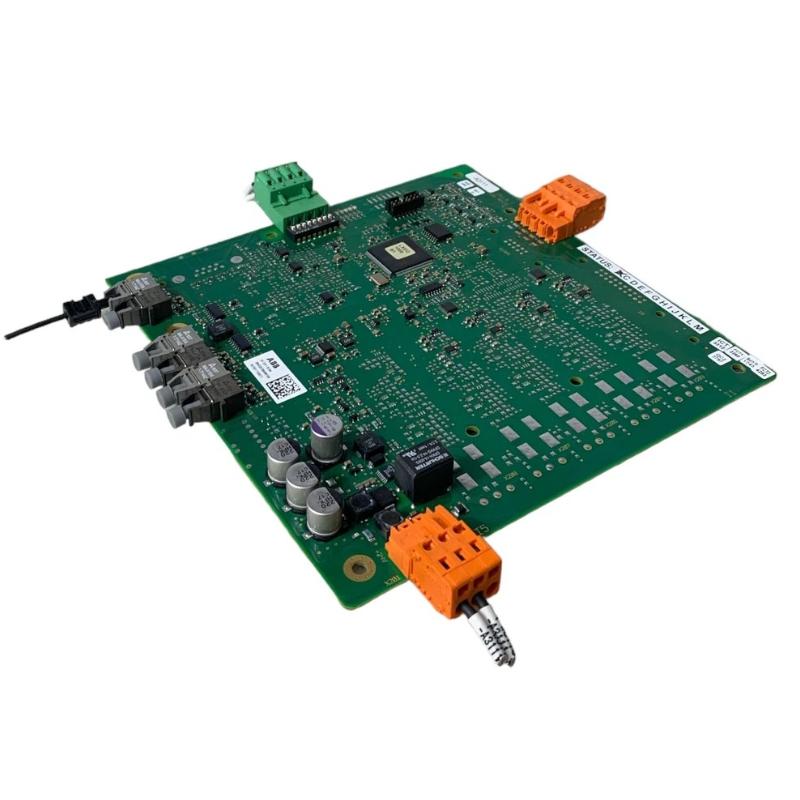
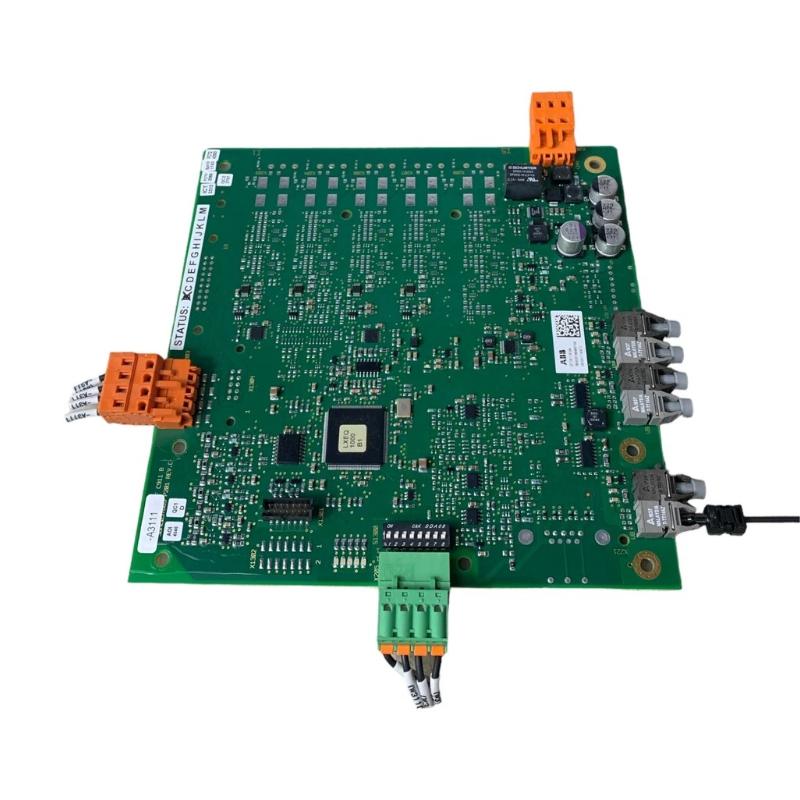
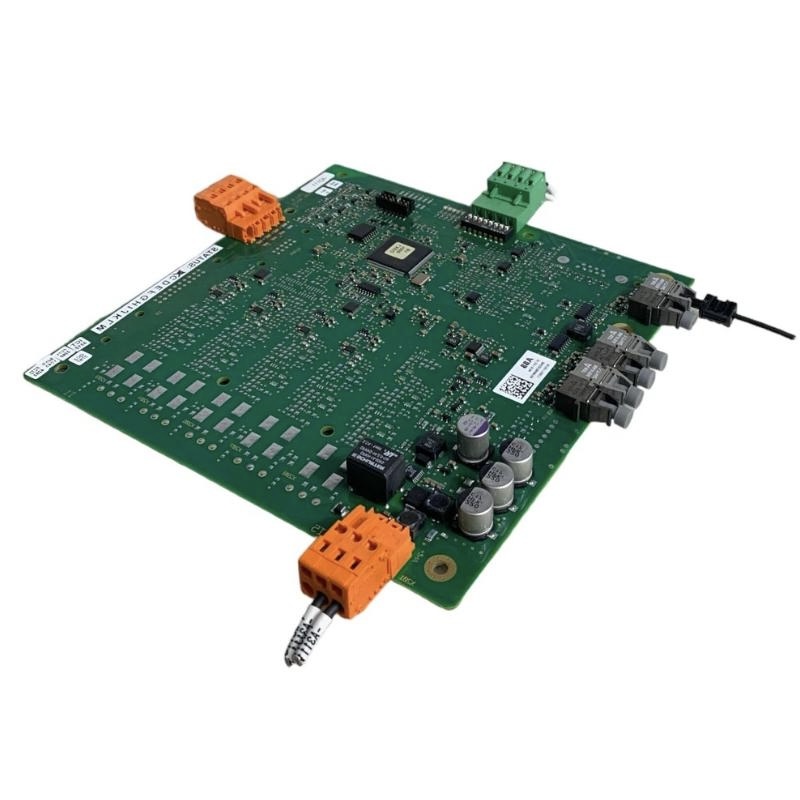
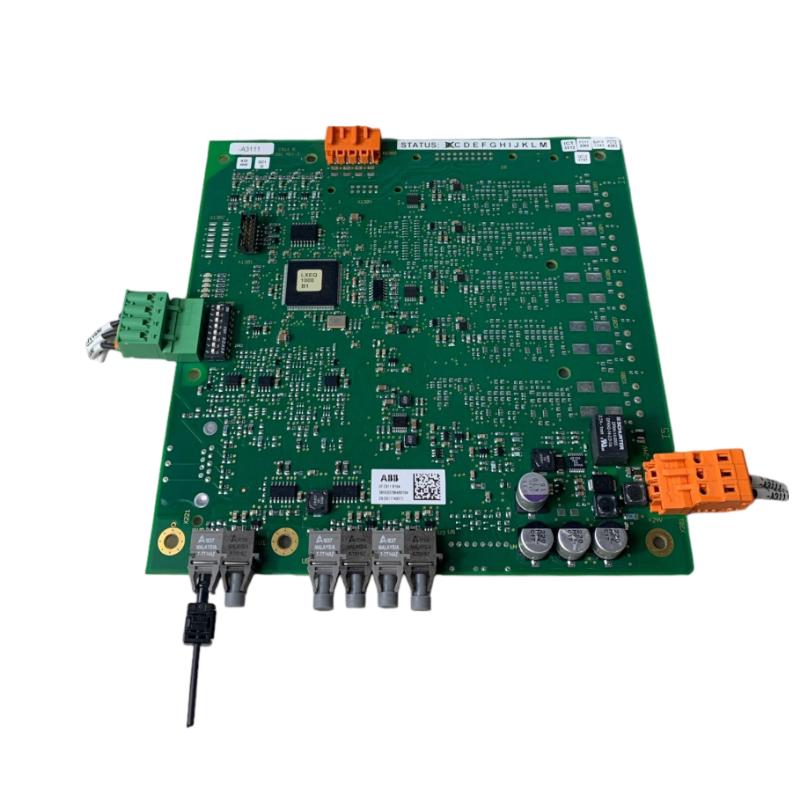
The ABB UF C911 B104 3BHE037864R0104 Circulation Plate is a precision-engineered industrial electronic component designed to support stable circulation control, system regulation, and optimized operational flow within ABB automation environments. Built for demanding industrial applications, this module contributes to consistent system performance, improved process stability, and efficient equipment coordination.
With ABB’s advanced manufacturing standards, the circulation plate is developed to withstand continuous industrial usage while maintaining reliable electrical performance and structural durability. It is commonly integrated into control systems where thermal balance, signal stability, and operational continuity are critical.
Technical Specifications Overview
| Parameter | Specification |
|---|
| Manufacturer | ABB |
| Model | UF C911 B104 |
| Part Number | 3BHE037864R0104 |
| Product Type | Circulation Plate |
| Function | System Flow / Signal Circulation Support |
| Application Level | Industrial Automation Systems |
| Installation Type | Internal Control Assembly / Module Mounting |
| Operating Voltage | Industrial Standard Control Voltage |
| Operating Temperature | -20°C to +70°C |
| Storage Temperature | -40°C to +85°C |
| Environmental Resistance | Industrial Grade |
| Cooling Support | Passive Thermal Circulation Design |
| Construction Material | High-Durability Electronic Board Assembly |
| Dimensions | Approx. 300 × 200 × 50 mm |
| Weight | Approx. 1.9 kg |
Industrial Application Scenarios
The ABB UF C911 B104 Circulation Plate is typically deployed in advanced industrial systems requiring stable internal signal or system flow management. Common usage includes:
-
Power plant control systems
-
Industrial automation platforms
-
Process control environments
-
Electrical distribution systems
-
Drive and motion control assemblies
-
Heavy machinery automation systems
-
Energy infrastructure monitoring
-
Industrial cabinet integration systems
Its role is essential in maintaining system balance and ensuring consistent operational coordination across connected automation modules.
Key Performance Advantages
Stable Industrial Operation
The circulation plate is engineered for continuous industrial use, ensuring consistent performance even in demanding operational environments.
Enhanced System Coordination
It supports smooth internal circulation of signals and operational data, contributing to improved system synchronization.
Robust Environmental Resistance
Designed to withstand vibration, temperature variation, and industrial electrical conditions without performance degradation.
Efficient Thermal Management Support
The structure assists in maintaining stable internal thermal balance within control systems.
Reliable ABB Engineering Quality
Manufactured under strict ABB quality standards, ensuring long-term durability and dependable performance.
Optimized Integration Design
Compatible with ABB control system architectures, allowing smooth integration into existing automation setups.
Technical FAQs
1. What is the main function of the ABB UF C911 B104 Circulation Plate?
It supports system circulation stability, assisting in internal signal and operational flow management within industrial automation systems.
2. Is this component used in automation systems?
Yes, it is designed specifically for ABB industrial automation and control environments.
3. Can it operate in harsh industrial conditions?
Yes, it is engineered for industrial-grade durability and environmental resistance.
4. What industries commonly use this module?
It is widely used in power generation, manufacturing, energy systems, and industrial automation facilities.
5. Does it support thermal stability?
Yes, it contributes to system-level thermal balance through passive design characteristics.
6. Is it compatible with ABB control systems?
Yes, it is designed for integration within ABB automation architectures.
7. What is its expected operating temperature range?
It operates reliably between -20°C and +70°C.
8. Does it require active cooling?
No, it uses passive thermal design principles.
9. Is it suitable for continuous operation?
Yes, it is built for long-term industrial continuous usage.
10. Why are circulation plates important in industrial systems?
They help maintain system stability, improve internal coordination, and support reliable operational flow.
 A DCS Q Co., Ltd. - PLC and DCS Industrial Control Equipment Wholesale